
Oman Aligns with the UAE and Other Gulf Destinations to Boost Cruise Tourism and Expand Local Benefits in 2027

Published
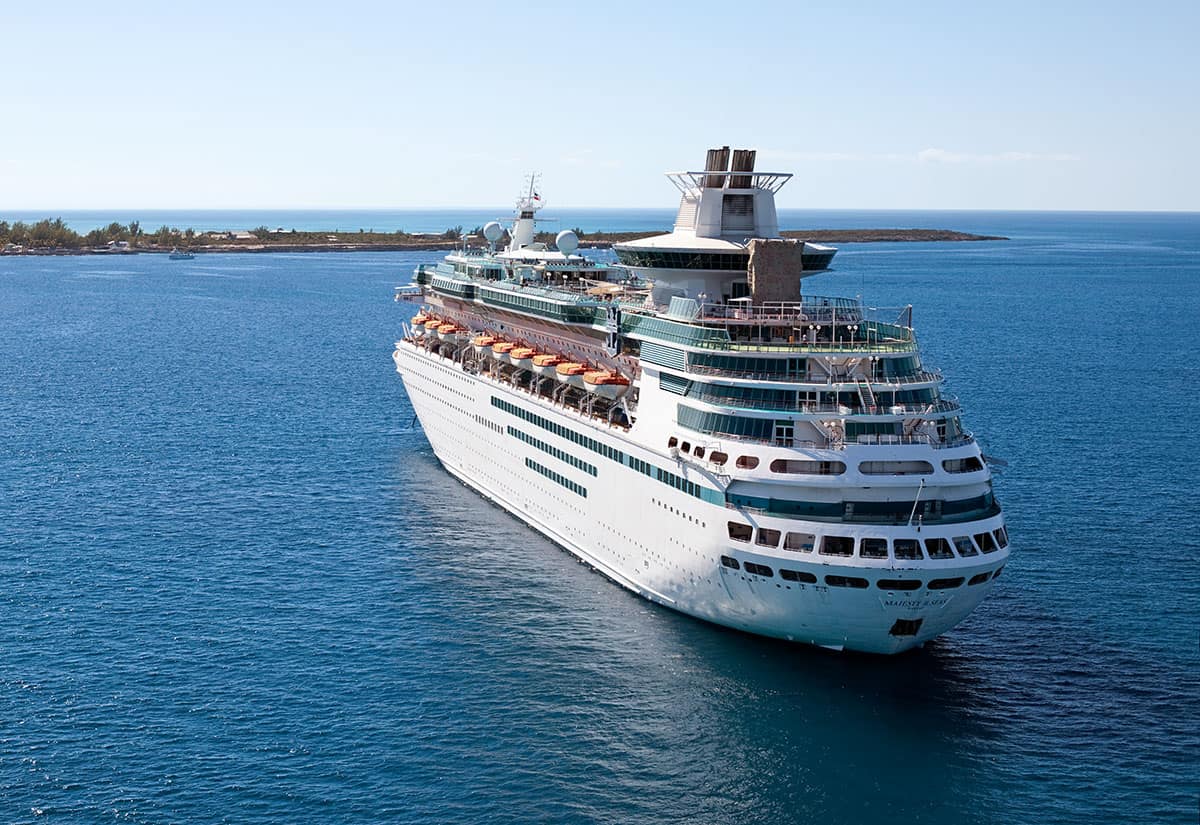
The Middle East is rapidly transforming into a premier global maritime destination, as Oman aligns with the UAE to boost cruise tourism ahead of the highly anticipated 2027 season. Driven by government-backed infrastructure expansions, unified regional frameworks, and strategic airline partnerships, this unprecedented collaboration aims to elevate the Gulf Cooperation Council’s share of international maritime travel. With Oman’s rich cultural heritage complementing Dubai’s modern luxury ports, the strategic alliance promises substantial local economic benefits, job creation, and sustainable growth. This pivotal shift establishes a new standard for maritime travel, ensuring long-term prosperity for local businesses and communities across the region.
Background: The Rise of Gulf Maritime Tourism
For decades, the Middle East has steadily diversified its economic portfolio away from fossil fuels, placing unprecedented focus on the travel and tourism sectors. Over the past few years, the maritime and cruise tourism sector has emerged as a high-growth avenue, capitalising on the strategic geographic positioning of the Gulf Cooperation Council (GCC) nations. As of late 2026, the maritime corridors linking the Arabian Sea, the Gulf of Oman, and the Arabian Gulf have become some of the most coveted routes for international luxury liners.
Advertisement
Advertisement
Oman’s Strategic Positioning
The Sultanate of Oman offers a stark, beautiful contrast to the glittering skyscrapers of neighbouring metropolis cities. Recognised for its dramatic coastlines, ancient forts, and deep-rooted traditions, Oman has positioned itself as the cultural anchor of Gulf cruise itineraries. The country’s Ministry of Heritage and Tourism has relentlessly focused on high-quality, culturally immersive visitor experiences. By upgrading crucial port facilities in Muscat, Salalah, and Khasab, Oman has successfully created a robust foundation capable of welcoming next-generation mega-ships, seamlessly blending heritage preservation with modern maritime demands.
The Dubai Hub Advantage
Concurrently, the United Arab Emirates—spearheaded by Dubai—has solidified its reputation as the logistical and operational epicentre for cruise operations in the Middle East. Dubai Harbour and Port Rashid feature state-of-the-art cruise terminals capable of processing thousands of passengers simultaneously. The historic and structural synergy between these two nations creates a perfect twin-centre proposition for global cruise operators. As Oman aligns with the UAE to boost cruise tourism, operators can now offer itineraries that combine ultra-modern luxury with authentic Arabian heritage in a single voyage.
Advertisement
Advertisement
Latest Official Developments in 2026
The lead-up to the 2027 cruise season has been characterised by a flurry of official developments, bilateral agreements, and massive infrastructure upgrades designed to streamline passenger movement and maximise local economic capture.
Multilateral Agreements and Route Additions
In a landmark move reflecting the sector’s robust trajectory, major aviation and maritime players have cemented long-term pacts. Notably, Emirates Airlines and Costa Cruises have officially extended their strategic partnership through to 2027. This alliance significantly bolsters Dubai’s status as a global transit hub while directly benefiting neighbouring ports in Oman. Under this framework, fly-cruise passengers can seamlessly transition from their flights to their ships, increasing the volume of high-yield tourists embarking on Gulf itineraries that heavily feature Omani ports of call. Costa Cruises will also deploy its latest-generation flagship, the Costa Toscana, further escalating regional capacity.
Advertisement
Advertisement
Infrastructure Expansions for the 2027 Season
To accommodate the projected influx, Oman has accelerated its port infrastructure enhancements. Dedicated cruise terminals are being fitted with advanced customs and immigration technologies to match the seamless processing speeds seen in the UAE. These upgrades ensure that disembarking passengers can transition rapidly into local excursion programmes, maximising their time spent engaging with local businesses, markets, and cultural sites.
Government Announcements and Policy Updates
Authoritative bodies across the region have rolled out synchronized policies to ensure the upcoming seasons operate frictionlessly.
Ministry of Heritage and Tourism Mandates
Oman’s Ministry of Heritage and Tourism has explicitly articulated a strategy targeting quality-led growth, ensuring that the surge in passenger numbers aligns with sustainable carrying capacities. Recent official statements highlight Oman’s commitment to creating a more integrated GCC tourism ecosystem, viewing regional cooperation and shared aviation links as critical tools for raising the region’s overall visibility on the global tourism map.
Unified GCC Tourism Frameworks
A major catalyst for this projected growth is the ongoing development of integrated regional frameworks, commonly referred to as the unified GCC tourist visa concept. While individual nations maintain their sovereign immigration controls, the alignment of operational procedures between Oman and the UAE means cruise lines can market multi-country Gulf itineraries with far less bureaucratic friction. This policy synergy drastically reduces logistical headaches for cruise operators and encourages longer, more comprehensive regional deployments.
Vital Statistics and Official Figures
The empirical data released by national statistical offices in 2026 underscores the profound success of these joint maritime strategies.
Passenger Volumes and Trajectories
Oman’s National Centre for Statistics and Information revealed that total inbound tourism expenditure reached an impressive RO 1 billion in 2025, up from RO 989 million the previous year. Furthermore, the average annual growth of tourists arriving in Oman between 2023 and 2027 is officially projected to reach 7.4%. This momentum is heavily supported by the cruise sector, which delivers a consistent flow of day-trippers and transit passengers who inject immediate capital into coastal economies.
Advertisement
Advertisement
Revenue and Port Authority Data
The broader Middle Eastern travel and tourism sector demonstrated remarkable resilience, recording a 5.3% growth rate in 2025, notably outpacing the global average of 4.1%. Accommodation metrics reflect this boom; Oman recorded over 5 million hotel guests in 2025, while the number of establishments operating in tourism-related activities exceeded 24,000—a 40% increase from 2020 levels. As cruise passengers increasingly opt for pre- and post-cruise stays, this accommodation network stands to benefit massively.
Policy Implications for Local Communities
The most critical aspect of this maritime expansion is its translation into tangible benefits for the local populations.
Job Creation and SME Empowerment
By aligning with the UAE’s high-volume maritime traffic, Oman is securing a guaranteed pipeline of consumers for its local Small and Medium Enterprises (SMEs). Government policies mandate that a significant portion of port-side services, excursion transport, and cultural guiding be awarded to locally owned entities. This ensures that the financial windfall of cruise tourism does not bypass the community, but rather stimulates grass-roots job creation across the hospitality, transport, and retail sectors.
Sustainable Tourism Frameworks
Sustainability remains at the forefront of policy implementation. Oman’s unique selling proposition lies in its pristine natural environments—from its majestic wadis to its untouched coastlines. Authorities have implemented strict environmental regulations on visiting vessels regarding waste management, emissions, and local marine interactions. The goal is to extract maximum economic value while preserving the ecological integrity that makes the region desirable in the first place.
Industry Impact Across the Gulf
The ripple effects of this strategic alignment are being felt across the entire spectrum of the travel and hospitality industry.
Airline and Cruise Line Partnerships
The seamless integration of air and sea travel is revolutionising the Gulf’s appeal. With Emirates facilitating luggage-free transfers from Dubai Harbour directly to the airport up to 4 hours before departure, passenger convenience is at an all-time high. This logistical triumph encourages European, Asian, and American tourists to choose the Gulf over traditional Caribbean or Mediterranean routes.
Advertisement
Advertisement
Hospitality Sector Upgrades
In anticipation of the 2027 season, hospitality brands in both Oman and the UAE are expanding their portfolios. Traditional souqs are being revitalised, and boutique heritage accommodations are receiving government grants for restoration. The cruise boom serves as a catalyst for a broader renaissance in regional hospitality standards.
Economic Implications and Diversification
The macro-economic implications of a booming cruise sector are vital to the national visions of both Oman and the UAE.
Reducing Oil Dependency
Both nations share a fundamental economic objective: decoupling their national budgets from the volatility of hydrocarbon revenues. Tourism is the most viable engine for this diversification. By locking in long-term commitments from major cruise conglomerates, these nations are securing stable, predictable foreign exchange inflows.
Foreign Direct Investment Increases
The surge in passenger numbers has caught the attention of global institutional investors. Port expansions require immense capital, and the demonstrated commitment by local governments has de-risked these projects for private equity. Consequently, Foreign Direct Investment (FDI) into Gulf maritime infrastructure and adjacent real estate has seen a marked acceleration leading into 2026.
Tourism, Business, and Public Impact
For the everyday citizen and local business owner, the alignment brings both opportunities and cultural exchanges.
Cultural Preservation Through Tourism
Rather than diluting local culture, the influx of cruise tourists has sparked a revival of traditional Omani crafts. Artisans specializing in pottery, silverwork, and frankincense production are experiencing unprecedented demand. The government views tourism as a vehicle for cultural preservation, subsidizing traditional craft guilds to ensure authentic products are available to international buyers.
Advertisement
Advertisement
Enhancing the Visitor Experience
For the visitor, the GCC is rapidly becoming a sophisticated, multi-faceted destination. A single seven-day cruise can now effortlessly encompass the futuristic architectural marvels of the UAE, the rugged mountain landscapes of Oman, and the serene coastal waters of the Arabian Sea. This dynamic diversity is unmatched in global maritime travel.
Official Statements and Expert Alignments
Industry experts are unanimous in their positive assessment of the region’s trajectory.
Voices from Tourism Authorities
According to recent official briefings from Omani tourism representatives, the strategic priority is ensuring that travellers immediately associate the country with distinctive nature, heritage, and tranquillity. By targeting quality-led growth, Oman ensures that it maintains its unique identity within the broader GCC ecosystem. The consensus among global maritime bodies, including elements aligned with UN Tourism guidelines, is that the Gulf’s collaborative model sets a new standard for regional tourism integration.
Future Outlook: The Road to 2030
Looking beyond 2027, the foundation being laid today is designed to support the region’s ambitious 2030 economic visions.
Long-term Maritime Strategies
As ship technologies evolve—with a shift towards LNG-powered and hybrid vessels—Oman and the UAE are already future-proofing their ports. The alignment between these two nations will likely expand to include joint marketing campaigns globally, unified environmental standards for territorial waters, and even deeper integration of land-based transit systems. As Oman aligns with the UAE to boost cruise tourism, the Middle East is irrevocably cementing its position not just as a crossroads of the world, but as a premier destination in its own right.
Advertisement
