
How Dexter Transformed Miami Tourism: Famous Hotspots and Filming Locations

Updated
Published
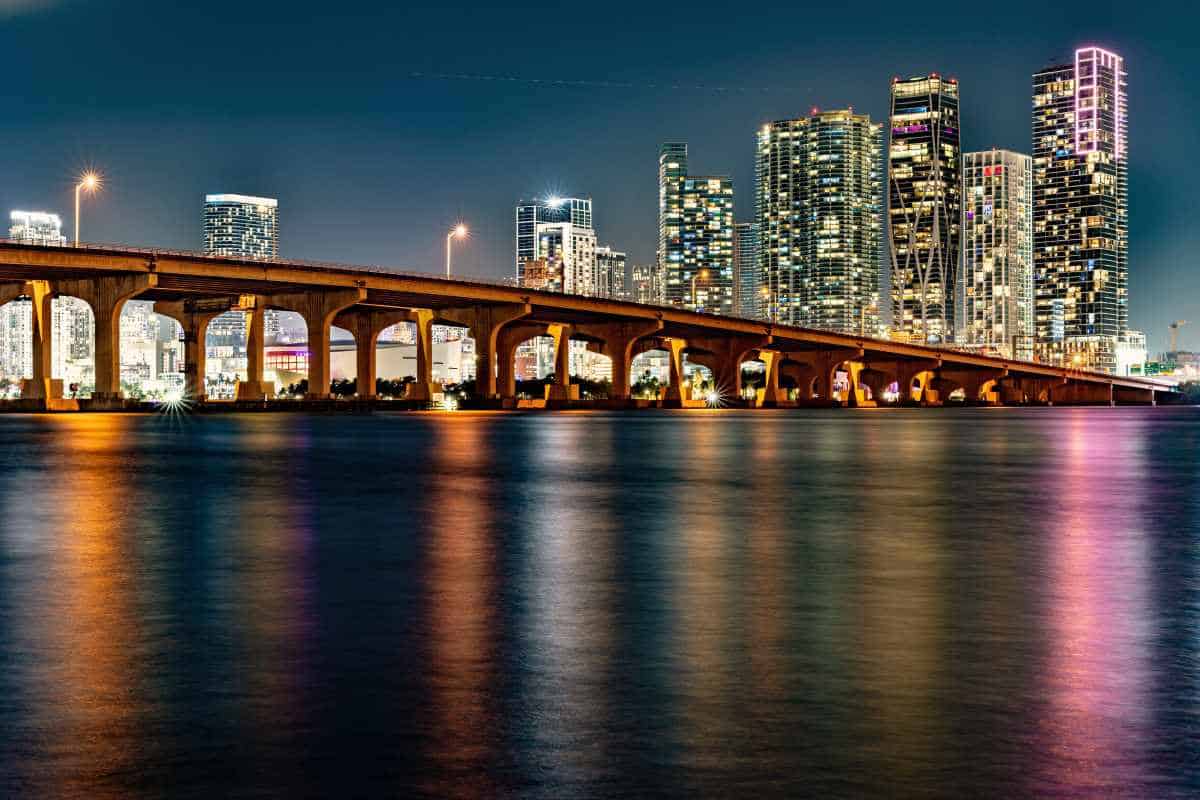
Miami’s sun-kissed beaches, pastel Art Deco architecture, and vibrant nightlife are famous. But after the hit psychological crime drama Dexter premiered, the coastal metropolis had a very different kind of international cachet. As the series captured the imagination of millions across the globe, an unprecedented phenomenon called set-jetting transformed the urban landscape. In the next couple of years, fans came from all over to South Florida, eager to follow in the footsteps of TV’s most famous forensic blood-spatter analyst. It altered the course of the area’s tourism and economic prospects.
For those on a cinematic pilgrimage to the Sunshine State, it’s fascinating to see how this iconic production reshaped local tourism through the lens of the city. The tangible legacy of the show, from busy waterfronts to hidden architectural treasures, continues to fuel strong cultural tourism, providing visitors with a compelling alternative to traditional beach vacations.
Advertisement
Advertisement
How the Series Dexter Impacted Tourism in Miami
The cultural footprint left by Dexter on South Florida’s visitor economy has been thoroughly documented by regional marketing organizations. According to data from the Greater Miami Convention & Visitors Bureau, television and film productions injected hundreds of millions of dollars into the local economy during the height of the series’ run. Rather than relying solely on traditional tropical promotion, tourism boards witnessed a surge in specialized travel bookings driven by television enthusiasts.
The psychological thriller genre inherently evokes a moody, atmospheric curiosity that contrasts sharply with standard vacation marketing. Consequently, international arrivals increased significantly as viewers sought to experience the gritty, neon-lit underbelly of the city depicted on screen. This shift demonstrated that popular culture serves as a powerful catalyst for regional development, encouraging extended stays and exploration of neighbourhoods outside the standard resort corridors. Local businesses, ranging from independent diners to boutique hotels, reported sustained patronage from travelers retracing the protagonist’s daily routines.
Advertisement
Advertisement
Where Was Dexter Filmed in Miami?
A common inquiry among visiting cinephiles involves the actual filming locations utilized during the production. While the narrative is firmly rooted in South Florida, production realities meant that a substantial portion of the early seasons was actually captured in Long Beach and San Pedro, California, alongside soundstages in Los Angeles. Nevertheless, authentic Miami backdrops were frequently integrated to establish the unmistakable tropical ambiance.
Exterior shots, establishing sequences, and specific signature landmarks were captured on location, ensuring that the visual identity of the city remained intact. This blending of real-world geography with studio artistry created an enduring curiosity, prompting visitors to seek out the physical sites that mirrored the fictional universe. Tourism analysts note that authenticity remains a primary driver for set-jetting enthusiasts, who actively search for the exact coordinates of iconic scenes.
Advertisement
Advertisement
Famous Hotspots and Filming Locations Related to the Series
Exploring the physical sites associated with the production requires a journey through several distinct neighborhoods, each offering a unique perspective on the urban environment.
The Bay Harbour Butcher’s Neighbourhood
Bay Harbour Islands serves as a central touchstone for followers of the narrative. While the fictional apartment complex where the central character resided was physically constructed in California, the real-world Bay Harbor Islands provide an upscale, tranquil residential backdrop that mirrors the serene exterior hiding dark secrets. Visitors frequently stroll along the palm-lined streets to absorb the peaceful waterfront atmosphere that inspired the fictional setting.
Advertisement
Advertisement
The Miami Metro Police Department Headquarters
In the television universe, law enforcement professionals operated out of a bustling municipal hub. In reality, exterior establishing shots for the workplace sequences utilized the historic Alfred I. DuPont Building located in downtown Miami. Constructed in 1939, this striking art deco and neoclassical skyscraper stands as a testament to early twentieth-century architecture. Its ornate bronze doors and majestic marble lobby continue to attract architecture enthusiasts and television fans alike, making it a premier urban landmark.
Ocean Drive and the South Beach Strip
No cinematic exploration of the coastal metropolis is complete without experiencing the electric energy of Ocean Drive. Featured prominently in establishing sequences that showcased the vibrant multicultural fabric and neon-soaked nights of the region, this iconic stretch exemplifies the visual contrast that defined the series. The historic pastel-coloured hotels provide an unmistakable visual signature that reinforces the duality of the local environment—where bright tropical beauty meets shadowy intrigue.
The Rusty Pelican
Dining establishments also played a subtle yet memorable role in the atmospheric storytelling. Waterfront venues offering panoramic views of the glittering skyline, such as the renowned Rusty Pelican on Rickenbacker Causeway, captured the sophisticated dining culture enjoyed by the characters. Visitors today frequently patronize these scenic locations to gaze across Biscayne Bay toward the illuminated downtown towers, reliving the suspenseful conversations broadcast into millions of homes.
The Long-Term Economic and Cultural Legacy
The long-term effects of travel caused by television are far greater than the sale of tickets or hotel reservations. Destination marketing organisations have learned that pop-culture tourism establishes powerful emotional bonds between travellers and cities. Looking through a narrative lens, regions like South Florida have managed to diversify their visitor base by re-imagining urban spaces, attracting demographically distinct cohorts interested in architecture, cinematography and urban exploration.
Heritage tourism based on famous productions continues to be a resilient economic engine as digital streaming platforms continue to spark renewed interest in classic television properties. The switch from a screen broadcast to a physical itinerary shows the tremendous power of storytelling to revive regional economies and change the global image of a place.
Advertisement
