
Nepal Floods Cause Severe Travel Disruption As Pakistan Delivers 100 Tonnes of Aid

Published
The regional landscape has been deeply shaken following a catastrophic natural disaster that struck northern and central Nepal. Triggered by an ice-rock avalanche near the border region, a massive surge of water and debris tore downstream through the Bhotekoshi River. This sudden surge resulted in severe flash floods and landslides, claiming thousands of lives and leaving numerous individuals missing.
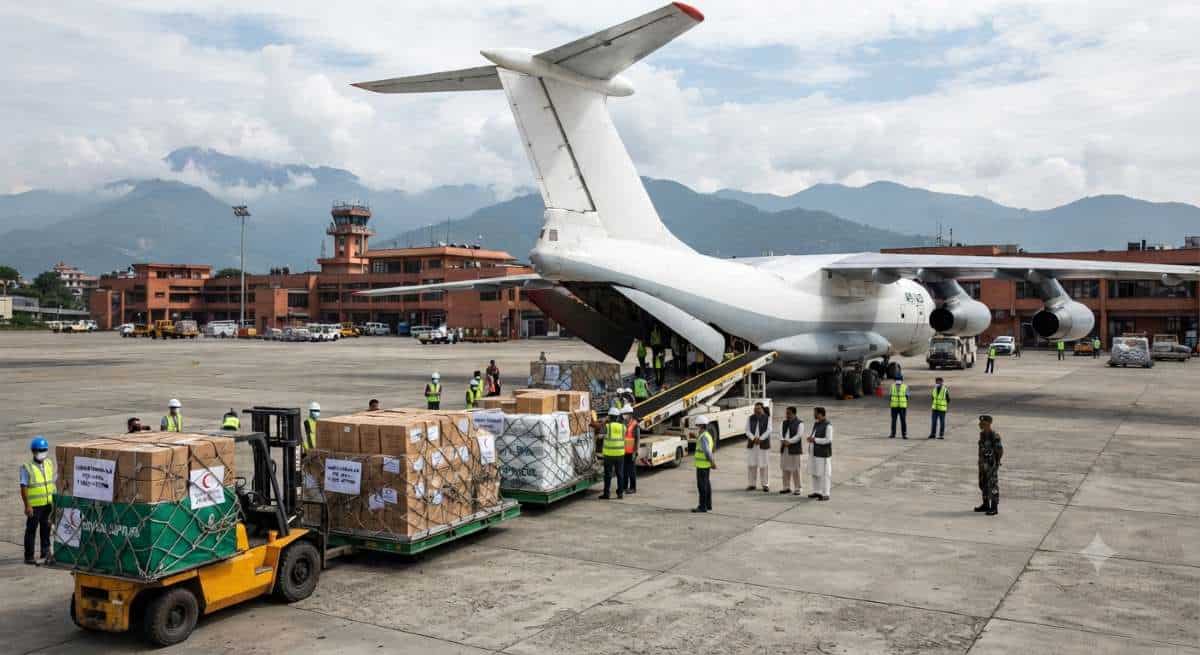
In response to this unfolding humanitarian emergency, international support has been mobilized to assist the affected population. Notably, the government of Pakistan dispatched a significant consignment weighing 100 tonnes of relief goods. Coordinated by the National Disaster Management Authority, this assistance was airlifted via a chartered flight from Islamabad International Airport to Kathmandu. The relief package was officially handed over by Pakistani representatives to the Nepalese authorities to support ongoing recovery efforts.
Impact on Travellers
The severe weather events and subsequent flash floods have created profound challenges for mobility and transit across the Himalayan nation. Vital transportation arteries, including mountain roads and bridges, were washed away by the rampaging torrents of icy water and debris. Consequently, numerous domestic and international tourists find themselves stranded in remote areas, cut off from major urban hubs due to impassable routes.
Access to popular trekking trails and remote valleys has been entirely restricted, forcing travel operators to cancel excursions and initiate emergency evacuation protocols. Furthermore, disruptions to local communications and power grids in the disaster zones have left visitors unable to contact families or receive timely updates regarding alternate transit options, amplifying safety concerns within the tourism sector.
Advertisement
Advertisement
Travel Disruption and Tourism Disruption
The catastrophic scale of the disaster has dealt a severe blow to Nepal’s thriving tourism and hospitality industry. Key infrastructure linking cultural heritage sites and mountain corridors has sustained extensive structural damage, stalling tourist arrivals during peak travel periods. Accommodation providers, local tour guides, and small-scale handicraft vendors in the affected northern and central regions are facing unprecedented economic losses as bookings are canceled en masse.
Regional airports and domestic flight routes have also experienced sporadic delays or cancellations as resources are redirected toward search, rescue, and humanitarian supply missions. Destination management organizations are presently reassessing safety conditions, leading to temporary closures of several national parks and trekking routes until comprehensive structural integrity assessments of bridges and roads can be completed.
Advertisement
Advertisement
Industry Insights
Industry analysts note that this crisis underscores the extreme vulnerability of mountainous tourism infrastructure to climate-induced hazards. Experts emphasize that rebuilding efforts must incorporate climate-resilient engineering to protect vital travel corridors from future glacial outbursts and extreme weather phenomena.
Insurance sectors are anticipating substantial commercial claims related to damaged hospitality assets, while tour operators are being urged to adopt more flexible booking and cancellation frameworks. The disaster has also accelerated discussions among regional stakeholders regarding the implementation of advanced early-warning systems and satellite-based communication networks specifically tailored for remote trekking zones to safeguard future travelers.
Practical Information
Travelers planning journeys to the region or those currently seeking assistance are advised to monitor official advisories issued by their respective embassies and local authorities. All non-essential travel to northern and central districts impacted by the Bhotekoshi River flooding should be strictly avoided.
Tourists requiring emergency evacuation or consular support are encouraged to contact local hotlines established by the Nepalese government or their diplomatic missions. Visitors holding existing itineraries are recommended to coordinate closely with airlines and tour operators regarding flexible rescheduling, refunds, or alternative regional destinations unaffected by the disaster.
Comparison with Previous Policies or Developments
In contrast to previous disaster management frameworks that relied heavily on localized responses and slower bureaucratic channels, recent developments reflect a much faster international response mechanism. The swift dispatch of 100 tonnes of relief items by Pakistan, alongside coordinated global appeals launched by the United Nations, highlights a shift toward immediate cross-border solidarity and large-scale logistical mobilization.
Past incidents often saw delayed structural assessments for tourism routes, whereas current protocols place an immediate emphasis on rapid multi-agency rescue operations, mass humanitarian deployment, and synchronized international burden-sharing to stabilize crisis-hit regions more effectively.
Advertisement
