
Why West Macedonia Is Greece’s Best New Year-Round Alpine Destination

Published
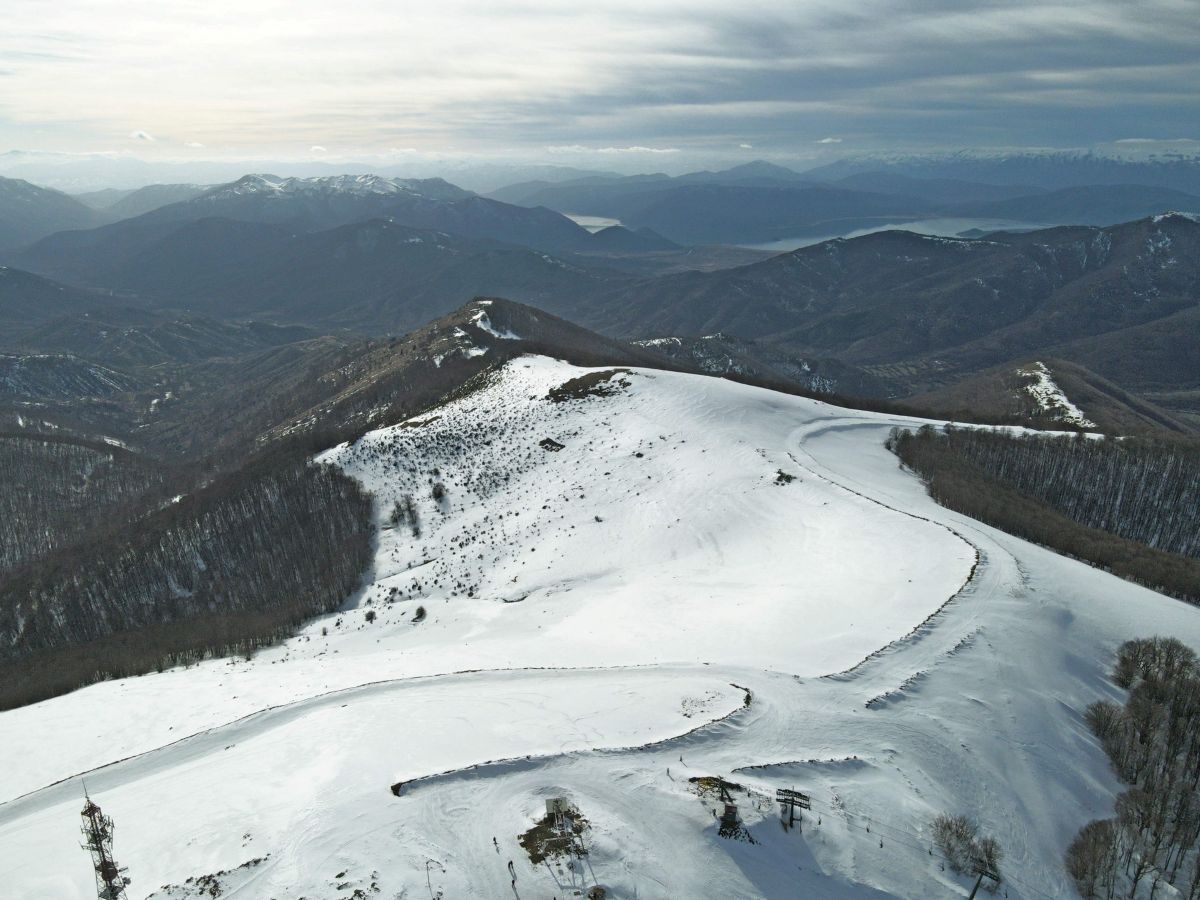
For most travellers, Greece evokes images of sun-drenched Cycladic islands and turquoise coastlines. But there is a sea change underway in the northern interior of the country. The regional authority of West Macedonia is busy reworking its tourism narrative, away from the strictly seasonal. Focusing strategically on its strong ski centres and high-altitude mountain infrastructure, the region is welcoming global explorers year-round. With today’s travellers hungry for off-the-beaten-path views, varied wildlife and authentic cultural experiences before these secret peaks enter the mainstream travel itinerary, understanding this new alpine persona is essential.
Unlocking the Heights: The Strategic Vision for West Macedonia
For decades, Northern Greece’s highlands were viewed strictly as winter retreats. Today, regional development plans and targeted national strategies are successfully reshaping this geography into a continuous four-season destination. According to data highlighted by the Greek Tourism Ministry, administrative frameworks have been updated to allow mountain infrastructure—such as ski lifts—to operate year-round. This legislative evolution facilitates a seamless transition from winter sports to summer alpine hiking, mountain biking, and ecological exploration.
Advertisement
Advertisement
At the heart of this initiative lie three prominent winter sports hubs: the Vasilitsa, Vitsi, and Vigla Pisoderi ski centres. Supported by four well-maintained mountain refuges, these locations serve as foundational anchors for the region’s broader economic and tourism transition. Deputy Tourism Minister Anna Karamanli recently emphasized that these assets are integral to promoting sustainable, low-impact tourism models that benefit local, family-run enterprises and preserve the natural ecosystem.
Beyond the Slopes: Exploring a Diverse Mountain Ecosystem
A common inquiry among prospective visitors involves understanding what these elevated territories offer once the winter snows melt. Travelers often ask: What activities are available in Greek mountain centres during the warmer months? The answer lies in a diversified portfolio of outdoor pursuits. The melting snow reveals dense ancient forests, sweeping alpine meadows, and crystal-clear lakes that rival any coastal view.
Advertisement
Advertisement
Hiking enthusiasts find an extensive network of well-marked trails connecting remote ridges to traditional stone-built settlements. Furthermore, the region’s topography accommodates botanical tourism, bird-watching near protected wetlands, and endurance sports like trail running. By integrating these outdoor elements with the local culinary heritage—highlighting regional vineyards in Amyntaio and native gastronomy—the local authority ensures that every season delivers a distinct sensory experience.
Another frequent question concerns accessibility and community impact: How does year-round tourism affect rural development in Northern Greece? Regional governance data indicates that expanding seasonal operations directly supports local employment. Small guesthouses, artisan producers, and local tavernas experience steady economic viability, mitigating the traditional migration of youth away from mountainous peripheries.
Advertisement
Advertisement
Preserving Heritage While Embracing Sustainable Growth
Sustainable mountain tourism requires a delicate balance between welcoming a higher volume of visitors and protecting fragile alpine ecosystems. To address this, the Greek government introduced the “Sustainable Mountain Tourism Destination” framework. This policy encourages low-impact accommodation, green energy solutions, and strict environmental conservation guidelines across West Macedonia’s highland municipalities.
Complementing these regulatory measures is the overarching promotional drive under the banner “West Macedonia. A place to return to. Always.” This messaging reinforces the region’s commitment to authentic hospitality. Visitors are invited not merely to sightsee but to engage deeply with local traditions, religious monuments, and folkloric history that span centuries. From the historic mansions of Kastoria to the misty peaks of the Pindus range, the territory offers a profound counter-narrative to standard Mediterranean tourism.
Advertisement
Advertisement
Ultimately, West Macedonia stands as a testament to the fact that Greece’s tourism evolution extends far beyond its shores. By modernizing mountain amenities and championing sustainable development, the region successfully bridges its storied past with a forward-looking, all-season future.
Advertisement
