
US Winter Travel Faces Rising Financial Pressure as 49% of Americans Fear Inflation, WalletHub Finds

Published
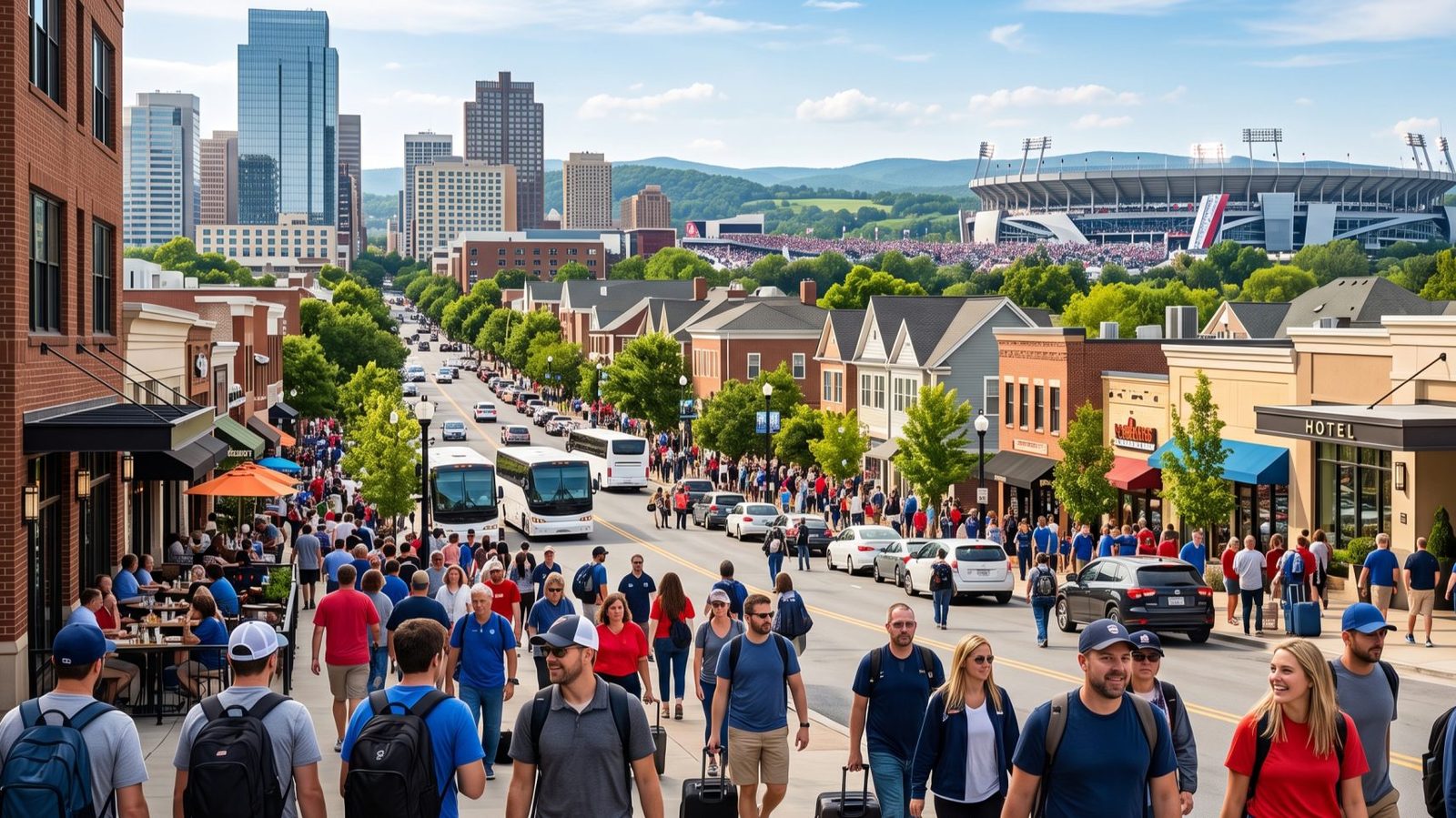
American travellers are entering the 2026–2027 winter holiday season with growing concerns about inflation, outstanding travel debt and the affordability of family holidays, according to the latest findings from personal finance platform WalletHub.
The 2026 Winter Travel Survey, published on 14 October, found that 49% of Americans believe inflation will ruin their winter travel plans, while 30% are still carrying debt from journeys taken during the previous winter.
Advertisement
Advertisement
The findings highlight a significant financial challenge facing the US travel industry as the Thanksgiving, Christmas and New Year travel periods approach.
Although Americans remain interested in travelling, their ability to finance holidays without accumulating additional debt is becoming an important consideration. Airlines, hotels, travel agencies and holiday destinations may consequently face growing demand for transparent pricing, flexible booking arrangements and affordable travel packages.
Advertisement
Advertisement
Inflation Threatens Holiday Travel Plans Across the United States
Inflation remains one of the most important concerns for Americans preparing to travel during the coming winter season.
WalletHub’s research found that 49% of respondents believe inflation will undermine their travel plans. This reflects wider concerns about the cumulative cost of flights, accommodation, ground transportation, meals and holiday activities.
Advertisement
Advertisement
For families travelling during Thanksgiving and Christmas, several expenses often arise simultaneously. Airfares and hotel rates can account for a substantial portion of a holiday budget, while additional spending on entertainment, dining and seasonal shopping can increase the overall cost.
The survey also revealed differences in expected spending patterns. While 45% of respondents expect to spend approximately the same amount as last winter, 33% anticipate spending more and 22% plan to spend less.
Advertisement
Advertisement
These figures suggest that financial pressure does not necessarily mean Americans will abandon winter holidays altogether. Some may instead shorten their trips, select less expensive accommodation or reduce discretionary spending.
For tourism businesses, this creates an opportunity to promote affordable experiences without compromising the quality of the visitor journey.
Thirty Per Cent of Americans Still Carry Winter Travel Debt
One of the survey’s most significant findings concerns the financial consequences of previous winter holidays.
WalletHub reported that 30% of Americans surveyed are still carrying debt from winter travel undertaken last year.
Advertisement
Advertisement
This indicates that holiday spending can continue affecting household finances long after travellers return home.
Using credit cards to pay for flights, hotel reservations, car rentals and leisure experiences can provide immediate convenience. However, unpaid balances may accumulate interest, making the total cost of a holiday considerably higher than its original advertised price.
The survey also found that 30% of respondents believe winter travel is worth going into debt for, while 70% disagree.
The results underline a tension between the desire to spend time with family, enjoy seasonal experiences and maintain financial security.
For the travel industry, this makes affordability and clear communication increasingly important. Travellers may respond positively to providers that explain additional charges, offer flexible payment arrangements and make total booking costs easier to understand.
Credit Card Rewards Become a Winter Travel Planning Strategy
As Americans search for ways to manage holiday expenses, credit card rewards are becoming part of their financial planning.
Advertisement
Advertisement
According to WalletHub, 34% of respondents intend to apply for a new credit card to save money on winter travel.
Additionally, 57% plan to redeem existing credit card rewards to support winter holiday spending.
These results suggest growing interest in using loyalty points, travel miles and introductory card bonuses to offset the cost of accommodation, flights and other expenses.
Alongside the survey, WalletHub highlighted its updated Best Travel Credit Cards recommendations.
The company identified the Capital One Venture Rewards Credit Card as its preferred option for winter travel, citing introductory rewards potentially worth more than $1,000 towards travel, earning opportunities on purchases, flexible redemption arrangements and the absence of foreign transaction fees.
However, such benefits depend on eligibility, spending requirements and the card’s current terms. Introductory rewards are not automatically available to every applicant, while annual fees and interest charges can reduce their overall value.
Advertisement
Advertisement
Travellers should therefore examine the complete cost of a credit card rather than relying exclusively on advertised rewards.
More Than One in Four Americans Find Winter Travel Financially Stressful
Financial anxiety is another prominent theme in WalletHub’s latest findings.
The survey revealed that 27% of Americans consider winter travel very stressful financially.
Another 37% described it as somewhat stressful, while 36% reported experiencing no financial stress from winter travel.
These results indicate that nearly two-thirds of respondents experience at least some degree of financial pressure when planning seasonal journeys.
Winter holidays can involve numerous competing financial priorities, particularly for households balancing travel expenses with gift purchases, everyday living costs and existing debt repayments.
Advertisement
Advertisement
For families travelling together, additional costs associated with baggage, airport transfers, larger hotel rooms and dining can make budgeting more challenging.
Tourism businesses may benefit from responding to these concerns through upfront pricing, clearly explained cancellation conditions and accommodation options across different price categories.
Such measures do not eliminate financial pressure, but they can help travellers make more informed purchasing decisions.
Budgeting Applications Gain Attention Among American Travellers
Digital financial planning tools are emerging as another consideration for the winter holiday market.
WalletHub found that 35% of respondents intend to use a budgeting application when planning their next holiday.
These applications can help travellers organise expenses, establish spending limits and track transactions before and during their journeys.
Advertisement
Advertisement
For example, travellers can allocate separate budgets for transport, accommodation, food, sightseeing and unexpected costs.
Budgeting tools may also help identify expenses that are easily overlooked, including resort fees, local taxes, parking charges and optional travel activities.
The findings suggest opportunities for travel companies to provide clearer booking estimates and more useful cost information at the planning stage.
Travel agencies and online booking platforms can support customers by presenting inclusive prices, comparing alternative itineraries and explaining refund policies.
Travel Insurance and Digital Technology Influence Holiday Decisions
The survey also examined attitudes towards travel insurance and emerging technologies.
Fourteen per cent of respondents considered travel insurance a necessity, while 53% described it as something that would be nice to have.
Advertisement
Advertisement
Meanwhile, 19% regarded it as a waste of money and another 14% believed it was not worth purchasing.
These differing opinions demonstrate that travellers approach financial protection according to their individual circumstances and perceptions of risk.
Travel insurance may provide protection against certain covered disruptions, medical emergencies or cancellations, depending on the policy.
Travellers should review exclusions, eligibility requirements and coverage limits before purchasing insurance.
Artificial intelligence is also entering holiday planning discussions. WalletHub found that 36% of respondents would allow AI to plan and book an entire trip, while 64% would not.
The findings suggest that although automated travel services are attracting interest, many consumers remain cautious about giving technology complete responsibility for their bookings.
Advertisement
Advertisement
Thanksgiving and Christmas Travel Demand Faces a Test of Affordability
The survey arrives ahead of two major travel periods in the United States.
Thanksgiving falls on 26 November 2026, followed by Christmas on 25 December and New Year’s Day on 1 January 2027.
These occasions traditionally encourage family visits, leisure breaks and international holidays.
However, WalletHub’s research indicates that the financial decisions surrounding winter travel may be just as important as destination preferences.
Travellers seeking to control costs may compare alternative departure dates, avoid unnecessary additional services or select destinations that offer better overall value.
Domestic destinations accessible by road or rail may appeal to households seeking alternatives to expensive flights, although the relative cost will depend on the route, travel dates and group size.
Advertisement
Advertisement
International travellers may also examine exchange rates, local transport costs and accommodation prices when deciding where to spend their holidays.
For airlines, hotels and destination marketing organisations, communicating value could become an important part of attracting budget-conscious travellers.
“The latest WalletHub Winter Travel Survey highlights an important shift in how Americans are approaching their holiday journeys. Rising living costs and persistent financial pressures are encouraging travellers to make more informed choices without abandoning their desire to explore destinations, reconnect with families and enjoy memorable experiences.
At Travel And Tour World, we see this as an opportunity for the global tourism industry to strengthen its commitment to affordability, transparency and responsible travel planning. Airlines, hotels, destinations and travel agencies can support consumer confidence by introducing competitive packages, flexible options and meaningful savings.
The growing interest in budgeting applications and travel rewards also demonstrates how financial awareness is becoming an essential part of modern tourism. Winter travel should remain an enjoyable experience rather than a long-term financial burden. By balancing innovation, accessibility and genuine customer value, the travel industry can encourage sustainable demand and help more people experience the joy of travelling.”
— Anup Kumar Keshan, Founder and Editor-in-Chief, Travel And Tour World
Advertisement
Advertisement
Responsible Financial Planning Remains Central to Winter Holidays
WalletHub Managing Editor John Kiernan emphasised the importance of budgeting and using travel rewards without allowing additional borrowing to create long-term financial difficulties.
His advice highlights a distinction between taking advantage of credit card benefits and financing a holiday through balances that cannot be repaid promptly.
Although rewards programmes can reduce travel expenses, interest charges may quickly outweigh the financial advantages.
The survey’s findings also require careful interpretation. WalletHub based its analysis on an online sample of more than 200 respondents, weighted by age, gender and income. The results provide an indication of consumer sentiment rather than a definitive forecast of national travel bookings or expenditure.
Nevertheless, the research identifies several issues that travel businesses should monitor: price sensitivity, reliance on credit cards, financial stress and growing use of digital budgeting tools.
As the 2026 winter holiday season approaches, consumers will need to balance the emotional value of travel with practical financial considerations.
Advertisement
Advertisement
WalletHub’s 2026 findings show that inflation, outstanding debt and financial stress are reshaping American winter travel decisions. Despite affordability concerns, holiday travel remains important, encouraging travellers to explore rewards, budgeting tools and economical alternatives. For tourism businesses, transparent pricing and genuine value will be essential during the upcoming season.
Advertisement
