
Australia’s Western Sydney Airport Reveals Remarkable Facilities for Families and Disabled Travellers

Updated
Published
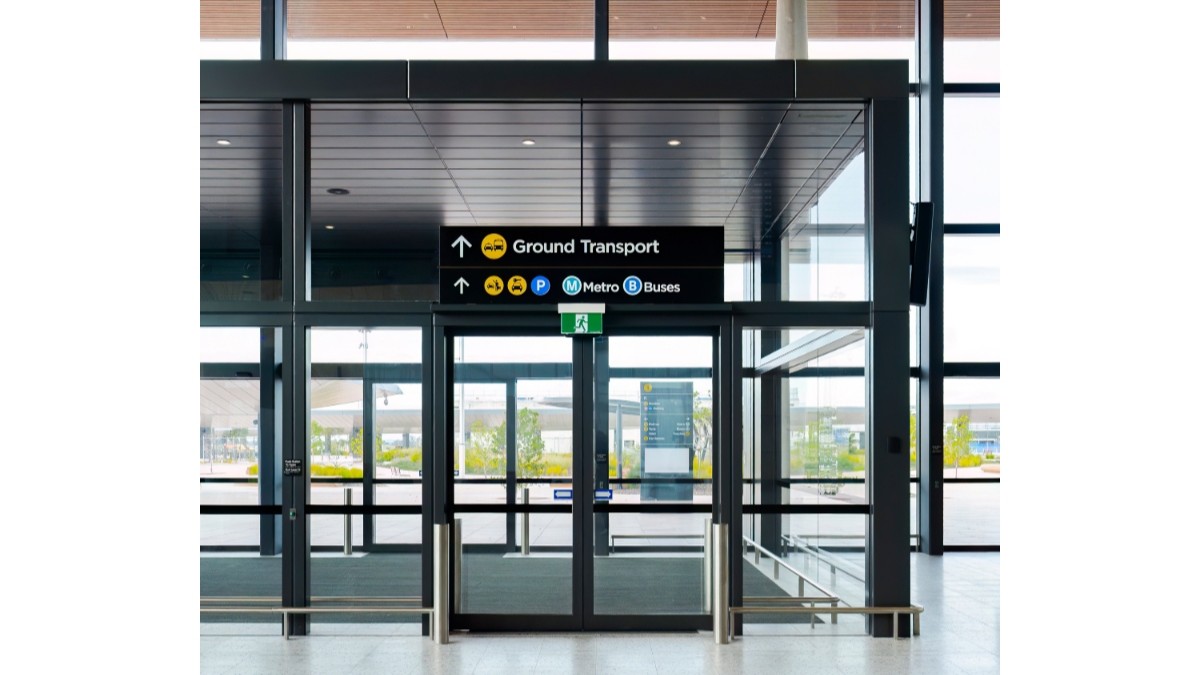
Accessibility has been placed at the centre of Western Sydney International Airport, where a range of passenger facilities has been unveiled to support families, disabled travellers and people with diverse needs. At Australia’s first major greenfield airport in more than 50 years, inclusive design has been incorporated from the outset rather than added later.
Sensory spaces, hearing assistance, accessible bathrooms, family rooms and dedicated kerbside bays have all been included in the terminal. The announcement matters because airport journeys can involve complex mobility, communication and care requirements, and these facilities are intended to make those journeys more comfortable and independent.
Inclusive Airport Design Connects Kerbside Access with Aircraft Boarding
Western Sydney International Airport has been designed to address accessibility throughout the passenger journey, including the transition between ground transport and the terminal. Dedicated kerbside bays have been positioned close to arrivals and departures for accessible passenger drop-offs and collections. These arrangements are intended to reduce barriers where luggage, mobility aids and transport can pose challenges.
Inside the terminal, accessible wayfinding has been integrated alongside support areas for people with reduced mobility. A lift has also been provided at every gate, allowing wheelchairs to be moved carefully towards the tarmac and aircraft. The arrangement forms part of the wider airport facilities for disabled travellers described in the announcement.
Advertisement
Advertisement
Airport chief executive Simon Hickey indicated that inclusion had guided decisions about infrastructure, technology and passenger services. Rather than relying solely on specialist rooms, accessibility has been addressed across the terminal’s everyday layout and operations.
Innovative Sensory Rooms and Assistance Animal Facilities Enhance Passenger Comfort
Therapeutic Sensory Spaces Support Travellers Experiencing Stress
Advertisement
Advertisement
Dedicated sensory spaces have been provided in domestic and international areas for travellers affected by anxiety or sensory stress. Developed by Creative Sensory Spaces, the rooms have been designed as calming, therapeutic environments rather than conventional waiting areas. Colour-changing lighting, meditative music, soothing sounds and relaxation loungers are among the features incorporated to accommodate different sensory profiles.
The provision demonstrates how sensory rooms at airports can give passengers space to reset and continue their journeys more confidently. The spaces have been designed to accommodate varied sensory needs in busy travel environments.
Advertisement
Advertisement
Dedicated Relief Rooms Support Accredited Assistance Animals
Separate wheelchair-accessible pet relief rooms have been provided for arriving and departing passengers travelling with accredited assistance animals. Artificial grass areas, water bowls, waste bags and handwashing facilities have been included to support animal wellbeing and practical care. Such spaces extend airport facilities for disabled travellers beyond the needs of passengers alone.
Advanced Hearing Technology and Multi-Faith Spaces Promote Inclusive Travel
Beyond sensory rooms at airports, communication has been considered within the terminal’s digital design. Information is intended to be delivered through screens, digital platforms and hearing loop technology, so passengers with different communication requirements can access updates. This multi-format approach is intended to support greater independence when navigating the terminal.
The Audio Frequency Induction Loop System, or AFILS, has been installed to help passengers with compatible hearing aids or cochlear implants receive live announcements and public address messages. The system can be used when devices are switched to the T setting or telecoil position.
Advertisement
Advertisement
Multi-faith prayer rooms, quiet rooms and adjacent ablution spaces have also been incorporated. Passengers from different faith backgrounds will be able to pray, reflect or meditate, while ritual washing can be undertaken in adjacent purpose-built facilities. These provisions recognise that inclusive travel extends beyond physical mobility and encompasses personal beliefs and quieter forms of passenger support.
Family-Friendly Amenities and Specialist Accessibility Facilities Strengthen Airport Infrastructure
Comfortable Family Rooms and Changing Places Bathrooms
Family-friendly airport facilities have been incorporated to provide privacy and convenience for parents and carers. Dedicated family rooms contain curtained areas, comfortable armchairs, built-in changing tables, sinks, microwaves and Zip taps dispensing instant hot and chilled water. Feeding, changing and caring for infants can therefore be undertaken in spaces intended for those needs.
For people with complex disabilities or high support requirements, Changing Places bathrooms have been included in both arrivals and departures. Additional space, equipment and room for carer assistance have been provided beyond that available in standard accessible toilets. Accessible toilets are distributed throughout the terminal.
Industry Partnerships Support Accessibility Planning and Staff Training
The airport’s Access and Inclusion Strategy was developed with input from Get Skilled Access, the Australian Disability Network and Diversity Council Australia. The consultation was used to identify barriers, understand passenger requirements and inform staff training. Get Skilled Access co-chief executive Zack Alcott described the approach as an effort to support confidence, independence and dignity. Together, these measures connect family-friendly airport facilities with more specialised support.
Western Sydney International Sets Out Its Vision for Accessible Aviation in Australia
The accessibility programme at Western Sydney International Airport has been presented as a coordinated approach to passenger experience rather than a collection of isolated amenities. From kerbside access and gate lifts to hearing loops, sensory spaces and specialist bathrooms, different stages of travel have been considered.
Families, assistance animal users and passengers with complex support needs are among those addressed by the design. For Australia, the project provides an example of how accessibility can be planned into a major airport from its earliest development. The effectiveness of these provisions will be experienced through the journeys they are intended to support.
Advertisement
