
Kenya Storms with Morocco and More African Nations Unravelling Cross-Border Desert Eco-Tourism Places Tourists Haven’t Heard of in 2026

Published
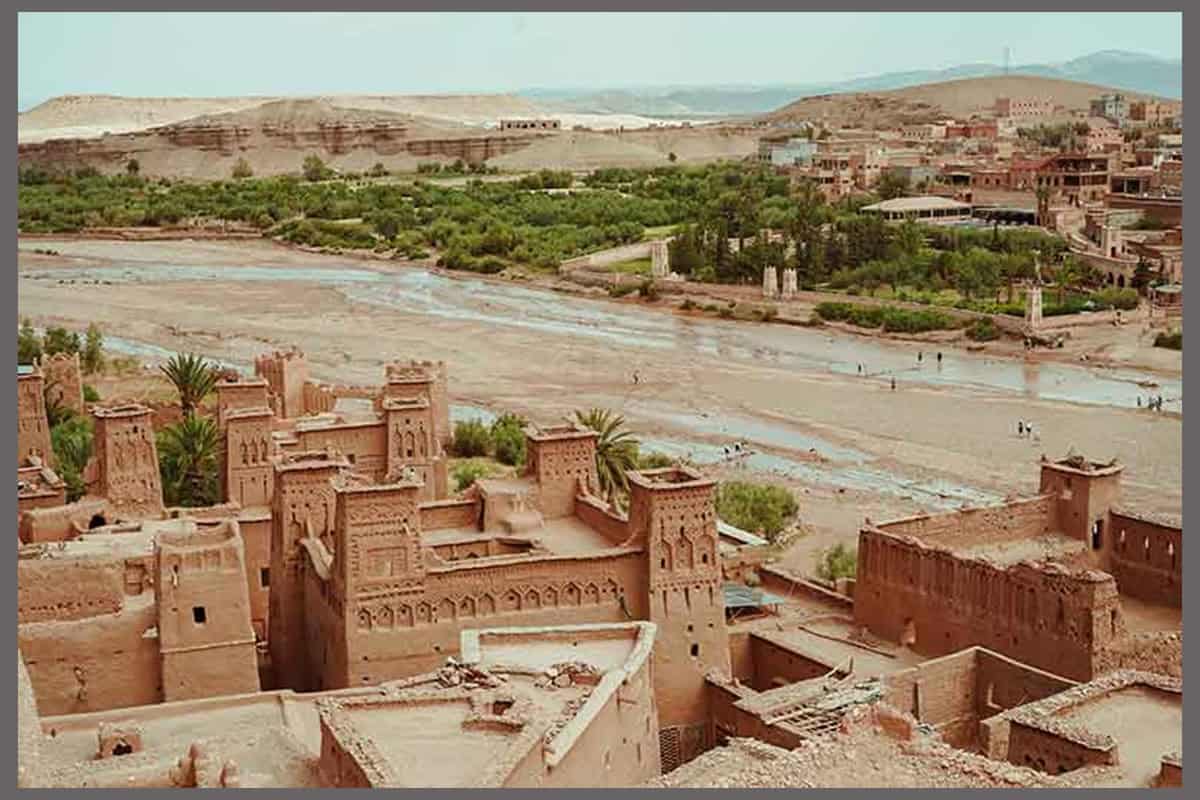
In 2026, the global travel landscape is shifting dramatically as African nations proudly champion sustainable adventures. Spearheading this revolution, Kenya storms with Morocco and other regional pioneers to unveil breathtaking cross-border desert eco-tourism places that remain largely undiscovered. For decades, traditional safaris dominated African itineraries. Today, travellers seek immersive, responsible experiences amidst vast, pristine arid landscapes. These emerging trans-national desert corridors not only promise awe-inspiring vistas but also empower local communities and protect delicate ecosystems. This strategic shift is transforming local economies, rewriting tourism blueprints, and inviting adventurous souls to explore uncharted, mystical terrains previously absent from global tourist maps.
Background: The Paradigm Shift in African Tourism
The landscape of global travel has irrevocably changed. As we navigate through the late months of 2026, travellers are increasingly turning their backs on congested urban centres and over-commercialised coastal resorts. Instead, they are seeking profound, transformative experiences in some of the world’s most extreme and isolated environments. This monumental shift has given rise to cross-border desert eco-tourism places, a rapidly expanding niche that prioritises environmental conservation, cultural authenticity, and sustainable economic growth. Historically, African tourism was heavily dependent on traditional wildlife safaris in the savannahs or luxury beach holidays along the Indian Ocean. However, national tourism boards across the continent have acknowledged the necessity of diversifying their portfolios to prevent overtourism in legacy destinations and to distribute economic benefits more equitably across marginalised regions.
This evolution is not merely a passing trend but a calculated response to global macroeconomic and environmental pressures. With the global desert tourism market escalating to a staggering USD 204.01 billion in 2026, African nations are uniquely positioned to capitalise on their vast arid assets. Governments are moving away from extractive industries and high-density tourism models, embracing low-impact, high-value sustainable desert travel. By focusing on fragile desert biomes, these nations are turning barren landscapes into lucrative conservation zones, proving that ecological preservation and economic prosperity are not mutually exclusive.
Advertisement
Advertisement
Kenya’s Northern Frontier: The Untapped Chalbi Desert
For decades, Kenya’s tourism identity has been intrinsically linked to the Maasai Mara and the pristine beaches of Mombasa. However, 2026 has witnessed a radical pivot towards the nation’s rugged northern frontier. Spearheading this domestic and international drive is the promotion of the Chalbi Desert, a striking expanse located east and south-east of Lake Turkana, stretching between Marsabit and the Ethiopian border. In September 2026, the Kenya Association of Travel Agents (KATA) launched a comprehensive campaign to revitalise this northern corridor, urging travel operators to develop packages that extend far beyond the conventional safari.
Advertisement
Advertisement
This initiative is fundamentally reshaping Kenya desert eco-tourism. By unlocking the Chalbi Desert, Kenya is inviting eco-conscious travellers to experience a landscape characterised by bleached salt pans, volcanic craters, and shifting sand dunes. The government’s strategic push aims to distribute tourism revenues more widely, supporting accommodation providers, local guides, and marginalised communities in destinations that have historically received a fraction of the nation’s tourism traffic. This decentralisation is critical for the sustainable development of Kenya’s arid regions, ensuring that the economic dividends of tourism benefit those who have safeguarded these lands for centuries.
Lake Turkana’s Ecological Significance and Community Adaptation
Adjacent to the Chalbi Desert lies the mesmerising Lake Turkana, the world’s largest permanent desert lake. This region is a vital component of the emerging African desert eco-tourism circuit. However, it is also on the frontlines of climate change. Recent environmental shifts have drastically altered traditional livelihoods; extended droughts have decimated livestock, forcing traditionally pastoralist indigenous groups, such as the Dassanech and El Molo, to pivot towards fishing and, increasingly, eco-tourism.
The introduction of sensitive, community-led tourism frameworks provides a lifeline for these communities. By integrating cultural heritage into the tourism experience, visitors are educated on the profound resilience of these indigenous populations. The government’s eco-tourism blueprint ensures that revenue generated from visitors directly funds community adaptation programmes, clean water initiatives, and cultural preservation projects, making Lake Turkana a profound case study in how tourism can mitigate the devastating impacts of climate change.
Morocco’s Sahara Strategy: A Masterclass in Eco-Tourism
While Kenya pioneers the East African frontier, Morocco continues to dominate the North African landscape. Following a record-breaking surge that saw nearly 20 million visitors enter the country in 2025, the Moroccan Ministry of Tourism and the Moroccan National Tourist Office (ONMT) have aggressively expanded their Sahara Desert initiatives in 2026. The Moroccan Sahara spans approximately 40% of the nation’s total land area, encompassing around 170,000 square kilometres of diverse topography, from rocky hammadas to towering 150-metre sand dunes.
Advertisement
Advertisement
To alleviate pressure on historic imperial cities like Marrakech and Fes, Morocco has successfully diverted tourist footfall into its vast southern regions. This strategy relies heavily on the promotion of Morocco Sahara tourism, particularly through heavily regulated, sustainable desert camps. The journey to these remote outposts often involves traversing the Middle Atlas Mountains and the Ziz Valley, offering visitors a comprehensive masterclass in the country’s ecological diversity. By mandating strict environmental protocols for desert operators, Morocco ensures that its majestic landscapes remain untouched by the negative externalities of mass tourism.
Agafay to Erg Chigaga: Redefining Luxury and Sustainability
The implementation of Morocco’s eco-tourism policies is most visible in its diverse desert destinations, ranging from the accessible Agafay Desert to the remote dunes of Erg Chigaga. The Agafay Desert, an expanse of rocky, lunar-like hills located just outside Marrakech, has become a hub for innovative, low-impact luxury. Here, solar-powered eco-lodges utilise advanced water recycling systems and source organic produce from local oasis gardens, demonstrating that high-end hospitality need not come at the planet’s expense.
Further south, the towering dunes of Erg Chebbi and Erg Chigaga offer a more isolated sustainable desert travel experience. The government has recently cracked down on unregulated off-roading, promoting camel trekking and electric 4×4 vehicles instead. Standard and luxury desert camps—ranging from $40 to $400 per night—are now required to adhere to rigorous waste management and energy efficiency standards. These camps frequently collaborate with nomadic Amazigh (Berber) families, providing authentic cultural exchanges that celebrate traditional desert survival techniques while simultaneously generating vital income for the locals.
The Unravelling of Cross-Border Desert Eco-Tourism Places
Perhaps the most groundbreaking development in 2026 is the conceptualisation and implementation of cross-border eco-tourism initiatives. Recognising that deserts do not adhere to modern geopolitical boundaries, African nations are increasingly collaborating to create seamless, transnational tourism corridors. These initiatives allow travellers to traverse contiguous arid landscapes across multiple countries, experiencing a holistic narrative of the African desert biome.
Advertisement
Advertisement
For instance, the northern frontiers of Kenya naturally blend into the southern expanse of Ethiopia, creating an uninterrupted geological and cultural continuum. Similarly, North African nations are exploring multilateral frameworks to facilitate cross-border Sahara expeditions. These cross-border desert eco-tourism places are designed to be friction-free, utilising harmonised eco-visas and joint conservation task forces to manage the movement of tourists. This unprecedented level of diplomatic and environmental cooperation is setting a new global standard for how neighbouring countries can leverage shared natural assets for mutual economic benefit.
Seamless Regional Connectivity Across Africa
The success of these cross-border initiatives is heavily reliant on the rapid expansion of regional connectivity. The operationalisation of the Single African Air Transport Market (SAATM) and the broader African Continental Free Trade Area (AfCFTA) has dramatically reduced the bureaucratic hurdles associated with transnational travel. Regional airlines are expanding their networks; for example, Skyward Airlines and IFly Air Solutions have established critical connections into Kenya’s north-western and north-eastern frontiers. This aviation network seamlessly connects remote desert airstrips with major international hubs, enabling high-net-worth eco-tourists to access previously unreachable destinations with ease.
Latest Official Developments and Government Announcements in 2026
The strategic push towards desert eco-tourism aligns perfectly with the latest macroeconomic data. In September 2026, UN Tourism reported that global international arrivals grew by a modest 0.4% in the first half of the year, as geopolitical conflicts in the Middle East and persistent inflationary pressures tested the sector’s resilience. The report noted that tourists are actively seeking value-for-money destinations and safe, remote environments away from traditional conflict zones.
African governments have been quick to respond to this shift in consumer sentiment. Ministries of Tourism across the continent have issued a flurry of announcements in late 2026, outlining generous tax incentives for private investors willing to build sustainable lodges in arid regions. Furthermore, environmental ministries have gazetted new protected desert areas, strictly limiting the carrying capacity of tourists to ensure that delicate sand dune ecosystems and scarce oasis water tables are not depleted.
Advertisement
Advertisement
Namibia, Egypt, and Botswana: The Wider African Movement
While Kenya and Morocco are capturing the headlines, the movement towards sustainable desert travel is continent-wide. Namibia, home to the ancient Namib Desert, has long been a pioneer in this space. In 2026, the Namibian government further tightened its world-renowned community-based natural resource management (CBNRM) programmes, ensuring that every tourist dollar spent in places like Sossusvlei directly funds anti-poaching units and community healthcare.
Egypt has similarly begun to market its Western Desert as a premier eco-tourism destination, moving the spotlight away from the heavily trafficked Nile Valley. Meanwhile, in Southern Africa, Botswana’s Kalahari Desert is witnessing a surge in low-impact, high-yield tourism. These nations collectively understand that eco-tourism destinations situated in deserts require a vastly different management approach compared to traditional wetlands or savannahs, demanding absolute zero-waste policies and extreme water conservation measures.
The Namib Desert Ecosystem and Conservation Protocols
The Namib Desert serves as a critical benchmark for newly developing African desert eco-tourism locations. The region’s strict adherence to carrying capacity limits ensures that the fragile lichen fields and unique desert-adapted wildlife—such as the elusive desert elephant—remain undisturbed. Government protocols mandate that all permanent tourism structures must be fully removable, leaving zero physical footprint upon decommissioning. This philosophy of transient architecture is now being aggressively adopted by Kenya and Morocco as they build out their respective desert tourism infrastructure.
Economic Implications: A $204 Billion Global Market
Advertisement
Advertisement
The economic ramifications of this tourism pivot are staggering. According to a late 2026 report by Straits Research, the global desert tourism market size is projected to reach USD 204.01 billion this year, up from USD 196.07 billion in 2025, with expectations to soar to USD 280.28 billion by 2034. Africa is strategically positioning itself to capture a dominant share of this expanding pie.
The influx of foreign exchange generated by high-end eco-tourism is vital for stabilising local currencies and servicing national debts. More importantly, desert tourism is highly labour-intensive at the local level. From specialised desert guides and 4×4 drivers to camp managers, chefs, and anti-poaching rangers, the sector is driving massive employment in rural areas where alternative job opportunities are virtually non-existent. This direct economic injection helps to stem the tide of rural-to-urban migration, keeping ancestral communities intact.
Tourism and Business Impact in the Post-Pandemic Era
The business ecosystem surrounding African travel has been completely reconfigured. Modern tourists, suffering from digital fatigue and urban burnout, are demanding extreme digital detoxes and profound isolation—commodities that vast deserts offer in abundance. Consequently, international tour operators are rapidly overhauling their brochures.
Moreover, corporate travel has found a new frontier in the desert. High-level corporate retreats and team-building expeditions are increasingly being hosted in luxury Saharan camps or along the shores of Lake Turkana. Events like the Moroccan Odyssey 2026, a gruelling 12-day motorcycle expedition through the Atlas Mountains and the Sahara, highlight the growing demand for adventure-based corporate and group travel. This diversification ensures a steady stream of revenue year-round, mitigating the traditional seasonality associated with African tourism.
Empowering Indigenous Communities: The Core of Desert Eco-Tourism
Advertisement
Advertisement
True sustainability in tourism cannot exist without the total enfranchisement of indigenous populations. The development of cross-border desert eco-tourism places in 2026 places local communities at the absolute centre of the business model. In Kenya’s northern regions and Morocco’s Saharan provinces, land is often leased directly from community trusts rather than purchased outright by foreign developers.
This model ensures a perpetual stream of passive income for local villages. Furthermore, eco-lodges are contractually obligated to source a significant percentage of their operational materials and workforce locally. Community-led conservation is not just a buzzword; it is the fundamental operational matrix. Indigenous trackers, who possess an intimate, generational knowledge of the arid landscapes, are employed as head guides, commanding premium salaries and earning global respect for their unparalleled expertise.
Preserving Nomadic Heritage Amidst Climate Shifts
The cultural preservation aspect of this tourism boom cannot be overstated. As climate change renders traditional nomadic pastoralism increasingly unviable, ancient ways of life are at risk of extinction. By integrating these communities into the eco-tourism value chain, governments are providing a mechanism for cultural survival. Tourists visiting these remote outposts are treated to authentic storytelling, traditional music, and ancient desert navigation techniques, ensuring that the rich tapestry of African nomadic heritage is celebrated, monetised ethically, and preserved for future generations.
Policy Implications: Balancing Growth with Conservation
The explosive interest in sustainable desert travel presents a complex regulatory challenge for African policymakers. The primary concern is preventing the very degradation that tourists are paying to escape. To combat this, governments in 2026 have instituted stringent legislative frameworks. Environmental Impact Assessments (EIAs) for new desert lodges are notoriously rigorous, requiring exhaustive proof of water neutrality and renewable energy reliance.
Advertisement
Advertisement
Furthermore, national park authorities are implementing dynamic pricing models and strict daily visitor caps to prevent overcrowding in sensitive arid zones. Waste management policies in these regions are absolute; operators must physically remove all non-biodegradable waste from the desert ecosystem. These heavy-handed policy implications ensure that the pursuit of economic growth does not compromise the ecological integrity of the continent’s most fragile biomes.
Infrastructure and Aviation Connectivity
Developing tourism in the desert requires highly specialised infrastructure. Unlike traditional tourism hubs, these arid regions cannot support massive concrete developments or sprawling road networks. Instead, 2026 has seen a surge in investments in low-impact infrastructure. Upgraded, all-weather gravel airstrips are replacing disruptive tarmac roads, allowing light aircraft to deliver tourists directly into the heart of the desert without scarring the landscape.
Additionally, the transition to sustainable ground transport is accelerating. Many premium eco-camps have completely phased out diesel vehicles, relying exclusively on solar-charged electric 4x4s for desert excursions. This not only eliminates carbon emissions in pristine environments but also allows for silent desert exploration, drastically reducing noise pollution and enhancing the overall wilderness experience for the traveller.
The Climate Change Challenge and Adaptive Tourism
Deserts are expanding globally, and the African continent is bearing the brunt of severe climate anomalies. Paradoxically, African desert eco-tourism is emerging as a critical tool for climate adaptation. The revenues generated from high-value tourism are actively ring-fenced to fund regional climate resilience projects. These include the construction of sand-dams, the planting of drought-resistant indigenous flora to combat desertification, and the deployment of advanced water desalination technologies for local communities.
Advertisement
Advertisement
Tourists themselves are increasingly seeking educational experiences regarding climate change. Lodges have transformed into impromptu research stations, where guests can participate in citizen science projects, monitoring water tables and wildlife migration patterns. This participatory approach transforms the traditional tourist into an active stakeholder in the fight against climate change.
Expert Statements and Official Endorsements
The global community has firmly endorsed this new direction in African travel. While addressing the resilience of the tourism sector in September 2026, UN Tourism officials noted that the future of travel depends on diversifying into less-congested, resilient regions. Similarly, the Kenya Association of Travel Agents has publicly stated that the northern frontier offers an unprecedented opportunity to redefine the Kenyan brand, distributing wealth to regions that have historically been sidelined.
Moroccan tourism officials have echoed this sentiment, officially stating that their long-term strategy relies on pushing the boundaries of traditional tourism southwards into the Sahara, ensuring that the economic miracle of Moroccan tourism benefits the deep interior just as much as the coastal cities.
Strategic Collaborations and Private Sector Investment
The rapid unravelling of these cross-border desert eco-tourism places is fueled by unprecedented Public-Private Partnerships (PPPs). International luxury brands, renowned for their sustainability credentials, are partnering with African governments to construct state-of-the-art desert facilities. These collaborations bring vital foreign direct investment, advanced green technologies, and global marketing muscle to the continent.
Advertisement
Advertisement
Moreover, international financial institutions and global conservation NGOs are providing blended finance solutions, underwriting the financial risks associated with building infrastructure in such extreme, isolated environments. This confluence of government policy, private capital, and NGO oversight is creating a robust, failsafe ecosystem for sustainable tourism development.
Future Outlook: The Roadmap for 2030 and Beyond
As 2026 draws to a close, the trajectory for African desert tourism is unequivocally upward. The successful pioneering of Kenya desert eco-tourism and the continued dominance of Morocco Sahara tourism serve as irrefutable proof of concept. Looking towards 2030, we can expect the formalisation of massive, multi-country desert conservation areas, seamless trans-national visa systems, and the total decarbonisation of the desert tourism supply chain.
By leaning into their most extreme landscapes, African nations are not just capturing a lucrative segment of the global market; they are fundamentally redefining what luxury travel means in the 21st century. The desert is no longer viewed as a barren wasteland to be avoided, but rather as a sacred, fragile ecosystem to be revered, protected, and experienced in its purest form.
Advertisement
