
United States Travel Alert: How Emerging El Niño Could Shift the 2026 Atlantic Hurricane Season and Raise Early Tropical Storm Risks—What Travelers and Coastal Businesses Should Watch

Published
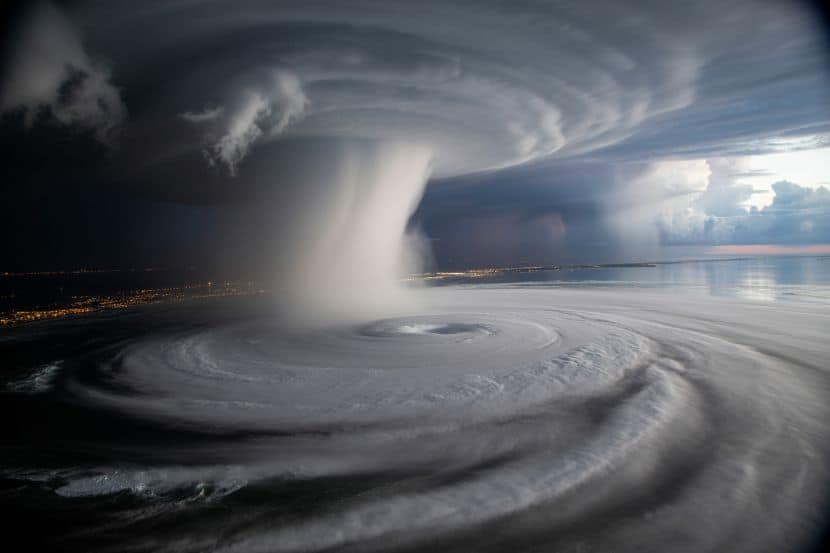
A developing El Niño weather pattern is creating an unusual conversation ahead of the 2026 Atlantic hurricane season: fewer storms may not necessarily mean lower risk. While long-range forecasts increasingly point toward a quieter Atlantic compared with historical averages, meteorologists are closely monitoring a narrow early-season window that could still expose parts of the United States, especially Florida, the Gulf Coast, and the Southeast, to disruptive tropical weather.
The Atlantic season officially opens on June 1 and runs through November 30, yet forecasters are emphasizing that storm timing matters as much as storm totals. Historical climate behavior shows that strong El Niño years can occasionally produce tropical systems close to land before atmospheric suppression fully develops. These storms may not dominate headlines through extreme wind speeds, but they can generate damaging rainfall, coastal flooding, tornado outbreaks, transport disruption, and tourism losses across popular coastal destinations.
Advertisement
Advertisement
Why a Potential El Niño Is Not Eliminating Early Hurricane Concerns
The traditional expectation is simple: El Niño reduces Atlantic hurricane activity.
Warmer waters in the central and eastern Pacific alter global wind circulation, increasing vertical wind shear over the Atlantic basin. Those stronger upper-level winds make it harder for tropical disturbances to organize into hurricanes. Atmospheric conditions also become drier and less supportive of sustained thunderstorm growth.
Advertisement
Advertisement
Yet climate history offers a more nuanced picture.
Current NOAA outlooks indicate an 82% probability of El Niño developing between May and July 2026 and a 96% probability of persistence into Northern Hemisphere winter 2026–27. Scientists note that confidence in El Niño formation is rising, although confidence in its eventual intensity remains lower.
Advertisement
Advertisement
That timing creates a transitional phase during late spring and early summer when atmospheric suppression may not be fully established.
Forecast Snapshot: Atlantic Hurricane Season 2026
| Indicator | Forecast |
|---|---|
| Atlantic season dates | June 1 – November 30 |
| Probability of below-normal season | 55% |
| Forecast named storms | 8–14 |
| Forecast hurricanes | 3–6 |
| Forecast major hurricanes | 1–3 |
| Chance of above-normal season | 10% |
The Early-Season Threat That Coastal America Is Watching Closely
Meteorologists are increasingly discussing the possibility of nearshore tropical development, where storms emerge closer to the coastline rather than evolving over the open Atlantic.
This matters because shorter formation distances often reduce preparation time.
For tourism economies and coastal transport networks, even weaker tropical systems can trigger airport delays, cruise itinerary changes, beach closures, localized flooding, and interruptions to hospitality operations.
Historically, years transitioning toward stronger El Niño conditions have occasionally produced early-season systems affecting sections of the Gulf Coast and the Southeastern United States, even during seasons that later finished below average.
Areas Receiving Elevated Early Monitoring
| Region | Primary Concern |
|---|---|
| Florida | Heavy rain, localized flooding, tornado risk |
| Gulf Coast | Fast-developing coastal systems |
| Southeast United States | Inland flooding and infrastructure disruption |
| Caribbean monitoring zones | Potential source regions for early disturbances |
Hurricane Numbers Tell Only Part of the Story
One of the most misunderstood ideas in seasonal forecasting is the assumption that a below-average season equals a safe season.
Advertisement
Advertisement
Historical hurricane losses repeatedly show that a single landfalling storm can reshape an entire year economically and socially.
NOAA’s 2026 outlook projects lower-than-average activity compared with the 1991–2020 baseline of 14 named storms, seven hurricanes, and three major hurricanes, but forecasters continue emphasizing preparedness rather than complacency.
Climate experts also caution that climate systems remain highly dynamic. El Niño reduces probabilities—not guarantees.
What This Means for Travelers, Cruise Operators and Coastal Tourism
For travelers, the current forecast is not a signal to avoid summer trips. Instead, it highlights the importance of flexibility.
Beach destinations across Florida and the United States Gulf Coast remain open and active during early summer, but travel planning is becoming more weather-aware.
Travel advisors increasingly recommend checking cancellation terms, downloading emergency weather alert systems, and building flexibility into coastal itineraries.
Advertisement
Advertisement
Cruise passengers and leisure travelers may also benefit from choosing accommodations with clear storm policies and monitoring forecast updates within a week of departure rather than relying solely on seasonal outlooks.
Smart Travel Preparation Ahead of Hurricane Season
| Travel Category | Recommended Action |
|---|---|
| Flights | Monitor airline weather advisories |
| Hotels | Review cancellation and rebooking policies |
| Cruises | Expect itinerary flexibility |
| Road Trips | Identify alternate inland routes |
| International Visitors | Register for local alerts |
The Climate Story to Watch Through Summer 2026
The next several weeks may become more important than the season-wide forecast itself.
Ocean temperatures across the Pacific continue shifting toward El Niño conditions, and forecasters expect updated guidance as the season advances. Some climate models suggest stronger El Niño conditions could emerge later in 2026, but uncertainty remains around how intense that evolution becomes.
For now, the message emerging from weather agencies is clear: a quieter Atlantic outlook does not remove the possibility of high-impact tropical weather near U.S. coastlines during the opening phase of hurricane season.
Advertisement
