
Colombia Has Now Challenging Climate Conditions, Leading to Cautious Travel in Medellín and More Other Cities

Published
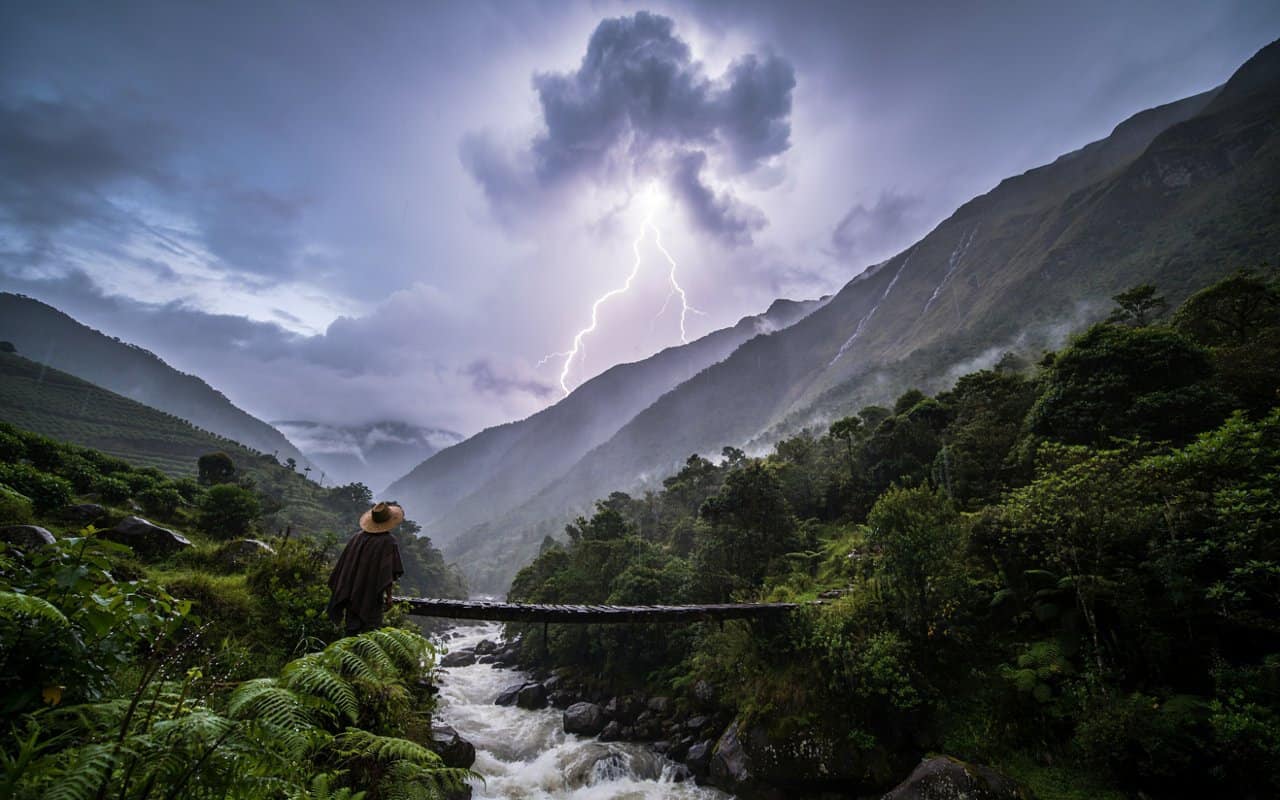
Image generated with Ai
Colombia remains a popular destination for autumn and Christmas travellers because of its historic cities, Caribbean coastlines, mountains and biodiversity. However, changing climate conditions, including stronger drought periods and elevated wildfire risks linked to El Niño conditions, have increased concerns for some regions during late 2026 and the holiday season.
Travellers should note that “unsafe” does not mean these destinations are closed or permanently dangerous. The risk varies by weather conditions, location, emergency response measures and local alerts. The following cities and tourism areas have been identified as places where visitors should monitor wildfire, drought, flooding, landslide or other natural hazard warnings before travelling.
Colombian Cities and Tourist Areas Facing Higher Natural Disaster Risks During Autumn and Christmas 2026
| City / Tourist Area | Region | Main Natural Hazard Risk During Autumn & Christmas | Why Risk May Increase | Travel Impact | Traveller Precautions |
|---|---|---|---|---|---|
| Bogotá | Cundinamarca / Andes | Wildfires, drought, water shortages, landslides in surrounding mountain areas | The Bogotá savanna and nearby Andean ecosystems can experience dry conditions during El Niño periods. Authorities have previously prepared for possible water stress because of reduced rainfall. | Possible disruption to outdoor activities, mountain excursions and air quality during nearby fires | Check local fire alerts, avoid restricted mountain trails, carry water and monitor weather updates |
| Villa de Leyva | Boyacá | Wildfires | The colonial tourism hotspot has already faced wildfire threats during dry conditions, with fires affecting surrounding vegetation and emergency operations. | Hiking, nature tours and countryside visits may face temporary restrictions | Avoid forest areas during fire alerts and follow municipal evacuation guidance |
| Medellín | Antioquia | Wildfires, landslides during sudden rainfall events | The Aburrá Valley combines steep terrain with changing rainfall patterns, creating risks from both dry-season fires and heavy rainfall events. | Mountain viewpoints, rural tours and nearby nature attractions may be affected | Monitor rainfall warnings and avoid unstable slopes |
| Cali | Valle del Cauca | Wildfires, drought, extreme heat | Western Colombia has been included among regions facing climate-related risks connected with reduced rainfall and wildfire threats. | Outdoor festivals, hiking routes and rural tourism could face interruptions | Check environmental alerts before visiting natural areas |
| Santa Marta | Magdalena | Wildfires, drought, water stress | Caribbean and northern Colombian regions are among areas exposed to reduced rainfall and water availability during strong El Niño conditions. | National park visits and coastal excursions may experience restrictions | Confirm park access and water availability before travel |
| Cartagena | Bolívar | Extreme heat, coastal weather risks, water stress | The Caribbean region faces climate pressure from heat and changing rainfall patterns. | Mainly affects outdoor comfort rather than city access | Plan sightseeing during cooler hours and stay hydrated |
| Barranquilla | Atlántico | Heatwaves, drought conditions | Northern Caribbean areas can experience prolonged dry periods during El Niño events. | Outdoor events may become uncomfortable during peak heat | Follow heat safety advice and monitor weather conditions |
| San Andrés Island | Caribbean Sea | Extreme weather, coastal hazards | Island destinations remain vulnerable to changing weather patterns and marine conditions. | Possible disruption to boat tours and beach activities during storms | Check marine forecasts before excursions |
| Manizales | Caldas | Landslides, heavy rainfall impacts | The mountainous Coffee Region has steep terrain, making rainfall-related landslides a recurring hazard. | Road travel and rural tourism may be affected after heavy rains | Check road conditions before mountain travel |
| Pereira / Coffee Region | Risaralda | Landslides, extreme weather changes | Mountain landscapes can face slope instability during intense rainfall events. | Coffee farms, hiking routes and countryside drives may experience delays | Use authorised tour operators and check conditions |
Which Colombian destinations face higher natural disaster concerns for autumn and Christmas travel?
Colombia is preparing for another busy holiday travel period as international and domestic visitors plan autumn escapes and Christmas vacations across historic cities, Caribbean beaches and mountain landscapes. However, changing weather patterns are creating new challenges for some popular destinations.
The country’s diverse geography means different regions face different natural hazards. The Andes are vulnerable to wildfires during dry periods and landslides during heavy rainfall. The Caribbean coast can experience extreme heat, drought conditions and pressure on water resources. Rural tourism areas may also face temporary restrictions when environmental conditions become dangerous.
Advertisement
Advertisement
Cities such as Bogotá, Villa de Leyva, Medellín, Cali and Santa Marta remain major tourism hubs, but surrounding landscapes require greater attention from travelers. Many attractions depend on outdoor access, including hiking trails, national parks, mountain viewpoints and countryside experiences.
Authorities have repeatedly encouraged visitors to follow official weather warnings and emergency guidance before traveling. Natural disasters are not constant threats across these destinations, but seasonal conditions can change quickly.
Advertisement
Advertisement
For Christmas travelers, the main concern is not necessarily avoiding Colombia entirely. Instead, the focus is understanding regional risks, choosing flexible itineraries and staying updated before visiting areas affected by extreme weather.
Why are Bogotá and nearby mountain areas being watched for wildfire risks?
Bogotá continues to attract millions of visitors each year with its museums, historic districts, cultural events and access to surrounding natural landscapes. However, the wider Cundinamarca region has experienced increasing attention because dry conditions can raise wildfire concerns across mountain and rural areas.
The city itself is highly urbanized, but many popular experiences around Bogotá involve outdoor locations. Travelers often visit páramos, hiking areas, forest reserves and mountain viewpoints. These environments can become vulnerable when rainfall decreases and vegetation becomes dry.
The surrounding Andean ecosystem is particularly sensitive because small fires can spread rapidly under windy and dry conditions. Smoke from nearby incidents may also affect air quality and visibility.
During autumn and Christmas periods, travelers should be cautious when planning excursions outside the capital. Hiking routes, ecological reserves and rural attractions may introduce temporary restrictions if authorities identify fire risks.
Bogotá remains an important gateway for Colombian tourism, but visitors should avoid entering restricted areas, follow park instructions and check environmental updates before leaving the city.
Advertisement
Advertisement
Could Villa de Leyva become a challenge for nature travelers during the holiday season?
Villa de Leyva is one of Colombia’s most famous colonial destinations, attracting visitors with its historic architecture, cobblestone streets, festivals and surrounding natural attractions. However, its dry landscapes and nearby vegetation areas make wildfire monitoring increasingly important during periods of reduced rainfall.
The Boyacá region has previously experienced wildfire emergencies affecting rural areas. The combination of dry grasslands, strong winds and limited rainfall can create conditions where fires spread quickly.
For tourists, the main impact could involve outdoor activities. Hiking, countryside tours, visits to natural attractions and rural accommodations may face temporary restrictions during periods of elevated danger.
Villa de Leyva’s popularity during Christmas and holiday periods means visitor numbers can increase when environmental conditions are already challenging. Travelers should avoid activities that increase fire risks, including unauthorized camping fires or entering closed areas.
The town itself remains a cultural destination, but visitors should separate urban sightseeing plans from outdoor adventures that depend heavily on weather conditions.
Are Medellín and Cali facing increased climate-related travel concerns?
Medellín and Cali are two of Colombia’s most important urban destinations, known for cultural attractions, gastronomy, nightlife and regional tourism connections. However, both cities are located near landscapes that can experience climate-related challenges.
Advertisement
Advertisement
Medellín’s Aburrá Valley is surrounded by steep mountains. This geography creates a dual risk pattern. During dry periods, vegetation can become vulnerable to fires. During intense rainfall, unstable slopes can increase landslide concerns.
Travelers visiting viewpoints, rural areas and nearby nature attractions should pay attention to local conditions. Mountain roads can be affected quickly when heavy rainfall triggers slope instability.
Cali, located in Valle del Cauca, also faces environmental challenges connected with drought conditions and wildfire risks. The city provides access to natural areas, including outdoor attractions that may be affected during extreme weather.
For visitors, the best approach is preparation. Checking local alerts before day trips, avoiding closed trails and maintaining flexible schedules can reduce disruption during unpredictable weather events.
Why should Caribbean destinations such as Santa Marta and Cartagena monitor heat and drought conditions?
Colombia’s Caribbean coast remains one of the country’s biggest tourism magnets. Santa Marta, Cartagena and Barranquilla attract international visitors seeking beaches, historic districts and coastal experiences. However, the region faces different environmental challenges compared with the Andes.
The Caribbean climate naturally includes warm temperatures, but prolonged dry periods can increase heat stress and put pressure on water supplies. Santa Marta is especially connected with nature tourism because of its proximity to protected areas and mountain ecosystems.
Advertisement
Advertisement
Travelers visiting coastal destinations during autumn and Christmas should prepare for high temperatures. Outdoor activities may become more demanding during peak afternoon hours. Visitors heading toward national parks or remote coastal areas should confirm access conditions and available services.
Cartagena and Barranquilla are less exposed to wildfire concerns inside urban areas, but heat and water conditions can influence visitor experiences. Long sightseeing days, outdoor events and excursions may require additional planning.
The region remains a major holiday destination, but climate awareness is becoming an increasingly important part of travel preparation.
Could Colombia’s Coffee Region experience travel disruptions from landslides?
The Coffee Region, including destinations around Manizales and Pereira, remains a favorite among travelers seeking coffee farms, mountain scenery and rural experiences. However, the region’s dramatic landscapes also create vulnerability to weather-related disruptions.
The steep terrain that makes the region visually attractive can also increase landslide risks during periods of intense rainfall. Roads connecting mountain communities, farms and tourism attractions may face temporary closures after heavy storms.
Travelers often explore the region through road journeys, hiking routes and countryside tours. These activities depend strongly on safe transport conditions.
Advertisement
Advertisement
Visitors should avoid rushing between destinations during severe weather and should rely on established transportation providers familiar with local conditions. Checking road updates before traveling between mountain towns can prevent unexpected delays.
The Coffee Region remains accessible for tourism, but seasonal weather awareness is essential for travelers planning longer itineraries.
What natural hazards should Colombia travelers monitor before Christmas 2026?
Travelers visiting Colombia during autumn and Christmas should monitor several environmental factors rather than focusing on a single threat. The country’s geography creates different risks depending on location.
Wildfires are the primary concern in some dry Andean and rural areas. Drought conditions may affect water availability in parts of the Caribbean and interior regions. Heavy rainfall can create landslide risks in mountain destinations.
The most important travel considerations include:
- Checking official weather and emergency updates before departure.
- Confirming access to national parks and protected areas.
- Avoiding restricted zones during wildfire alerts.
- Allowing extra time for mountain transportation.
- Carrying adequate water during hot-weather excursions.
- Purchasing travel insurance covering weather disruptions.
Modern travel planning increasingly requires awareness of environmental conditions. A destination can remain open while specific attractions or routes face temporary limitations.
Advertisement
Advertisement
How can visitors enjoy Colombia while reducing weather-related travel risks?
Colombia continues to offer diverse experiences for holiday travelers, from Bogotá’s cultural attractions to Caribbean beaches and coffee landscapes. Natural hazards are regional and seasonal rather than a nationwide travel barrier.
The safest approach is informed travel planning. Visitors should follow official recommendations, respect closure notices and avoid unnecessary risks in affected areas.
Flexible itineraries can help travelers adapt if weather conditions change. Choosing accommodations with reliable information services and working with experienced local operators can also improve travel confidence.
Autumn and Christmas remain important tourism periods for Colombia. While wildfire, drought and rainfall concerns require attention, responsible planning allows visitors to experience the country’s history, nature and culture with greater security.
The future of Colombian tourism will increasingly depend on climate awareness. Travelers who understand regional conditions can make better decisions while supporting destinations that continue to welcome visitors throughout the year.
Regions With Elevated Wildfire Concerns
Andean Tourist Corridor
The Andean region is among the areas requiring close monitoring because dry vegetation, mountain winds and reduced rainfall can increase wildfire spread. The risk is especially relevant for destinations surrounded by forests, grasslands and protected areas.
Advertisement
Advertisement
Popular tourist locations near Bogotá and Boyacá, including Villa de Leyva, have experienced wildfire pressure during dry periods. Authorities have warned that Colombia could see heightened fire activity as climate conditions become more extreme.
Caribbean Coast
Cities such as Santa Marta, Cartagena and Barranquilla are major Christmas holiday destinations. However, northern Colombia can experience high temperatures and reduced rainfall during El Niño periods. This may increase pressure on water resources and create uncomfortable conditions for travellers.
Coffee Region
The Coffee Triangle remains attractive for nature tourism, but mountain geography creates vulnerability. Heavy rainfall can trigger landslides, while dry periods can increase fire risks in surrounding rural landscapes.
Key Natural Hazards Travellers Should Watch Before Visiting Colombia
| Hazard | Most Affected Areas | Potential Travel Problems |
|---|---|---|
| Wildfires | Boyacá, Cundinamarca, Antioquia, Valle del Cauca | Trail closures, smoke, road restrictions |
| Drought | Caribbean, Andean regions | Water restrictions, heat stress |
| Landslides | Coffee Region, Andes | Road closures, delayed transport |
| Heavy Rainfall | Mountain areas | Flooding, damaged roads |
| Extreme Heat | Caribbean cities | Health risks during outdoor activities |
Colombia’s evolving climate conditions are creating new travel considerations across several important destinations. The cause is linked to changing weather patterns, including dry periods, wildfire risks and intense rainfall events affecting different regions. The answer for travellers is preparation, awareness and flexibility before visiting affected areas. The reason is simple: understanding local conditions helps reduce disruption while allowing visitors to experience Colombia responsibly. Cities such as Medellín, Bogotá and coastal destinations continue welcoming tourists, but climate awareness is becoming essential. Careful planning remains the key factor for safer and more comfortable journeys during the holiday season.
Advertisement
