
Liechtenstein Emerges as Europe’s Hidden Alpine Escape With Castles, Villages and Scenic Adventures for Curious Travellers: All You Need to Know

Published
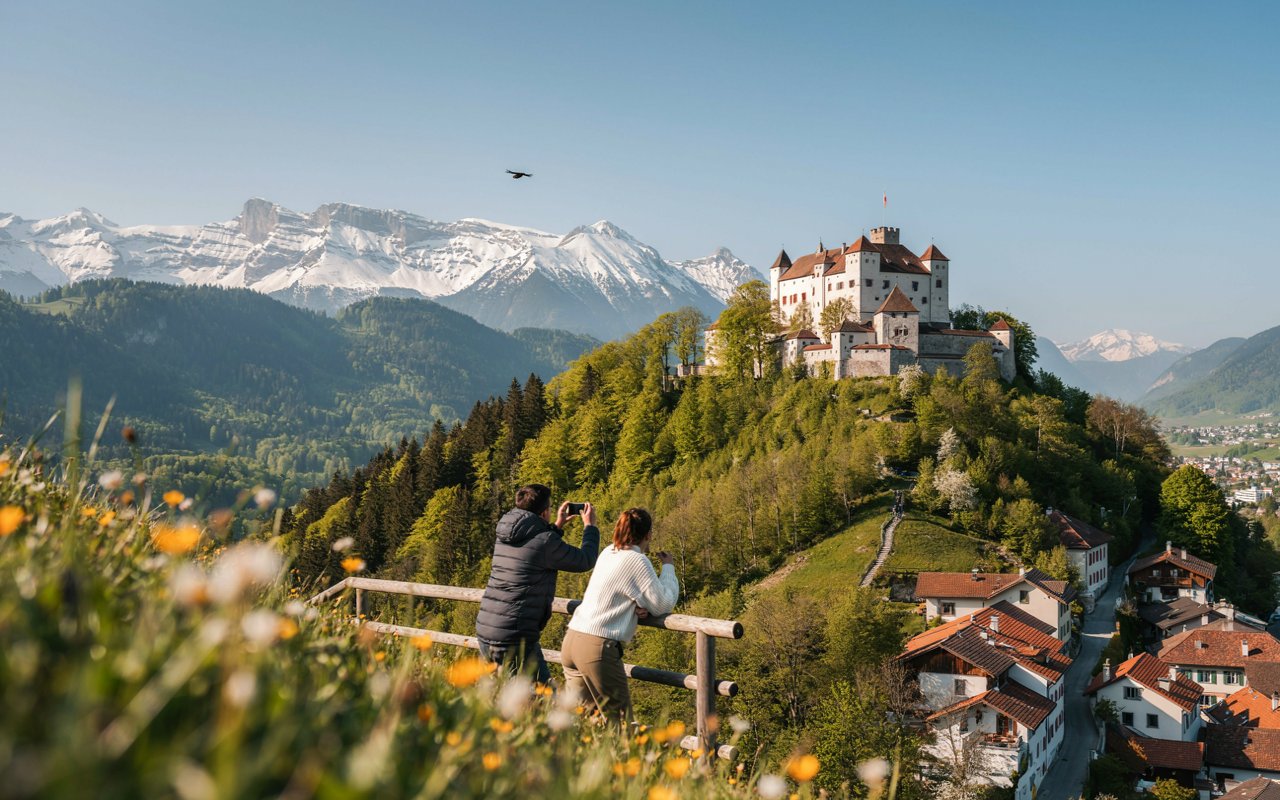
Liechtenstein is proving that size does not determine travel appeal. Located between Switzerland and Austria in the heart of the Alps, the small principality is gaining attention among travellers searching for peaceful landscapes, cultural discoveries and authentic European experiences.
Often overlooked on traditional European itineraries, Liechtenstein offers a different style of holiday. Instead of crowded attractions and busy city streets, visitors find mountain scenery, historic landmarks, charming villages and outdoor adventures within a compact destination.
Advertisement
Advertisement
The country’s appeal comes from its unique combination of Alpine nature, royal heritage, museums, hiking routes and easy access from neighbouring European regions. Liechtenstein Tourism highlights the destination’s short distances, cultural attractions and mountain experiences as key reasons for exploring the country.
For travellers building a European bucket list, Liechtenstein represents a chance to discover a lesser-known destination while experiencing the beauty of the Alps.
Advertisement
Advertisement
Why is Liechtenstein becoming an attractive alternative European destination?
Modern travellers are increasingly searching for places that offer authenticity rather than only famous landmarks. Liechtenstein fits this changing travel preference by providing a slower and more personal experience.
The country combines several travel experiences in one small area:
Advertisement
Advertisement
| Experience | What Travellers Can Discover |
|---|---|
| Alpine adventures | Hiking trails, mountain landscapes and winter activities |
| Heritage tourism | Castles, museums and historic sites |
| Cultural exploration | Art galleries, local traditions and architecture |
| Scenic travel | Valleys, viewpoints and peaceful villages |
| Short breaks | Compact itineraries suitable for two or three days |
Unlike larger European destinations where attractions may require long journeys, Liechtenstein allows visitors to experience nature and culture within a relatively short distance.
This makes the country particularly appealing for travellers combining it with Switzerland, Austria or wider Alpine journeys.
Advertisement
Advertisement
Vaduz showcases Liechtenstein’s royal heritage and cultural identity
The capital city of Vaduz serves as the cultural and political centre of Liechtenstein. Despite its small size, the city offers museums, public art, historic landmarks and views of the surrounding mountains.
One of the country’s most recognisable landmarks is Vaduz Castle, positioned above the capital on a hillside. The castle is the residence of the princely family and remains one of Liechtenstein’s strongest symbols.
| Vaduz Attraction | Visitor Experience |
|---|---|
| Vaduz Castle | Panoramic views and royal heritage |
| Liechtenstein National Museum | Country history and culture |
| Liechtenstein Art Museum | Modern and contemporary art |
| Städtle area | Walking, cafés and city exploration |
| Public sculptures | Outdoor art experiences |
The capital’s compact layout allows visitors to explore many cultural attractions on foot. Liechtenstein Tourism highlights Vaduz as a destination where museums, sculptures and cultural experiences are located close together.
Alpine villages reveal Liechtenstein’s natural beauty beyond Vaduz
While Vaduz introduces visitors to the country’s cultural side, Liechtenstein’s villages showcase its mountain character.
Advertisement
Advertisement
Communities such as Triesenberg, Malbun and Balzers provide access to dramatic landscapes, traditional architecture and outdoor activities.
| Village | Main Attraction |
|---|---|
| Triesenberg | Mountain views and Walser heritage |
| Malbun | Alpine resort experiences and hiking |
| Balzers | Gutenberg Castle and historic charm |
| Steg | Lakes, trails and mountain scenery |
Malbun is especially popular among visitors looking for Alpine experiences. The mountain village offers opportunities for hiking during warmer months and winter activities when snow covers the landscape.
The country’s hiking routes provide panoramic views across valleys and mountains, making Liechtenstein appealing for nature-focused travellers.
Vaduz Castle and Gutenberg Castle create a fairytale travel atmosphere
Liechtenstein’s castles add a historic dimension to its Alpine scenery.
Vaduz Castle dominates the skyline above the capital, while Gutenberg Castle in Balzers offers another important heritage attraction.
| Castle | Location | Importance |
|---|---|---|
| Vaduz Castle | Vaduz | Symbol of the principality and royal residence |
| Gutenberg Castle | Balzers | Medieval fortress with scenic surroundings |
Vaduz Castle dates back centuries, with origins believed to reach the medieval period. Although it is not open as a public interior attraction because it remains a residence, visitors can walk to viewpoints offering impressive views of the surrounding region.
Advertisement
Advertisement
These historic landmarks help create the image of Liechtenstein as a destination where Alpine landscapes meet European history.
Outdoor adventures make Liechtenstein appealing throughout the year
Liechtenstein’s mountains provide activities for travellers in every season.
Summer attracts hikers, cyclists and nature lovers, while winter brings visitors interested in snow-covered landscapes and mountain activities.
| Season | Popular Activities |
|---|---|
| Spring | Hiking and countryside exploration |
| Summer | Mountain trails, cycling and viewpoints |
| Autumn | Scenic walks and photography |
| Winter | Skiing, snow activities and Alpine escapes |
The country’s small size allows visitors to combine outdoor adventures with cultural sightseeing during the same trip.
For active travellers, Liechtenstein offers a quieter alternative to some of Europe’s busiest mountain destinations.
How Liechtenstein fits into wider European travel routes
Many travellers discover Liechtenstein as part of an Alpine itinerary connecting Switzerland and Austria.
Advertisement
Advertisement
Its location makes it suitable for visitors already exploring destinations such as Zurich, St. Gallen, eastern Switzerland or western Austria.
| Nearby Region | Travel Connection |
|---|---|
| Switzerland | Alpine landscapes and cultural routes |
| Austria | Mountain tourism connections |
| Germany | Extended European road trips |
| Italy | Wider Alpine journeys |
The destination works particularly well for travellers seeking hidden European experiences alongside more famous locations.
A visit to Liechtenstein can add variety to a European holiday by introducing a smaller country with a distinct identity.
Why hidden destinations like Liechtenstein are gaining popularity
Travel trends are increasingly moving towards meaningful experiences rather than only visiting globally famous attractions.
Smaller destinations offer:
- Fewer crowds
- Local cultural experiences
- Unique landscapes
- Authentic communities
- Slower travel opportunities
Liechtenstein represents this movement by offering visitors a chance to explore a country that feels different from traditional European city breaks.
Advertisement
Advertisement
The destination demonstrates how lesser-known locations can provide memorable experiences through nature, history and local culture.
Frequently Asked Questions
1. Is Liechtenstein worth visiting for tourists?
Yes. Liechtenstein offers Alpine scenery, cultural attractions, historic landmarks and outdoor activities, making it suitable for travellers seeking unique European experiences.
2. How many days are enough to explore Liechtenstein?
Many visitors explore the country during a short break of two or three days because attractions are located close together.
3. What is the most famous attraction in Liechtenstein?
Vaduz Castle is one of the country’s most recognisable landmarks and a symbol of Liechtenstein’s royal heritage.
4. Is Liechtenstein only a summer destination?
No. The country offers hiking and outdoor activities in warmer months and Alpine winter experiences during the colder season.
5. Can Liechtenstein be visited with Switzerland?
Yes. Many travellers combine Liechtenstein with Switzerland because of its location within the Alpine region.
Conclusion
Liechtenstein is redefining what a European getaway can be by offering travellers a rare combination of mountain landscapes, cultural treasures and peaceful exploration. The tiny Alpine nation proves that unforgettable journeys are not always found in the largest countries or busiest cities. With royal landmarks, scenic villages, hiking routes and authentic local experiences, Liechtenstein is emerging as a compelling choice for travellers searching for Europe’s hidden treasures.
Advertisement
