

Spain Aligns with Australia and More Defending Denied Boarding Rights Under EU Aviation Rules

Published
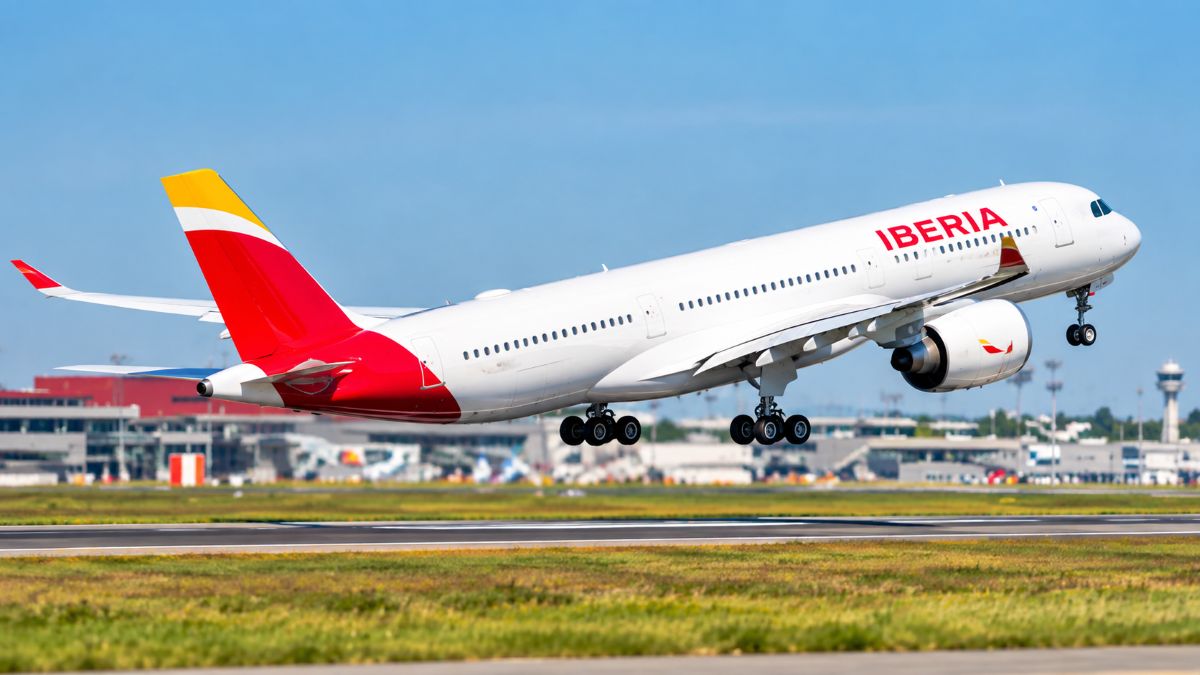
Spain stands alongside international consumer jurisdictions as cross-border air travel exposes critical gaps between third-party ticketing platforms and carrier operations. When Australian passenger Kym Illman arrived at Milan Malpensa Airport for a routine Iberia service bound for Madrid, ground agents turned him away under the assertion that his booking agent, Expedia, had failed to remit payment for the journey. Facing a sudden cancellation of his travel plans without immediate administrative recourse, the passenger was forced to arrange alternative flights out of Milan Linate via Brussels, suffering substantial financial inconvenience and reaching the Spanish capital more than six hours behind schedule.
The incident highlights the systemic operational tensions that arise when commercial passengers rely on third-party aggregators rather than direct booking channels. Although the ground staff originally attributed the refusal of carriage to missing payments from the agency, subsequent investigations revealed that the flight was fully booked. The airline ultimately conceded that overbooking, rather than financial default, caused the refusal of carriage. Under European consumer legislation, this distinction triggers mandatory financial recompense and care obligations, demonstrating the imperative need for travellers to understand regulatory protections when commercial carriers mischaracterise operational decisions.
Regulatory Realities Under European Passenger Protection Standards
The European Union established Regulation EC 261/2004 to defend passengers against arbitrary travel disruptions, creating enforceable protections across member states. The statutory framework strictly dictates that when a commercial carrier anticipates denying boarding on an oversold flight, it must initially call for volunteers willing to surrender their reservations in exchange for negotiated benefits. Only when an insufficient number of volunteers step forward may the operating airline deny passengers boarding against their will, at which point statutory compensation becomes immediately due alongside the statutory choice between a full refund or comprehensive rerouting.
Airlines frequently face volatile passenger attendance figures, relying on revenue management software to balance seat supply against historical no-show ratios. While commercial overbooking remains legal, the mischaracterisation of a fully booked flight as a payment dispute subverts the statutory procedures designed to protect consumers. Ground agents who shift accountability to third-party booking agents deny travellers the opportunity to request immediate on-site rebooking, hotel accommodation, or statutory refreshment vouchers. For international visitors unfamiliar with European administrative frameworks, such procedural failures cause extreme disruption and unnecessary out-of-pocket costs.
Advertisement
Advertisement
Evaluating Third-Party Intermediaries Versus Direct Airline Procurement
Procuring international flights through independent online travel aggregators presents distinct trade-offs between comparative pricing and customer service continuity. Travel platforms offer vast global flight comparisons, yet introducing an intermediary splits legal and contractual responsibilities. When operational disruptions emerge, passengers frequently find themselves trapped between disconnected call centres, with each party disclaiming liability.
| Booking Attribute | Direct Airline Procurement | Online Travel Agency Intermediary |
| Contractual Responsibility | Direct carrier liability for ticketing and schedule delivery | Split liability between merchant of record and operating carrier |
| Irregular Operations Support | Immediate on-site rebooking and local airport duty of care | Often redirected to call centre platforms for reissue authorisation |
| Regulatory Enforcement | Clear line of administrative complaints under EC 261 rules | Complex dispute resolution across disparate jurisdictions |
| Anomaly Resolution Speed | Rapid real-time seat reassignment at terminal service desks | Extended delays verifying financial clearinghouse confirmations |
The split responsibility becomes acute during ground disputes. Although ticket confirmations confirm reservation details, electronic ticketing requires financial validation within global distribution systems. If an airline ground desk encounters a ticketing anomaly, attributing systemic overbooking to third-party non-payment deprives the consumer of prompt operational remedies.
Advertisement
Advertisement
Practical Steps Following Disputed Refusal of Carriage
Navigating an unscheduled denial of boarding requires deliberate documentation. Passengers confronting disputed boarding status must remain composed while securing written confirmation from ground staff. European privacy rules constrain passenger video recordings at departure gates, making contemporary written documentation and digital timestamps paramount. Passengers should insist that ground agents record the explicit reason for denied carriage on customer service documentation before leaving the boarding area.
Travellers forced to purchase secondary tickets must preserve all boarding cards, luggage tags, transit receipts, and intermediary payment confirmations. In the Milan dispute, the carrier reimbursed the initial fare and honoured standard statutory financial penalties but contested local ground transfer expenses due to technical receipt anomalies. Meticulous retention of chronological paperwork ensures that regulatory consumer bodies can audit the dispute accurately.
Advertisement
Advertisement
Frequently Asked Questions
What statutory rights exist when an airline denies boarding due to overbooking in Europe?
Under European Regulation EC 261/2004, passengers involuntarily denied boarding are entitled to immediate statutory financial compensation, a choice between an immediate refund or alternative routing to their final destination, and obligatory care including food, drinks, and hotel accommodation where necessary.
Why do commercial airlines intentionally overbook scheduled services?
Airlines employ statistical capacity algorithms to offset anticipated passenger no-shows, attempting to maximise load factors and aircraft efficiency across commercial routes.
Advertisement
Advertisement
Can an airline legally refuse carriage by claiming an online travel agency failed to pay?
An airline may decline carriage if a ticket was never formally issued or validated by the ticketing entity; however, falsely asserting non-payment to conceal standard overbooking breaches consumer protection standards.
What financial compensation applies to short-haul European flight disruptions?
For flights covering distances of 1,500 kilometres or fewer, Regulation EC 261/2004 stipulates a fixed statutory compensation payment of €250 per passenger when involuntary denied boarding takes place.
How should a traveller establish evidence if denied boarding at an airport gate?
Passengers should request written operational confirmation from ground representatives stating the specific reason for denied carriage, preserve all digital booking confirmations, and photograph boarding passes.
Advertisement
Advertisement
Is it safer to book international flights directly with the operating airline?
Booking directly establishes a single point of operational accountability, allowing airport service representatives to alter tickets, issue reroutings, and manage passenger manifests without third-party authorisations.
Does an airline have to seek volunteers before involuntarily bumping passengers?
Yes, European rules mandate that carriers must actively solicit willing volunteers before denying boarding to any confirmed passenger against their will.
Are ground transit expenses between divergent airports reimbursable after a reroute?
Operating carriers are required to cover transfer costs when rerouting passengers to an alternative regional airport, provided all supporting payment receipts match the operational timeline.
Advertisement
Advertisement
What recourse exists if a carrier declines an initial compensation claim?
Passengers can escalate unresolved claims to the relevant national civil aviation enforcement authority in the country where the incident occurred or engage European consumer dispute bodies.
How does overbooking affect baggage handling and onward connecting flights?
When boarding is denied, checked luggage must be retrieved or transferred to the updated routing, and the airline remains liable for ensuring the entire ticketed itinerary reaches the destination.
Advertisement
