
Malaysia Expands Middle East Flights and Durian Tourism Campaigns to Attract South Korean Visitors

Published
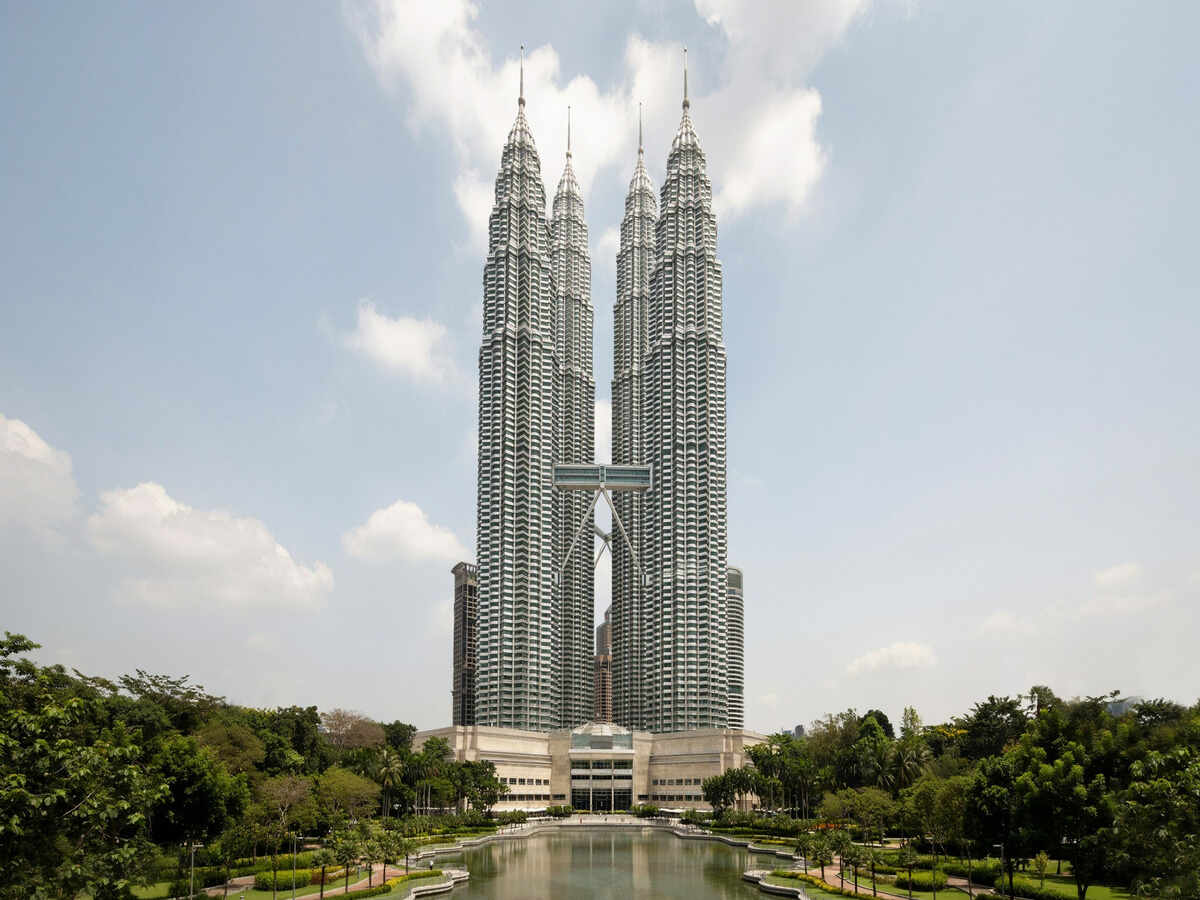
Malaysia is expanding Middle East flights and introducing targeted durian tourism campaigns to attract South Korean visitors as part of a wider strategy to strengthen its position among Southeast Asia’s leading travel destinations. Tourism Malaysia is focusing on improved international air connectivity, specialised holiday experiences and repeat visitor demand to support tourism growth and attract travellers from established and emerging markets.
The approach combines airline partnerships with destination marketing, giving international visitors additional reasons to explore Malaysia beyond its traditional attractions.
Advertisement
Advertisement
Among the initiatives attracting attention are campaigns built around the country’s celebrated Musang King durian, a premium fruit variety that has become an increasingly recognisable part of Malaysian food tourism.
At the same time, stronger aviation links with Middle Eastern markets are expected to support travel demand from visitors seeking family holidays, shopping, luxury accommodation and cultural experiences.
Advertisement
Advertisement
Tourism Malaysia Strengthens Its Strategy to Remain a Leading Southeast Asian Destination
Malaysia’s tourism industry has benefited from strong regional connectivity, diverse attractions and demand from neighbouring countries.
The country offers international visitors a combination of modern cities, tropical islands, rainforests, cultural heritage and distinctive culinary traditions.
Advertisement
Advertisement
These attractions have helped Malaysia establish a broad tourism market that includes short regional trips, longer international holidays and repeat visits.
Tourism Malaysia is seeking to strengthen that position through a combination of improved flight access and specialised travel products.
Advertisement
Advertisement
Rather than depending entirely on conventional sightseeing packages, the strategy aims to appeal to travellers with particular interests, including food, shopping, nature and family recreation.
The approach also reflects growing competition among Southeast Asian destinations seeking international visitors and higher tourism spending.
Middle East Air Connectivity Becomes a Priority for Malaysia’s Tourism Growth
Expanding aviation connections with the Middle East is an important component of Malaysia’s international tourism strategy.
Middle Eastern travellers represent a valuable market for destinations offering family-friendly accommodation, premium shopping, cultural attractions and hospitality services suited to different visitor preferences.
Advertisement
Advertisement
Improved air access can make Malaysia more convenient for tourists travelling from Gulf countries and other parts of the region.
Additional airline capacity may also support business travel, meetings, conferences and international events.
For Malaysia, Kuala Lumpur International Airport serves as a principal gateway for long-haul passengers arriving from international markets.
Stronger connections through the airport can help distribute visitors to destinations such as Penang, Langkawi, Sabah and Sarawak.
However, the commercial impact of additional services depends on airline schedules, passenger demand, ticket prices and the availability of onward connections.
Malaysia’s Tourism Development Priorities
| Tourism strategy | Main target market | Expected opportunity |
|---|---|---|
| Expanded Middle East connectivity | Gulf and wider Middle Eastern travellers | Greater international access and visitor demand |
| Musang King durian tourism | South Korean travellers and food enthusiasts | Specialised culinary holiday experiences |
| Repeat visitor marketing | Returning international tourists | Longer engagement with Malaysian destinations |
| Regional destination promotion | International leisure travellers | Increased visits beyond Kuala Lumpur |
| Airline and tourism partnerships | Airlines, agencies and tour operators | Improved holiday packaging and distribution |
| Cultural and culinary tourism | Experience-focused travellers | Wider tourism spending across local businesses |
These initiatives are intended to diversify visitor demand and strengthen Malaysia’s competitiveness in international tourism.
Advertisement
Advertisement
Musang King Durian Campaign Targets South Korean Travellers
One of Malaysia’s more distinctive tourism marketing approaches involves promoting Musang King durian experiences to South Korean visitors.
Musang King is a well-known Malaysian durian variety recognised for its rich flavour, creamy texture and distinctive aroma.
The fruit has developed a strong reputation among durian enthusiasts and has become an important part of Malaysia’s culinary identity.
Tourism campaigns centred on Musang King can introduce international travellers to local fruit farms, tasting experiences and regional food traditions.
For South Korean visitors, such packages offer an alternative to conventional city sightseeing and beach holidays.
The concept is particularly relevant to travellers seeking food-based experiences that connect them with local culture.
Advertisement
Advertisement
Specialised culinary tours may include opportunities to learn about durian cultivation, understand different varieties and sample products made using the fruit.
The exact activities depend on individual tour operators, seasonal availability and the destinations included in each package.
Why Malaysia Is Using Food Tourism to Encourage Repeat Visits
Food is increasingly an important element of destination marketing because it provides visitors with experiences that are closely connected to local identity.
Malaysia has a diverse culinary landscape influenced by Malay, Chinese, Indian and regional traditions.
Its food culture includes street markets, traditional restaurants, regional specialities and seasonal agricultural products.
Durian tourism adds another dimension by turning a locally celebrated fruit into a travel experience.
Advertisement
Advertisement
For visitors who have already explored Malaysia’s best-known attractions, culinary packages can provide a reason to return.
Repeat visitors may be interested in discovering new destinations, participating in seasonal festivals or exploring particular food traditions.
This allows tourism authorities to promote Malaysia as a destination offering different experiences across multiple trips.
The approach also creates opportunities for small tourism enterprises, food producers, guides and hospitality businesses.
Malaysia’s Repeat Visitor Appeal Supports Long-Term Tourism Development
Repeat tourism is an important consideration for destinations seeking sustainable international demand.
Visitors who return to a country may already be familiar with its transport networks, accommodation options and cultural environment.
Advertisement
Advertisement
This familiarity can reduce uncertainty when planning additional holidays.
Malaysia benefits from its location within Southeast Asia and its connections with neighbouring tourism markets.
The country’s combination of urban attractions, shopping, cultural heritage and natural landscapes provides opportunities for visitors to explore different regions over several journeys.
For example, a traveller visiting Kuala Lumpur on an initial trip may choose Penang, Langkawi or Sabah during a subsequent holiday.
Tourism Malaysia’s focus on specialised experiences can help encourage this pattern by introducing new reasons to visit.
However, repeat visitation does not automatically translate into higher tourism revenue.
Advertisement
Advertisement
Spending levels depend on length of stay, accommodation choices, activities and the wider economic conditions affecting travellers.
South Korean Tourism Market Offers Opportunities for Specialised Travel Packages
South Korea is an important outbound tourism market in Asia, with travellers seeking a wide variety of international holiday experiences.
Malaysia’s tourism industry can appeal to this market through culinary attractions, nature tourism, shopping and tropical destinations.
The Musang King campaign demonstrates how targeted marketing can differentiate a destination from competing holiday markets.
Rather than promoting only familiar attractions, tourism businesses can create products designed around specific traveller interests.
For South Korean tourists, these may include:
Advertisement
Advertisement
- Durian tasting experiences: Opportunities to discover Musang King and other Malaysian varieties.
- Culinary excursions: Visits to food markets and restaurants serving regional specialities.
- Nature-based holidays: Trips combining food experiences with tropical landscapes.
- Shopping and city breaks: Urban itineraries featuring retail and cultural attractions.
- Regional travel: Holidays extending beyond Kuala Lumpur to other Malaysian destinations.
The success of these packages will depend on effective promotion, competitive pricing and convenient flight connections.
Malaysia’s Regional Destinations Could Benefit from Tourism Diversification
The strategy could create opportunities for destinations outside Malaysia’s principal international gateways.
Penang is recognised for its food heritage, cultural attractions and historic urban environment.
Langkawi offers beaches, natural landscapes and resort accommodation.
Sabah attracts travellers interested in wildlife, islands and outdoor recreation, while Sarawak offers rainforest experiences and cultural tourism.
Kuala Lumpur remains an important starting point for international visitors, but stronger domestic connections can encourage travel to other parts of the country.
Advertisement
Advertisement
Culinary tourism may also support rural communities where agricultural products and traditional food experiences form part of the local economy.
By combining these attractions into multi-destination itineraries, tourism operators can offer visitors a broader understanding of Malaysia.
What the Strategy Means for Airlines and Travel Agencies
Malaysia’s focus on air connectivity and specialised tourism products has implications for international travel businesses.
Airlines may benefit from additional passenger demand when new routes or frequencies are supported by effective destination marketing.
Travel agencies can develop packages combining international flights, accommodation and themed activities.
Tour operators serving Middle Eastern markets may focus on family holidays, premium hospitality and shopping experiences.
Advertisement
Advertisement
Those targeting South Korean travellers may explore culinary programmes, nature experiences and seasonal food tourism.
Important considerations for travel businesses include:
- Confirming available flight schedules and international connections.
- Developing packages suited to the preferences of individual source markets.
- Checking seasonal availability for durian-related experiences.
- Working with established local tourism operators.
- Providing accurate information about travel requirements and transport arrangements.
- Offering multi-destination itineraries where practical.
These measures can help agencies convert destination marketing campaigns into bookable travel products.
Malaysia’s Tourism Strategy Reflects Changing Travel Preferences in Southeast Asia
Competition among Southeast Asian tourism destinations continues to encourage more specialised approaches to international marketing.
Travellers increasingly consider the overall experience of a destination rather than focusing exclusively on individual landmarks.
Convenient air connections remain essential, particularly for long-haul markets where journey times and flight availability influence travel decisions.
Advertisement
Advertisement
At the same time, cultural experiences, local cuisine and nature-based activities can help destinations distinguish themselves.
Malaysia’s combination of Middle East aviation development and South Korean culinary tourism promotion reflects these different priorities.
The strategy also demonstrates the value of tailoring tourism products to individual markets instead of relying on a single international advertising message.
Conclusion
Malaysia is expanding Middle East flights and developing durian tourism campaigns to attract South Korean visitors as Tourism Malaysia strengthens its international tourism strategy. By combining improved air connectivity, Musang King culinary experiences and repeat visitor marketing, the country aims to maintain its competitive position in Southeast Asia while encouraging broader travel, supporting local tourism businesses and creating new opportunities for international holidaymakers.
Advertisement
