
Azerbaijan Unveils Bold Regional Travel Expansion Beyond Baku To Transform Rural Tourism For Global Travelers

Published
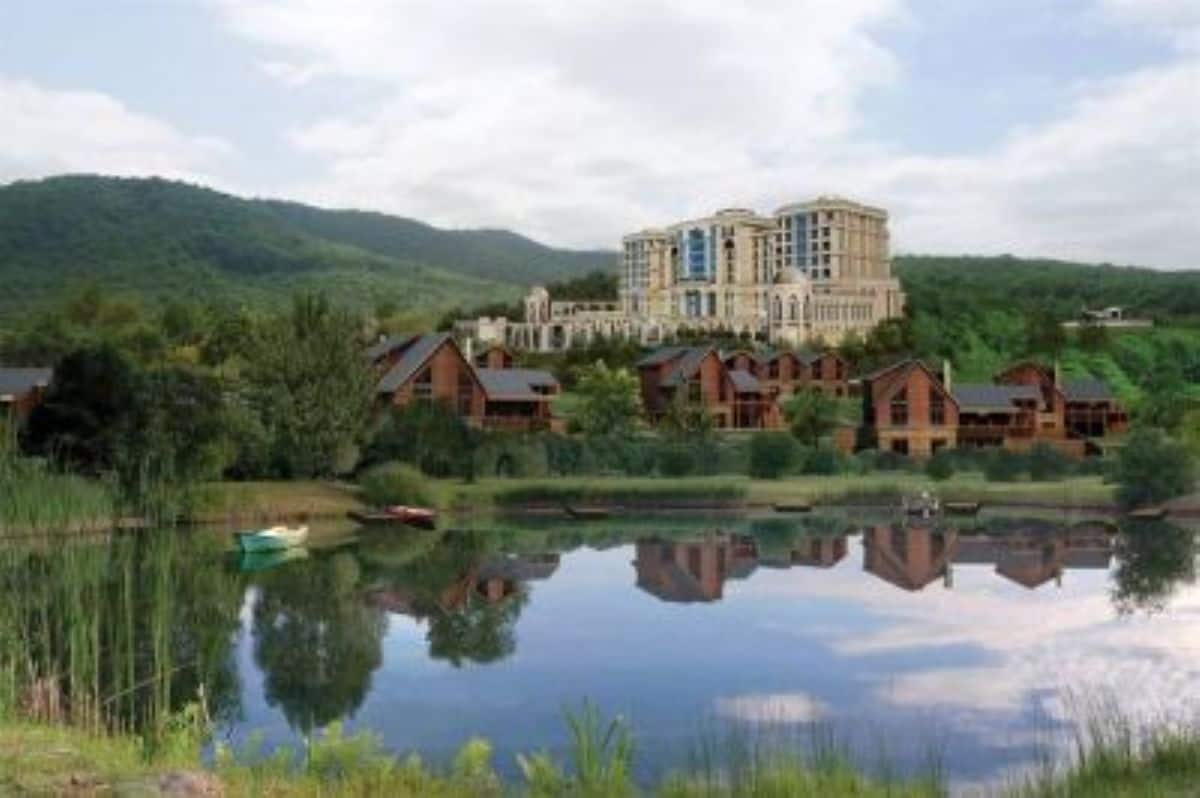
Step outside the glowing skyline of Baku. You immediately feel the true beating heart of Azerbaijan. Beyond the city limits lies a breathtaking world of mist‑shrouded Silk Road mountain towns, sacred ancient sanctuaries and deeply rooted village traditions that time somehow forgot. The nation is now pouring its soul into bringing these regional corners to life—promising foreign travelers far richer stories, warmer local smiles and unforgettable human connections that extend way past a standard city weekend break.
Uncovering Hidden Cultural Assets and Preserving Historic Heritage Across Countryside Communities
The rural hinterlands contain a wealth of multicultural history, shaped over centuries along crucial global trade pathways. Travelers venturing across the countryside discover unique historical locations, including historic German settlements such as Helenendorf. Throughout these regions, diverse places of worship stand together, illustrating centuries of harmonious coexistence among mosques, churches, and synagogues. Furthermore, Quba’s Red Settlement remains a world-renowned landmark, celebrated globally as one of the most distinctive surviving historic Jewish settlements, distinguished by its vibrant red-roofed architecture.
These provincial destinations satisfy the rising global demand for authentic, heritage-based travel far removed from overcrowded urban hubs. As international travelers increasingly seek meaningful cultural interactions, small rural communities receive much-needed infrastructure investment and specialized job creation. Consequently, local youth gain viable economic incentives to remain in their ancestral home towns. This steady capital flow ensures that traditional arts, ancient crafting techniques, and unique regional customs endure for future generations of global explorers.
Advertisement
Advertisement
Elevating Sports Facilities and Expanding Regional Infrastructure Projects Beyond Capital Cities
Outdoor sports and high-altitude alpine recreational facilities constitute a critical pillar of this national effort to diversify the country’s travel portfolio beyond metropolis boundaries. A comprehensive five-year international accord signed with the International Ski and Snowboard Federation brings high-profile winter sports competitions to the modern mountain resort of Shahdag. Most notably, this partnership secures major events like the international World Cup freestyle mogul finals scheduled for March. The surrounding terrain stretching from arid lowlands to mountain peaks reaching heights of 4,000 meters provides an extraordinary venue for year-round eco-tourism and alpine activities.
Advertisement
Advertisement
These prominent athletic events elevate the international prestige of mountain resorts, encouraging global transport providers to expand flight routes and regional ground transit options. Substantial investments in modern highway networks and high-quality mountain hotels guarantee smooth accessibility throughout all four seasons. Consequently, international adventure enthusiasts gain a compelling alternative to traditional European ski resorts. This infrastructure expansion broadens choices for global travelers while generating steady, non-seasonal financial revenues for rural mountain towns.
Strengthening Global Connectivity, Modernizing Entry Protocols, and Supporting Local Enterprise Development
Advertisement
Advertisement
The capital city has repeatedly demonstrated its capacity to organize and host massive global gatherings. This proven track record is reflected in high-profile international events such as the Eurovision Song Contest in 2011, the COP29 climate conference in 2024, and recurring Formula 1 Grand Prix races. To sustain this momentum into rural regions, global aviation networks continue to expand. For example, direct aviation routes linking Brussels and Baku will operate four times weekly beginning May 8, 2027. Furthermore, administrative travel barriers have been systematically minimized through an efficient digital e-Visa framework that processes standard applications in three days and urgent requests within three hours.
Comprehensive government policy targets through 2030 deliver strategic economic support for regional charter flight operations, new transport connections, and sustainable lodging construction. Micro-to-small enterprises operating in remote locations receive direct administrative and financial guidance. This policy ensures that local families and independent business owners benefit directly from international visitor expenditure. By connecting high-capacity international transit hubs directly to preserved rural destinations, the strategy offers global travelers a seamless journey while building long-term economic resilience across every region.
Comprehensive National Tourism State Program Framework and Macro-Economic Visitor Targets Through 2030
To reinforce the country’s macro-economic development goals, national planners operating under the State Tourism Development Programme have established targeted foreign arrival targets for the 2026–2030 planning cycle. Policy frameworks project international tourist arrivals to expand steadily from 2.57 million to 3.8 million visitors annually by 2030. Concurrently, direct financial receipts generated by foreign travelers are forecasted to grow from 3.3 billion manats to 6.3 billion manats ($3.7 billion USD) over the exact same timeframe. Rather than prioritizing high-volume, unsustainable mass tourism models, this structural policy directs capital investments into long-term infrastructure capacity. This strategy fosters a consistent 5% to 7% annual revenue increase across rural provinces while carefully maintaining ecological balance and natural resources.
Advertisement
Advertisement
This long-term policy framework fundamentally reshapes how international markets view destination development in the South Caucasus. Strategic financial allocations ensure that regional infrastructure expands in tandem with foreign demand, preventing resource strain on rural communities. Furthermore, by prioritizing sustainable yield over sheer volume, regional destination management entities establish stable commercial environments for local entrepreneurs. As international visitors spread across diverse provinces, travel operators gain access to high-quality regional facilities that support extended multi-day trips, directly benefiting provincial hospitality workers and regional supply chains.
Digital Nomad Policy Integration and Simplified Administrative Entry Infrastructure Protocols
To extend average stay durations beyond brief 3 to 4-day urban city breaks, regional migration authorities have launched a dedicated Digital Nomad Visa alongside ongoing modernizations to the national e-Visa platform. Standard online entry permits involve a $26 USD processing fee and a standard 3-day turnaround time, whereas expedited 3-hour electronic visas accommodate urgent or last-minute travel itineraries. By catering to remote professional workflows and long-term location-independent workers, historical provincial zones such as Shaki, Quba, and Lankaran capture extended-stay international visitors who contribute capital directly into local residential housing markets and independent small businesses.
This administrative shift directly caters to evolving post-pandemic global work habits, transforming traditional leisure destinations into remote work hubs. Remote workers staying in rural regions generate consistent, long-term economic returns that mitigate the financial volatility of seasonal vacation cycles. Local property owners, regional transit providers, and neighborhood dining establishments experience steady demand throughout the entire year. Moreover, international visitors benefit from frictionless administrative entry, allowing extended immersion in provincial communities without navigating cumbersome bureaucratic channels.
Strategic Aviation Route Diversification and Regional Airport Expansion Protocols Across Regional Transit Corridors
National transit connectivity initiatives focus heavily on decentralizing international arrivals, routing long-haul travelers directly through provincial air gateways rather than bottlenecking transit exclusively via Baku’s Heydar Aliyev International Airport. Upgraded provincial aviation facilities in Ganja, Gabala, Fuzuli, and Lankaran are increasingly structured to accommodate direct international charter services and regional low-cost flight carriers. Backed by government air route development incentives and domestic airline fleet expansions, these provincial transit hubs reduce internal ground travel times by 30% to 50%, allowing long-haul travelers from Europe, the Middle East, and Asia to land in close proximity to major mountain, cultural, and wellness destinations.
Advertisement
Advertisement
By bypassing congested capital transit corridors, regional aviation hubs deliver a smoother entry experience for international travelers seeking rural experiences. Global tour operators can construct point-to-point regional itineraries, eliminating redundant overland transfer legs and maximizing active sightseeing time. Furthermore, direct international flights to provincial airports stimulate regional commercial investment, encouraging international hotel operators and ground transportation companies to establish operations around secondary aviation hubs.
Sustainable Eco-Lodge Investments and Community-Based Micro-Enterprise Incentives in Provincial Regions
A central structural element of the destination strategy beyond the capital involves direct economic empowerment for rural populations through targeted micro-grant incentives and strict eco-friendly accommodation guidelines. Public programs assist local families in converting traditional heritage homes into authentic homestays and boutique guesthouses in historic mountain villages such as Basgal and Sim. Additionally, state financial backing targets 2-star and 3-star lodging assets to ensure budget-friendly accommodation choices exist throughout rural provinces. This grassroots economic model guarantees that up to 60% of total visitor expenditure remains within host communities, preserving regional cultural identity while mitigating urban migration trends among younger rural demographics.
This localized investment strategy builds an inclusive economic framework where small-scale property owners directly share in tourism growth. Rural micro-enterprises receive targeted training, quality certification, and administrative assistance, enabling family-operated guesthouses to meet international service standards. For global travelers, this approach guarantees authentic accommodation options rooted in regional traditions. Simultaneously, retaining revenues within host villages strengthens local infrastructure, preserves historic domestic architecture, and maintains lively rural communities across the countryside.
Expanding Agricultural, Viticulture, and Culinary Tourism Corridors Across Rural Valleys
Diversification policies heavily incorporate regional viticulture and historic culinary traditions into international travel itineraries across agricultural valleys. Historic wine trails crossing Ismayilli, Gabala, and Ganja emphasize native grape varieties such as Madrasa and Bayanshira, alongside centuries-old winemaking techniques influenced by 19th-century German settlements. By directly linking small farm-to-table dining establishments, regional honey production farms, and local silk-printing workshops to curated regional travel routes, destination authorities construct multi-sensory cultural circuits that elevate average daily visitor expenditure in rural agricultural districts by 20% to 35%.
Advertisement
Advertisement
This integration of agriculture and tourism creates sustainable secondary income streams for rural farming communities. Regional producers gain direct retail access to international visitors, increasing the market value of artisanal food products, traditional textiles, and local wines. Travelers receive enriched experiential journeys that highlight local culinary history and agricultural heritage. Consequently, rural agricultural regions transform into vibrant cultural corridors, preserving traditional farming practices while attracting high-yield international travelers.
Niche Therapeutic and Medical Wellness Tourism Capitalizing on Natural Mineral and Oil Resources
The specialized health and wellness sector provides a high-value growth vehicle anchored by the country’s unique natural geography and mineral wealth. Renowned wellness destinations like Naftalan utilize specialized therapeutic crude oil treatments historically recognized for treating dermatological and musculoskeletal conditions to draw health-conscious medical travelers from across Eastern Europe, Central Asia, and the Middle East. Complementing these facilities are natural thermal mineral springs in Lankaran and Galaalti, which attract international wellness travelers seeking non-clinical holistic retreats. Specialized medical and wellness guests typically maintain extended average stays of 10 to 14 days, generating significantly higher per-capita financial revenues than standard leisure sightseers.
This emphasis on therapeutic health tourism positions the nation as a specialized regional wellness destination within the international travel marketplace. Long-stay medical travelers provide consistent occupancy rates for specialized sanatoriums and wellness resorts, stabilizing year-round employment in host towns. Facilities continually modernize medical equipment, clinical protocols, and hospitality services to satisfy strict international healthcare standards. As a result, global wellness travelers gain access to scientifically supervised, affordable natural therapies set within serene provincial landscapes.
South Caucasus Cross-Border Synergies and Multi-Destination Caucasian Itineraries Across Regional Borders
Enhanced regional diplomatic cooperation and cross-border transport coordination across the South Caucasus are opening new avenues for joint multi-country travel packages. Improved regional stability enables global tour operators particularly those serving long-haul markets across North America, Western Europe, and East Asia to craft unified travel itineraries encompassing Azerbaijan, Georgia, and Armenia. These multi-destination circuits allow international travelers to discover shared Silk Road history, varied topography, and unique culinary traditions across the Caucasus within a single comprehensive 12 to 14-day journey, raising the international profile of the entire geographic region on major global booking platforms.
Advertisement
Advertisement
Cross-border synergy creates a compelling multi-destination value proposition for long-haul travelers who seek comprehensive regional trips. Streamlined border protocols, coordinated transport logistics, and joint marketing campaigns allow tour operators to sell multi-country Caucasian itineraries effortlessly. This collaborative framework increases total regional stay durations, boosts global competitiveness, and elevates the collective visibility of the South Caucasus as a primary destination for international cultural tourism.
Sustainable Mountain Infrastructure and Four-Season Eco-Tourism Development in Alpine Regions
To eliminate sharp seasonal fluctuations in high-altitude alpine resorts such as Shahdag and Tufandag, public and private infrastructure investments focus on engineering year-round recreational facilities. While winter operations center on FIS World Cup ski and snowboard competitions across slopes extending up to 4,000 meters, spring and summer schedules expand into high-altitude alpine trekking, mountain biking, paragliding, and guided nature conservation excursions near UNESCO-listed national parks. Transforming seasonal ski resorts into year-round active outdoor hubs balances local employment cycles and ensures consistent year-round commercial revenues for mountain communities.
This four-season development strategy protects regional tourism economies from climate-induced financial risks and seasonal unemployment. Modern cable car infrastructure, marked hiking trails, and environmental management systems support diverse outdoor activities during every season. Global adventure enthusiasts gain access to high-altitude outdoor facilities outside the traditional European winter season. Consequently, alpine communities secure stable annual incomes, operational continuity, and sustained commercial growth across all twelve months of the year.
The Final Verdict
When you finally leave the mountain villages and winding Silk Road paths behind Azerbaijan stays with you. Azerbaijan lives in the feeling of shared tea with strangers, the soft echo of ancient stone streets and the quiet stillness of wild hills. Expanding travel, beyond the capital is not an economic project; it is an invitation to slow down to truly connect. Long after the trip ends these soulful regional encounters, genuine smiles and timeless landscapes stay in your heart forever changing how you see the world.
Advertisement
