
Pará Steps Up With Belém Marajó Alter do Chão and More to Power Brazil Autumn Tourism

Published
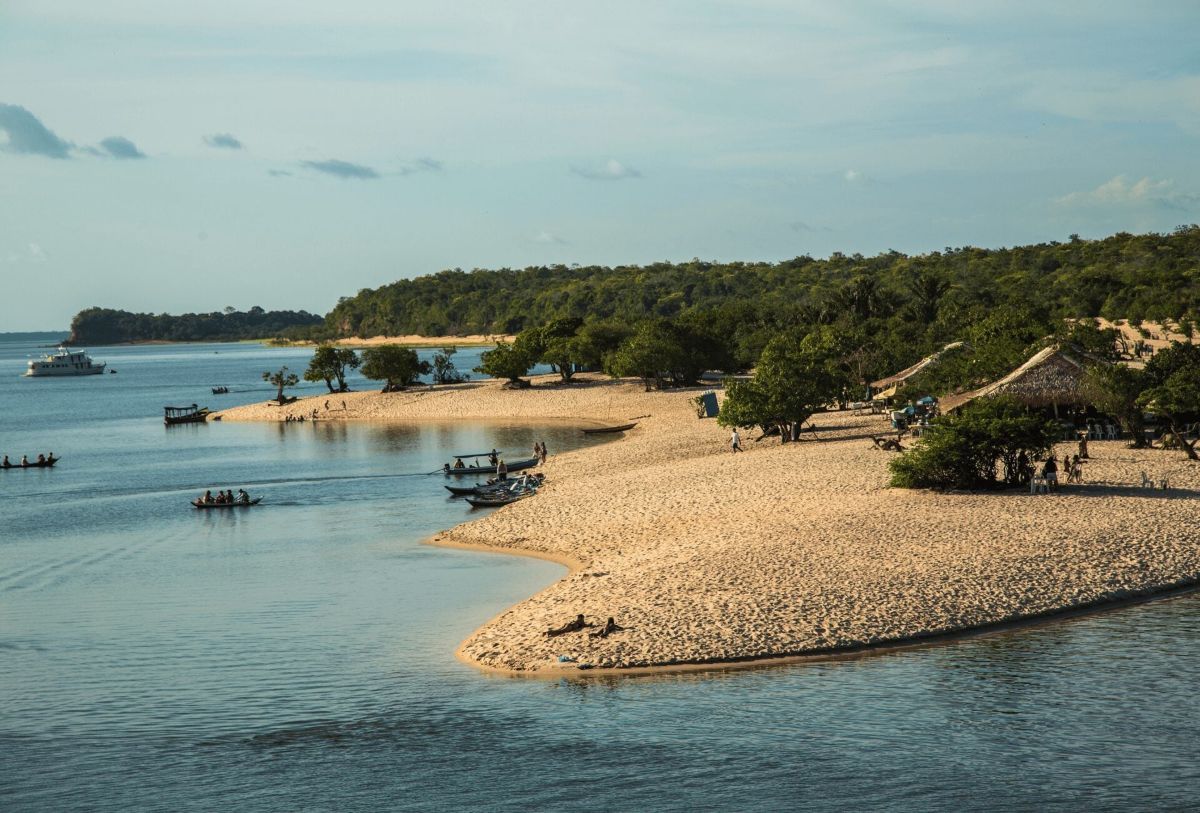
image credit: visitbrasil
When autumn arrives in Europe and North America, many travellers look for golden leaves, cold air and cosy streets. Pará offers a very different journey. This vast state in northern Brazil brings heat, rivers, rainforest, food and bright freshwater beaches.
Pará does not have a classic autumn like London, Paris or New York. September to November is spring in Brazil. But this is exactly what makes Pará an exciting autumn-season choice for international travellers. It gives people a chance to leave cold weather behind and enter the living Amazon.
The best Pará journey has three clear parts. Belém brings food and heritage. Marajó brings island life, wildlife and local culture. Alter do Chão brings sand, river water and rainforest views. Together, they create an Amazon trip that feels rich, real and deeply connected to place.
Advertisement
Advertisement
Pará Offers a Different Autumn Travel Story
Pará should not be sold as a leaf-peeping destination. It offers something much stronger. It gives travellers a chance to see how rivers, forests, markets and communities shape daily life in the Amazon.
September is usually the driest month in Belém on long-term climate records. October and November can also suit travellers looking for warm outdoor experiences. Rain can still come at any time. Pará is part of the Amazon, so visitors should expect humidity and changing weather. Light clothing, sun protection, insect repellent and waterproof bags are useful.
This climate gives Pará an important advantage in the global autumn travel market. Visitors can walk through historic areas, travel by boat, visit river communities and enjoy food outdoors. The journey is not built around one famous beach or one city. It is built around a changing landscape.
The destination also offers travellers a better reason to stay longer. One night is not enough. Pará needs time. A visitor can spend three nights in Belém, then travel to Marajó, before flying or travelling onward to Santarém and Alter do Chão.
Belém Is the Amazon Food and Heritage Gateway
Belém is the natural starting point. The city sits near the Amazon estuary and opens the door to Pará’s river world. It is also one of Brazil’s great food cities.
The Ver-o-Peso market is at the heart of this story. The historic market is filled with fish, fruits, herbs, spices and products that come from the forest and rivers. It is not simply a place to buy food. It helps visitors understand the region.
UNESCO describes Ver-o-Peso as an important symbol of Amazon identity. The market has long linked inland products with local and wider trade. Today, it gives travellers a direct view of the ingredients behind Pará’s famous dishes.
Visitors can try açaí served in the local style, alongside fish and cassava flour. They can taste tacacá, a hot soup with tucupi, dried shrimp and jambu. Jambu creates a gentle tingling feeling in the mouth. Maniçoba, another regional dish, shows how local cooking uses plants with care and time.
Belém also gives travellers access to islands close to the city. Combu Island is one example. It can be reached by boat and offers food, forest and small-scale community experiences. Visitors can learn how açaí is harvested and how cacao becomes chocolate. This adds a meaningful food-tourism layer to the journey.
Advertisement
Advertisement
Marajó Brings Buffalo Culture and Island Nature
From Belém, Marajó adds a slower rhythm. The archipelago sits where river and sea meet. It is known for wide landscapes, beaches, mangroves, waterways and traditional farms.
Marajó is not a standard island holiday. Its tourism strength comes from the mix of nature and culture. Visitors can see buffalo, spot birds, explore beaches and learn about Marajoara ceramic traditions. The region also offers local cheese, fish and buffalo meat.
Brazil’s Ministry of Tourism highlights Marajó for ecotourism, traditional farms and wildlife such as red ibis, known locally as guarás, as well as caimans and buffalo. This creates a strong responsible-tourism angle. Visitors do not only look at the landscape. They can learn how people live within it.
Soure and Salvaterra are key bases for travellers. They offer access to beaches and local experiences. However, visitors should choose registered guides and respect the needs of local communities and sensitive natural areas.
Marajó works best for travellers who enjoy quiet spaces. It is not about rushing from one sight to another. It is about watching the water, eating local food and understanding a different way of life.
Alter do Chão Delivers Pará’s Freshwater Beach Surprise
Alter do Chão gives Pará its most surprising image. The small village is close to Santarém and sits on the Tapajós River. It is famous for white sand, warm freshwater and wide blue river views.
For many international visitors, a beach inside the Amazon feels unexpected. Alter do Chão turns that surprise into a major tourism asset. The area offers river swimming, boat trips, sunset views and access to forest landscapes.
Brazil’s official tourism platform highlights Alter do Chão’s beaches, river communities and canoe experiences along the Tapajós and Arapiuns rivers. Travellers can visit villages, swim in creeks and learn about life beside the water.
September also brings the traditional Sairé celebration in Alter do Chão. The event blends religious practice, local legends, music and cultural performance. It gives the destination a deep cultural identity beyond its beaches.
Visitors should remember that river conditions change with the seasons. Sandbanks and beach areas can look different at different times of year. This is part of the destination’s charm. The river creates a landscape that never stays still.
Pará Gives Autumn Travellers a Journey With Meaning
Pará has a strong message for the autumn travel market. It is not asking travellers to escape into a resort. It is asking them to enter a living region shaped by water, food, forest and culture.
Belém gives the journey flavour. Marajó gives it nature and heritage. Alter do Chão gives it a dramatic freshwater finish. Together, they turn Pará into one of Brazil’s most unusual autumn escapes.
For travellers who want more than a quick holiday, Pará offers a powerful answer. The Amazon here is not a distant idea. It is a place to taste, hear, travel through and respect.
Advertisement
Advertisement
Advertisement
