
Greece Tourism Explodes With Twenty Million Visitors As Global Travel Demand Hits Powerful New Heights In 2026

Published
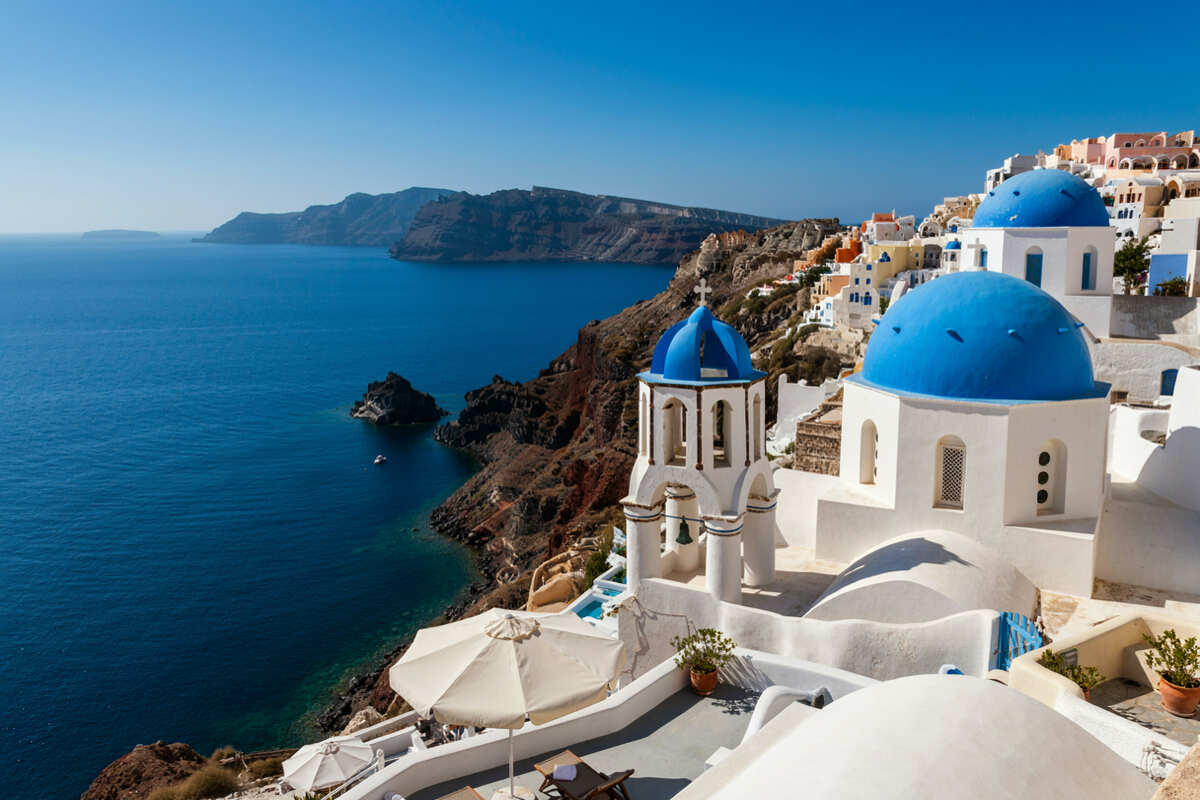
Greece Tourism Surges Past 20 Million Visitors With Powerful Growth Across Global Travel Markets Greece welcomed more than 20 million international travellers during the first seven months of 2026, with tourism revenues rising by 12% as the Mediterranean destination strengthens its position as a global travel hotspot while preparing for a technology-driven future.
The latest figures from the Bank of Greece show that international arrivals increased significantly between January and July 2026, highlighting strong demand from European and overseas markets. The growth comes as Greece celebrates World Tourism Day on September 27, with the country focusing on sustainable tourism development, smarter destination management and the growing role of artificial intelligence.
Greece Tourism Growth Accelerates With Millions Of International Arrivals
International visitor numbers reached 20.04 million in the first seven months of 2026, compared with 18.45 million during the same period in 2025. This represents an annual increase of 8.6%, confirming continued confidence in Greece as a leading holiday destination.
The rise was supported by growth across different travel channels. Air arrivals increased by 6%, reflecting strong demand for Greece’s islands, coastal regions and cultural destinations. Road arrivals recorded even stronger momentum, climbing by 17.5% as travellers from neighbouring European markets increased their visits.
Advertisement
Advertisement
The figures demonstrate that Greece continues to attract a diverse mix of travellers, from traditional European source markets to long-haul destinations. The country’s combination of ancient heritage, island experiences, beaches, gastronomy and year-round tourism products continues to support international demand.
European Markets Remain The Main Driver Of Greece Tourism Expansion
European travellers continued to represent the largest share of Greece’s international tourism growth in 2026. Arrivals from European Union countries increased by 8.6%, reaching 11.56 million visitors during the January–July period.
Advertisement
Advertisement
Visitors from countries outside the European Union also contributed strongly, with arrivals increasing by 8.7% to 8.48 million.
The eurozone market delivered particularly strong results, recording a 13.2% increase in arrivals. However, Greece saw a decline of 8.8% from EU countries outside the eurozone.
Germany remained one of Greece’s strongest tourism partners, with arrivals from the country rising by 7.7% to 3.03 million visitors. Italy recorded one of the fastest growth rates among major European markets, with arrivals increasing by 24.6% to 1.27 million.
France followed a different trend, with visitor arrivals declining by 5.1% to 923,200 during the period.
The changing performance among European markets reflects shifting travel patterns, economic conditions and evolving consumer preferences across the continent.
United Kingdom Demand Strengthens While US Arrivals Decline
Greece continued to attract strong demand from major international markets beyond Europe, although results varied between regions.
Advertisement
Advertisement
The United Kingdom remained a key contributor to Greek tourism growth. British arrivals increased by 12.3% to 2.58 million during the first seven months of 2026, reinforcing the importance of the UK market for Greece’s tourism economy.
The United States market recorded a decline during the same period. Visitor numbers from the US fell by 8.2% to 829,900.
Despite fluctuations among individual markets, Greece maintained overall international tourism growth, supported by strong European demand and continued global recognition as a major leisure destination.
Tourism Revenue Climbs As Visitor Spending Strengthens
Alongside rising visitor numbers, Greece achieved significant growth in tourism income. Travel receipts reached €13.52 billion between January and July 2026, increasing by 12% compared with the previous year.
Revenue from EU residents rose by 6.9% to €7.09 billion, while spending from visitors outside the European Union increased at a faster pace, climbing 18.3% to €5.78 billion.
Tourism income from eurozone residents increased by 11.3% to €5.88 billion. However, receipts from EU countries outside the eurozone declined by 10.4% to €1.21 billion.
Advertisement
Advertisement
Germany remained among the largest contributors to Greek tourism revenue, generating €1.98 billion. However, this represented a slight decrease of 0.7%. Revenue from French visitors also declined, falling 16.8% to €623.7 million.
The figures show that Greece’s tourism success is not only measured by visitor numbers but also by spending patterns and the economic value generated by international travellers.
Greece Moves Towards Smarter Tourism With Artificial Intelligence
As Greece’s tourism sector enters its next phase, technology and artificial intelligence are becoming increasingly important elements of destination planning.
The country is exploring how digital solutions can improve tourism management, understand visitor behaviour and create more efficient travel experiences. Artificial intelligence and data-based systems can support better forecasting, manage visitor flows and help destinations respond to changing demand.
However, technology is expected to support tourism rather than replace the human experience that remains central to travel.
The future of Greek tourism will focus on creating a balance between growth and sustainability. Managing overcrowding, improving infrastructure and spreading tourism benefits across more regions will become increasingly important as visitor numbers continue to rise.
Advertisement
Advertisement
Greece Tourism Future Focuses On Sustainable Growth And Better Experiences
The latest tourism figures underline the importance of travel to Greece’s economy while highlighting the challenges that come with continued expansion.
The country’s next stage of tourism development will move beyond simply attracting more visitors. Greater attention will be placed on improving visitor experiences, supporting local communities and ensuring destinations can handle future demand.
With millions of international arrivals, rising travel revenues and increasing investment in digital innovation, Greece is building a new tourism model designed for long-term growth.
The combination of strong global demand, advanced technology and sustainable planning will shape the future of Greece’s tourism sector as it continues to compete among the world’s most recognised travel destinations.
Advertisement
