
Papua New Guinea Tourism Evolution Begins as Alotau and Samarai Unlock Remote Island Experiences

Published
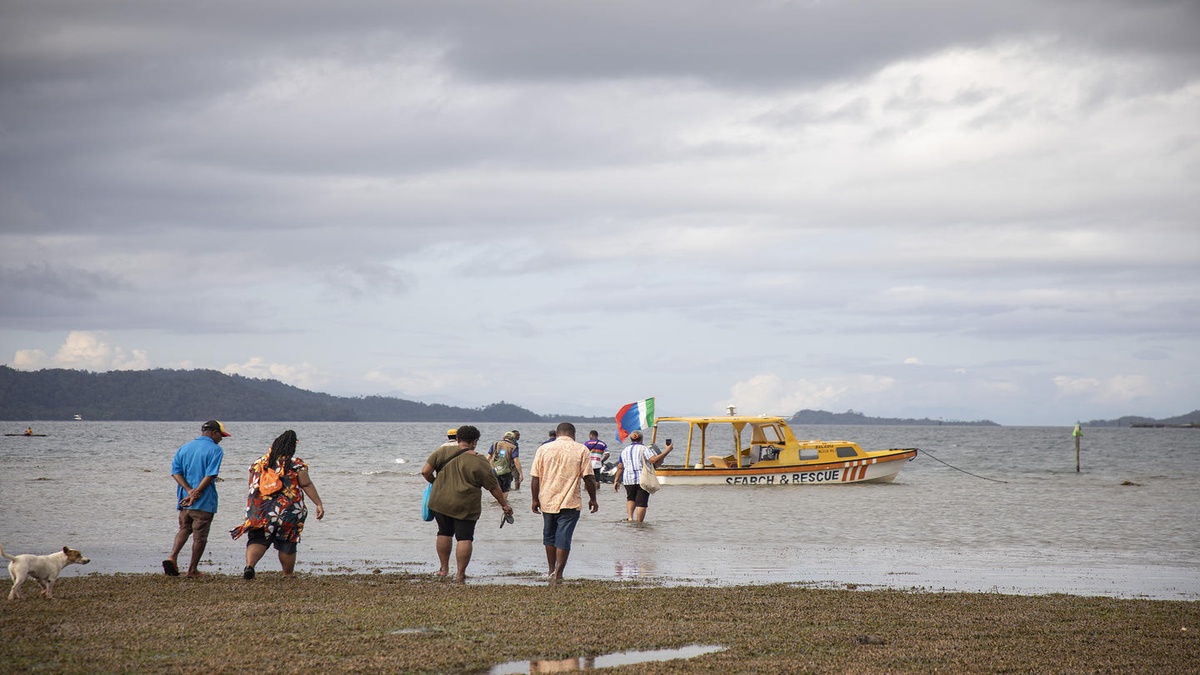
Papua New Guinea is entering a new phase of remote island tourism development as Milne Bay combines upgraded aviation access, community-owned tourism businesses, indigenous cultural experiences, marine conservation and heritage travel. The transformation is centred around Alotau, the provincial gateway, where the upgraded Gurney Airport is expected to strengthen visitor access, while island destinations including Samarai Island continue to represent the province’s maritime history. The emerging model focuses on keeping tourism value within local communities through eco-lodges, cultural experiences, diving, conservation activities and locally managed visitor experiences.
Papua New Guinea’s New Remote Island Tourism Strategy Takes Shape Through Milne Bay
Papua New Guinea’s Milne Bay Province is becoming one of the Pacific’s most distinctive examples of community-led tourism development, where natural landscapes, indigenous knowledge and ocean-based experiences are being positioned as the foundation of future visitor growth.
The latest tourism shift is not based only on attracting more travellers. It is focused on creating a destination ecosystem where aviation infrastructure, local businesses, conservation projects and cultural heritage work together.
The strategic change is being led by improvements around Alotau, the provincial capital and the main entry point for Milne Bay’s islands, reefs and coastal communities. The upgraded Gurney Airport is now positioned as a critical tourism infrastructure asset that could improve international accessibility and support future tourism expansion.
Advertisement
Advertisement
Milne Bay’s opportunity comes from combining several tourism segments that are increasingly important for global travellers:
Advertisement
Advertisement
| Tourism Segment | Milne Bay Experience | Visitor Opportunity |
|---|---|---|
| Indigenous tourism | Traditional communities, maritime culture, local crafts | Authentic cultural journeys |
| Adventure tourism | Island exploration, diving, snorkelling, coastal activities | High-value Pacific experiences |
| Sustainable tourism | Community eco-tourism and conservation projects | Responsible travel demand |
| Heritage tourism | WWII locations and Pacific history | Historical exploration |
| Marine tourism | Coral reefs, mangroves and ocean ecosystems | Diving and nature travel |
The result is a destination model where communities are not only providing services but also protecting the cultural and environmental assets that attract visitors.
Alotau Becomes The Aviation Gateway Supporting Milne Bay Tourism Expansion
The most significant tourism development in Milne Bay in 2026 is the completion of the upgraded Gurney Airport in Alotau.
The airport redevelopment represents a major infrastructure step for a province where geography has historically been one of the biggest barriers to tourism growth. Milne Bay contains numerous islands and remote coastal communities, making reliable transport links essential for expanding international visitor access.
Advertisement
Advertisement
The Papua New Guinea Government confirmed that the airport upgrade involved an investment of K76.8 million and is intended to support tourism growth, economic activity and improved connectivity. The project was delivered through the country’s aviation development programme with support from national aviation agencies and development partners.
Why Gurney Airport Matters For International Travellers
| Development | Tourism Impact |
|---|---|
| Improved airport infrastructure | Better passenger experience and operational capacity |
| Future international gateway ambitions | Potential to attract overseas visitors directly |
| Better regional connectivity | Easier access to islands and coastal areas |
| Tourism-focused infrastructure planning | Stronger foundation for hotels, tours and local businesses |
The airport development creates a possible new tourism corridor connecting visitors with Milne Bay’s marine environment, cultural communities and island destinations.
Advertisement
Advertisement
For tour operators, the importance is clear: improved access can allow Milne Bay to move from a specialist destination visited mainly by experienced adventure travellers towards a broader premium tourism market.
Community Tourism Model Places Local Culture At The Centre Of Visitor Experiences
The defining feature of Milne Bay’s tourism development is the growing role of locally owned tourism enterprises.
Across the province, community businesses are developing experiences based around traditional knowledge, coastal ecosystems and cultural identity.
One example is Nuli Sapi Retreat on Logeia Island, a community-based eco-tourism initiative supported through sustainable development programmes. The retreat combines accommodation, marine experiences, island activities and conservation awareness while operating within a community-managed environment.
The project demonstrates a wider tourism trend: travellers increasingly seek destinations where their spending directly supports local communities.
Advertisement
Advertisement
| Community Tourism Element | Benefit |
|---|---|
| Local ownership | Tourism revenue remains within communities |
| Traditional knowledge | Cultural practices become visitor experiences |
| Environmental protection | Tourism supports ecosystem preservation |
| Youth participation | Creates local employment pathways |
| Small-scale accommodation | Provides authentic alternatives to mass tourism |
The development of community tourism in Milne Bay also reflects the wider global shift towards regenerative tourism, where destinations focus on protecting natural resources while creating economic opportunities.
Milne Bay’s Blue Economy Connects Diving Tourism With Marine Conservation
Milne Bay has long been recognised among experienced divers for its marine biodiversity, coral ecosystems and underwater landscapes.
The new tourism direction adds another layer: conservation-based travel.
Projects supported through sustainable development initiatives are linking tourism activities with marine protection, including mangrove conservation, locally managed marine areas and environmental education.
The Kunawa Getaway Beach Site represents another example of this approach. Located along the East Cape Highway area, the community-led initiative combines visitor experiences with marine conservation activities, including mangrove restoration and environmental awareness.
Advertisement
Advertisement
This approach creates a stronger tourism product because visitors are not only observing nature but participating in conservation-linked experiences.
For international travellers, the appeal is increasingly significant:
- diving with conservation awareness
- coastal exploration
- mangrove ecosystems
- community interaction
- responsible island tourism
Milne Bay’s tourism future is therefore becoming connected with the global blue economy movement, where oceans are viewed as both environmental assets and economic opportunities.
Alotau’s Cultural Tourism Calendar Strengthens Destination Appeal
Beyond nature-based tourism, Milne Bay is strengthening its cultural tourism identity through major events.
The National Kenu and Kundu Festival 2026 will take place in Alotau from 6 to 8 November 2026, bringing together cultural groups, canoe communities, artisans and visitors.
Advertisement
Advertisement
The festival celebrates traditional maritime heritage, including the importance of traditional canoes, music, craftsmanship and community identity.
For tourism planners, cultural festivals provide a powerful reason for travellers to visit at specific times of the year while extending visitor spending into accommodation, transport, food services and local experiences.
| Cultural Tourism Asset | Tourism Value |
|---|---|
| Traditional canoe heritage | Unique Pacific identity |
| Community performances | Authentic cultural engagement |
| Local crafts | Economic opportunities for artisans |
| Maritime traditions | Differentiates Milne Bay from competing island destinations |
Samarai Island Adds Historical Depth To Milne Bay’s Tourism Story
While Alotau serves as the modern gateway, Samarai Island represents the historical dimension of Milne Bay tourism.
The island’s importance comes from its maritime heritage and its role in the region’s historical development.
Together, Alotau and Samarai create a stronger tourism narrative:
Advertisement
Advertisement
- Alotau provides access and visitor infrastructure.
- Samarai represents heritage, island identity and Pacific history.
This combination allows Milne Bay to compete not only as a beach destination but as a multi-layered travel experience combining culture, history and adventure.
Why Milne Bay’s Tourism Transformation Matters For Global Travel Markets
The development of Milne Bay reflects a broader change in international tourism.
Travellers are increasingly moving away from standardised destinations and seeking places offering:
- authentic cultural interaction
- environmental responsibility
- local experiences
- less crowded destinations
- meaningful travel
Milne Bay fits this emerging demand because its tourism value is based on assets that cannot easily be replicated elsewhere.
The destination’s challenge will be balancing visitor growth with environmental protection, infrastructure capacity and community participation.
Advertisement
Advertisement
The future success of the model will depend on maintaining local ownership while improving accessibility, accommodation standards and tourism services.
Operational Takeaways For Travel Agents And Tour Operators
- Prioritise Alotau as the main gateway when designing Milne Bay itineraries.
- Monitor future international connectivity developments linked with Gurney Airport.
- Build packages combining:
- cultural experiences
- diving
- island stays
- marine conservation activities
- WWII heritage exploration.
- Encourage early bookings around the National Kenu and Kundu Festival period.
- Work with locally operated tourism businesses to support authentic community experiences.
- Explain remote-island logistics clearly, including transport connections and accommodation availability.
- Promote sustainable travel practices to protect marine ecosystems and cultural resources.
- Avoid positioning Milne Bay only as a beach destination; highlight its combined culture, history and adventure value.
Long-Term Tourism Outlook
Papua New Guinea’s Milne Bay is moving towards a tourism model where accessibility and authenticity develop together. The upgraded aviation gateway in Alotau provides the infrastructure foundation, while community enterprises and conservation projects provide the experiences that define the destination.
If managed carefully, Milne Bay could become one of the Pacific’s strongest examples of sustainable island tourism, proving that remote destinations can grow internationally without losing the cultural and environmental qualities that make them unique.
Advertisement
