
Morocco Reveals How Ancient Farming Traditions Could Shape Rural Travel

Published
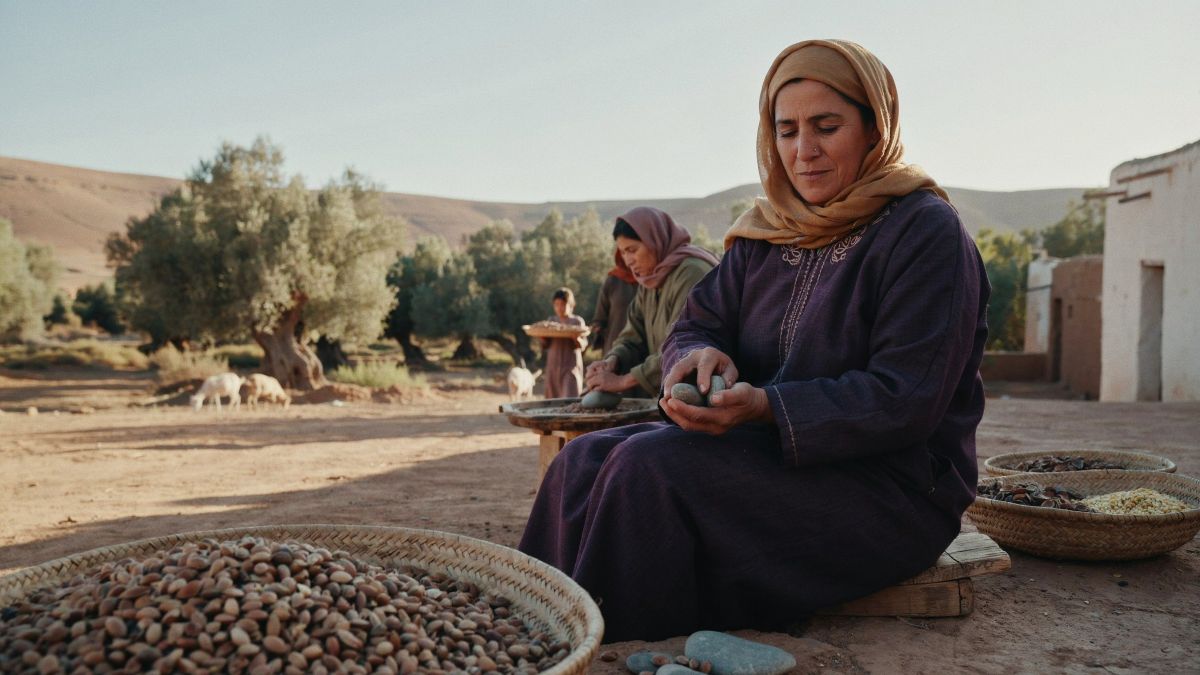 Image generated with Ai
Tunisia provide travelers with a close encounter with the local food culture through showing the process of growing the crops in areas that require irrigation. The gardens at Ghar El Melh use rainwater that lies above salt water to grow their crops on sandy lagoon land. The gardens located further inland such as Djebba have terraced gardens that produce figs and fruit and vegetables. These gardens allow travelers to take a look into them. They link the foods with the skills of locals and seasonal practices of the locals.
Africa’s farming heritage becomes a timely story
Morocco’s announcement comes as African countries discuss how to recognise and protect agricultural heritage. FAO reported that representatives from 16 countries gathered in Johannesburg for a regional workshop scheduled from 28 to 30 September 2026. They planned to discuss how to identify heritage systems, prepare proposals and create conservation plans.
The workshop placed local communities at the centre of that work. Farmers, herders, fishers and other residents hold knowledge passed down across generations. Any plan to protect a landscape must involve the people who live and work there.
This gives the travel story a wider focus than a list of attractive places. Visitors can learn how farmers manage water, grow several crops on one plot, care for trees or process a local product. They can also ask how tourism income reaches the people who host them.
Advertisement
Advertisement
FAO recognises agricultural systems for their food production, biodiversity, knowledge and cultural value. The label does not certify a tourist attraction. Instead, it recognises a living system that communities continue to use and adapt.
Tunisia’s lagoon gardens grow food on sand
At Ghar El Melh in Tunisia, farmers grow vegetables on sandy plots beside a lagoon. The system is called Ramli, a word connected to sand. Its striking feature lies below the crops: roots draw on rainwater stored above the saltwater beneath it. Tides help shape this delicate balance.
Advertisement
Advertisement
Farmers developed the system centuries ago in a place with little arable land and limited fresh water. Today, the small plots grow vegetables such as potatoes, onions and beans for local markets. Fishing also supports life in the area. The system helps sustain the lagoon environment.
For visitors, this offers a vivid lesson in how people adapt to their surroundings. A field beside a lagoon may look ordinary at first. Understanding the water beneath the sand changes the view.
The most useful travel experience would explain the system through local knowledge. A guide could show how the plots work and describe how farmers respond to changing water conditions. However, official heritage information does not confirm a regular public tour schedule. Visitors should check access with local tourism authorities or community organisations before travelling.
Djebba’s hanging gardens turn steep slopes into a food landscape
Tunisia offers another striking example in Djebba El Olia. There, farmers have shaped mountain slopes into gardens with dry-stone terraces. The site sits about 600 metres above sea level, below Jbel el Gorrâa. Farmers grow figs, other fruit, vegetables and legumes within a system that combines trees, crops and livestock.
The terraces help make difficult ground productive. Farmers also manage irrigation together. Their shared rules help distribute water and limit waste. This collective system is part of the story behind the gardens, not just a detail about farming.
Djebba figs provide a direct link between the landscape and local food. The figs have an AOC label, which ties the product to its place of origin. They are sold fresh and dried, and made into products such as jam.
Advertisement
Advertisement
A visit could help travellers understand why a local ingredient feels connected to its home. They could see the terraces, learn about fig production and sample products where available. But article writers should not describe the AOC label as a tourism award. It identifies the product’s origin; it does not confirm that every farm welcomes visitors.
Morocco’s argan cooperatives connect visitors with local production
Morocco’s argan landscapes offer one of the clearest links between farming heritage and an existing visitor experience. FAO recognised the argan-based agroforestry system of Aït Souab–Aït Mansour in 2018. It combines argan trees, farming and pastoral activity in a dry region where water is scarce. Local systems include underground water-storage structures known as Matifyia.
The Moroccan National Tourist Office invites visitors to explore cooperatives around Agadir. There, travellers can learn how local producers make argan oil for food and cosmetic use. The office also points to honey and other products from the surrounding countryside.
Cooperatives give the story a human focus. Morocco’s Office for the Development of Cooperation describes women’s argan cooperatives in the Souss-Massa region. Its profiles refer to work that includes production, training and community services.
For travellers, the visit can be more than a shopping stop. A good experience explains where the nuts come from, how producers process them and what role the cooperative plays in local life. Visitors can ask whether products are made on site and how purchases support members.
Morocco’s 2026 programme adds a national policy angle to these existing experiences. It does not mean every cooperative has joined the programme, or that every visit follows the same format.
Advertisement
Advertisement
Tanzania’s layered gardens show another side of Kilimanjaro
Shimbwe Juu lies in northern Tanzania, on the slopes of Mount Kilimanjaro. The Chagga community’s Kihamba home gardens combine trees, banana plants, coffee shrubs and vegetables. The gardens also connect with livestock and forest resources. FAO has recognised the site as agricultural heritage since 2011.
This layered design lets families grow several kinds of food and useful plants in one area. Coffee provides income, while bananas, cassava, yams and other crops support local diets. The system includes more than 500 useful plants, including many that are not cultivated but are preserved within the landscape.
The story offers a fresh way to explore the Kilimanjaro region. Many visitors know the mountain as a place to climb. Its surrounding farms show how residents use the land and pass knowledge between generations.
The heritage site also faces pressure. Land scarcity, population growth and the departure of younger people all challenge the system and the transfer of knowledge. These issues add depth to a visitor story about food and culture.
Travellers should confirm whether visits to Shimbwe Juu are currently available. Information about the farming system does not provide a current tour timetable or booking details.
São Tomé and Príncipe brings cocoa from forest to table
São Tomé and Príncipe’s cocoa agroforestry system received FAO recognition in 2024. Farmers grow cocoa alongside crops such as bananas, breadfruit and taro. This mix supports household food supplies as well as income from cocoa.
Advertisement
Advertisement
FAO says cocoa and chocolate are helping to support a growing agritourism sector on the islands. That statement provides a direct link between farming and visitor experiences, although it does not give 2026 visitor numbers or details for individual tours.
Cocoa also carries a complex history. Production developed under colonial rule and was linked to slavery. In later years, some producers moved towards cooperative and fair-trade approaches. Any travel feature should include both parts of that history. Former plantations may be visually striking, but their past should not disappear behind a simple chocolate-tasting narrative.
A thoughtful visit could follow cocoa through the landscape: from the shade of the trees to the harvest, processing and final product. It could also ask how local farmers shape the experience and benefit from it.
South Africa’s rooibos story raises a question about recognition
In South Africa’s Cederberg region, visitors can explore the Rooibos Route. South African Tourism describes farm visits where travellers can meet producers, walk through fields and taste rooibos at its source. It also promotes tours that explain how the crop is grown and how climate conditions affect it.
Rooibos offers more than a drink to taste. The South African government documented the launch of an industry-wide benefit-sharing agreement in 2019 involving the rooibos industry and Khoi and San representative bodies. The agreement recognised the importance of Indigenous knowledge associated with the plant.
This creates a useful question for visitors: whose knowledge tells the story of rooibos, and how does tourism acknowledge that contribution?
Advertisement
Advertisement
A tour ticket does not automatically contribute to benefit-sharing payments. Travellers should ask tour operators how they work with local communities and how they present the history of the crop. Writers should also avoid claiming that the Cederberg is a GIAHS site; the evidence confirms rooibos tourism and the agreement, not that designation.
A richer journey depends on local voices
Africa’s invisible foodscapes make rural trips very important. Morocco makes efforts in its 2026 heritage campaign in connection with its agricultural heritage, while in Tunisia the gardens explain how the growers take care of their rarest resources – the water. The multi-story agriculture system of Tanzania provides food and livelihood, whereas São Tomé and Príncipe reveals the relation between cocoa plantations and forest farming and history. In turn, the routes of South Africa’s rooibos help visitors get acquainted with the local communities’ knowledge.
Advertisement
