
Barcelona Travel Alert As Cruise Visitors Face Historic Tourism Tax Surge Reaching €24 By 2030

Published
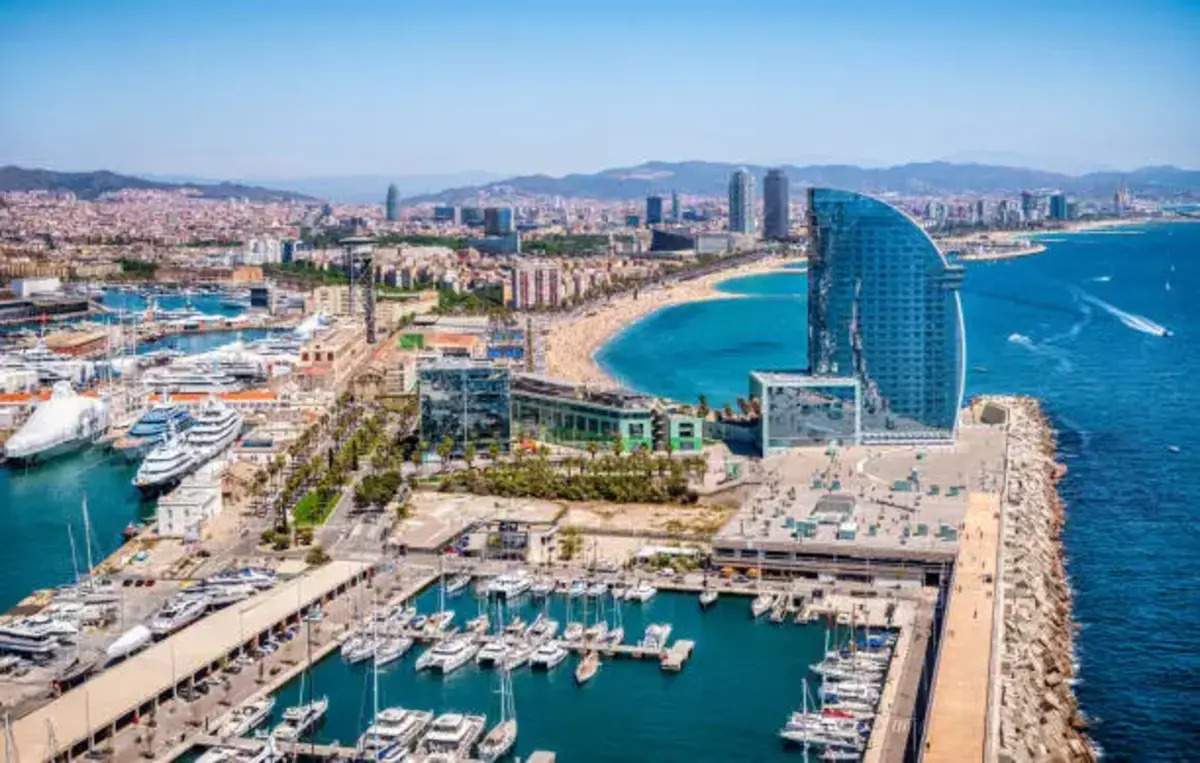
Barcelona has announced progressive increases to its cruise tourism tax, aimed at bringing the local surcharge on short-stay cruise passengers to €24 by 2030. Barcelona is trying to find ways to manage high volume cruise ship arrivals, and simultaneously optimize and diversify its tourism economy. The tax will help ease the negative effects of the current concentrated visitor economy while also helping to finance the funding of actions to mitigate the negative impacts of tourism.
The new charge will be introduced step by step over the next four years. The municipal surcharge will increase to €12 in 2027, rise to €16 in 2028, reach €20 in 2029 and settle at €24 in 2030.
Advertisement
Advertisement
The measure specifically applies to cruise passengers who arrive in Barcelona for a short daytime visit and leave without spending a night in the city. Authorities are targeting this category of visitors because large groups arriving for limited periods can create pressure on public spaces, transport systems and major attractions.
Barcelona is increasingly focusing on tourism management policies that prioritise economic value and sustainability rather than simply increasing visitor numbers.
Advertisement
Advertisement
Barcelona Cruise Visitors Face Fourfold Increase In Local Tourism Levy
The new plan represents a significant rise from the current municipal surcharge of €6 paid by cruise day visitors.
Once fully implemented in 2030, the local charge will be four times higher than today’s level. The surcharge will also be added to the existing tourism tax applied across Catalonia, meaning the final amount paid by cruise passengers will exceed the €24 municipal fee.
Advertisement
Advertisement
The combined tourism charges could reach around €30 per visitor per day when regional taxes are included.
The increase is aimed at ensuring that short-stay cruise visitors contribute more towards the costs linked to tourism management. Barcelona has experienced growing pressure in areas with high visitor concentration, especially around historic neighbourhoods, central streets and waterfront locations.
Advertisement
Advertisement
By raising the contribution from cruise day visitors, the city plans to support services required to handle large visitor flows while maintaining the quality of urban spaces.
New Tax Expected To Generate Millions For Barcelona Tourism Management
Barcelona expects the revised cruise visitor surcharge to create a significant increase in tourism-related revenue.
The city estimates that additional income could reach approximately €23 million to €24 million each year by 2030 if cruise passenger numbers remain stable.
The funds are expected to support essential services connected with tourism activity, including public area maintenance, cleaning operations, transport management and visitor infrastructure.
Advertisement
Advertisement
Cruise arrivals often bring thousands of passengers into the city within a short period. While these visitors contribute to the local economy through spending on restaurants, attractions and shopping, the city also faces increased demand for public resources during busy arrival periods.
The new tax structure aims to create a stronger financial link between tourism activity and the services required to manage it.
Barcelona Shifts Towards Higher-Value Tourism Strategy
The cruise tax increase is part of Barcelona’s wider move towards a different tourism model.
The city has been working to reduce pressure caused by concentrated visitor flows and encourage tourism that delivers stronger economic benefits.
Over recent years, Barcelona has increasingly focused on attracting travellers who stay longer, use local accommodation and contribute more widely to businesses across the destination.
Cruise passengers remain an important part of the city’s international tourism sector. Barcelona is one of Europe’s largest cruise ports and plays a key role in global cruise routes, serving both passengers beginning or ending their journeys and travellers visiting for short stopovers.
Advertisement
Advertisement
However, the economic impact of a short cruise visit differs from that of an overnight stay. The new surcharge aims to address this difference by increasing the contribution of passengers who spend only a few hours in the city.
Cruise Sector Raises Concerns Over Barcelona Tax Increase
The planned increase has attracted criticism from parts of the cruise industry, which believes the additional charge places too much focus on cruise passengers.
Industry representatives have supported efforts to improve tourism sustainability but have questioned whether cruise visitors should face such a sharp rise compared with other travellers.
The cruise sector remains an important contributor to Barcelona’s tourism economy, supporting activities connected with ports, transport, hospitality, retail and local experiences.
The introduction of the higher surcharge highlights the wider challenge facing popular destinations across Europe. Cities are attempting to balance the economic benefits of tourism with concerns about overcrowding, infrastructure pressure and quality of life for local communities.
Barcelona’s new approach reflects the growing use of tourism taxes as a tool to manage visitor demand and fund destination services.
Advertisement
Advertisement
Barcelona Expands Measures To Manage Cruise Tourism Growth
The increased surcharge comes alongside other efforts to control the impact of cruise tourism.
Barcelona has already worked on plans connected with cruise terminal management and visitor distribution, aiming to reduce congestion in heavily visited areas.
The city’s tourism strategy increasingly focuses on improving the quality of visitor experiences while protecting public spaces and local communities.
Officials are seeking a system where tourism growth delivers stronger benefits without creating excessive pressure on infrastructure.
The new cruise visitor tax is part of this broader approach, encouraging a shift from high-volume tourism towards a more carefully managed model.
Short Cruise Visits To Barcelona Will Become More Expensive By 2030
The increase will not affect travellers immediately, as the new charges will be introduced gradually until 2030.
Advertisement
Advertisement
Cruise companies and passengers will have time to adjust as each stage of the surcharge comes into effect.
By the end of the decade, visitors arriving in Barcelona for only a few hours will pay significantly more through tourism-related charges.
The policy demonstrates Barcelona’s changing approach to managing international tourism. The city is moving towards a system where visitors who place greater demand on public resources make a larger contribution towards maintaining services and infrastructure.
As global tourism continues to grow, Barcelona’s decision highlights the increasing focus among major destinations on controlling visitor pressure while protecting long-term tourism value.
Advertisement
