
South Africa Joins Dominic Republic and Other Destinations as Young Traveller Arrivals Redefines Tourism

Published
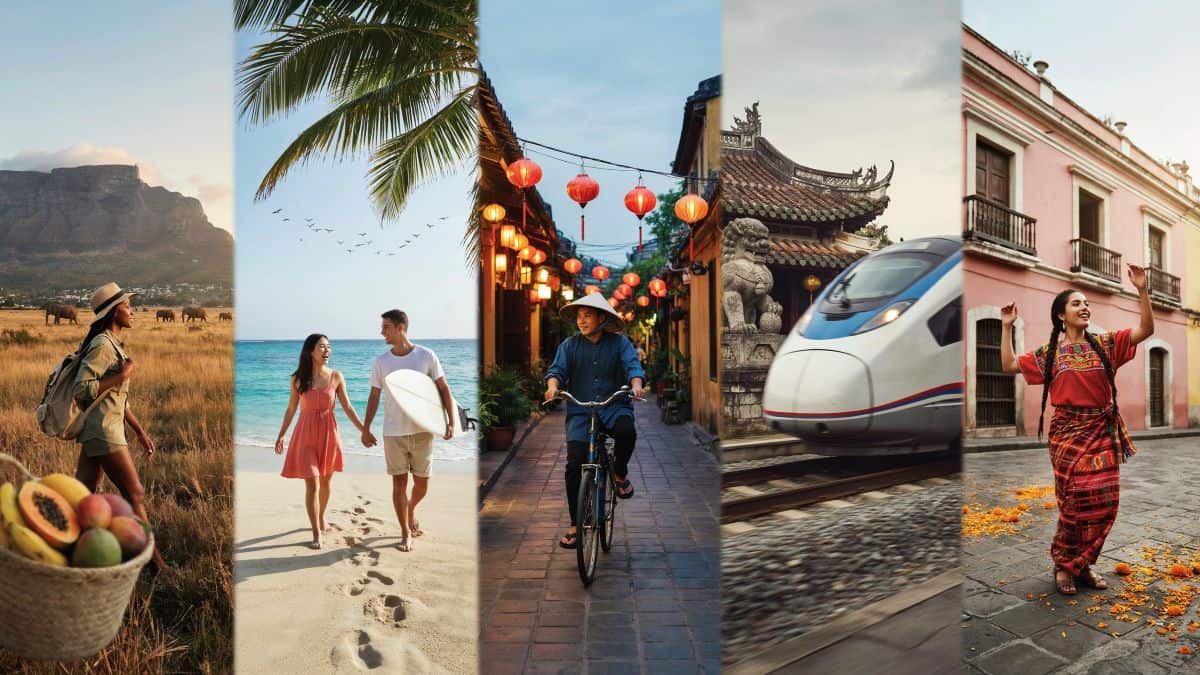
Image generated with Ai
South Africa, the Dominican Republic, Vietnam, China and Mexico delivered strong international tourism results during the first half of 2026. They are growing up in a competitive world that is demanding value, freedom of choice, local culture and memorable experiences, as the young traveller changes. The number of international visitors to South Africa rose by 12.3%. Foreign tourism to Vietnam increased 14.9%, and 20.4% to China. Mexico and the Dominican Republic set new first-half records as well. The message is loud and clear. Young visitors aren’t only choosing their travel destinations because of popular tourist attractions. They go where and when is determined by rules of entry, transportation fees, ease of the digital world, food, nightlife, nature and flexibility of itineraries.
Official agencies do not publish one comparable H1 2026 dataset separating arrivals by age across these countries. The figures below cover total international tourists, visitors or foreign entries. They confirm market growth, while the youth analysis explains why these destinations match changing travel priorities.
Advertisement
Advertisement
Young Traveller Tourism Boom: Five Countries Driving the 2026 Shift
| Destination | Verified H1 2026 result | Annual change | Competitive advantage |
|---|---|---|---|
| South Africa | 5,584,473 international tourists | +12.3% | Adventure, wildlife and regional demand |
| Dominican Republic | 6,616,671 visitors | +7.7% | Air, cruise and resort diversification |
| Vietnam | Nearly 12.3 million international arrivals | +14.9% | Affordability, food and connected itineraries |
| China | 22.91 million foreign inbound trips | +20.4% | Rapid visa-free entry growth |
| Mexico | 24.5 million international tourists | +4.6% | Culture, connectivity and tourism scale |
Each country is growing for a different reason. Together, they reveal one powerful trend: destinations win when they remove travel barriers and increase the number of experiences available within one trip.
South Africa Tourism Surge Turns One Holiday Into Many Adventures
South Africa welcomed 5,584,473 international tourists between January and June 2026. That was 12.3% more than during the same period in 2025, according to the South African Government.
Advertisement
Advertisement
African arrivals increased by 14.3%, while overseas arrivals grew by 5.6%. June maintained the momentum with 823,365 tourists, representing annual growth of 9.8%.
Advertisement
Advertisement
South Africa offers something increasingly valuable: high “experience density”. One itinerary can connect:
- Cape Town’s beaches and neighbourhoods
- Johannesburg’s history and creative culture
- Wildlife parks and conservation activities
- Vineyards and regional food
- Hiking, surfing and coastal road trips
- Small towns and community experiences
This variety gives younger visitors more control. They can build a safari, city break and beach holiday around one international journey instead of paying for three separate trips.
The next challenge is practical. Safer mobility, dependable transport, transparent prices and better links to secondary destinations will determine whether visitors travel beyond established tourism centres.
Advertisement
Advertisement
Dominican Republic Tourism Record Breaks the Resort-Only Formula
The Dominican Republic received a record 6,616,671 visitors during H1 2026. Arrivals rose 7.7% from H1 2025 and 11% from the same period in 2024, according to the Dominican Ministry of Tourism.
The total included:
Advertisement
Advertisement
- 4,963,542 air tourists
- 1,653,129 cruise visitors
- 71% average hotel occupancy
- Visitor satisfaction of 4.4 out of five
- A 92% stated intention to return
Punta Cana remains the principal gateway, but the tourism offer now reaches further. Santo Domingo, Samaná, Miches, Puerto Plata, Santiago, Jarabacoa and the Colonial City add history, nightlife, mountains, food and outdoor adventure.
This diversification matters. Younger visitors often want a beach, but they also want reasons to leave it. Local excursions and city experiences can move spending into restaurants, transport services, cultural sites and independently operated businesses.
A high return intention also creates valuable online advocacy. Satisfied visitors can influence future demand through personal recommendations, photographs and destination reviews.
Vietnam Tourism Growth Converts Affordability Into Longer Journeys
Vietnam welcomed nearly 12.3 million international arrivals during the first half of 2026. That represented 14.9% year-on-year growth, according to the Vietnam National Authority of Tourism.
China supplied around 2.7 million visitors, making it Vietnam’s largest inbound market. The Republic of Korea followed with approximately 2.16 million.
Advertisement
Advertisement
Affordability gives Vietnam an advantage, but mobility makes that advantage more powerful. Trains, buses and domestic flights allow visitors to connect several places without building an expensive itinerary.
Popular routes can combine:
- Hanoi and northern mountain areas
- Ha Long Bay and Ninh Binh
- Da Nang, Hoi An and Hue
- Ho Chi Minh City and the Mekong Delta
- Coastal towns linked by rail
Street food, café culture, beaches and heritage districts give every stop a different identity. This encourages longer stays and disperses spending across several destinations.
Rapid expansion demands careful management. Vietnam must protect heritage, improve waste systems and prevent excessive visitor pressure from weakening the local character that drives demand.
China Visa-Free Entry Unlocks Powerful International Travel Growth
China recorded 22.91 million inbound trips by foreign nationals during H1 2026. The number increased 20.4%, according to China’s National Immigration Administration.
Advertisement
Advertisement
Visa-free travel produced the strongest signal:
| China inbound indicator | H1 2026 result |
|---|---|
| Visa-free foreign entries | 17.82 million |
| Share of foreign inbound entries | 77.7% |
| Annual visa-free growth | 30.6% |
These figures cover foreign border entries and not leisure tourists alone. However, they demonstrate how quickly international mobility can respond when a destination reduces administrative barriers.
For younger visitors, less paperwork means lower planning friction. It makes short holidays, stopovers and spontaneous additions to wider Asian itineraries easier.
China’s high-speed rail network strengthens that appeal after arrival. Visitors can connect major cities, heritage centres, food regions and natural landscapes without repeatedly flying.
Mexico Tourism Records Combine Beaches, Culture and Global Connectivity
Mexico welcomed a record 24.5 million international tourists during H1 2026, an increase of 4.6%, according to Mexico’s Secretariat of Tourism.
Advertisement
Advertisement
The wider international traveller count reached 51.1 million, up 7.7%. International visitor spending totalled US$18.781 billion.
Cruise tourism delivered another major increase:
- 6.6 million cruise passengers
- 15.2% growth in cruise arrivals
- 18.7% growth in cruise visitor spending
Mexico succeeds because it serves several travel styles. Cancun and the Caribbean coast provide established resort capacity. Mexico City, Oaxaca, Guadalajara and archaeological regions offer food, festivals, art and history.
The strongest growth opportunity now lies beyond the best-known destinations. Better links to secondary cities and community-run experiences could spread visitor spending while reducing pressure on crowded coastal centres.
Why Young Traveller Priorities Redefine Global Tourism Competition
The five markets expose a new tourism formula. Inspiration may begin with a beach, safari, city or viral food video, but convenience converts that interest into a booking.
Advertisement
Advertisement
Destinations positioned for younger demand increasingly provide:
- Simple visa and border processes
- Affordable local transport
- Mobile-friendly booking and payments
- Reliable safety information
- Flexible accommodation
- Local food and cultural experiences
- Easy access to secondary destinations
In conclusion, H1 2026 data do not classify every additional arrival as young. They show that South Africa, the Dominican Republic, Vietnam, China and Mexico are growing through conditions strongly aligned with younger travel behaviour. That connection explains why the influence of the young traveller redefines tourism. The deeper change is from attraction-led tourism to journey-led tourism. Travellers judge the complete experience, from entry and transport to price, freedom and local connection.
Advertisement
