
Estonia Teams Up With Ireland and More as Most Polite Service Hotspots of Europe Promise Global Travellers a Remarkable Holiday Experience

Published
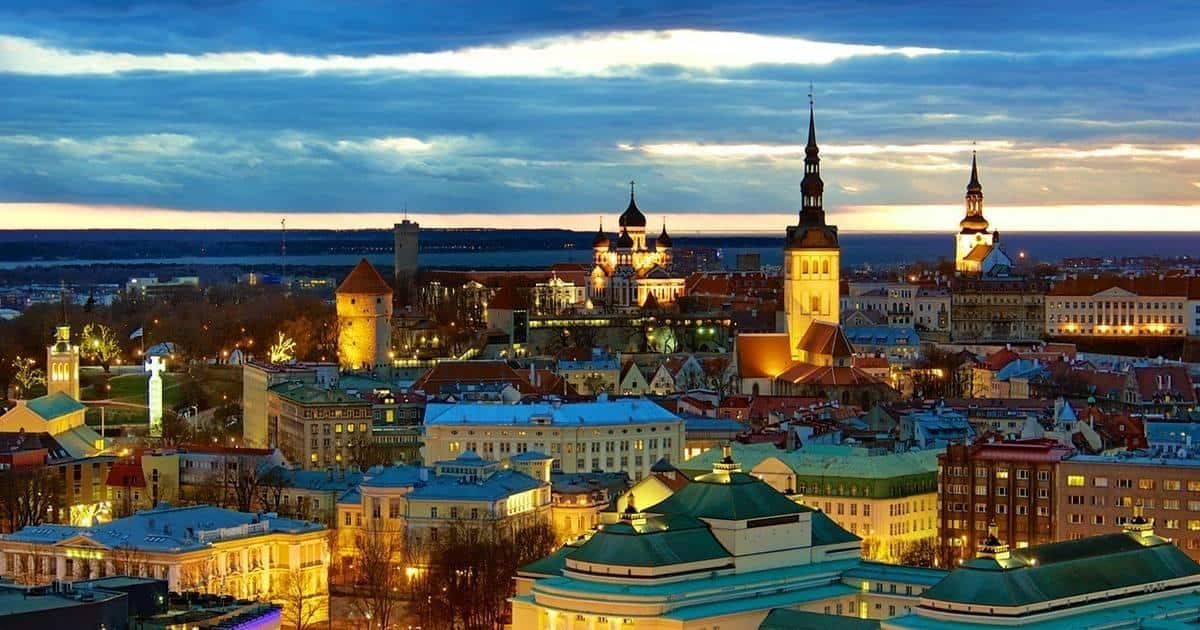
Estonia Teams Up With Ireland and More as Europe’s most polite service hotspots capture global travellers’ attention. These remarkable destinations are redefining how polite service can shape a memorable holiday experience. From Estonia and Ireland to Portugal, Iceland, Türkiye and Greece, these European hotspots offer travellers welcoming encounters alongside culture, scenery and unforgettable experiences. Moreover, polite service adds another layer to journeys, helping global travellers feel comfortable while exploring new places. Travel And Tour World urges readers to look beyond famous attractions and discover why these service hotspots are becoming increasingly appealing. As Estonia teams up with Ireland and more, Europe promises remarkable holiday experiences worth discovering.
Top 6 European Destinations With the Most Polite Service According to Travellers
Travellers increasingly consider the quality of human interaction when choosing where to spend a holiday. A welcoming conversation, patient assistance or an easy local interaction can transform an ordinary trip into a memorable experience.
Estonia led with a 98.46% satisfaction score. Ireland followed with 96.84%, while Portugal recorded 95.18%. Iceland achieved 94.55%, Türkiye scored 94.12%, and Greece received 92.73%.
These scores reflect reader perceptions rather than government assessments. They should therefore be treated as a travel indicator rather than an objective measure of national behaviour.
Advertisement
Advertisement
Five-Year Tourism Snapshot
| Destination | 2021 official tourism indicator | 2022 | 2023 | 2024 | 2025 | Traveller friendliness score |
|---|---|---|---|---|---|---|
| Estonia | 2.1m accommodated tourists | 3.3m | 3.4m | 3.6m | 3.7m | 98.46% |
| Ireland | Pandemic-restricted year | Major recovery | 6.3m overseas visitors | 6.6m | 6.4m | 96.84% |
| Portugal | Pandemic-restricted year | Recovery | Strong recovery | Record-level tourism | 32.5m accommodation guests | 95.18% |
| Iceland | 5.01m registered overnight stays | 8.55m | 9.52m | Recovery continued | Strong tourism activity | 94.55% |
| Türkiye | Pandemic-restricted year | Strong recovery | Strong international demand | Continued expansion | Record-level tourism | 94.12% |
| Greece | Pandemic-restricted year | Strong recovery | 2023 baseline | 12.8% inbound-flow increase | Latest annual data subject to national release | 92.73% |
The indicators are country-specific official measures and should not be interpreted as directly comparable visitor-arrival totals.
1. Estonia — 98.46% Traveller Satisfaction
Estonia takes the top position with a remarkable 98.46% satisfaction score in the 2025 reader ranking. The Baltic country combines medieval heritage, forests, islands and digitally connected urban life. Tallinn is the natural starting point, with its historic centre providing a compact introduction to Estonia’s architecture and culture. Travellers should also consider Tartu for museums, cafés and a younger cultural atmosphere, while Saaremaa offers a slower island experience. Official Estonian tourism information highlights Tallinn, Tartu and the country’s wider regions, while national statistics show that tourism has steadily recovered. Estonia’s accommodation establishments recorded about 3.7 million tourists in 2025, including approximately 1.95 million foreign and 1.74 million domestic tourists. That compared with 3.6 million in 2024, 3.4 million in 2023, 3.3 million in 2022 and 2.1 million in 2021. Foreign tourists reached about 1.9 million in 2025, up 5% from 2024. Around 73% of foreign tourists stayed in Harju County, with Tallinn accounting for about 70% of foreign overnight visitors. A practical itinerary is three nights in Tallinn, one night in Tartu and two nights on Saaremaa. Travellers can explore medieval streets, museums, coastal scenery and local food. Rye bread, smoked fish, kama and hearty soups are worth trying. Accommodation can range from central Tallinn hotels to guesthouses and countryside stays. For a more relaxed trip, visitors should travel outside the busiest summer period. Estonia’s strong digital infrastructure also makes advance planning straightforward.
Advertisement
Advertisement
2. Ireland — 96.84% Traveller Satisfaction
Ireland ranks second with a 96.84% traveller satisfaction score, making it particularly attractive for visitors who value conversation, culture and community experiences. Dublin is the obvious international gateway, but travellers should quickly consider moving west. Galway provides a lively base for exploring Connemara, the Burren and the Atlantic coastline. Tourism Ireland promotes the 2,500-kilometre Wild Atlantic Way, stretching from Donegal towards West Cork. A seven-day itinerary could begin with two nights in Dublin before continuing to Galway, County Clare, Kerry and Cork. Visitors can combine coastal walks with castles, archaeological sites and traditional music. Irish food also deserves a central place in the journey. Seafood, oysters, soda bread, farmhouse cheese and traditional Irish breakfasts are useful starting points. Travellers can choose city hotels in Dublin and Galway, then country guesthouses or self-catering accommodation along the Wild Atlantic Way. Ireland’s official statistics show 6.3 million overseas visitors in 2023, 6.6 million in 2024 and just over 6.4 million in 2025. The 2025 total was 3% below 2024, while visitors spent about €5.5 billion during the year. Average trip duration remained 7.5 nights. Great Britain represented 38% of visitors, Continental Europe 33%, North America 24% and other markets 5%. The official data also show that 40% of visitors travelled primarily for holidays, leisure and recreation. This makes Ireland particularly suitable for travellers seeking a combination of scenery and social experiences.
3. Portugal — 95.18% Traveller Satisfaction
Portugal occupies third place with a 95.18% satisfaction score. The country offers one of Europe’s most versatile travel combinations, covering historic cities, Atlantic beaches, vineyards, islands and mountain landscapes. Lisbon works well for a first visit, particularly around the historic districts and waterfront. Porto adds a different atmosphere with its riverfront setting, historic centre and northern food traditions. Travellers with more time can continue into the Douro Valley, Alentejo or Algarve. Madeira and the Azores offer alternatives for visitors seeking nature and island scenery. Portugal’s official tourism platform divides the country into major regions including Lisbon, Porto and the North, Central Portugal, Alentejo, Algarve, Azores and Madeira. Food should be part of the itinerary rather than an afterthought. Visitors can try bacalhau, grilled sardines, caldo verde, regional cheeses and pastel de nata. Port wine and wines from the Douro provide further regional context. A practical eight-day plan could allocate three nights to Lisbon, two to Porto, two to the Douro Valley and one night for onward travel. City hotels, guesthouses, rural wine estates and coastal resorts provide varied accommodation. Portugal’s national statistics office reported 32.5 million guests in tourist accommodation during 2025, with 82.1 million overnight stays. The figures underline the scale of the tourism sector. Travellers seeking quieter experiences should consider shoulder-season journeys and smaller towns. Portugal’s high reader satisfaction therefore fits naturally with a travel style centred on food, conversation, culture and slower regional exploration.
Advertisement
Advertisement
4. Iceland — 94.55% Traveller Satisfaction
Iceland ranks fourth with a 94.55% score and stands apart from the warmer Mediterranean destinations in the list. The country combines a relatively small population with dramatic volcanic and glacial landscapes. Reykjavík is the principal base for international visitors, but travellers should spend time beyond the capital. The official Golden Circle route links Þingvellir National Park, the Geysir geothermal area and Gullfoss waterfall. The South Coast adds black-sand beaches, waterfalls and glacier landscapes. A five-day itinerary could include two nights in Reykjavík, one night around the Golden Circle and two nights along the South Coast. A longer seven-day trip allows more time for the eastern and northern regions. Icelandic food includes lamb, seafood, skyr, rye bread and locally sourced dairy products. Travellers should choose accommodation based on their route because long daily drives can become tiring. Reykjavík hotels and guesthouses suit city stays, while countryside hotels, farm accommodation and cabins work better outside the capital. Statistics Iceland recorded 5.01 million registered overnight stays in 2021, rising sharply to 8.55 million in 2022 and 9.52 million in 2023. Foreign overnight stays reached about 6.58 million in 2022 and 7.56 million in 2023. Official 2025 figures also show the continued economic importance of tourism. Tourism consumption reached nearly ISK 914 billion in 2025, while tourism accounted for 8.8% of Iceland’s GDP. Visitors should monitor weather, road conditions and seasonal daylight before travelling. Iceland rewards careful planning rather than rushed sightseeing.
5. Türkiye — 94.12% Traveller Satisfaction
Türkiye receives a 94.12% satisfaction score and offers perhaps the broadest cultural mix among the six destinations. Istanbul can provide several days of history, architecture, markets and food before travellers move into other regions. Cappadocia is particularly valuable for visitors interested in landscapes and heritage. GoTürkiye highlights its fairy chimneys, cave accommodation, local cuisine and handmade carpets. Antalya and the Mediterranean coast provide a contrasting beach-focused experience. A nine-day itinerary could begin with three nights in Istanbul, continue with three nights in Cappadocia and finish with three nights around Antalya. Travellers should try Turkish breakfast, meze, kebabs, pide, regional pastries and traditional tea. Accommodation ranges from historic-city hotels to Cappadocian cave properties and Mediterranean resorts. Visitors should also allow time for local markets and neighbourhood restaurants instead of limiting meals to major tourist areas. Türkiye has experienced a major tourism recovery since the pandemic period. National statistical reporting shows tourism income and visitor indicators continuing to be closely monitored through 2025. The destination’s scale means travellers can tailor trips to culture, beaches, food, nature or history. Istanbul works especially well for first-time visitors because it connects European and Asian influences. Cappadocia provides a completely different landscape, while Antalya adds a Mediterranean dimension. Travellers should check visa requirements, seasonal weather and domestic transport connections before departure. Türkiye is particularly suited to visitors wanting variety without crossing multiple national borders.
6. Greece — 92.73% Traveller Satisfaction
Greece completes the six with a 92.73% satisfaction score. Its appeal comes from the combination of island hospitality, ancient heritage, food and coastal landscapes. Athens is the best starting point for first-time visitors because it provides access to the Acropolis and major archaeological sites. Travellers can then choose between island and mainland experiences. Santorini offers volcanic scenery, caldera villages and distinctive local products. The Greek National Tourism Organisation highlights local dishes including melitzanosalata and tomatokeftedes on Santorini. For a quieter experience, travellers can consider smaller islands or mainland destinations rather than concentrating entirely on famous hotspots. A seven-day plan could include three nights in Athens and four nights on one island. A longer itinerary can add Crete, the Cyclades or mainland archaeological sites. Greek food should be central to the experience, with dishes such as moussaka, grilled seafood, Greek salad, souvlaki, local cheeses and regional pastries. Accommodation ranges from Athens city hotels to island guesthouses, boutique properties and family-run stays. Greece recorded a major recovery in tourism after the pandemic. Bank of Greece data show that inbound traveller flows increased 12.8% in 2024 compared with 2023. Travel receipts reached €21.59 billion, while total overnight stays rose 1.9% to 240.8 million. Cruise tourism also strengthened, with 5,011.1 thousand estimated cruise passengers in 2024. Greece is therefore well suited to travellers who want cultural sightseeing during the day and relaxed coastal experiences later.
Traveller Comparison: Six Destinations at a Glance
| Rank | Destination | Reader score | Best for | Suggested stay | Signature experiences |
|---|---|---|---|---|---|
| 1 | Estonia | 98.46% | Heritage, nature, slow travel | 5–6 nights | Tallinn, Tartu, islands, forests |
| 2 | Ireland | 96.84% | Social travel, scenery, road trips | 7–10 nights | Dublin, Galway, Wild Atlantic Way |
| 3 | Portugal | 95.18% | Food, cities, coast, wine | 7–10 nights | Lisbon, Porto, Douro, Algarve |
| 4 | Iceland | 94.55% | Nature, road trips, adventure | 5–8 nights | Golden Circle, South Coast, Reykjavík |
| 5 | Türkiye | 94.12% | Culture, food, history | 8–10 nights | Istanbul, Cappadocia, Antalya |
| 6 | Greece | 92.73% | Islands, heritage, food | 7–10 nights | Athens, Santorini, Crete or other islands |
Five-Year Tourism Comparison
| Destination | 2021 | 2022 | 2023 | 2024 | 2025 |
|---|---|---|---|---|---|
| Estonia — accommodated tourists | 2.1m | 3.3m | 3.4m | 3.6m | 3.7m |
| Ireland — overseas visitors | Pandemic restrictions affected travel | Recovery year | 6.3m | 6.6m | 6.4m |
| Iceland — registered overnight stays | 5.01m | 8.55m | 9.52m | Continued high demand | Continued high demand |
| Portugal — accommodation guests | Pandemic-restricted | Recovery | Strong recovery | Record-level demand | 32.5m |
| Türkiye | Pandemic-restricted | Strong recovery | Strong demand | Continued expansion | Record-level tourism activity |
| Greece | Pandemic-restricted | Strong recovery | Strong demand | 12.8% inbound-flow increase | Latest full-year national figures subject to release |
What Travellers Should Take From the Ranking
The six destinations are not identical, and the friendliness scores should not be confused with objective service ratings.
Advertisement
Advertisement
Estonia stands out for its exceptionally high reader satisfaction and compact combination of heritage and nature.
Ireland is particularly attractive for travellers who enjoy conversations, music and community-focused experiences.
Portugal combines high hospitality perceptions with excellent food, wine, beaches and historic cities.
Iceland offers a quieter Nordic travel environment where the landscape is often the main attraction.
Türkiye delivers the strongest mix of continental-scale culture, food, archaeology, beaches and regional experiences.
Greece remains ideal for travellers who want ancient history and island life combined with strong hospitality traditions.
Advertisement
Advertisement
For international visitors, the most useful approach is to treat the ranking as a starting point. The strongest itinerary combines traveller-rated hospitality with practical considerations such as season, transport, accommodation, budget, weather and crowd levels.
Travellers should also remember that individual experiences can differ considerably. Respect for local customs, learning basic greetings and avoiding rushed interactions can make almost any European journey more rewarding.
Official Data Notes
Estonia’s Statistics Estonia data show 3.7 million accommodated tourists in 2025, compared with 3.6 million in 2024, 3.4 million in 2023, 3.3 million in 2022 and 2.1 million in 2021. Foreign tourists represented about 1.95 million of the 2025 total.
Ireland’s Central Statistics Office recorded just over 6.4 million overseas overnight visitors in 2025, compared with 6.6 million in 2024 and 6.3 million in 2023. Visitors spent approximately €5.5 billion in 2025 and stayed an average of 7.5 nights.
Portugal’s national statistics office reported 32.5 million guests and 82.1 million overnight stays in tourist accommodation during 2025.
Iceland recorded 5.01 million registered accommodation overnight stays in 2021, 8.55 million in 2022 and 9.52 million in 2023. Foreign overnight stays reached approximately 6.58 million in 2022 and 7.56 million in 2023.
Advertisement
Advertisement
Greece recorded a 12.8% increase in non-resident inbound traveller flows in 2024. Travel receipts reached €21.59 billion, while overnight stays increased 1.9% to 240.82 million.
Iceland’s preliminary 2025 Tourism Satellite Accounts show tourism consumption of almost ISK 914 billion and tourism contributing 8.8% of GDP.
Estonia scored 98.46%, Ireland 96.84%, Portugal 95.18%, Iceland 94.55%, Türkiye 94.12% and Greece 92.73%.
Conclusion
For global travellers, Estonia, Ireland and more are showing that a memorable European holiday is about more than landmarks and landscapes. Polite service, genuine hospitality and comfortable interactions can make every journey feel more rewarding. From Estonia’s historic streets and Ireland’s welcoming culture to Portugal’s food, Iceland’s dramatic scenery, Türkiye’s heritage and Greece’s island charm, each destination offers a distinctive travel experience. As these most polite service hotspots continue attracting international attention, travellers have more reasons to explore beyond traditional tourist routes. Travel And Tour World encourages visitors to discover these destinations, embrace local customs and experience Europe through its people, culture and hospitality.
Advertisement
