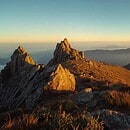
Image generated with Ai
Switzerland is expanding its tourism appeal beyond famous Alpine peaks as travellers discover a quieter side of the country through lake journeys, historic villages and nature-focused experiences. The Jura and Three Lakes region is emerging as a compelling destination for slow travel, connecting Lake Biel, Lake Neuchâtel and Lake Murten through scenic waterways, ferry routes, vineyards and cultural landscapes.
Located in north-western Switzerland, the region offers a different perspective of Swiss travel. Instead of crowded mountain resorts, visitors encounter peaceful lakeshores, medieval towns, forest trails, protected wetlands and traditional wine villages.
The destination combines outdoor adventure with relaxation, allowing travellers to explore by boat, bicycle, hiking trail or public transport. Its interconnected lakes and canals create a rare travel experience where a single journey can combine several landscapes and communities.
The Jura and Three Lakes area represents one of Switzerland’s most diverse yet less-explored tourism regions. The landscape stretches across gentle Jura hills, vineyards, agricultural areas and three major lakes: Lake Biel, Lake Neuchâtel and Lake Murten.
Advertisement
Unlike Switzerland’s high mountain destinations, this region focuses on accessible outdoor experiences. Travellers can enjoy peaceful boat journeys, lakeside walks, cycling routes, swimming areas and cultural discoveries without the intensity often associated with traditional Alpine tourism.
The region’s appeal comes from its balance between nature and heritage.Experience What Travellers Can Discover Ferry journeys Scenic crossings between lakes and villages Hiking Jura mountain trails and panoramic viewpoints Cycling Lakeside routes and countryside paths Wine tourism Vineyards along Lake Biel and Lake Murten Heritage tourism Medieval towns and historic landmarks Nature travel Wetlands, forests and protected landscapes
The area also provides opportunities for travellers seeking more sustainable forms of tourism. Public transport connections, walking routes and boat networks allow visitors to explore without relying heavily on private vehicles.
The highlight of the region is its interconnected lake system, where boats connect destinations across Lake Biel, Lake Neuchâtel and Lake Murten. The waterways are linked through canals including the Zihl and Broye canals, creating one of Switzerland’s most scenic inland travel routes.
Advertisement
Advertisement
A ferry journey through the region offers constantly changing scenery. Travellers move from vineyard-covered hills and lakeside villages to historic towns and natural reserves.Lake Main Attraction Lake Biel Vineyards, St Peter’s Island and lakeside villages Lake Neuchâtel Beaches, nature areas and cultural attractions Lake Murten Medieval town, vineyards and peaceful landscapes
The Three Lakes cruise experience allows visitors to discover multiple destinations during one journey while enjoying the slow pace of water travel.
This style of tourism is increasingly attracting travellers who prefer memorable journeys rather than simply reaching a destination quickly.
One of the most distinctive stops in the region is St Peter’s Island, located on Lake Biel. Despite its name, the island is now connected to the mainland by a natural land route but remains strongly associated with boat travel and peaceful landscapes.
The destination combines natural beauty with historical significance. Visitors can explore walking paths, forests, beaches and quiet lakeside areas while discovering the island’s cultural heritage.
The island has connections with famous historical figures, including philosopher Jean-Jacques Rousseau, who spent time there during the 18th century.
Today, St Peter’s Island represents a different style of Swiss tourism:
For travellers seeking tranquillity, the island provides an escape from crowded tourist centres.
Lake Biel is one of the region’s most attractive destinations, combining water activities with wine tourism and cultural exploration.
The northern shores of the lake are surrounded by vineyards and traditional villages where visitors can experience local winemaking traditions.
Popular locations include:Destination Highlight Ligerz Vineyard landscapes and wine culture La Neuveville Historic streets and lakeside charm Erlach Medieval atmosphere and access to St Peter’s Island Biel/Bienne Cultural attractions and urban experiences
The vineyards around Lake Biel are especially known for their scenic location between the lake and Jura hills. Wine routes allow visitors to explore local producers while enjoying panoramic views.
The region’s wine tourism adds another dimension to Switzerland’s travel appeal, offering experiences beyond famous mountain landscapes.
Although the Jura region does not compete with Switzerland’s highest Alpine peaks, it offers spectacular viewpoints through destinations such as Chasseral.
The mountain provides wide views across the countryside, including the three lakes and distant Alpine landscapes.
Travellers can explore:
The combination of gentle mountains and lake scenery makes the area suitable for a wider range of visitors, including families and leisure travellers who prefer moderate outdoor activities.
Lake Neuchâtel is the largest lake located entirely within Switzerland and forms a major part of the Three Lakes tourism experience.
The area combines:
The city of Neuchâtel adds an urban element with its old town, castle and lakeside setting.
Nature travellers are also drawn to protected areas such as Grande Cariçaie, Switzerland’s largest lakeside wetland reserve, known for biodiversity and birdlife.
The journey through the Three Lakes region often concludes in Murten, a medieval lakeside town known for its preserved architecture and historic atmosphere.
Visitors can explore:Attraction Experience Medieval walls Historic walking routes Old town Traditional architecture Lake Murten Water activities and scenic views Surrounding vineyards Wine tourism and countryside exploration
Murten represents the cultural side of the region, combining history with relaxed lakeside tourism.
The town demonstrates how Switzerland’s smaller destinations can deliver memorable experiences without the crowds of major tourist centres.
Changing traveller preferences are encouraging more visitors to explore destinations that offer authenticity, nature and slower experiences.
The Jura and Three Lakes region matches several growing travel trends:Travel Trend Regional Advantage Slow travel Ferry journeys and relaxed exploration Sustainable tourism Public transport and nature experiences Authentic travel Local villages and traditions Outdoor tourism Hiking, cycling and swimming Cultural exploration Historic towns and heritage sites
Modern travellers increasingly want destinations where they can connect with local communities and landscapes rather than simply visit famous attractions.
The Jura and Three Lakes region is located in north-western Switzerland and includes Lake Biel, Lake Neuchâtel and Lake Murten along with surrounding Jura landscapes.
Yes. The lakes are connected through waterways and canals, allowing scenic cruises between Lake Biel, Lake Neuchâtel and Lake Murten.
Popular activities include ferry trips, hiking, cycling, swimming, vineyard visits, nature exploration and discovering historic towns.
Yes. The region offers accessible walking routes, beaches, boat journeys and outdoor activities suitable for different age groups.
The destination combines peaceful landscapes, sustainable transport options, authentic communities and unique experiences away from crowded tourist areas.
Switzerland’s Jura and Three Lakes region is creating a new model for destination discovery by combining ferry adventures, nature, heritage and slow travel experiences. With Lake Biel, Lake Neuchâtel and Lake Murten connected through scenic waterways, the region offers an alternative to traditional Alpine tourism. From vineyards and medieval towns to peaceful islands and panoramic viewpoints, this hidden corner of Switzerland demonstrates that unforgettable journeys can be found beyond the country’s famous mountains.
Advertisement
Advertisement
Advertisement













Friday, September 4, 2026
Friday, September 4, 2026
Friday, September 4, 2026

Thursday, September 3, 2026

Wednesday, September 2, 2026

Friday, September 4, 2026

Friday, September 4, 2026