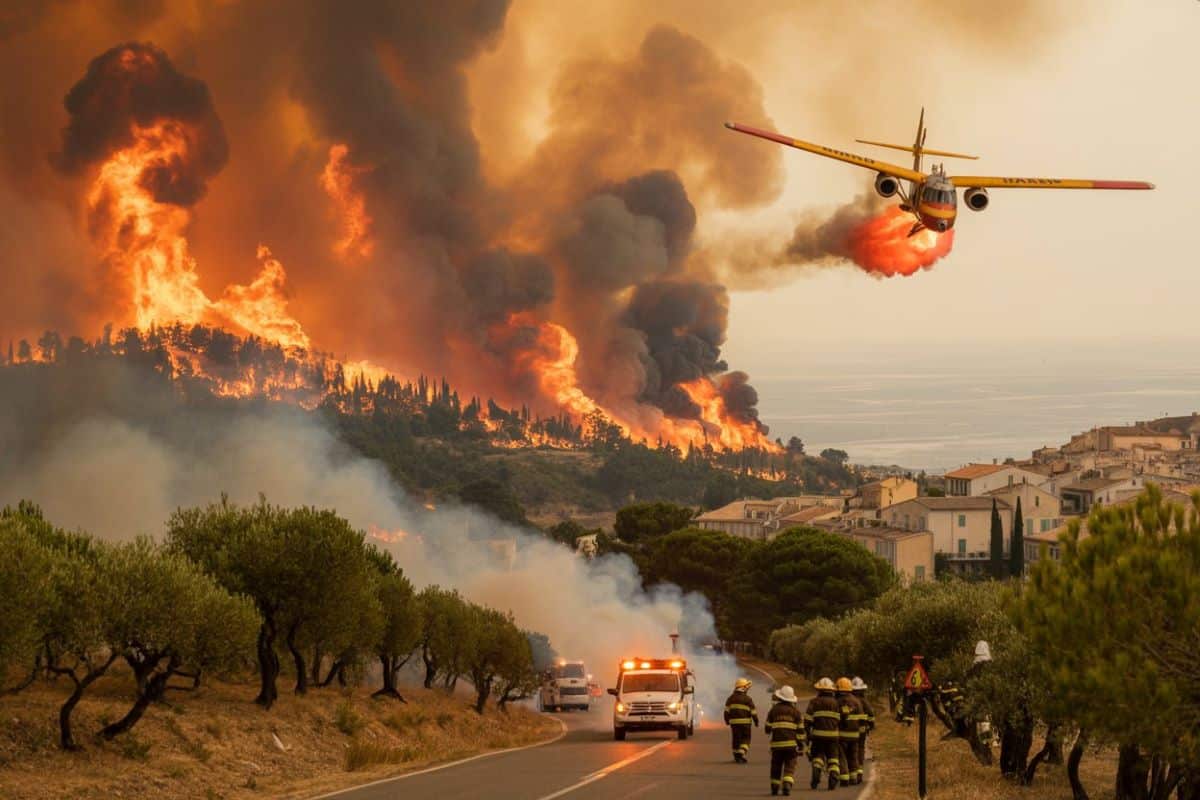
Image generated with Ai
Spain is facing a growing wildfire emergency across Zaragoza and Almería as extreme heat disrupts rural tourism, affects natural destinations and creates new travel safety challenges for visitors exploring key regions. The fires, intensified by dry conditions and high temperatures, have impacted rural communities, protected landscapes and outdoor travel experiences in affected areas. Emergency responses and monitoring efforts continue as authorities work to protect residents and visitors. The situation highlights increasing climate-related risks for Spain wildfire travel safety, with potential consequences for nature tourism, hiking routes and visitor planning across vulnerable Spanish destinations. Extreme weather events are reshaping travel decisions, destination safety measures and rural tourism management worldwide.
Spain is facing a major wildfire emergency during the 2026 summer season as extreme Mediterranean heat, dry landscapes and strong winds intensify fire activity across several regions. The Spain Wildfire Emergency 2026 has affected destinations including Zaragoza in Aragón, Almería in Andalusia and other rural areas where tourism depends heavily on natural landscapes, protected areas and outdoor experiences. The fires have forced evacuations, affected local communities and created travel concerns around accessibility and visitor safety. While Spain’s major urban tourism centres remain operational, travellers exploring rural destinations are being advised to follow official safety updates.
Advertisement
| Area | Travel Impact |
|---|---|
| Rural Spain | Possible access restrictions and route changes |
| Nature tourism | Temporary closures in affected areas |
| Local communities | Evacuations and emergency measures |
| Visitors | Need for updated safety information |
The wildfire situation demonstrates the growing connection between climate conditions and travel planning in Spain. Rural tourism, hiking, national park visits and outdoor activities are particularly sensitive during periods of extreme heat. The Copernicus Emergency Management Service (CEMS) On-Demand Mapping module (EMSR896) was activated to support emergency response by providing initial estimates of affected areas, fire boundary mapping and damage assessments. Travellers visiting affected regions may need to adjust itineraries, avoid restricted zones and check local emergency information before entering fire-risk areas.
The Zaragoza province wildfire in Aragón has affected the Cinco Villas region, creating challenges for rural tourism and local mobility. The fire near Orés expanded rapidly under dry and windy conditions, affecting areas around Asín, Luesia, Malpica de Arba and Uncastillo. Approximately thousands of hectares of land were impacted, while emergency mapping systems were activated to monitor fire progression and damage. For travellers, the situation may influence access to countryside attractions, heritage locations and outdoor tourism activities in northern Zaragoza. Visitors planning trips through Aragón’s rural landscapes should remain aware of changing conditions and follow official travel guidance.
Advertisement
Advertisement
| Location | Tourism Impact |
|---|---|
| Orés | Evacuations and emergency response activity |
| Asín | Fire reached nearby areas and affected access |
| Luesia | Potential impact on nature-based tourism |
| Uncastillo | Visitor movement may require monitoring |
The Zaragoza region is known for rural landscapes, historic villages and outdoor experiences that attract visitors seeking cultural and nature tourism. During wildfire emergencies, these activities can be affected by road restrictions, air quality concerns and temporary closures of natural areas. The impact is generally concentrated around fire zones rather than the entire province. The use of satellite technology, including Copernicus emergency mapping services, provides authorities with information on fire boundaries, affected land and potential risks. This information supports decisions that influence road management, visitor access and local emergency planning.
The wildfire emergency in Almería province has created serious concerns for communities and tourism areas in southeastern Spain. The blaze affected areas including Bédar and Los Gallardos, where approximately thousands of hectares were impacted during a period of extreme summer heat. Almería is a popular destination known for coastal tourism, natural landscapes and international visitors, including large expatriate communities. Although the wider province continues to welcome visitors, wildfire conditions can affect rural routes, outdoor activities and access to certain areas. Travellers exploring Andalusia should monitor local alerts during periods of elevated fire risk.
| Area | Potential Travel Effect |
|---|---|
| Bédar | Local disruption and emergency response |
| Los Gallardos | Community impact and travel caution |
| Rural Andalusia | Outdoor activity restrictions possible |
| Coastal tourism areas | Continue with safety monitoring |
Almería’s tourism economy combines beaches, nature attractions, desert landscapes and rural experiences. Wildfires create particular challenges for visitors participating in hiking, driving routes, cycling activities and countryside exploration. The region’s climate, while attractive for tourism, also creates vulnerability during periods of prolonged heat and drought. When vegetation becomes dry, fires can spread quickly, requiring authorities to prioritise public safety and emergency access.
The wildfire emergency has developed alongside a period of severe Mediterranean heat affecting Spain and other European countries. Temperatures rising above 40°C in several areas have increased vegetation dryness and created conditions where fires can spread quickly. Heavy spring rainfall also contributed to increased vegetation growth, which later became fuel during hotter summer conditions. These environmental factors have affected regions including Aragón, Andalusia and Castilla-La Mancha. For the tourism industry, extreme weather is becoming an important factor influencing travel decisions, outdoor activity planning and destination management.
| Climate Factor | Tourism Consequence |
|---|---|
| Extreme heat | Reduced outdoor comfort and increased risk |
| Dry landscapes | Higher wildfire vulnerability |
| Strong winds | Faster fire movement |
| Weather alerts | Changes to visitor plans |
The travel impact of the Spain Wildfire Emergency 2026 is mainly concentrated in rural destinations, protected areas and communities close to active fires. International tourists visiting Spain’s major cities and coastal resorts may not experience direct disruption, but travellers planning countryside trips need to remain flexible. Road access, hiking routes, national parks and outdoor attractions may be affected depending on local conditions. Tourism businesses in affected regions may also face short-term challenges due to cancellations, restricted access and changing visitor behaviour.
| Travel Segment | Impact |
|---|---|
| Rural tourism | Possible cancellations and restrictions |
| Nature parks | Temporary closures possible |
| Road travel | Route changes near affected areas |
| International tourism | Limited impact outside fire zones |
The Spain wildfire emergency across Zaragoza and Almería highlights the growing challenges faced by rural tourism, natural destinations and travel experiences during periods of extreme heat. As wildfires continue creating new travel safety challenges for visitors exploring key regions, destination management and visitor awareness remain essential for protecting communities and tourism activities. The impact of climate-related emergencies is reshaping how travellers plan outdoor experiences, access natural attractions and explore vulnerable areas. Spain’s response to wildfire risks will remain important in maintaining safe, responsible and resilient tourism while protecting its valuable landscapes and rural travel destinations.
Advertisement
Advertisement
Advertisement













Friday, September 4, 2026

Friday, September 4, 2026

Friday, September 4, 2026

Thursday, September 3, 2026

Wednesday, September 2, 2026

Friday, September 4, 2026

Friday, September 4, 2026