
Viking Yi Dun Launches Shanghai-Barcelona Tourism Voyage Across Asia, Africa and Europe: What You Need to Know Need to Know

Published
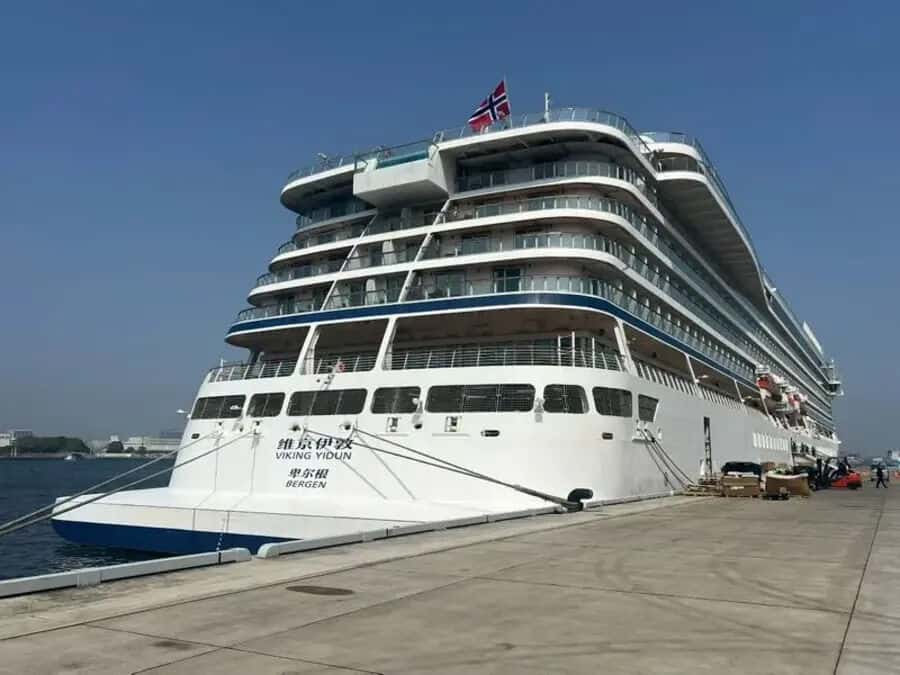
Shanghai to Barcelona marks a major turning point for Viking Yi Dun, as the cruise ship has departed Shanghai’s North Bund International Cruise Terminal for a roughly sixty-day journey that ends its Chinese-flag chapter and introduces a new transcontinental tourism product. The sailing is being positioned as Viking’s first Chinese-language transcontinental itinerary, with the company promoting it as a milestone for tourism and long-haul cruise travel from China to the Mediterranean.
The voyage is designed to link Shanghai with Barcelona through a route that crosses Southeast Asia, the Indian Ocean, Africa, and the Mediterranean, with calls in twenty-seven destinations across 16 countries. Reported stops include Singapore, Phuket, Sri Lanka, Seychelles, South Africa, Namibia, Morocco, and Tarragona before arrival in Barcelona, creating a wide regional tourism corridor that may attract attention from cruise travelers looking for multi-country itineraries.
Advertisement
Advertisement
Chinese-Language Cruise Push
Viking has framed the sailing as its first all-Chinese-service ocean voyage, built around a Mandarin-speaking hotel team, Chinese menus, Chinese signage, and a no-casino onboard format. That service model is aimed at senior-focused travelers and is intended to make long-distance cruising more accessible for Chinese-speaking guests, which could strengthen demand for premium tourism products departing from China.
The company also tied the departure to its tenth year in the Chinese market, signaling that the voyage is not only a repositioning move but also a brand-building effort. By creating a familiar onboard environment for Chinese travelers, Viking appears to be targeting a niche that combines international cruising with language-specific service, a formula that could influence future tourism offerings in the region.
Advertisement
Advertisement
From Chinese Flag To Norwegian
The sailing also ends the vessel’s time as China’s first five-star-flag oceangoing cruise ship, a status that gave it symbolic importance in the domestic cruise market. The ship was originally built as the Viking Sun, later acquired through the China Merchants and Viking joint venture, reflagged to the Chinese register, and renamed Zhao Shang Yi Dun before being formalized again as Viking Yi Dun.
Recent changes in ownership structure and branding led to the hull being repainted, the name being standardized, and the flag changing to Norwegian. That transition marks the end of one phase of China-linked cruise operations and the start of another, while also highlighting how cruise assets can move between national registries to serve changing tourism strategies. By creating a familiar onboard environment for Chinese travelers, Viking appears to be targeting a niche that combines international cruising with language-specific service, a formula that could influence future tourism offerings in the region.
Advertisement
Advertisement
Tourism Impact
The voyage could have a broader effect on tourism by promoting China-to-Europe cruise demand and by spotlighting intermediate ports along the route. Each stop on the itinerary has the potential to benefit from shore excursions, hotel nights, local transport, and passenger spending, especially in destinations that rely on cruise arrivals to diversify tourism earnings. The transition marks the end of one phase of China-linked cruise operations and the start of another, while also highlighting how cruise assets can move between national registries to serve changing tourism strategies.
For Shanghai, the departure reinforces the city’s role as a major cruise gateway and international departure point, while for Barcelona the arrival strengthens its position as a Mediterranean cruise hub. The itinerary also links lesser-discussed destinations such as Namibia and Seychelles to a high-profile cruise narrative, which may help those markets gain visibility in long-haul tourism planning.
Advertisement
Advertisement
The trip may also matter to the wider cruise sector because it shows how companies are tailoring long-distance products to specific language groups and regional demand patterns. If successful, this kind of itinerary could encourage more cruise operators to develop specialized tourism routes connecting Asia, Africa, and Europe through curated onboard experiences.
Why It Matters
This voyage is more than a ship transfer; it is a signal that Chinese-language cruise tourism is evolving into a longer, more international format. The move from a China-flagged domestic presence to a Norwegian-flagged transcontinental service reflects both market adaptation and the growing importance of premium cruise tourism for outbound Chinese travelers.
It also gives travel markets a fresh story: a single ship linking Shanghai and Barcelona while showcasing a broad tourism route across three continents. For cruise watchers, that makes Viking Yi Dun one of the season’s most notable repositioning voyages.
Image Credit: Viking Cruises
Advertisement
