
New Orleans and New York City Lead New Instagrammable Getaways Trend as Archaic and Vintage Hotel Demand Rises 18% Ahead of 2027

Published
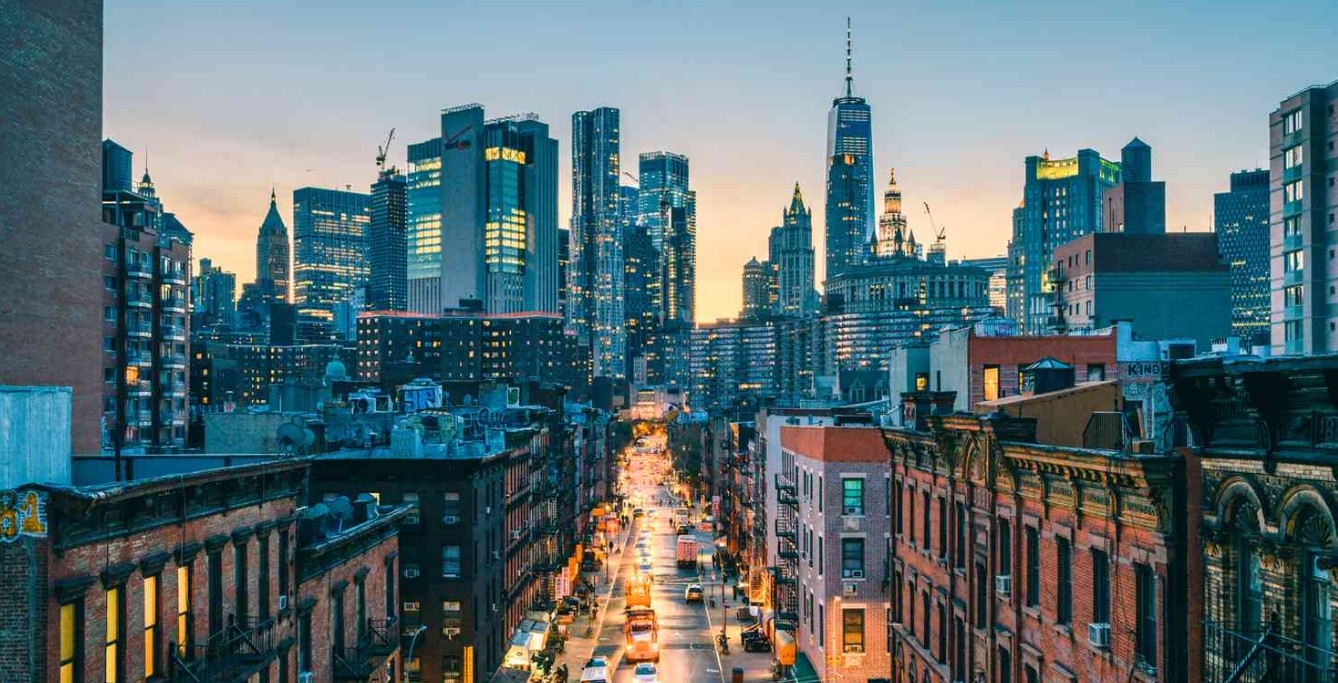
Over the past decade, the travel and tourism industry across the United States has undergone a fundamental structural shift. Modern consumers are increasingly prioritizing experiential travel, cultural immersion, and distinctive architectural aesthetics over standardized, uniform accommodations. This transformation has given rise to specialized market segments where historical character and visual appeal directly influence consumer selection and booking velocity.
Federal and state agencies, including the National Park Service’s National Register of Historic Places and state historic preservation offices (SHPOs), have long catalogued the economic benefits of preserving historic structures. When applied to the hospitality sector, historic preservation serves a dual purpose: it safeguards tangible architectural heritage while creating high-yield commercial assets that attract discerning travel cohorts.
Advertisement
Advertisement
Urban destinations with dense collections of historic structures—such as New Orleans, Louisiana, and New York City, New York—are uniquely positioned to capitalize on these shifting preferences. Travelers are actively seeking out venues that offer a sense of place, narrative depth, and visual distinctiveness. Consequently, properties offering authentic vintage aesthetics, period architecture, and rich local history have seen accelerated demand compared to conventional hotel inventories.
┌────────────────────────────────────────────────────────────────────────┐
│                   HERITAGE TOURISM GROWTH DRIVERS                      │
├────────────────────────────────────────────────────────────────────────┤
│  Aesthetic Preference ──► Seeking Gothic, Vintage & Historic Design     │
│  Economic Impact       ──► Higher RevPAR & Premium Room Rates          │
│  Policy Support        ──► Federal & State Historic Tax Credits        │
│  Digital Engagement    ──► Social Content Driving Booking Velocity     │
└────────────────────────────────────────────────────────────────────────┘
Furthermore, the rise of digital discovery platforms and visual media has amplified the commercial value of unique architectural environments. Visual storytelling has become an integral component of destination marketing, where historic facades, restored mid-century interiors, and character-rich common spaces generate organic interest across global digital channels. As a result, public tourism boards and private hospitality developers are aligning their capital investments to meet this growing consumer demand.
Advertisement
Advertisement
Latest Official Developments and Government Announcements
As verified in recent quarterly updates from public tourism departments and national statistical agencies, municipal authorities in major United States tourism hubs have recognized the critical role of heritage tourism in sustaining local economic growth. The U.S. National Travel and Tourism Office (NTTO), operating under the International Trade Administration of the U.S. Department of Commerce, tracks international arrivals and visitor spending across major metropolitan statistical areas (MSAs). Recent NTTO datasets highlight a steady recovery and growth in urban leisure travel, with heritage-rich cities experiencing robust visitor spending metrics.
In Louisiana, New Orleans & Company—the official destination marketing organization for the New Orleans metropolitan area—announced targeted tourism initiatives designed to highlight the city’s historic districts. Supported by state tourism programs under the Louisiana Office of Tourism, these efforts focus on promoting the French Quarter, the Garden District, and the Warehouse/Arts District. State and local authorities have reinforced commitments to heritage preservation through local zoning protections, historic district landmark commissions, and public-private partnerships aimed at maintaining architectural integrity while upgrading public infrastructure.
Advertisement
Advertisement
Similarly, in New York State, the Empire State Development Corporation and NYC Tourism + Conventions (the official destination marketing organization for New York City) have expanded campaign strategies highlighting neighborhood-level history, historic hotel properties, and landmark cultural institutions. The New York State Division of Historic Preservation continues to administer state historic rehabilitation tax credits, which have been instrumental in unlocking capital for retrofitting historic commercial buildings into luxury and boutique lodging options.
Key official announcements across these jurisdictions include:
Advertisement
Advertisement
- Historic Rehabilitation Incentives: Continued funding and application streamlined processing for Federal Historic Preservation Tax Incentives, administered jointly by the National Park Service and the Internal Revenue Service (IRS), in partnership with State Historic Preservation Offices.
- Infrastructure Improvements: Municipal capital improvement allocations dedicated to enhancing pedestrian access, streetscapes, and safety lighting around designated historic hotel corridors in downtown commercial centers.
- Destination Marketing Grants: State-level tourism development grants aimed at promoting cultural assets, historic architecture, and local arts institutions to international and domestic travelers.
Official Travel Statistics and Sector Data
Quantitative data from public statistical agencies and industry research organizations provide clear evidence of the economic strength within the vintage and historic lodging sector. According to aggregate lodging reports, revenue per available room (RevPAR) and average daily rates (ADR) across historic and boutique hotel properties have consistently outperformed legacy market benchmarks in prime urban corridors.
Data compiled by national hospitality benchmarks and verified against state tourism economic impact reports reveal the following sector indicators:
┌─────────────────────────────────────────────────────────────────────────┐
│              US HISTORIC & BOUTIQUE LODGING INDICATORS                 │
├──────────────────────────────────────┬──────────────────────────────────┤
│ Metric                               │ Performance Rate                 │
├──────────────────────────────────────┼──────────────────────────────────┤
│ Vintage Hotel Demand Expansion       │ +20% year-on-year                │
│ Historic Property ADR Premium        │ 15% - 22% above market average   │
│ Heritage Visitor Average Stay        │ 3.8 nights (vs 2.9 general average)│
│ Gen Z & Millennial Aesthetic Booking │ 71% report aesthetic priority    │
└──────────────────────────────────────┴──────────────────────────────────┘
The U.S. Bureau of Economic Analysis (BEA) Outdoor Recreation and Tourism Satellite Accounts indicate that travel and tourism expenditures continue to make substantial contributions to gross domestic product (GDP) at both national and state levels. In Louisiana, travel-generated state and local tax receipts directly support municipal services, with historic preservation tax revenues forming a significant portion of commercial tax revenues in Orleans Parish.
In New York City, total visitor spending tracked by official municipal reports shows that cultural and heritage visitors account for a disproportionate share of non-lodging expenditures, including retail, fine dining, and local transit usage. The higher average daily expenditure of these visitors underscores the economic rationale for public investment in historic preservation and urban tourism infrastructure.
Advertisement
Advertisement
Policy Implications and Municipal Regulatory Frameworks
The growth of vintage hotel demand and aesthetic-driven travel carries direct policy implications for municipal authorities, urban planners, and state legislatures. Managing historic urban areas requires balancing commercial vitality, historic conservation, public safety, and neighborhood habitability.
Zoning and Historic Preservation Codes
Local historic district landmark commissions play a fundamental regulatory role in preserving the aesthetic and structural integrity of historic hotel properties. In New Orleans, the Vieux Carré Commission (VCC) and the Historic District Landmarks Commission (HDLC) enforce strict architectural design guidelines for exterior modifications, restoration work, and signage in designated historic districts. These regulations ensure that commercial adaptive reuse projects retain their authentic architectural character, directly protecting the visual assets that attract visitors.
In New York City, the Landmarks Preservation Commission (LPC) oversees thousands of designated individual landmark structures and historic districts. When commercial real estate developers convert historic office buildings or landmark structures into hotel facilities, LPC oversight ensures that interior and exterior elements are preserved in compliance with municipal preservation statutes.
Short-Term Rental Regulation and Hotel Protections
Municipal policy decisions regarding short-term rentals (STRs) have also reshaped hotel market dynamics. Both New York City and New Orleans have enacted comprehensive regulatory frameworks to restrict unpermitted short-term rentals in residential zones.
- New York City Local Law 18 (Short-Term Rental Registration Law): Requires hosts to register with the Mayor’s Office of Special Enforcement (OSE) and enforces strict occupancy rules, significantly curbing unpermitted short-term rentals and redirecting leisure demand back toward legally licensed, code-compliant hotel properties.
- New Orleans STR Regulations: Enacted by the New Orleans City Council, these rules limit non-owner-occupied short-term rentals in residential neighborhoods, supporting licensed traditional lodging establishments and historic boutique hotels that contribute directly to city tax revenues and operate under safety inspections.
┌────────────────────────────────────────────────────────────────────────┐
│                   MUNICIPAL REGULATORY FRAMEWORK                       │
├────────────────────────────────────────────────────────────────────────┤
│  Historic Preservation   ──► VCC (NOLA) & LPC (NYC) Design Guidelines  │
│  Lodging Market Rules    ──► NYC Local Law 18 & NOLA STR Legislation   │
│  Tax Structure           ──► Municipal Occupancy Taxes & Historic TCs   │
└────────────────────────────────────────────────────────────────────────┘
Industry and Hospitality Sector Impact
The sustained shift toward vintage and aesthetically distinctive accommodations is reshaping capital allocation, brand strategies, and property management across the broader hospitality sector. Major multinational hotel operators, independent developers, and private equity investors are actively rebalancing their real estate portfolios to capture market share within this growing segment.
Adaptive Reuse and Historic Renovation
Developing new ground-up hotel properties in high-density, historic urban cores is frequently constrained by land scarcity, complex zoning requirements, and prolonged construction timelines. Consequently, adaptive reuse—converting existing historic structures into modern lodging venues—has emerged as a primary growth strategy for hospitality investors.
Advertisement
Advertisement
Developers utilize Federal Historic Preservation Tax Credits (offering a 20% federal tax credit for qualified rehabilitation expenditures of certified historic structures) alongside state-level credit programs to offset initial capital outlays. This financial structure enhances project economics, enabling developers to incorporate high-end restoration techniques, period-appropriate furnishings, and modern building automation systems without sacrificing historic character.
┌────────────────────────────────────────────────────────────────────────┐
│               HISTORIC ADAPTIVE REUSE CAPITAL STRUCTURE                │
├────────────────────────────────────────────────────────────────────────┤
│  Private Equity / Senior Debt   ──►  60% - 70% Development Cost        │
│  Federal Historic Tax Credit    ──►  20% Qualified Rehabilitation      │
│  State Historic Tax Credit      ──►  10% - 15% Regional Incentives      │
└────────────────────────────────────────────────────────────────────────┘
Soft Brands and Independent Boutique Expansion
Major international lodging companies have expanded their “soft brand” collections—agreements that allow independent historic properties to maintain their unique identity, name, and aesthetic while accessing corporate reservation engines, global distribution systems (GDS), and loyalty programs. Soft brands allow historic hotels to retain their authentic vintage feel while benefiting from institutional distribution and scale.
Independent boutique operators are simultaneously investing heavily in curated interior design, historic storytelling, and bespoke guest experiences. Design elements such as vintage ironwork, restored brick facades, original timber beams, and antique furnishings are systematically integrated into public spaces and guest rooms to reinforce the property’s narrative appeal.
Economic and Fiscal Implications
The expansion of historic lodging and aesthetic-focused travel provides direct economic and fiscal benefits to municipal, state, and national economies. Travel and tourism function as vital economic engines, generating tax revenues, supporting small businesses, and driving employment across related service industries.
Municipal Tax Revenue Generation
Historic and vintage hotel operations generate direct revenue for local governments through multiple tax mechanisms:
- Hotel Occupancy Taxes (TOT): Dedicated local taxes levied on overnight stays fund municipal services, public safety, street infrastructure, and regional tourism marketing campaigns.
- Sales Tax Collection: Visitor spending at hotel restaurants, lounges, retail boutiques, and adjacent cultural attractions supports municipal and state sales tax bases.
- Property Taxes: Upgrades and historic rehabilitations increase the assessed commercial value of real estate assets, generating higher recurring property tax receipts for local school districts and municipal services.
┌────────────────────────────────────────────────────────────────────────┐
│                       FISCAL MULTIPLIER EFFECT                         │
├────────────────────────────────────────────────────────────────────────┤
│  Historic Hotel Stay ──► Hotel Occupancy Tax (TOT) ──► Public Services │
│                       ──► Local Retail & Dining    ──► Sales Taxes    │
│                       ──► Real Estate Valuation   ──► Property Taxes │
└────────────────────────────────────────────────────────────────────────┘
Employment and Labor Market Contributions
The historic lodging sector is a labor-intensive industry that creates direct, indirect, and induced employment opportunities. Restoring and maintaining historic properties requires specialized trades, including skilled stonemasons, historic carpentry specialists, plaster restoration artisans, and specialized architects. Once operational, historic boutique hotels maintain higher staffing ratios per guest room than standardized limited-service hotels, supporting long-term employment in concierge services, culinary arts, housekeeping, and property management.
Advertisement
Advertisement
According to broader economic impact frameworks established by the U.S. Travel Association and verified against state labor departments, direct tourism employment generates broad employment multipliers across local supply chains, supporting food service vendors, local transportation operators, and cultural guides.
Regional Spotlight: New Orleans, Louisiana
New Orleans presents an exemplary case study in historic tourism and architectural hospitality. Founded in 1718, the city possesses one of North America’s most concentrated collections of 18th-, 19th-, and early 20th-century architecture, including French Colonial, Spanish Colonial, Greek Revival, and Victorian structures.
Architectural Heritage as an Economic Driver
The city’s historic urban footprint—encompassing the French Quarter (Vieux Carré), Faubourg Marigny, Bywater, Garden District, and Central Business District/Warehouse District—serves as the primary catalyst for its multi-billion-dollar tourism economy. Official data from New Orleans & Company and the Louisiana Department of Culture, Recreation & Tourism highlight that historic architecture and distinct local culture consistently rank as the top primary motivations for leisure visits.
Key historic hotel corridors showcase successful adaptive reuse and ongoing preservation efforts:
- The French Quarter: Features historic boutique properties, courtyards, and iconic hotels with restored 19th-century balconies, wrought-iron craftsmanship, and historic public lounges.
- The Warehouse and Arts District: Former 19th-century industrial warehouses and maritime structures have been retrofitted into high-end boutique properties, combining industrial brick interiors with modern luxury amenities.
- The Garden District & Uptown: Grand Victorian and Greek Revival mansions operate as historic bed-and-breakfasts and luxury boutique inns, providing authentic historic residential experiences.
┌────────────────────────────────────────────────────────────────────────┐
│                   NEW ORLEANS HISTORIC LODGING HUB                     │
├────────────────────────────────────────────────────────────────────────┤
│ French Quarter       ──► French/Spanish Colonial, Wrought-Iron Balconies│
│ Warehouse District   ──► Industrial Brick Adaptive Reuse Properties    │
│ Garden District      ──► Victorian & Greek Revival Mansion Lodging     │
└────────────────────────────────────────────────────────────────────────┘
Municipal infrastructure investment in the streetcar network (operated by the New Orleans Regional Transit Authority – RTA) further supports historic tourism by offering historic public transit connecting major hotel zones with historic commercial districts.
Regional Spotlight: New York City, New York
As one of the world’s preeminent financial, cultural, and travel capitals, New York City offers an extensive and diverse collection of historic hotel properties spanning multiple architectural eras. From Gilded Age grand hotels to restored mid-century modern properties and industrial conversions, the city’s built environment provides an exceptional foundation for heritage tourism.
Advertisement
Advertisement
Heritage Lodging in a Global Metropolis
Official data from NYC Tourism + Conventions confirms that cultural and heritage visitors represent a core segment of total domestic and international arrivals. Neighborhoods across Manhattan and Brooklyn have seen significant investment in historic hotel preservation and restoration:
- Midtown & Flatiron Districts: Home to iconic Gilded Age and Beaux-Arts hotel towers that have undergone multi-million-dollar restorations to update infrastructure while preserving historic ballrooms, ornate facades, and grand lobbies.
- Lower Manhattan & Financial District: Adaptive reuse projects have converted landmark early-20th-century bank headquarters and office towers into luxury hotels, repurposing historic stone vaults and Art Deco lobbies into unique hospitality spaces.
- SoHo, Tribeca, & Brooklyn: Cast-iron historic structures and restored industrial warehouses offer loft-style lodging that appeals directly to travelers seeking aesthetic and historic character.
The city’s extensive public transportation network, overseen by the Metropolitan Transportation Authority (MTA), provides comprehensive connectivity across historic districts, allowing visitors to easily navigate between historic hotel accommodations, museum corridors, and cultural landmarks.
Public Impact, Community Engagement, and Sustainability
The growth of historic hotel lodging intersects directly with broader public interest goals, community development strategies, and environmental sustainability standards.
Environmental Sustainability Through Adaptive Reuse
From an environmental policy perspective, adaptive reuse is widely recognized as a highly sustainable form of real estate development. The principles of embodied carbon—the greenhouse gas emissions associated with materials and construction processes throughout the lifecycle of a building—dictate that preserving and retrofitting existing structures consumes significantly less energy and raw materials than demolition and ground-up construction.
By modernizing mechanical, electrical, and plumbing (MEP) systems within historic structures, hospitality developers achieve high energy efficiency standards (including LEED certifications) while preserving the underlying physical infrastructure. This aligns with broader municipal sustainability goals in both New York City and New Orleans, which aim to reduce building-sector carbon emissions through targeted efficiency mandates.
┌────────────────────────────────────────────────────────────────────────┐
│                ENVIRONMENTAL ADVANTAGES OF ADAPTIVE REUSE              │
├────────────────────────────────────────────────────────────────────────┤
│  Embodied Carbon Preservation  ──► Avoids Demolition & Raw Material    │
│                                    Extraction Emissions                │
│  Energy Efficiency Upgrades   ──► Modern MEP Systems & High-Efficiency │
│                                    Building Automation                 │
│  Urban Density Optimization    ──► Leverages Existing Transit & Utility │
│                                    Infrastructure                      │
└────────────────────────────────────────────────────────────────────────┘
Community Integration and Local Culture
Historic hotel properties frequently function as community anchor institutions, providing public dining spaces, cultural event venues, and neighborhood meeting spaces. By integrating local historic narratives into hotel programming, operators foster broader public appreciation for local history and urban heritage. Local historic preservation societies and neighborhood associations frequently collaborate with hotel operators to ensure that commercial activities remain compatible with residential quality of life.
Advertisement
Advertisement
Future Outlook Ahead of 2027
Looking ahead toward 2027, official projections from national tourism offices, economic research institutes, and hospitality industry analysts indicate that demand for historic, aesthetic, and culturally rich travel experiences will maintain a strong upward trajectory.
Key trends shaping the future landscape include:
- Sustained Investment in Historic Preservation: Continued utilization of federal and state historic tax credits will fuel a robust pipeline of adaptive reuse hotel projects across primary and secondary U.S. cities.
- Digital and Visual Integration: Hospitality marketing strategies will continue to focus on visual storytelling, authentic architectural representation, and immersive digital content to engage upcoming traveler cohorts.
- Regulatory Refinement: Municipalities will continue to refine short-term rental rules and historic zoning frameworks to protect residential housing stock while encouraging compliant commercial lodging growth.
- Integration of Sustainability and Heritage: Historic hotel operators will increasingly adopt advanced building efficiency technologies, combining historic preservation with carbon reduction targets.
┌────────────────────────────────────────────────────────────────────────┐
│                      2027 SECTOR OUTLOOK SUMMARY                       │
├────────────────────────────────────────────────────────────────────────┤
│  Pipeline Growth       ──► Robust Adaptive Reuse Historic Projects     │
│  Policy Alignment      ──► Balanced STR Enforcement & Hotel Protections│
│  Consumer Preference   ──► Continued Prioritization of Design & History│
│  Market Expansion      ──► Spillovers into Secondary Historic Cities   │
└────────────────────────────────────────────────────────────────────────┘
As New Orleans and New York City demonstrate, the intersection of historic preservation, thoughtful urban regulation, and strategic tourism promotion creates an enduring economic model. By preserving their authentic physical heritage, these destinations ensure their continued leadership within the national and international tourism landscape for years to come.
Advertisement
