
France Beyond Paris Expands Global Travel Appeal With Hidden Regions, Culture and Luxury Experiences: All You Need to Know

Published
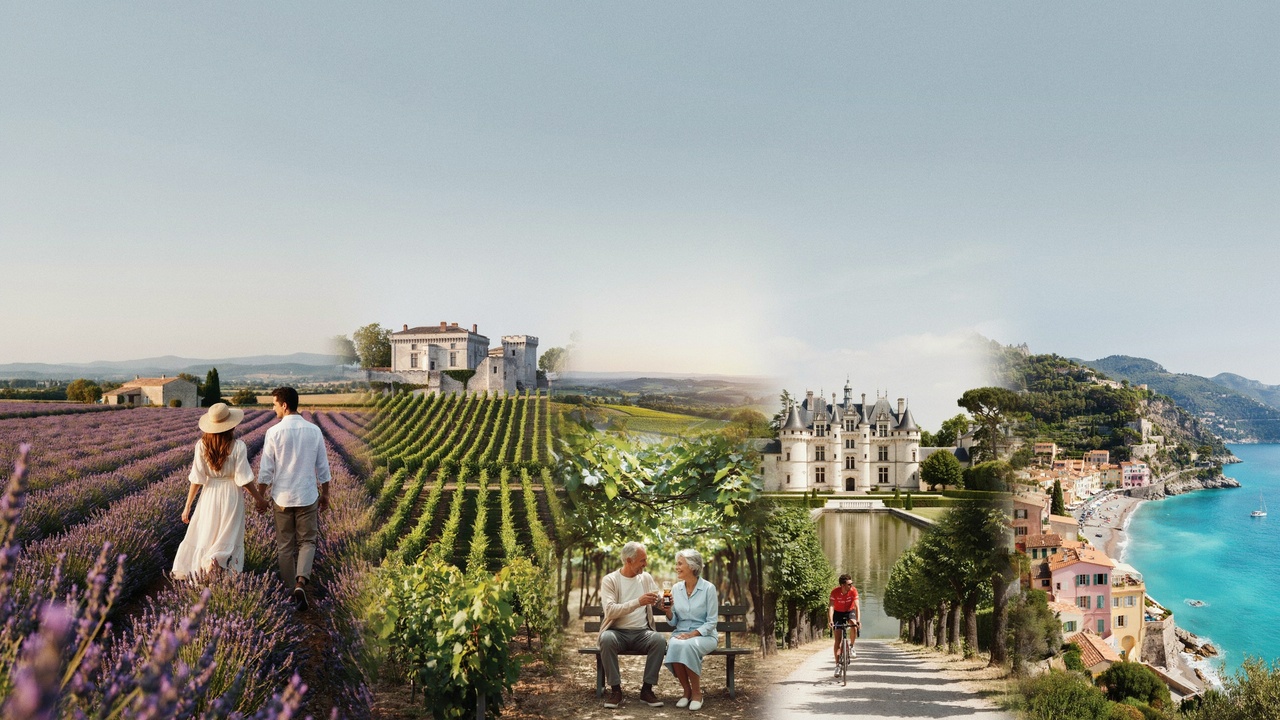
France is expanding its global tourism identity by encouraging travellers to explore destinations beyond Paris, showcasing a country filled with historic regions, coastal landscapes, wine territories, mountain escapes and cultural treasures. While the French capital remains one of the world’s most recognized travel destinations, regional France is gaining stronger attention among visitors seeking authentic and diverse experiences.
The country’s tourism strategy increasingly highlights the depth of its regions, where visitors can discover medieval towns, UNESCO-listed heritage sites, renowned vineyards, culinary traditions and natural landscapes that represent different sides of French culture.
From Normandy’s artistic heritage and Provence’s lavender fields to Bordeaux’s wine routes and the French Riviera’s Mediterranean lifestyle, France offers travellers opportunities to experience a wider national identity beyond the famous landmarks of Paris.
France remains one of the world’s leading tourism destinations, supported by strong international demand, diverse attractions and a broad hospitality network. Official tourism data highlights the continued importance of international visitors and regional tourism experiences across the country.
Advertisement
Advertisement
Regional France Becomes the New Focus for International Travellers
Modern travellers are increasingly searching for meaningful journeys that include local culture, gastronomy, nature and slower-paced exploration. This shift has increased interest in French regions that offer experiences beyond traditional city tourism.
Regional destinations allow visitors to discover:
Advertisement
Advertisement
| Travel Experience | French Destinations |
|---|---|
| Wine tourism | Bordeaux, Burgundy, Champagne |
| Coastal escapes | French Riviera, Brittany, Normandy |
| Heritage travel | Loire Valley, Alsace, Occitanie |
| Nature adventures | French Alps, Pyrenees, Corsica |
| Gastronomy | Lyon, Provence, Nouvelle-Aquitaine |
The expansion of regional tourism helps distribute visitor activity across France while supporting local communities, small businesses and cultural preservation.
Normandy Showcases History, Art and Coastal Heritage
Normandy continues strengthening its position as one of France’s most distinctive cultural destinations.
Located in northern France, the region combines dramatic coastlines, historic landmarks and artistic heritage.
Visitors can explore:
- Mont-Saint-Michel
- D-Day landing beaches
- Medieval towns
- Impressionist art locations
- Coastal villages
Normandy is also recognized for its connection with Claude Monet and Impressionist art. In 2026, the region is highlighting major cultural events linked to Monet’s legacy, creating new reasons for international visitors to explore its landscapes.
Normandy Travel Highlights
| Attraction | Experience |
|---|---|
| Mont-Saint-Michel | Medieval architecture and heritage |
| Étretat Cliffs | Coastal scenery and nature |
| Giverny | Monet’s gardens and art history |
| Bayeux | Historic tapestry and culture |
| D-Day Beaches | World history tourism |
Provence Attracts Travellers With Nature, Lifestyle and Authentic French Culture
Southern France continues attracting visitors through its combination of natural beauty, cuisine and traditional lifestyle.
Advertisement
Advertisement
Provence is known worldwide for:
- Lavender landscapes
- Historic villages
- Mediterranean climate
- Local markets
- Regional cuisine
Cities and towns such as Aix-en-Provence, Avignon and Arles provide cultural experiences connected with Roman history, art and French traditions.
Provence Tourism Experiences
| Experience | Location |
|---|---|
| Lavender fields | Valensole Plateau |
| Roman heritage | Arles and Orange |
| Food tourism | Local markets and restaurants |
| Village exploration | Luberon region |
| Art heritage | Cézanne and Van Gogh connections |
Provence appeals to travellers seeking relaxed holidays that combine culture, nature and gastronomy.
Bordeaux and French Wine Regions Strengthen Culinary Tourism
France’s wine regions remain among the country’s strongest tourism assets.
Bordeaux has become a global destination for travellers interested in vineyards, wine production and luxury experiences.
The region offers:
Advertisement
Advertisement
- Historic wineries
- Vineyard tours
- Wine tasting experiences
- Gastronomic journeys
- Countryside stays
Major French Wine Tourism Regions
| Region | Known For |
|---|---|
| Bordeaux | Red wines and vineyard estates |
| Champagne | Sparkling wine heritage |
| Burgundy | Premium wines and historic vineyards |
| Loire Valley | Wine routes and castles |
| Alsace | White wines and scenic villages |
Wine tourism allows visitors to experience French traditions through food, landscapes and local communities.
Loire Valley Combines Royal Heritage With Scenic Travel Experiences
The Loire Valley remains one of France’s most impressive heritage destinations.
Known as the “Garden of France”, the region attracts travellers through historic castles, riverside landscapes and cultural attractions.
Major highlights include:
- Château de Chambord
- Château de Chenonceau
- Historic gardens
- Cycling routes
- Local cuisine
The Loire Valley provides an alternative travel experience for visitors seeking architecture, history and countryside exploration.
French Riviera Continues Attracting Luxury Travellers
The French Riviera remains one of Europe’s most prestigious coastal destinations.
Advertisement
Advertisement
Located along the Mediterranean coast, the region combines luxury tourism, beaches, cultural events and elegant seaside towns.
Popular destinations include:
| Destination | Main Attraction |
|---|---|
| Nice | Coastal culture and museums |
| Cannes | International events and luxury hotels |
| Saint-Tropez | Beaches and exclusive lifestyle |
| Monaco | Luxury experiences and maritime tourism |
| Antibes | Historic old town and coastline |
The Côte d’Azur continues attracting international travellers through its combination of natural beauty and premium hospitality.
French Alps Expand Adventure and Year-Round Tourism
France’s mountain regions are becoming increasingly important for travellers seeking outdoor experiences throughout the year.
The French Alps attract visitors with:
- Ski resorts
- Hiking routes
- Mountain villages
- Wellness retreats
- Scenic landscapes
Popular destinations include:
Advertisement
Advertisement
| Destination | Experience |
|---|---|
| Chamonix | Alpine adventure and Mont Blanc views |
| Annecy | Lakeside tourism |
| Courchevel | Luxury mountain travel |
| Grenoble | Outdoor activities and culture |
Beyond winter sports, Alpine regions are developing summer tourism through hiking, cycling and nature experiences.
France Promotes Slow Travel and Authentic Regional Discovery
The growing popularity of regional France reflects a broader transformation in global travel.
Visitors are increasingly interested in:
- Local experiences
- Traditional cuisine
- Smaller communities
- Sustainable travel
- Cultural immersion
Instead of visiting only famous landmarks, travellers are creating longer itineraries that include multiple regions.
A journey through France can now combine:
- Paris architecture
- Normandy heritage
- Loire castles
- Bordeaux vineyards
- Provence landscapes
- Riviera beaches
Digital Promotion Helps Travellers Discover More of France
Digital tourism platforms and destination campaigns are playing an important role in introducing travellers to lesser-known French regions.
Advertisement
Advertisement
Online resources help visitors discover:
- Regional attractions
- Local experiences
- Accommodation options
- Cultural events
- Travel routes
France’s tourism promotion increasingly focuses on presenting the country as a collection of unique destinations rather than a single-city experience.
France’s Future Tourism Growth Focuses on Diversity and Sustainability
The future of French tourism is increasingly connected with regional development, sustainable travel and authentic experiences.
Key growth areas include:
- Rural tourism
- Eco-friendly travel
- Heritage conservation
- Gastronomic tourism
- Outdoor adventures
- Longer regional stays
By promoting destinations beyond Paris, France is strengthening tourism opportunities across the entire country while offering visitors more diverse reasons to return.
Frequently Asked Questions
1. Why should travellers explore France beyond Paris?
France’s regions offer wine routes, historic towns, beaches, mountains, gastronomy and cultural experiences that provide a deeper understanding of the country.
Advertisement
Advertisement
2. What are the best French regions for first-time visitors?
Popular choices include Normandy, Provence, Bordeaux, Loire Valley, French Riviera and the French Alps.
3. Is France suitable for luxury travellers?
Yes. France offers luxury experiences through Riviera resorts, wine estates, boutique hotels, gourmet dining and premium cultural experiences.
4. Which French destinations are best for food and wine tourism?
Bordeaux, Burgundy, Champagne, Provence and Lyon are among the most recognised destinations for culinary travel.
5. What makes regional France different from Paris?
Regional France offers slower-paced travel with local traditions, natural landscapes, authentic communities and unique cultural identities.
Advertisement
