
Zimbabwe Joins Mozambique, Nigeria and other African countries in cross-border Escape Surge as South Africa Migration crisis triggers mass Exit amid Anti-Immigrant deadline panic shutting Durban transit routes

Published
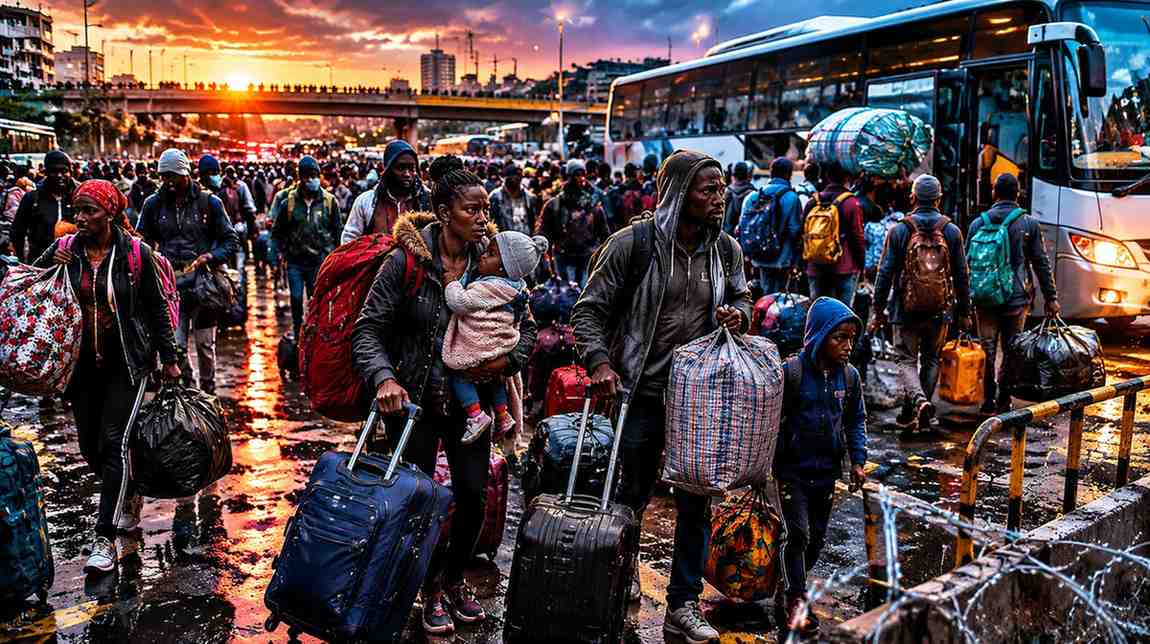
The situation is deteriorating as the anti-immigration groups in South Africa put more pressure on the movement of undocumented migrants. Thousands leave the transit camps in Durban, and a deadline of June 30, 2023 has been set. Since the crisis is unfolding, it is extremely serious. The cross-border mobilities of Southern Africa are spurred and will break the migration chains. Transit corridors will be more crowded, and the crisis will be exacerbated in Zimbabwe, Mozambique, Nigeria and other parts of Africa. The mobility will disrupt borders and worsen the humanitarian crisis in several countries.
Zimbabwe’s position in an expanding cross border escape
Zimbabwe now joins Mozambique and other African nations with an expanding cross border escape as the South African mining crisis worsens. This is especially true in the city of Durban as deportation campaigns from anti-immigrant groups are resulting in thousands of migrants voluntarily leaving transit camps before a June 30th deadline.
Currently, the situation is becoming critical. It is causing major movement disruptions as established patterns of migration are being altered and increasing pressure on border crossings used for trade and humanitarian purposes between multiple African Nations.
WHAT HAPPENED? / EVENT OVERVIEW
A rapid exodus of migrants out of transit camps in the city of Durban has been observed with a significant surge in migration.
Advertisement
Advertisement
Key developments observed include:
- Anti-immigration groups have established a deadline for undocumented migrants to leave South Africa.
- There is a consistent exodus from temporary shelters and transit camps.
- Cross border migration to neighboring African countries is on the rise.
The South African migration crisis is a fast developing humanitarian situation and is being referred as a crisis in humanitarian mobility rather than a situation of regulated migration.
Advertisement
Advertisement
WHAT THIS MEANS FOR TRAVELLERS
Although it is not a typical tourism disruption, the situation does complicate travel within the region.
Some impacts include:
- Congestion at border posts
- Increased travel and pressure on land transport
- Mobility disruptions within the region
- Increased uncertainty on border crossings
Of particular concern is the disruption this promotes on the land travel system for Southern Africa.
Migration Crisis Impact Data Table (Southern Africa Movement Overview)
| Category | Details |
|---|---|
| Crisis Type | Cross-border migration surge |
| Primary Location | Durban transit routes |
| Core Trigger | Anti-immigrant deadline pressure |
| Deadline Date | June 30 |
| Main Country Affected | South Africa |
| Countries Involved (Exit Flow) | Zimbabwe, Mozambique, Nigeria, Malawi, DRC, Somalia, Ethiopia |
| Transit Pressure Zones | Durban, Johannesburg corridors, border crossings |
| Movement Pattern | Rapid mass departure from camps |
| Transport Mode | Road transport, informal cross-border travel |
| Risk Level | High mobility disruption |
| Key Group Affected | Undocumented migrants |
| Impact Type | Humanitarian + regional travel disruption |
| Regional Effect | Southern Africa migration corridor strain |
| Current Status | Escalating movement wave |
| Travel Disruption Level | Moderate to high (land routes) |
Background & Context
Due to South Africa’s robust economy and ample urban opportunities, it has historically attracted many regional migrants.
However, there are a number of challenges migrant communities face:
- Transit camps and informal settlements serve as short-term holding zones.
- Regional migration flows are easily unsettled and disrupted by social and political pressures.
- Anti-immigrant action generally tends to place even greater demands on communities of undocumented migrants.
Currently, there is a visible surge in migration which is rapidly crossing borders.
Advertisement
Advertisement
Airports & Cities Affected

Although no official aviation disruptions have been declared, there are several key mobility hubs currently experiencing severe pressure.
They include:
- Durban (the main transit hotspot).
- Johannesburg (the main transit center used for secondary redistribution).
- corridors in Pretoria (administrative routes for migrants).
- Cross-border points to Mozambique, Zimbabwe, and Botswana.
Airline-Specific Impact
No aviation authorities have declared operational disruptions for any specific airline.
However, indirect travel pressure may impact:
- Regional bus and coach services.
- Cross-border shuttles.
- Transport networks (formal and informal) between the major metropolitan areas.
Tourism & Economic Impact
The primary impacts have been regional. They include:
- A decline in traveling confidence for informal transport networks of short duration.
- Pressure on informal transport networks.
- Possible decline in regional tourism.
- Negative impacts on border economies sustained by daily crossings.
Government / Authority Response

Currently, there has been no official response indicating that any aviation or tourism authority has been concerned about the recent movements.
Advertisement
Advertisement
However:
- Local administrative services still track patterns in migration
- Humanitarian efforts concern themselves with the quality of transit in urban camps
- Agencies that manage borders sustain their primary position in regulating movement
WHAT TRAVELLERS SHOULD DO
- Be mindful of border conditions prior to travel
- Steer clear of unofficial crossing paths
- Allow more time for travel by road in the region
- Rely on official immigration updates
- Be prepared to show your documents
- Be ready to change your travel plans within Southern Africa
SHORT TO MID LEVEL PREDICTION
The system will likely remain subsector in the near future.
Predicted trends:
- Cross-border movement pressure will likely continue
- Migration controls may tighten
- Humanitarian concerns for people in transit camps will likely grow
- Stabilisation of the situation will likely occur, dependent upon enforcement and regional cooperation
WHY YOU SHOULD CARE AS AN INTERNATIONAL TRAVELLER
Most international travellers will likely not experience direct disruption, but:
- Increased regional unpredictability of overland travel is likely
- Border processing may take longer
- Mobility perceptions in Southern Africa are likely to change
WHAT TOURISM BUSINESSES SHOULD BE AWARE OF
- Route volatility may be a challenge for local transport operators
- Informal transport sectors may be stretched
- Demand for accommodation near transit routes is likely to be less predictable
WHAT VISITORS CAN EXPECT
- Transit point enforcement will be more visible
- Travel advisories may be issued if pressure increases
- Stabilisation will occur after deadline pressure subsides
TRAVEL ADVICE FROM THE EXPERTS
- Use only sanctioned border crossings
- Avoid travel during peak times
- Have a digital copy and a hard copy of travel documents
- Verify travel arrangements
- Keep up to date with immigration news
FAQ
Q1: will South Africa have an international travel ban? Will there be a disruption to South Africa’s aviation?
There have been no announcements for disruptions to South Africa’s aviation.
Advertisement
Advertisement
Q2: which countries will be affected by the regional migration?
Cross Border Movement will involve Zimbabwe, Mozambique, Nigeria, and other countries within Africa.
Q3: are Durban or South Africa’s airports closed?
There are no confirmed closures for Durban and South Africa’s airports.
Q4: what is the cause of the migration?
It is a pressure tactic to induce compliance from anti-immigration groups targeting the undocumented migrants.
Advertisement
Advertisement
Q5: Is it safe to travel in the region?
Open land routes mean it is still possible to travel, but it is advised that people should be cautious.
The South Africa migration crisis is driving urgent cross-border movement as Zimbabwe, Mozambique, Nigeria and other African countries face a surge of departures from Durban transit routes ahead of a June 30 deadline. The situation is escalating quickly, reshaping regional travel flows and intensifying pressure on Southern Africa’s migration corridors.
AUTHOR OBSERVATION NOTE
This is a rapidly changing situation that reflects the dynamics of humanitarian transportation as opposed to an organized break in air travel. While this is not an immediate concern for airlines and airports, it shows the capacity for social and political issues to force rapidly changing travel patterns throughout Southern Africa.
Advertisement
