
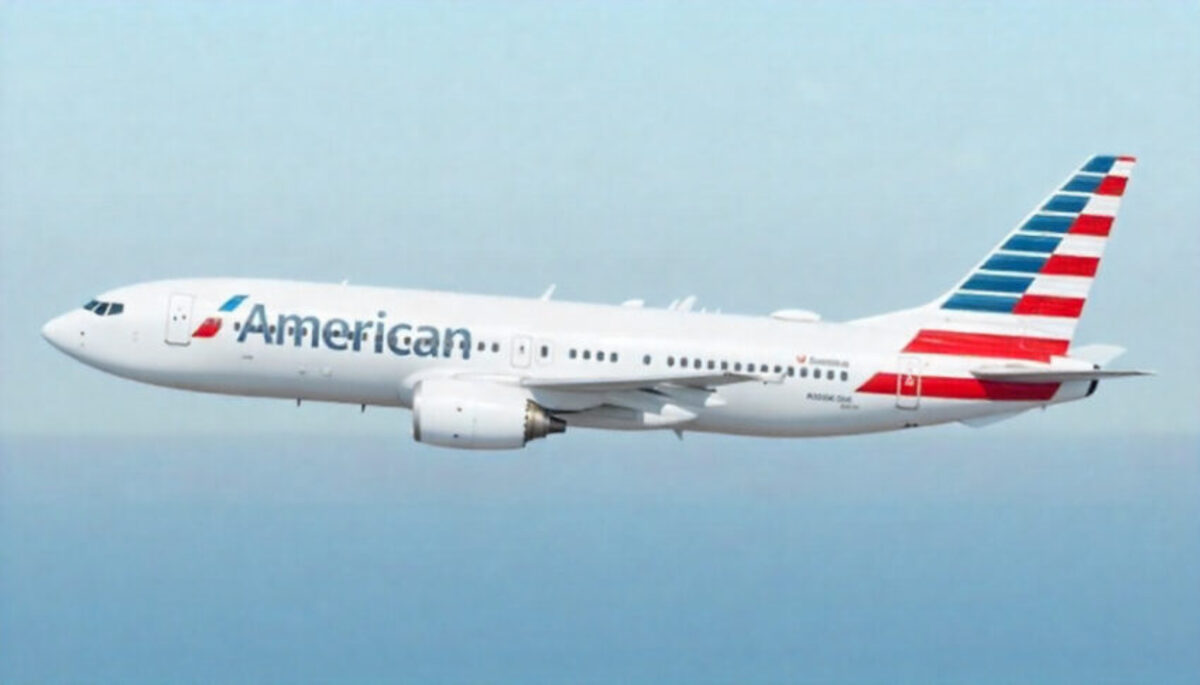
American, Delta and United Drive Global Lounge Expansion as Travellers Look Beyond Traditional First Class Benefits as airlines transform airport comfort through wider lounge access options and premium travel programmes. The growth of Admirals Club, Delta Sky Club and United Club reflects changing traveller expectations, where passengers increasingly seek convenience, productivity and comfort before flights. American Airlines allows access through membership, eligible travel classes and AAdvantage status, while Delta and United provide similar pathways through memberships, premium cabins, loyalty benefits and partner programmes. The airline lounge sector is moving beyond exclusive First Class spaces towards broader premium experiences for eligible travellers.
| Fact | Information |
|---|---|
| Largest global lounge networks | Airline alliances such as oneworld provide hundreds of lounges worldwide |
| Exact global lounge users | Not publicly disclosed by airlines |
| Largest premium traveller communities | Large loyalty programmes such as Qantas Frequent Flyer with 15+ million members |
| Main users | Premium passengers, elite members and paid subscribers |
| Future trend | More flexible access through memberships, cards and loyalty benefits |
Accurate global figures for total airline lounge users worldwide are not publicly released by airlines or aviation authorities because lounge access is spread across multiple categories, including premium cabin passengers, elite frequent flyers, paid memberships, credit card holders and alliance partners.
Advertisement
However, official airline and alliance data provides a clear picture of the scale of the premium lounge ecosystem. The world’s largest airline lounge networks serve millions of eligible travellers every year, supported by hundreds of lounges worldwide.
| Airline / Lounge Network | Airline Alliance | Official Lounge Scale / Membership Data | Who Uses These Lounges |
|---|---|---|---|
| American Airlines Admirals Club | oneworld | American Airlines operates Admirals Club locations across its domestic and international network; exact annual visitor numbers are not publicly disclosed | Admirals Club members, premium passengers, AAdvantage members, eligible credit card holders and oneworld travellers |
| oneworld Lounge Network | oneworld | Nearly 700 airport lounges worldwide available through eligible oneworld Priority benefits | Eligible Emerald and Sapphire frequent flyers, First and Business Class passengers |
| Qantas Club | oneworld | Qantas provides access through Qantas Club memberships, frequent flyer status and partner airline benefits; Qantas Frequent Flyer has more than 15 million members worldwide | Qantas Club members, Qantas Frequent Flyer elite members, oneworld status holders and eligible premium travellers |
| United Club | Star Alliance | United does not publish total annual lounge visitor numbers; operates United Club locations across its global network | United Club members, premium travellers, eligible credit card holders and Star Alliance Gold members |
| Delta Sky Club | SkyTeam | Delta does not publicly disclose total lounge users; access is provided through memberships, premium travel and eligible cards | Delta members, premium cabin passengers and eligible loyalty/card customers |
| Singapore Airlines SilverKris Lounges | Star Alliance | Singapore Airlines does not publish annual lounge visitor numbers | Suites, First Class, Business Class, PPS Club and KrisFlyer Elite Gold travellers on eligible journeys |
| British Airways Galleries Lounges | oneworld | Part of the wider oneworld lounge ecosystem | British Airways premium passengers, Executive Club members and eligible oneworld travellers |
Airline lounges were traditionally associated with First Class and Business Class passengers, but the modern lounge model has evolved significantly. Major carriers are now creating multiple access pathways that allow more eligible travellers to enjoy premium airport facilities.
Advertisement
Advertisement
American Airlines, Delta Air Lines and United Airlines have developed some of the largest airline-operated lounge networks in the United States. Their clubs provide passengers with quiet seating areas, Wi-Fi, refreshments, workspaces and customer assistance before flights.
The expansion reflects a change in traveller expectations. Passengers are increasingly looking for smoother airport journeys, especially during long connections or busy travel periods.
Rather than depending only on premium cabin tickets, airlines are using memberships, loyalty programmes and financial partnerships to create new access opportunities.
This shift has transformed airport lounges from exclusive spaces into valuable parts of airline loyalty ecosystems.
Advertisement
Advertisement
American Airlines operates the Admirals Club network as one of its key premium airport products. Access is available through different eligibility categories, allowing frequent travellers and selected customers to use lounges without always purchasing First Class tickets.
Travellers can access Admirals Club lounges through:Access Method Eligibility Admirals Club Membership Annual members with eligible same-day travel Premium Cabin Travel Certain qualifying First and Business Class passengers AAdvantage Status Eligible frequent flyer members Credit Card Benefits Qualifying cardholders oneworld Benefits Eligible Emerald and Sapphire members
American Airlines states that Admirals Club access depends on membership, class of service or AAdvantage status.
The airline also offers annual memberships, with members receiving access to Admirals Club locations and selected partner lounges depending on membership terms.
Major Admirals Club locations include airports across the United States, particularly American Airlines hubs such as Dallas Fort Worth, Miami, Chicago, Charlotte, Philadelphia and Los Angeles.
Delta Air Lines has developed the Delta Sky Club network as a major component of its premium travel strategy. The lounges provide passengers with comfortable seating, Wi-Fi, refreshments and dedicated airport spaces designed for relaxation and productivity.
Delta Sky Club access is available through several categories, including:Access Route Traveller Eligibility Sky Club Membership Eligible Delta customers Premium Cabin Travel Qualifying Delta One and premium passengers SkyMiles Status Eligible Medallion members Credit Cards Selected American Express cardholders Partner Benefits Eligible airline partners
Delta has also expanded its premium lounge strategy by creating differentiated experiences for high-value travellers, including Delta One lounges at selected airports.
The airline’s approach shows how carriers are increasingly separating traditional lounge products into different levels of service. Standard lounges serve frequent travellers, while premium facilities target passengers seeking elevated experiences.
Delta’s lounge expansion reflects a wider industry movement where airlines compete not only through aircraft and routes but also through airport experiences.
United Airlines operates United Club lounges across its network, offering eligible passengers a dedicated space to relax before flights. The airline provides information about lounge access, memberships, locations and benefits through its official United Club programme.
United Club access includes options such as:Access Type Details United Club Membership Paid membership option Premium Travel Eligible United premium cabin passengers United Credit Cards Qualifying card benefits Star Alliance Benefits Eligible Star Alliance Gold members
United also operates premium Polaris Lounge facilities for eligible international premium travellers.
The airline’s lounge strategy combines broad membership access with specialised premium experiences. This allows United to serve different traveller groups, from frequent domestic passengers to international business travellers.
United’s expansion demonstrates how airport lounges have become a competitive factor in airline loyalty programmes.
Airline alliances have played an important role in expanding lounge access internationally. Travellers are no longer limited only to their operating airline when they qualify through alliance benefits.
The three major global airline alliances provide lounge access advantages:Alliance Examples of Member Airlines Lounge Access Benefit oneworld American Airlines, British Airways, Japan Airlines, Qantas Eligible Sapphire and Emerald members Star Alliance United, Singapore Airlines, Lufthansa Star Alliance Gold lounge access SkyTeam Delta, Air France-KLM, Korean Air Eligible elite and premium travellers
For frequent international travellers, alliance membership can significantly increase lounge options across global airports.
A passenger flying with one airline may access a partner lounge if eligibility requirements are met, creating a wider premium travel network.
The traditional image of airport lounges being reserved only for First Class passengers has changed. Modern airline lounge access now includes frequent flyers, membership subscribers and eligible cardholders.
Several factors are driving this shift:Reason Impact Longer airport waits Travellers seek comfort during connections Remote work growth Lounges provide workspace facilities Loyalty competition Airlines use lounges to reward customers Premium travel demand Passengers want better airport experiences Credit card partnerships More travellers gain access opportunities
Airlines have recognised that airport experience influences customer loyalty. A comfortable lounge can improve passenger satisfaction and encourage travellers to remain loyal to a particular carrier.
This has increased investment in lounge design, food quality, technology and customer service.
American, Delta and United are part of a wider global movement where airlines are investing in airport experiences as a competitive advantage.
The future lounge model is likely to focus on:
Airlines are increasingly treating lounges as an extension of their brand experience. The journey no longer begins only when passengers board an aircraft; it starts when they enter the airport environment.
As competition increases, airlines are using lounges to differentiate themselves and create stronger relationships with travellers.
Yes, economy passengers may access airline lounges if they have qualifying memberships, credit card benefits, loyalty status or eligible partner access.
No. First Class is only one access method. Many travellers enter through memberships, loyalty programmes and eligible cards.
American Airlines operates Admirals Club, Delta operates Sky Club and United operates United Club.
Most airline lounges require eligible same-day travel on the airline or a qualifying partner airline.
Yes. Through airline networks and global alliances, eligible travellers can access lounges across many international airports.
American, Delta and United are driving global lounge expansion as travellers look beyond traditional First Class benefits and seek more comfortable airport experiences. The reason behind this shift is changing passenger expectations, with more travellers valuing convenience, workspace, relaxation and premium services. Through Admirals Club, Sky Club and United Club programmes, airlines are expanding access through memberships, loyalty status, premium travel and eligible cards. These developments show that airport lounges are becoming an important part of modern travel rather than an exclusive First Class privilege. As competition grows, airlines continue investing in premium airport experiences to attract and retain travellers.
Advertisement
Tags: asia pacific, Atlanta, Chicago, dallas fort worth, Europe
Advertisement
Advertisement













Monday, September 7, 2026
Monday, September 7, 2026

Monday, September 7, 2026

Monday, September 7, 2026

Sunday, September 6, 2026

Saturday, September 5, 2026

Monday, September 7, 2026

Sunday, September 6, 2026



