
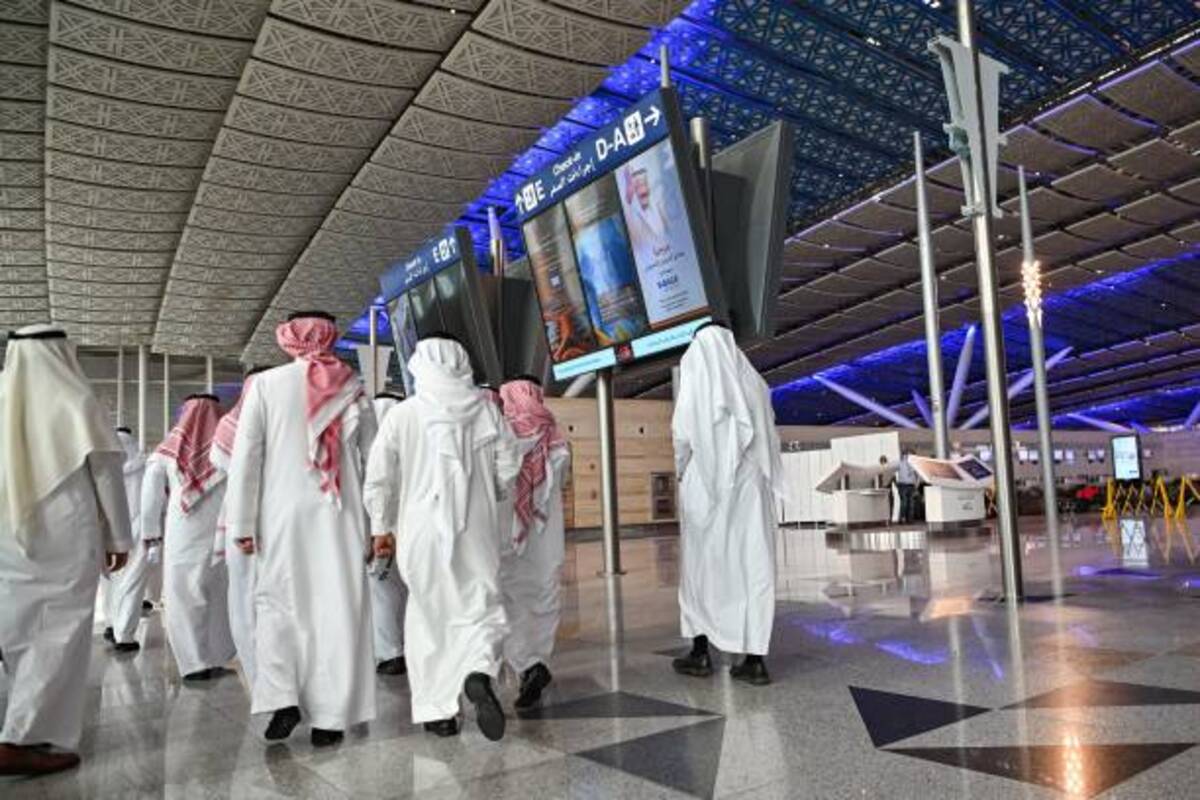
Image generated with Ai
Jeddah International Airport has increased its global accreditations for better passenger service and safety. Thanks to two international accreditations from the Airports Council International World, King Abdulaziz Airports in Jeddah have improved their position among the primarily used international airports. The airport has achieved both Level 4 Airport Customer Experience Accreditation and Public Health and Safety Readiness Accreditation. They have improved passenger service and safety while planning operations, and cross-department collaboration has been enhanced.
The dual recognition places the Saudi Arabian gateway among a select group of airports demonstrating advanced standards in customer experience management and public health preparedness. The achievements also highlight the growing focus on service quality at one of the Kingdom’s most strategically important aviation gateways.
The Level 4 Airport Customer Experience Accreditation represents a significant milestone for King Abdulaziz International Airport. Only around a dozen airports worldwide have reached this level, putting the Jeddah hub within a relatively small international group recognised for sophisticated passenger experience strategies.
The accreditation evaluates how effectively airports understand passenger expectations and turn that knowledge into practical service improvements.
Advertisement
Advertisement
Rather than examining only individual facilities or isolated customer service programmes, the assessment considers how passenger experience is built into an airport’s wider management structure and operational strategy.
For travellers, this approach can influence almost every part of the airport journey, including navigation, communication, terminal services, passenger assistance, waiting environments and coordination between different airport organisations.
The accreditation process examined the airport across eight major areas of customer experience management.
Customer insight formed an important part of the assessment. Airports increasingly use passenger feedback, surveys and operational information to understand traveller behaviour and identify areas requiring improvement.
Advertisement
Advertisement
Strategic planning was another major component. Strong passenger experience requires airports to integrate service goals into wider business and operational strategies rather than treating customer satisfaction as a separate activity.
Performance measurement was also considered. Airports must be able to track progress and determine whether service improvements are producing meaningful results for passengers.
Operational improvement focused on how airport processes evolve in response to passenger needs, changing travel patterns and new aviation technologies.
Governance examined how responsibilities for passenger experience are structured across the organisation.
Organisational culture assessed whether customer experience forms part of everyday decision-making across airport operations rather than being limited to dedicated passenger service teams.
Service design and innovation evaluated how airports develop new solutions, technologies and passenger-focused processes.
The final area focused on engagement with airport partners. Modern airports operate through complex networks involving airlines, ground handlers, security agencies, border authorities, retailers, transport operators and other service providers. Effective cooperation between these organisations can have a direct impact on the overall passenger journey.
Alongside its customer experience achievement, King Abdulaziz International Airport also secured Public Health and Safety Readiness Accreditation.
The recognition reflects the airport’s alignment with internationally recognised standards for protecting passengers, employees and airport partners during health-related challenges and other operational situations requiring strong preparedness.
Public health readiness has become an increasingly important part of airport management following major disruptions experienced by the global aviation industry during recent years.
Airports must now maintain procedures capable of responding to health emergencies while keeping essential operations functioning whenever possible.
The accreditation therefore provides an additional indication that health protection, passenger safety and operational continuity remain integrated into the airport’s wider management system.
Passenger experience has become a major competitive factor for international airports.
Travellers increasingly compare airports not only by flight connectivity but also by speed, convenience, comfort, digital services, cleanliness, communication and ease of movement through terminals.
For large international gateways, improving these elements can influence traveller satisfaction and strengthen an airport’s reputation among airlines and passengers.
Airport operators are consequently investing more heavily in technology, service design, terminal upgrades and data-driven passenger management.
The Level 4 accreditation demonstrates that King Abdulaziz International Airport is adopting a structured approach that extends beyond basic customer service and incorporates passenger experience into wider airport planning.
King Abdulaziz International Airport plays a critical role in Saudi Arabia’s aviation network.
Located in Jeddah, the airport serves one of the Kingdom’s largest urban centres and acts as an important international gateway for passengers travelling to western Saudi Arabia.
Its strategic location also makes it particularly important for religious travel, international tourism, business traffic and growing regional connectivity.
As Saudi Arabia continues expanding aviation capacity and developing its tourism economy, major airports are expected to play an increasingly important role in supporting international visitor growth.
Improving passenger services can therefore contribute to broader national objectives by strengthening the arrival and departure experience for travellers entering the country.
Saudi Arabia has been investing heavily in aviation infrastructure as part of wider economic diversification and tourism development efforts.
Airport expansion, new airline services, stronger international connectivity and improved passenger facilities are becoming important elements of the country’s aviation transformation.
International accreditation can help airport operators benchmark their performance against global standards while identifying areas where further improvements can be introduced.
For King Abdulaziz International Airport, achieving advanced customer experience accreditation provides an external measurement of how its passenger service strategy compares with international practices.
The additional public health and safety accreditation broadens that recognition by addressing another critical area of modern airport operations.
One of the most important elements behind improved airport performance is cooperation between the numerous organisations operating within a terminal environment.
Passengers often experience an airport as a single journey, even though different organisations may control check-in, baggage handling, security, immigration, customs, retail and ground transportation.
Weak coordination between these services can quickly create delays or confusion.
Strong collaboration, by contrast, can make the passenger journey smoother from arrival at the terminal through boarding.
The accreditation assessment’s focus on stakeholder engagement therefore reflects the wider shift within the aviation sector toward integrated airport operations.
The two ACI World accreditations represent an important step in King Abdulaziz International Airport’s continuing development as a major international gateway.
Reaching Level 4 in Airport Customer Experience Accreditation places the airport among a limited global group recognised for advanced passenger experience management.
Its Public Health and Safety Readiness Accreditation adds another layer of international recognition by confirming its preparedness against established global benchmarks.
Together, the achievements demonstrate a broader strategy focused on stronger passenger services, international operational standards, safety preparedness and closer cooperation between organisations working across the airport.
As Saudi Arabia expands its tourism and aviation ambitions, improvements at major gateways such as King Abdulaziz International Airport will remain central to creating efficient, reliable and increasingly passenger-focused travel experiences for millions of domestic and international travellers.
Advertisement
Tags: airport customer experience, Aviation Excellence, Jeddah Airport, King Abdulaziz International Airport, saudi arabia
Advertisement
Advertisement













Sunday, September 6, 2026

Sunday, September 6, 2026

Sunday, September 6, 2026

Sunday, September 6, 2026

Sunday, September 6, 2026

Saturday, September 5, 2026

Sunday, September 6, 2026

Sunday, September 6, 2026



