
Santorini Follows Crete And More Places In Greece In Pulling More Tourists With Luxury Nightlife Culture And Year Round Travel Experiences

Updated
Published
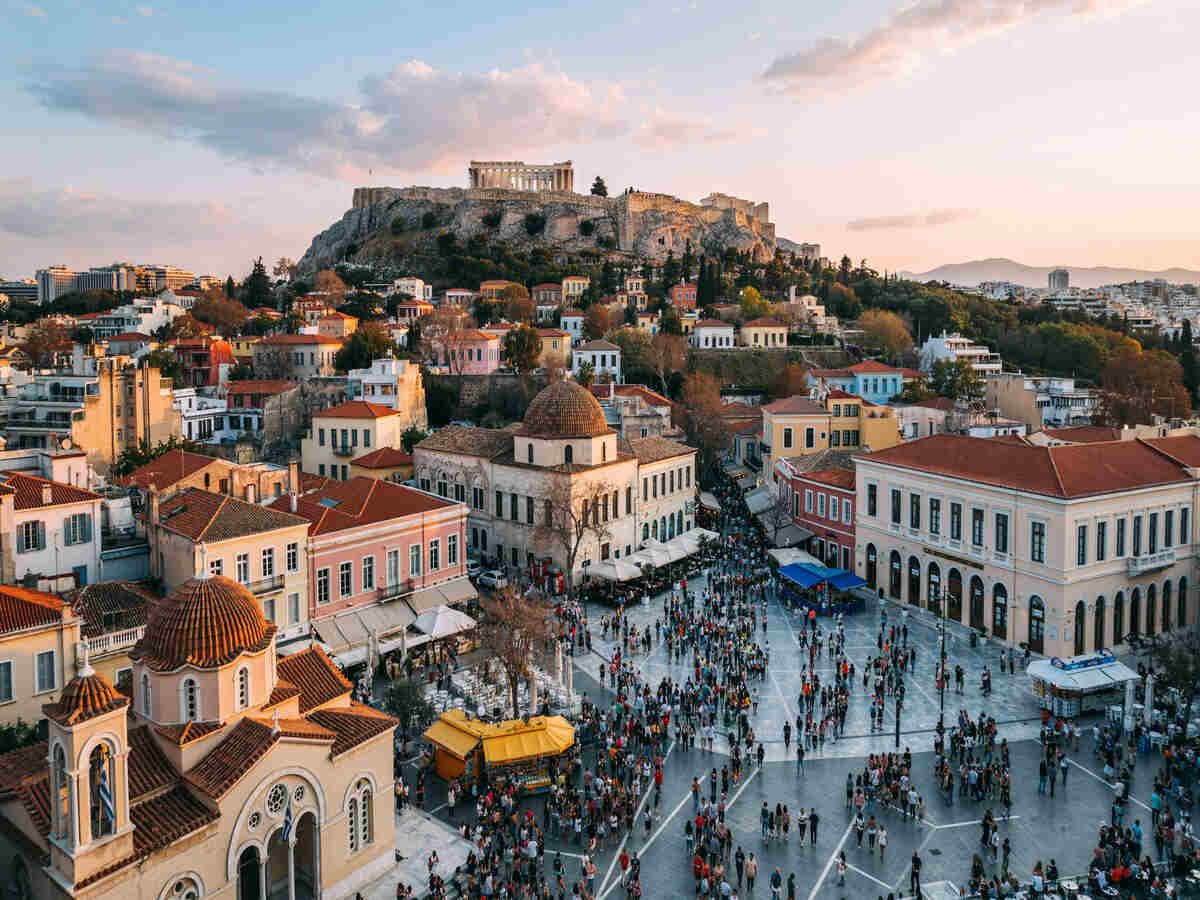
Image generated with Ai
Tourism in Greece will start to flourish in 2026 due to the emergence of places like Santorini, Crete, and other such places becoming tourist destinations for foreign tourists. Tourism in Greece will grow up in 2026. The country is no longer a place for summer vacations but is attracting tourists through luxury vacations, entertainment, culture, cuisine, adventurous vacations, and vacations throughout the year. Santorini continues to captivate the attention of the world, while other destinations such as Crete, Mykonos, Rhodes, Corfu, Thessaloniki, and other destinations gain popularity. The signs for 2026 tourism were indicating high international demand for traveling to Greece.
The biggest change is that Greece is no longer depending only on July and August beach holidays. Destinations are creating new reasons for visitors to travel during spring, autumn and winter. Heritage sites, local food, wellness retreats, mountain landscapes and premium accommodation are helping Greece build a stronger tourism economy across different seasons.
Advertisement
Advertisement
Greece Tourism Growth Map 2026 How Destinations Are Driving Visitor Demand
| Destination | Main Tourism Strength | How It Is Boosting Greece Tourism in 2026 |
|---|---|---|
| Santorini | Luxury, romance, volcanic landscapes | Attracting premium travellers through luxury hotels, sunset experiences and global recognition |
| Crete | Culture, beaches, gastronomy, resorts | Driving large-scale tourism through heritage, nature and luxury accommodation |
| Mykonos | Nightlife and premium travel | Pulling high-spending visitors through beach clubs, events and luxury experiences |
| Rhodes | History and coastal tourism | Combining medieval heritage with resort holidays |
| Corfu | Culture and nature | Growing through UNESCO heritage, beaches and luxury stays |
| Thessaloniki | City breaks and gastronomy | Expanding urban tourism through food, culture and events |
| Peloponnese | Ancient history and nature | Attracting travellers seeking authentic Greece experiences |
| Smaller Islands | Quiet luxury and authenticity | Reducing pressure on famous hotspots while creating new tourism markets |
Santorini Strengthens Luxury Tourism With Iconic Experiences
Santorini remains one of Greece’s strongest international tourism symbols. The island continues attracting visitors who seek luxury, romance and unique landscapes.
The destination’s tourism power comes from:
Advertisement
Advertisement
- Famous caldera views
- Volcanic landscapes
- Luxury cave hotels
- Premium restaurants
- Sunset experiences
- Honeymoon travel
Santorini is helping Greece attract high-value travellers who spend more on accommodation, dining and experiences. The island has also maintained strong international interest despite previous challenges, with early 2026 data showing recovery momentum.
Advertisement
Advertisement
The island is also becoming part of Greece’s wider strategy to balance tourism growth with destination management. Authorities have introduced measures aimed at managing visitor pressure, especially during peak cruise periods.
Crete Leads Greece Tourism Growth Through Culture Luxury And Nature
Crete has become one of the biggest engines of Greek tourism growth.
The island attracts visitors because it offers a complete travel experience:
- Beaches
- Ancient history
- Traditional villages
- Luxury resorts
- Adventure tourism
- Local cuisine
Crete’s tourism strength comes from its ability to combine summer holidays with cultural and nature-based travel.
How Crete Boosts Tourism
| Tourism Area | Contribution |
|---|---|
| Heritage | Knossos and Minoan civilisation attract history travellers |
| Food tourism | Olive oil, wine and local cuisine create authentic experiences |
| Luxury hotels | Premium resorts attract international visitors |
| Nature tourism | Hiking, mountains and outdoor activities extend the season |
| Beaches | Supports traditional Mediterranean holidays |
Crete is helping Greece create a longer tourism calendar because visitors can travel beyond the main summer months. The island’s large size allows tourists to explore different regions instead of staying only in resort areas.
Advertisement
Advertisement
Mykonos Pulls Global Travellers Through Nightlife And Luxury Holidays
Mykonos continues to strengthen Greece’s premium tourism image.
The island has built global recognition through:
- International nightlife
- Beach clubs
- Luxury villas
- High-end restaurants
- Yacht tourism
Mykonos attracts travellers looking for exclusive experiences. Its nightlife economy supports hotels, restaurants, entertainment venues and local businesses.
The island’s appeal is especially strong among younger luxury travellers and visitors seeking lifestyle experiences rather than only traditional sightseeing.
Rhodes Combines Ancient History With Modern Resort Tourism
Rhodes remains one of Greece’s strongest island destinations because it combines history and leisure.
Advertisement
Advertisement
The island attracts tourists through:
- Medieval Old Town
- Archaeological sites
- Long beaches
- Resort areas
- Cultural experiences
Rhodes creates a balance between relaxation and exploration.
Visitors can spend time in luxury resorts while also experiencing one of Greece’s most important historical destinations.
This combination helps Rhodes maintain demand from families, couples and cultural travellers.
Corfu Expands Tourism Through Heritage And Natural Beauty
Corfu is becoming increasingly important in Greece’s tourism expansion.
Advertisement
Advertisement
The island attracts visitors through:
- Venetian architecture
- Green landscapes
- Beaches
- Luxury accommodation
- Cultural experiences
Corfu offers a different image of Greece compared with the dry landscapes of some Aegean islands.
Its strengths include:
- Nature tourism
- Heritage tourism
- Sailing experiences
- Premium holidays
The island helps Greece diversify its tourism products by attracting travellers interested in culture and landscapes.
Thessaloniki Builds A New Urban Tourism Story For Greece
While islands dominate Greece’s tourism image, Thessaloniki is strengthening mainland tourism.
Advertisement
Advertisement
The city attracts visitors through:
- Food culture
- Waterfront areas
- Byzantine history
- Festivals
- Business travel
Thessaloniki is becoming an important city-break destination.
Its gastronomy is a major attraction because travellers increasingly search for authentic local experiences.
The city also helps Greece spread tourism beyond coastal destinations.
Peloponnese Opens New Opportunities Beyond Famous Islands
The Peloponnese is emerging as one of Greece’s most promising alternative tourism regions.
Advertisement
Advertisement
The region attracts travellers through:
- Ancient Olympia
- Historic towns
- Beaches
- Wine tourism
- Mountain landscapes
Unlike crowded island destinations, the Peloponnese offers slower travel experiences.
It supports Greece’s goal of encouraging visitors to explore more regions and extend stays.
Smaller Greek Islands Attract Travellers Seeking Authentic Experiences
Greece is also promoting smaller islands to reduce concentration in famous destinations.
Growing interest is appearing in destinations offering:
Advertisement
Advertisement
- Local culture
- Traditional villages
- Quiet beaches
- Nature experiences
- Authentic food
These islands are benefiting from travellers who want unique experiences away from crowded tourism centres.
The strategy supports local economies while creating new tourism opportunities.
Greece Uses Culture As A Powerful Tourism Engine
Culture remains one of Greece’s strongest tourism advantages.
The country attracts visitors through:
- Ancient ruins
- UNESCO heritage sites
- Museums
- Archaeological landscapes
- Traditional festivals
Major cultural attractions include:
Advertisement
Advertisement
| Attraction | Tourism Impact |
|---|---|
| Acropolis | Global heritage tourism |
| Knossos | Ancient civilisation tourism |
| Delphi | Historical travel |
| Ancient Olympia | Sports and heritage tourism |
| Meteora | Religious and nature tourism |
Culture allows Greece to attract visitors throughout the year rather than only during summer.
Luxury Hotels And Premium Experiences Increase Greece’s Appeal
Investment in tourism infrastructure is changing Greece’s hospitality sector.
Growth areas include:
- Luxury resorts
- Boutique hotels
- Private villas
- Wellness facilities
- Premium dining
Travellers are increasingly searching for personalised experiences.
Greece is responding by combining traditional hospitality with modern luxury.
Advertisement
Advertisement
Greece’s 2026 Tourism Strategy Focuses On Year Round Travel
The biggest transformation in Greek tourism is the move towards all-season travel.
The country is promoting:
- Winter escapes
- Mountain tourism
- Wellness holidays
- Gastronomy routes
- Cultural journeys
- Outdoor adventures
This approach helps Greece reduce dependence on peak summer months.
Santorini, Crete and other Greek destinations are creating a stronger tourism ecosystem in 2026. Santorini continues to attract luxury travellers, Crete drives large-scale visitor growth, Mykonos strengthens nightlife tourism, Rhodes and Corfu combine culture with coastal experiences, while Thessaloniki and the Peloponnese expand mainland tourism.
Greece’s tourism experiences increase dramatically in 2026 as tourist attractions such as Santorini, Crete, and others offer luxury, culture, nightlife, and all-year-long experiences.
Advertisement
Advertisement
The main strength of Greece in terms of tourism is its ability to provide multiple options for travel within the same nation. Greece is working on developing its tourism model catering to the needs of travelers worldwide.
Frequently Asked Questions (FAQs)
1. Why is Greece attracting more tourists in 2026?
Greece is attracting more tourists in 2026 because it is expanding beyond traditional summer holidays. The country is promoting luxury travel, cultural tourism, gastronomy, wellness, nature experiences and year-round travel across islands and mainland destinations.
2. Which Greek destinations are driving tourism growth in 2026?
Crete, Santorini, Mykonos, Rhodes, Corfu, Thessaloniki and the Peloponnese are among the key destinations supporting Greece’s tourism growth. Each destination attracts visitors through different experiences, including luxury stays, nightlife, heritage, beaches and authentic local culture.
3. How is Santorini helping Greece tourism growth?
Santorini continues strengthening Greece’s luxury tourism sector through its iconic volcanic landscapes, luxury hotels, romantic experiences, premium dining and global reputation. The island attracts high-value travellers seeking exclusive Mediterranean holidays.
4. Why is Crete becoming one of Greece’s strongest tourism destinations?
Crete is growing because it offers a complete travel experience combining beaches, ancient history, traditional villages, local cuisine, nature activities and luxury resorts. Its variety allows visitors to travel beyond the peak summer season.
Advertisement
Advertisement
5. Is Greece focusing only on island tourism in 2026?
No. Greece is expanding tourism across mainland destinations such as Thessaloniki and the Peloponnese. These regions are attracting visitors through food tourism, cultural attractions, outdoor adventures and historical experiences.
6. How is nightlife supporting Greece’s tourism industry?
Nightlife is an important attraction in destinations such as Mykonos and Santorini. Beach clubs, entertainment venues, premium restaurants and lifestyle experiences are helping Greece attract younger travellers and luxury visitors.
7. Which Greek destinations are best for cultural tourism?
Athens, Santorini, Crete, Rhodes, Thessaloniki and the Peloponnese are major cultural tourism destinations. They offer ancient ruins, UNESCO heritage sites, museums, archaeological attractions and traditional experiences.
8. How is Greece creating year-round tourism in 2026?
Greece is extending its tourism season by promoting mountain travel, wellness holidays, gastronomy, hiking, cultural routes and nature experiences. These activities encourage visitors to explore the country beyond the busy summer months.
Advertisement
