
Caracas Joins La Guaira, Aragua, Carabobo, Miranda and Others Rocked as Venezuela Earthquake Triggers National Emergency, Tsunami Warnings, Mass Destruction, Airport Shutdowns and Widespread Travel Chaos Across the Caribbean Region

Published
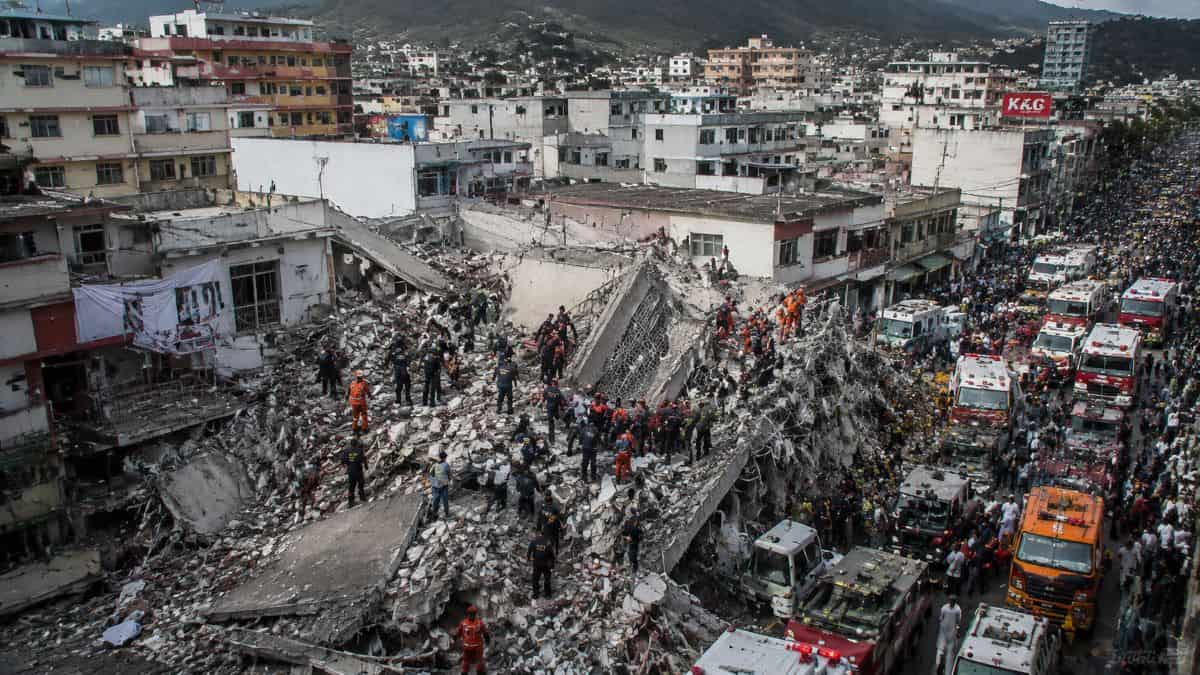
Image generated with Ai
Caracas Joins La Guaira, Aragua, Carabobo, Miranda and Others after a rare twin earthquake sequence triggered by two powerful shallow quakes, unleashing a national emergency due to extreme ground shaking, causing tsunami warnings, mass destruction, airport shutdowns and widespread travel chaos across the Caribbean region. A rare and highly destructive doublet earthquake sequence struck northern Venezuela on 24 June 2026, consisting of a magnitude 7.2 quake followed within 39–60 seconds by a magnitude 7.5 mainshock, according to seismic readings aligned with the United States Geological Survey (USGS). The shallow rupture zone (approximately 10–13 km depth near the Morón coastal fault system) triggered catastrophic shaking across Caracas, La Guaira, Aragua, Carabobo and Miranda, leading to building collapses, infrastructure failure, and a nationwide emergency declaration. Early official figures indicate at least 32 deaths and more than 700 injuries, while Caracas International Airport was temporarily shut down and transport systems collapsed. Temporary tsunami warnings were issued across parts of the Caribbean but later cancelled after no tsunami waves were detected.
The disaster also activated temporary tsunami warnings across parts of the Caribbean basin, including precautionary alerts for Aruba, Curaçao, Bonaire, Puerto Rico and the US Virgin Islands, later cancelled after oceanographic assessments confirmed no destructive wave formation, in line with evaluations typically coordinated through international tsunami monitoring systems. Early official tallies indicate dozens of fatalities and more than 700 injuries, with figures expected to rise as search-and-rescue operations continue across collapsed urban zones.
Advertisement
Advertisement
The event highlights a high-risk convergence of doublet earthquake mechanics, shallow crustal rupture, and urban density exposure, reinforcing global seismic risk models widely referenced by institutions such as the USGS, Intergovernmental Oceanographic Commission (IOC) of UNESCO, and regional civil protection authorities, which consistently warn that rapid-succession earthquakes significantly amplify infrastructure failure and humanitarian impact in metropolitan coastal corridors.
Sudden Seismic Sequence: Two Major Earthquakes Within Seconds
The disaster unfolded as a rare and highly destructive doublet earthquake sequence, where two major seismic events occurred in extremely rapid succession, dramatically amplifying structural damage across northern Venezuela. The first earthquake struck on June 24, 2026, at approximately 18:04:33 VET (22:04 UTC). This initial shock registered a magnitude of around 7.2, originating at a shallow depth of approximately 13 km near the coastal zone west of Morón in northern Venezuela. The tremor immediately triggered strong ground shaking across Caracas, La Guaira, Carabobo, Aragua, and surrounding metropolitan regions, causing buildings to sway violently and initiating early structural stress in vulnerable infrastructure.
Advertisement
Advertisement
Within a critical window of roughly 39 to 60 seconds, a second and significantly stronger earthquake followed at approximately 18:05:11 VET (22:05 UTC). This mainshock reached an estimated magnitude of 7.5 and occurred at an even shallower depth of around 10 km, intensifying surface-level shaking across already compromised urban zones. This extremely short interval between the two quakes created a cascading failure effect. Structures that had already been weakened or partially damaged by the first shock were unable to absorb the additional seismic load from the second event. As a result, widespread building collapses occurred, particularly in densely built districts of Caracas and coastal settlements in La Guaira.
Seismologists classify this pattern as a “doublet earthquake”, a rare but highly destructive seismic phenomenon in which two large tremors of comparable magnitude occur close together in time and space. In this case, the combination of shallow depth, high magnitude, and minimal recovery interval significantly increased ground acceleration and structural stress, leading to rapid and extensive urban infrastructure failure.
Advertisement
Advertisement
| Parameter | First Earthquake | Second Earthquake (Mainshock) | Combined Impact Notes |
|---|---|---|---|
| Event type | Foreshock | Mainshock | Doublet earthquake sequence |
| Date | 24 June 2026 | 24 June 2026 | Occurred within same seismic episode |
| Time (VET) | 18:04:33 | 18:05:11 | ~39–60 seconds apart |
| Time (UTC) | 22:04 UTC | 22:05 UTC | Rapid succession event |
| Magnitude | ~7.2 | ~7.5 | Second quake stronger |
| Depth | ~13 km | ~10 km | Both shallow-focus earthquakes |
| Epicentre location | Near Morón, northern coastal Venezuela | Near same rupture zone (~few km offset) | Clustered rupture system |
| Seismic classification | Shallow crustal quake | Shallow crustal quake | “Doublet earthquake” system |
| Ground impact level | Severe shaking across northern Venezuela | Extreme shaking + collapse trigger | Structural failure cascade |
| Primary affected zones | Caracas, La Guaira, Carabobo, Aragua, Miranda | Same + expanded collapse zones | Urban intensification after second shock |
| Structural outcome | Initial cracking, partial failures | Major building collapses, infrastructure failure | Progressive collapse mechanism |
| Energy effect | High ground acceleration | Higher energy release | Amplified destructive load |
| After-effect trigger | Panic evacuation, early outages | Widespread collapse, system failure | Disaster escalation phase |
Exact Impact Across Caracas, La Guaira, Aragua, Carabobo, Miranda and Other Affected Locations
The twin earthquake sequence produced highly uneven destruction across Venezuela’s northern and coastal corridor, shaped by differences in urban density, geological conditions, and structural resilience. The most severe impacts were concentrated in Caracas and surrounding metropolitan districts, where dense high-rise construction and ageing infrastructure amplified damage from both the 7.2 and 7.5 magnitude shocks. The US Embassy in Caracas in closely monitoring the situation and actively updating information and alerts. La Guaira experienced intensified coastal destruction due to soft sedimentary soils that magnified ground motion, while Aragua and Miranda saw widespread shaking, partial building damage, and emergency evacuations. Carabobo’s industrial zones were significantly disrupted, with production areas and transport corridors affected by structural stress and operational shutdowns. Secondary impacts extended into Falcón and nearby coastal settlements, where injuries, missing persons reports, and localized collapses triggered rapid deployment of emergency response teams. Across all regions, the back-to-back seismic sequence created a cascading failure effect that overwhelmed infrastructure systems within minutes.
- Caracas recorded the highest structural collapse concentration and hospital overload
- La Guaira suffered severe coastal amplification and infrastructure damage
- Aragua reported widespread cracking and transport disruption
- Carabobo faced industrial shutdown risks and facility inspections
- Miranda experienced evacuations, utility disruption, and residential damage
| Region | Primary Impact Level | Key Damage Characteristics | Infrastructure Status | Emergency Outcome |
|---|---|---|---|---|
| Caracas | Extreme | High-rise collapses, hospital overload, power disruption | Metro suspended, utilities unstable | Full emergency activation |
| La Guaira | Severe | Coastal soil amplification, port damage, landslides | Road blockages, port disruption | Mass evacuation zones |
| Aragua | Moderate–High | Structural cracking, mid-rise damage | Transport interruptions | Local emergency response |
| Carabobo | High | Industrial facility stress, transport corridor damage | Partial industrial shutdown | Safety inspections activated |
| Miranda | High | Residential damage, evacuations, utility failure | Network instability | Civil protection deployment |
| Falcón & Others | Localised but significant | Injuries, missing persons, rural damage | Limited access routes affected | Search and rescue operations |
Airport Shutdowns and Widespread Travel Chaos Across the Region
The twin earthquake sequence triggered an immediate breakdown in aviation and travel operations across northern Venezuela, with Caracas emerging as the central disruption hub. The primary international gateway, Simón Bolívar International Airport, was forced into an emergency shutdown shortly after the second magnitude 7.5 earthquake due to urgent structural safety assessments.
Advertisement
Advertisement
All commercial operations were suspended, leading to flight cancellations, diversions, and temporary airspace congestion management. Regional connectivity was also heavily affected, as airlines rerouted services across Caribbean and northern South American corridors, including key links to Bogotá, Panama City, and island destinations. Passenger terminals experienced severe overcrowding as stranded travellers faced uncertainty over rebooking and onward travel. Although the disruption did not evolve into a long-term regional aviation shutdown, it created a significant short-term ripple effect across tourism, business travel, and airline scheduling systems due to precautionary safety protocols and infrastructure inspections.
- Caracas International Airport fully suspended operations for safety inspections
- Widespread flight cancellations and diversions across Caribbean–South America routes
- Major delays on Caracas–Bogotá and Caracas–Panama City corridors
- Severe passenger congestion and stranded travellers at transit hubs
- Regional airlines implemented precautionary rerouting and airspace adjustments
| Category | Impact Level | Description | Key Outcome | Status |
|---|---|---|---|---|
| Caracas International Airport | Extreme | Full operational shutdown after structural inspection orders | Flight cancellations & diversions | Temporarily closed |
| Regional Flight Network | High | Disruption across Caribbean and South American routes | Rerouting and delays | Partially disrupted |
| Passenger Flow Systems | Severe | Terminal overcrowding and stranded travellers | Rebooking chaos | Overloaded |
| Airspace Management | Moderate–High | Precautionary routing changes over northern Venezuela | Extended flight times | Controlled disruption |
| Tourism & Business Travel | High | Cancellations and itinerary suspensions | Short-term demand shock | Temporarily affected |
Tourism and Travel Sector Impact: Immediate Shutdown in Affected Zones
The tourism sector in Venezuela faced immediate disruption following the earthquakes.
- Hotels in high-rise structures were evacuated for safety checks
- Tourist activity in Caracas and La Guaira was suspended
- Coastal leisure zones were temporarily closed
- Business travel schedules were heavily disrupted
The broader Caribbean tourism industry also experienced short-term scheduling adjustments due to precautionary aviation rerouting, although no long-term regional shutdown was reported.
Tsunami Warnings Across the Caribbean Region
The offshore nature of the seismic event triggered immediate precautionary tsunami alerts across parts of the Caribbean basin, although these were short-lived. Early warning systems issued alerts for coastal Venezuela and several nearby island territories, including Aruba, Curaçao, Bonaire, Puerto Rico, and the US Virgin Islands. These alerts were based on the magnitude and shallow depth of the earthquakes, which initially raised concerns about possible sea displacement.
Advertisement
Advertisement
However, subsequent ocean monitoring confirmed that no significant tsunami waves were generated. As a result, all warnings were rapidly downgraded to advisories and then fully cancelled. Authorities confirmed that there was no ongoing tsunami threat to Caribbean coastal regions, though monitoring remained active for aftershocks and secondary seismic activity.
National Emergency Declaration and Crisis Response Activation
Following the confirmation of the twin earthquakes, Venezuelan authorities escalated the situation into a nationwide state of emergency within hours of the event. The emergency declaration activated a multi-agency response framework involving civil protection units, military deployment, and national disaster coordination centers. Priority operations focused on urban search-and-rescue in collapsed structures, restoration of critical utilities, and evacuation of high-risk zones.
Hospitals were placed under emergency triage protocols due to the rapid influx of injured individuals, while temporary shelters were established in schools, public squares, and sports facilities. Government agencies also issued public safety advisories urging residents to remain outdoors where possible due to continuing aftershock activity and structural instability risks.
Venezuela Earthquake Emergency Contact Table
| Category | Contact / System | Purpose | Notes |
|---|---|---|---|
| Primary Emergency Line | VEN 911 | Central emergency coordination (Police, Fire, Medical, Rescue) | 24/7 national disaster response system |
| Police Assistance | 911 (via VEN 911) | Public safety, evacuation support, crowd control | Routed through central command |
| Fire & Rescue Services | VEN 911 dispatch | Fire outbreaks, building collapse rescue, search & rescue | Activated automatically in disasters |
| Medical Emergency | VEN 911 Medical Unit | Ambulance dispatch, hospital coordination, triage support | Hospitals operating emergency protocols |
| Civil Protection | Protección Civil (via VEN 911 / local posts) | Evacuation zones, shelters, disaster response teams | State-level deployment during emergencies |
| International Support | Embassy / Consulate + airline hotlines | Travel assistance, citizen support, flight disruption help | For foreign nationals |
| Disaster Safety Advisory | N/A | Safety instructions and alerts | Phone networks may be overloaded |
In conclusion, Caracas alongside La Guaira, Aragua, Carabobo, Miranda and others face widespread devastation after Venezuela’s twin earthquakes triggered a national emergency caused by two powerful shallow quakes striking in rapid succession. The rare doublet seismic event unleashed mass destruction across urban and coastal regions, overwhelming infrastructure and emergency systems. Temporary tsunami warnings were issued across parts of the Caribbean region but later lifted after no wave activity was detected. The disaster also forced airport shutdowns and created widespread travel chaos across the Caribbean region, severely disrupting aviation and mobility. Ultimately, the event highlights how rapid seismic sequences can escalate into national-scale humanitarian and transport crises.
Advertisement
