
Netherlands Amsterdam Airport Schiphol Capacity Shift Reshapes Travel Connectivity and Airline Growth Strategy

Updated
Published
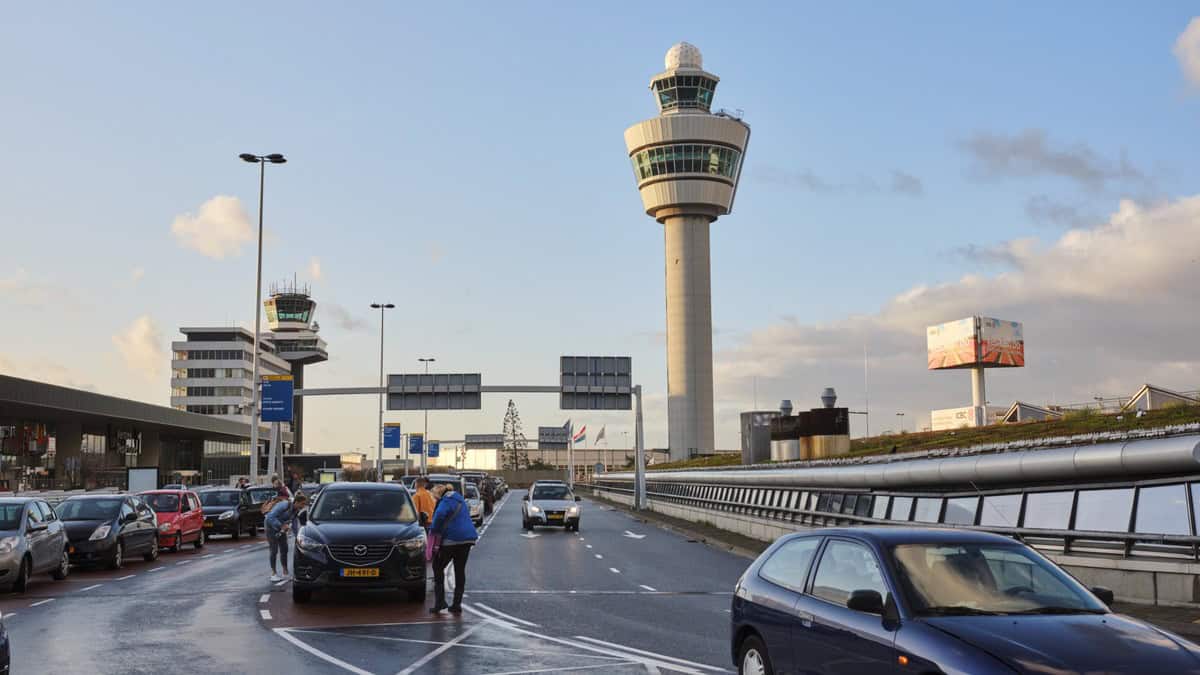
The Netherlands is entering a new phase in aviation planning as Amsterdam Airport Schiphol balances strict capacity controls with continued airline demand, international connectivity goals and passenger growth expectations. The key aviation challenge is no longer only the number of permitted flights, but how airlines, airports and travel businesses adapt their networks within a regulated operating environment. Schiphol’s future strategy is increasingly focused on maintaining its global hub role while meeting noise reduction and sustainability objectives. Official figures show that Schiphol remains one of Europe’s most connected airports, making capacity decisions important for airlines, passengers, business travel and tourism flows.
Netherlands Aviation Enters a New Schiphol Capacity Management Era
Amsterdam Airport Schiphol is facing a strategic aviation challenge: protecting its role as a major international hub while operating under tighter capacity conditions.
Advertisement
Advertisement
The Netherlands government’s approach has centred on managing airport activity through regulatory limits, environmental targets and operational improvements rather than unlimited expansion. The current framework establishes a maximum of 478,000 annual flight movements at Schiphol, alongside measures aimed at reducing aviation noise impacts around the airport.
The emerging industry issue for airlines is not simply whether flights can operate, but how carriers will optimise their networks when airport capacity becomes a controlled resource.
Advertisement
Advertisement
For passengers, this could influence future route frequencies, seasonal scheduling, connection options and the way airlines deploy larger aircraft instead of increasing flight numbers.
For travel companies, the development creates a need to monitor route planning decisions more closely because Schiphol functions as a major gateway between Europe and international markets.
Advertisement
Advertisement
The Netherlands aviation market is therefore moving towards a model where connectivity growth depends increasingly on efficiency, aircraft utilisation and strategic slot management.
Amsterdam Schiphol Airport Remains a Critical European Connectivity Hub
Schiphol continues to play a central role in the Netherlands’ international transport network.
Advertisement
Advertisement
Royal Schiphol Group reported that Amsterdam Airport Schiphol handled 68.8 million passengers in 2025 and operated 477,552 aircraft movements. The airport connected the Netherlands with 300 direct destinations, including 124 intercontinental destinations.
Schiphol Aviation Performance Overview
| Indicator | Latest Official Figure |
|---|---|
| Airport | Amsterdam Airport Schiphol |
| Country | Netherlands |
| Passenger traffic 2025 | 68.8 million passengers |
| Aircraft movements 2025 | 477,552 |
| Direct destinations | 300 |
| Intercontinental destinations | 124 |
| Maximum regulated movements | 478,000 annually |
Source: Royal Schiphol Group official statistics.
The figures show why capacity regulation has become a major aviation industry issue. Schiphol is already operating close to the permitted movement level, meaning future growth cannot rely only on adding more flights.
Instead, airlines may increasingly focus on:
Advertisement
Advertisement
- deploying higher-capacity aircraft;
- improving connecting passenger flows;
- prioritising profitable routes;
- adjusting seasonal operations;
- increasing operational efficiency.
This represents a significant change from traditional airport growth models where additional passenger demand was often met through more flight frequencies.
The Hague’s Regulatory Strategy Changes Airline Planning Decisions
The Netherlands government’s aviation policy is designed around balancing economic connectivity with environmental responsibilities.
According to the Dutch government’s aviation strategy, Amsterdam Airport Schiphol remains important for the national economy, but aviation activity must be managed alongside environmental and quality-of-life considerations.
The capacity framework is linked with the European Union’s Balanced Approach process, which requires governments to consider operational measures, noise reduction actions and stakeholder impacts before introducing restrictions.
This creates a complex planning environment for airlines.
Carriers operating through Amsterdam must consider not only passenger demand but also:
Advertisement
Advertisement
| Planning Factor | Impact on Airlines |
|---|---|
| Flight movement limits | Restricts unlimited frequency growth |
| Slot availability | Influences new route opportunities |
| Noise regulations | Encourages quieter aircraft deployment |
| Sustainability targets | Shapes fleet investment decisions |
| Passenger demand | Requires smarter capacity allocation |
The result is a shift from expansion based on volume towards expansion based on efficiency.
Airline Demand Meets Infrastructure Limits at Amsterdam Schiphol
The aviation industry is watching Schiphol because the airport represents a wider European challenge: how major hubs manage demand when physical and regulatory limits become stronger.
Airlines depend on hub airports because they provide network advantages. A strong hub allows carriers to connect passengers between multiple regions through coordinated schedules.
However, when airport movements are restricted, airlines may need to redesign operations.
Potential industry responses include:
- replacing smaller aircraft with larger models;
- protecting high-demand international routes;
- increasing passenger capacity per movement;
- improving transfer efficiency;
- reviewing low-frequency routes.
This does not automatically mean reduced connectivity. Instead, the aviation market may move towards more selective growth.
Advertisement
Advertisement
Rotterdam and Amsterdam Strengthen the Netherlands Aviation Network Strategy
While Amsterdam remains the country’s main international aviation gateway, the Netherlands aviation system also includes other airports that contribute to national connectivity.
Amsterdam and Rotterdam represent two important urban aviation markets within the Netherlands.
Amsterdam Schiphol serves as the country’s primary global hub, supporting long-haul travel, international business connections and tourism arrivals.
Rotterdam The Hague Airport provides additional regional connectivity, particularly for short-haul European travel.
Royal Schiphol Group reported that Rotterdam The Hague Airport handled 2.4 million passengers in 2025, demonstrating the role of regional airports within the wider Dutch aviation network.
This broader airport strategy may become increasingly important as capacity discussions continue.
Advertisement
Advertisement
Infrastructure Investment Becomes Central to Schiphol’s Future
Capacity management is not only about limiting flights. It is also about improving airport quality and operational performance.
Schiphol reported significant investment activity focused on airport renewal, maintenance and passenger experience improvements. In 2025, the airport invested more than €1 billion in maintenance, renewal and improvement projects.
Future aviation competitiveness will depend on several infrastructure priorities:
| Infrastructure Area | Importance |
|---|---|
| Passenger processing | Reduces congestion during peak periods |
| Terminal improvements | Supports growing passenger expectations |
| Sustainable operations | Supports long-term aviation targets |
| Aircraft efficiency | Helps airlines meet environmental goals |
For travellers, airport quality improvements could become as important as route expansion.
What This Means for Travellers, Airlines and Travel Businesses
The Schiphol capacity debate has direct implications across the travel sector.
Passenger Impact
Travellers may see:
Advertisement
Advertisement
- changing flight schedules;
- fewer opportunities for additional frequencies on popular routes;
- greater use of larger aircraft;
- continued focus on international connections.
Airline Impact
Airlines may need to:
- optimise existing slots;
- strengthen strategic routes;
- improve aircraft utilisation;
- adjust growth plans.
Travel Trade Impact
Travel agents and tour operators should monitor:
- airline timetable changes;
- seasonal capacity adjustments;
- connecting flight availability;
- alternative Dutch and European gateways.
Operational Takeaways for Travel Agents and Tour Operators
- Monitor Amsterdam Schiphol schedule changes as airlines adjust capacity strategies.
- Review alternative European connection options for complex itineraries.
- Track aircraft type changes because larger aircraft may replace additional frequencies.
- Inform corporate travellers about possible timetable adjustments.
- Maintain flexible booking strategies during capacity regulation changes.
- Follow official Schiphol and airline updates before confirming high-demand routes.
Long-Term Aviation Outlook
The Netherlands Schiphol capacity debate represents a broader transformation across European aviation. Major airports are increasingly required to balance connectivity growth with sustainability, infrastructure pressure and community expectations.
Amsterdam Schiphol is likely to remain a crucial international hub, but future growth will depend less on increasing flight numbers and more on smarter network planning, efficient aircraft operations and improved passenger infrastructure.
For global travellers, airlines and tourism businesses, the next stage of Schiphol’s development will be defined by how successfully the Netherlands combines aviation connectivity with responsible airport management.
Advertisement
