
Maryland’s Rising Tourism Wave Faces Michigan’s Travel Empire in a Fierce 2025–26 Destination Competition

Published
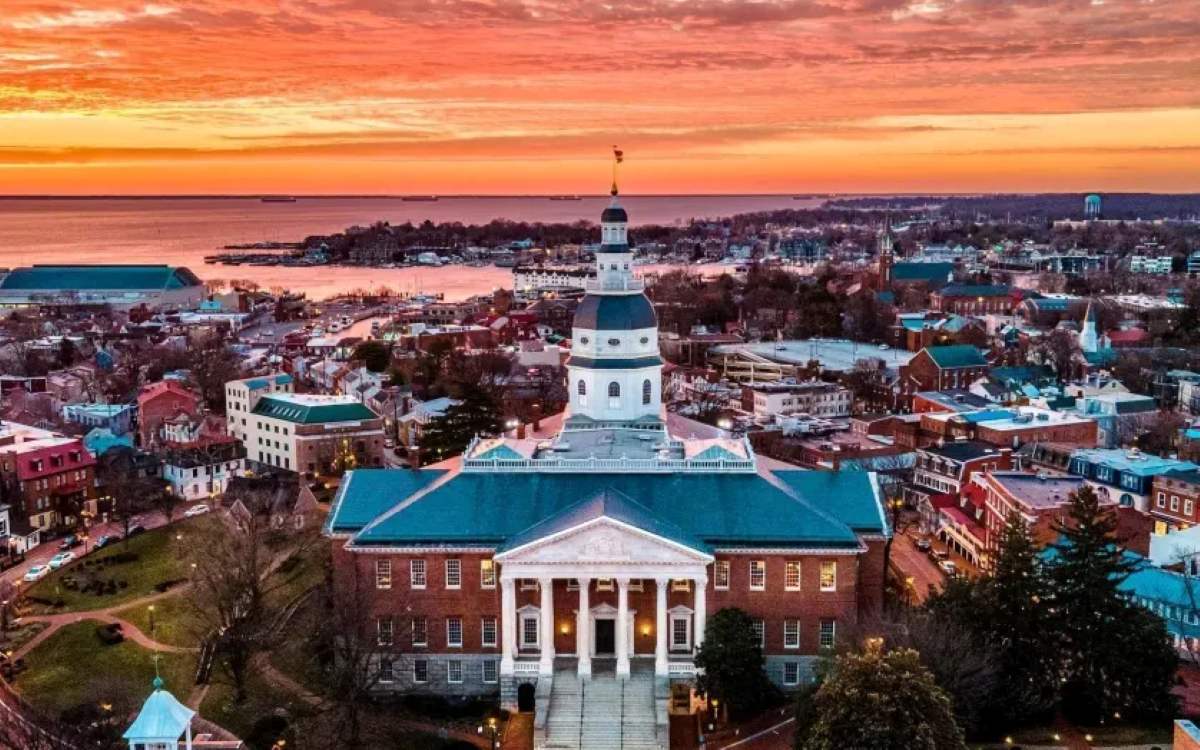
Maryland’s Rising Tourism Wave Faces Michigan’s Travel Empire in a Fierce 2025–26 Destination Competition.Maryland, Massachusetts and Michigan are emerging as powerful drivers of US tourism growth as changing traveller preferences reshape destination demand in 2026. These three states are attracting visitors through a combination of coastal escapes, heritage experiences, outdoor adventures and major international events.
Maryland is expanding beyond regional beach tourism with eco-tourism and global visitor growth, Massachusetts is gaining momentum through FIFA World Cup exposure and historic celebrations, while Michigan is strengthening four-season travel through nature, culture and outdoor recreation.
Together, these destinations highlight how diverse tourism strategies are creating new opportunities across the American travel landscape.
| State | 2025 Tourism Base | 2026 Growth Driver | Main Visitor Markets | Key Tourism Strength |
|---|---|---|---|---|
| Maryland | Visitor spending exceeded $21.2 billion; driven mainly by regional leisure travellers, Ocean City holidays and Baltimore/Annapolis cultural trips | International arrivals, World Cup spillover from nearby Washington D.C. and Philadelphia, Chesapeake Bay eco-tourism | Pennsylvania, Virginia, Washington D.C., Delaware, New York, Canada, UK, Germany, India, France | Beaches, Chesapeake Bay experiences, maritime heritage, seafood tourism |
| Massachusetts | Direct visitor spending reached $24.8 billion; supported by regional leisure, business travel and heritage tourism | FIFA World Cup matches, America250 celebrations, Sail Boston tall ships festival | New York, Connecticut, Rhode Island, New Hampshire, Pennsylvania, UK, Canada, Germany, France, China | Revolutionary history, Boston heritage, Cape Cod, universities, global events |
| Michigan | Direct visitor spending crossed $30.7 billion with 131 million trips and $54.8 billion economic impact | Pure Michigan campaign anniversary, Canadian border recovery, Upper Peninsula eco-tourism, four-season travel | Illinois, Ohio, Indiana, Wisconsin, Michigan residents, Ontario Canada, UK, Germany, Japan | Great Lakes coastline, outdoor adventure, islands, Detroit culture, craft tourism |
Quick Ranking Snapshot
| Category | Leading State |
|---|---|
| Highest visitor spending | Michigan ($30.7B+) |
| Strongest international/event growth potential | Massachusetts |
| Strongest coastal and heritage mix | Maryland |
| Biggest drive-market dependence | Michigan & Maryland |
| Biggest 2026 mega-event boost | Massachusetts (FIFA World Cup + America250) |
Additional correction note: The Scotland section in the uploaded material requires verification; the provided source correction states that 15.3 million overnight visitors in 2025 is not supported by official Scottish statistics. Official figures cited show 15.19 million overnight tourism trips in 2024 and 10.4 million Great Britain resident overnight trips in 2025.
Advertisement
Advertisement
Maryland Tourism Trends & Traveler Demographics: 2025–2026 Analysis
Maryland’s tourism sector experienced steady momentum between 2025 and 2026, driven by robust Mid-Atlantic drive-market traffic, heritage travel, and expanding coastal spending. As travel patterns shifted toward localized experiences, Maryland maintained its advantage through diverse regional attractions and events.
2025 vs. 2026 Tourism Comparison
The transition from 2025 to 2026 marked an important shift for Maryland’s travel economy from post-pandemic recovery into long-term, sustained expansion.
Advertisement
Advertisement
- 2025 Performance: Statewide visitor spending reached record highs exceeding $21.2 billion, supported by elevated average daily hotel rates (ADR) and strong summer occupancy across key tourism hubs. Growth was primarily anchored by domestic drive-market leisure vacationers, traditional beach getaways to Ocean City, and cultural events in Baltimore and Annapolis.
- 2026 Trajectory: Tourism in 2026 experienced a distinct surge in international inbound arrivals and out-of-region domestic visitors. Growth was accelerated by regional spillover from high-profile Mid-Atlantic sporting events, including the 2026 FIFA World Cup matches hosted in adjacent Washington D.C. and Philadelphia. Additionally, state tourism initiatives prioritized eco-tourism along the Chesapeake Bay Watershed, expanded heritage trails, and upgraded outdoor recreation facilities in Western Maryland.
| Metric / Focus Area | 2025 Baseline | 2026 Growth Driver |
| Primary Visitor Base | Regional Mid-Atlantic Drive Markets | Expanded International & Cross-Regional Travel |
| Top Destination Drivers | Ocean City, Annapolis, Baltimore Inner Harbor | Chesapeake Bay Eco-Tours, World Cup Multi-City Stays |
| Core Economic Catalyst | Beach vacations & regional leisure travel | Major international sports spillover & outdoor recreation |
Who Visits Maryland Most?
Maryland’s visitor demographics are heavily dominated by short-haul regional travelers due to the state’s strategic location along the densely populated I-95 corridor. Approximately 77% of all overnight and day-trip tourists originate from within the surrounding eight-state Mid-Atlantic region.
- Primary Origin Markets: Pennsylvania, Virginia, Washington D.C., Delaware, New York, and intra-state Maryland residents generate the vast majority of overall trip volume. The leading Designated Market Areas (DMAs) feeding Maryland’s tourism economy include the New York City metropolitan area, Philadelphia, Washington D.C./Hagerstown, and Baltimore.
- Secondary & International Markets: Outside the immediate region, states such as Florida, North Carolina, Texas, and Georgia contribute significant leisure visitor volumes. Internationally, Canada remains Maryland’s top origin market, followed by overseas travelers from the United Kingdom, Germany, India, and France—many arriving via Baltimore/Washington International Thurgood Marshall Airport (BWI) or adding Maryland stops to Washington D.C. itineraries.
Key Reasons Travelers Visit Maryland
Travelers choose Maryland—famously nicknamed “America in Miniature“—because it condenses remarkably diverse geographic landscapes, rich historical narratives, and iconic culinary traditions into a compact, easily accessible state:
- Coastal & Beach Resorts: Ocean City and Assateague Island serve as top destinations for summer beach vacations, family-friendly boardwalk entertainment, water sports, and wild horse viewing.
- Maritime Culture & Living History: Historic Annapolis (the sailing capital of the U.S.), Baltimore’s Inner Harbor and Fort McHenry, and civil rights heritage sites like the Harriet Tubman Underground Railroad Byway attract deep historical interest.
- Year-Round Outdoor Recreation: Western Maryland’s Deep Creek Lake and Garrett County draw visitors for skiing, whitewater rafting, state park hiking, and vibrant autumn foliage tours.
- World-Class Culinary Tourism: Seafood enthusiasts visit explicitly for world-famous Maryland blue crabs, authentic crab cakes, regional craft breweries, and local specialties like the official state cocktail, the Original Orange Crush.
With over 30 million potential visitors residing within a four-hour drive, Maryland’s accessible infrastructure ensures a steady stream of high-frequency, repeat leisure travelers in every season.
From Regional Drive-Markets to Global Stage: The Evolution of Massachusetts Tourism (2025–2026)
Massachusetts’ tourism sector expanded dramatically between 2025 and 2026, transitioning from steady domestic leisure travel into unprecedented global visibility. Backed by heritage travel, university visits, and major international events, the Commonwealth saw significant growth across visitor spending and inbound travel.
2025 vs. 2026 Tourism Comparison
The transition from 2025 to 2026 marked a pivotal transformation for the Commonwealth’s tourism economy, moving from sustainable baseline performance into record-breaking global exposure.
- 2025 Performance: Visitor direct spending reached $24.8 billion, supported by strong average daily room rates (ADR) and steady regional driving leisure trips. While domestic travelers generated the vast majority of volume, international inbound travel continued a gradual, post-pandemic recovery toward historical norms.
- 2026 Trajectory: Tourism surged significantly in 2026 due to an unprecedented convergence of global mega-events. Greater Boston served as a host city for seven 2026 FIFA World Cup matches at Gillette Stadium, generating an estimated 450,000 international visitor stays. Concurrently, the nationwide launch of America250 (commemorating the 250th anniversary of the American Revolution) and the Sail Boston tall ships festival injected hundreds of millions of dollars into historic sites and coastal harbors.
| Metric / Focus Area | 2025 Baseline | 2026 Growth Driver |
| Primary Visitor Base | Regional Drive-Market & Business Travelers | Global Sports Fans & International Heritage Tourists |
| Top Destination Drivers | Cape Cod, Freedom Trail, The Berkshires | FIFA World Cup Matches, Sail Boston, Lex250 Sites |
| Core Economic Catalyst | Higher hotel ADRs & regional leisure stays | International mega-events & milestone anniversaries |
Who Visits Massachusetts Most?
Massachusetts attracts a diverse demographic profile comprising short-haul drive visitors, academic and business travelers, and high-spending international tourists.
Advertisement
Advertisement
- Primary Domestic Origin Markets: Over 70% of domestic overnight visitors originate from within the Northeast corridor. Leading feeder states include New York, Connecticut, Rhode Island, New Hampshire, Pennsylvania, and New Jersey, alongside high volumes of intra-state travel from local residents.
- Secondary & International Markets: Beyond the Northeast, major domestic visitor hubs include Florida, California, and Texas. Internationally, the United Kingdom, Canada, Germany, France, and China lead long-haul arrivals. In 2026, European and Latin American visitor numbers rose sharply due to World Cup match allocations and expanded direct flight routes through Boston Logan International Airport.
Key Reasons Travelers Visit Massachusetts
Known as “The Bay State,” Massachusetts offers a dense concentration of historical landmarks, coastal scenery, world-class academic institutions, and cultural events within an easily accessible geographic area:
- Revolutionary History & Heritage: Millions of tourists visit annually to walk Boston’s 2.5-mile Freedom Trail, explore early American history in Lexington and Concord, and experience historic maritime destinations like Salem and Plymouth.
- Coastal Resorts & Scenic Nature: Cape Cod, Martha’s Vineyard, and Nantucket serve as premier summer beach retreats, while Western Massachusetts’ Berkshires region draws travelers for autumn foliage, hiking, and performing arts centers like Tanglewood.
- Higher Education, Healthcare, & Business: Home to over 100 colleges and universities (including Harvard and MIT), the state generates steady, year-round travel for campus visits, graduations, scientific conventions, and specialized medical care.
- Global Sports & Event Tourism: Visitors flock to iconic venues like Fenway Park and Gillette Stadium, complemented by seasonal sailing regattas, marathons, and major international tournament fixtures.
With robust transportation infrastructure connecting Boston Logan Airport, Amtrak rail lines, and regional highways, Massachusetts maintains consistent, high-impact tourism spending year-round.
Michigan Tourism Analysis: 2025–2026 Performance, Traveler Profiles, and Destination Appeal
Michigan’s tourism economy achieved record expansion between 2025 and 2026, fueled by resilient Midwest drive-market leisure, outdoor eco-tourism, and high-profile brand campaigns. The Great Lakes State reinforced its status as a premier four-season destination across coastal, urban, and wilderness regions.
2025 vs. 2026 Tourism Comparison
The transition from 2025 to 2026 marked a shift from steady post-pandemic stabilization into strategic regional dominance for Michigan’s travel industry.
- 2025 Baseline: Direct visitor spending crossed $30.7 billion, with total economic impact reaching $54.8 billion across 131 million trips. Growth was heavily driven by regional road-trip vacationers, summer freshwater resort stays, and the ongoing cultural and downtown economic resurgence of Detroit following national sports events.
- 2026 Trajectory: Tourism momentum accelerated significantly in 2026, propelled by the 20th anniversary celebration of the iconic “Pure Michigan” campaign and targeted marketing pushes in major metropolitan feeder cities like Chicago. Rebounding cross-border auto travel from Canada, expanded winter sports infrastructure, and surging demand for Upper Peninsula wilderness eco-tourism broadened the state’s year-round visitor footprint.
| Metric / Focus Area | 2025 Baseline | 2026 Growth Driver |
| Primary Visitor Base | In-State & Regional Midwest Travelers | Expanded Cross-Border & National Drive Markets |
| Top Destination Drivers | Ocean-like Lakeshores, Mackinac Island, Detroit | 20th Anniversary Campaigns, UP Wilderness, Craft Trails |
| Economic Drivers | Summer coastal leisure & urban business stays | Year-round 4-season travel & enhanced regional marketing |
Who Visits Michigan Most?
Michigan’s traveler demographics are predominantly short-haul drive visitors, given the state’s strategic geographic location in the Upper Midwest and its expansive Great Lakes shoreline.
- Primary Domestic Origin Markets: Regional auto travel accounts for over 80% of total leisure volume. Illinois (led by the Chicago metropolitan area), Ohio, Indiana, Wisconsin, and internal Michigan residents generate the vast majority of trips. Key Designated Market Areas (DMAs) feeding the state include Chicago, Cleveland, Indianapolis, Columbus, and Greater Detroit.
- Secondary & International Origin Markets: Beyond the core Midwest, states such as Florida, Texas, Pennsylvania, and New York contribute substantial travel numbers. Internationally, Ontario, Canada remains Michigan’s primary foreign origin market due to direct border crossings at Detroit, Port Huron, and Sault Ste. Marie, followed by overseas visitors from the United Kingdom, Germany, and Japan.
Key Reasons Travelers Visit Michigan
Known as “The Great Lakes State,” Michigan attracts travelers by offering more than 3,200 miles of freshwater coastline, historic island retreats, urban cultural hubs, and vast wilderness reserves:
Advertisement
Advertisement
- Freshwater Coastal Escapes: Sleeping Bear Dunes National Lakeshore, historic Mackinac Island (renowned for its car-free charm and grand hotels), Pictured Rocks, and beach towns like Traverse City, Grand Haven, and Saugatuck dominate summer travel.
- Urban Culture & Heritage: Detroit draws millions of visitors for its rich automotive history, legendary Motown music heritage, casino resorts, professional sports teams, and iconic museums such as The Henry Ford.
- Four-Season Outdoor Adventure: Western Michigan and the Upper Peninsula (UP) provide premier year-round outdoor recreation, including autumn foliage tours, snowmobiling, downhill skiing, fly-fishing, and extensive hiking trail networks.
- Craft Culinary & Agritourism: Food and beverage enthusiasts flock to the Old Mission and Leelanau Peninsulas for cherry orchards and wineries, complemented by Grand Rapids’ national standing as “Beer City USA.”
Michigan’s location within a six-hour drive of 30 million Midwesterners ensures a consistent, high-volume flow of repeat leisure travelers across all seasons.
Maryland, Massachusetts and Michigan demonstrate how US destinations are evolving to capture both domestic and international travellers through unique tourism strengths. Maryland’s coastal and heritage attractions, Massachusetts’ global events and historical appeal, and Michigan’s Great Lakes adventures are creating strong reasons for visitors to explore beyond traditional gateways. As travellers increasingly seek authentic experiences, nature, culture and regional discoveries, these states are positioned for continued tourism growth. Their 2026 momentum reflects a wider shift in American travel, where diverse destinations are competing on the global stage with innovative experiences and stronger visitor engagement.
(Image Credit- visitmaryland)
Advertisement
