


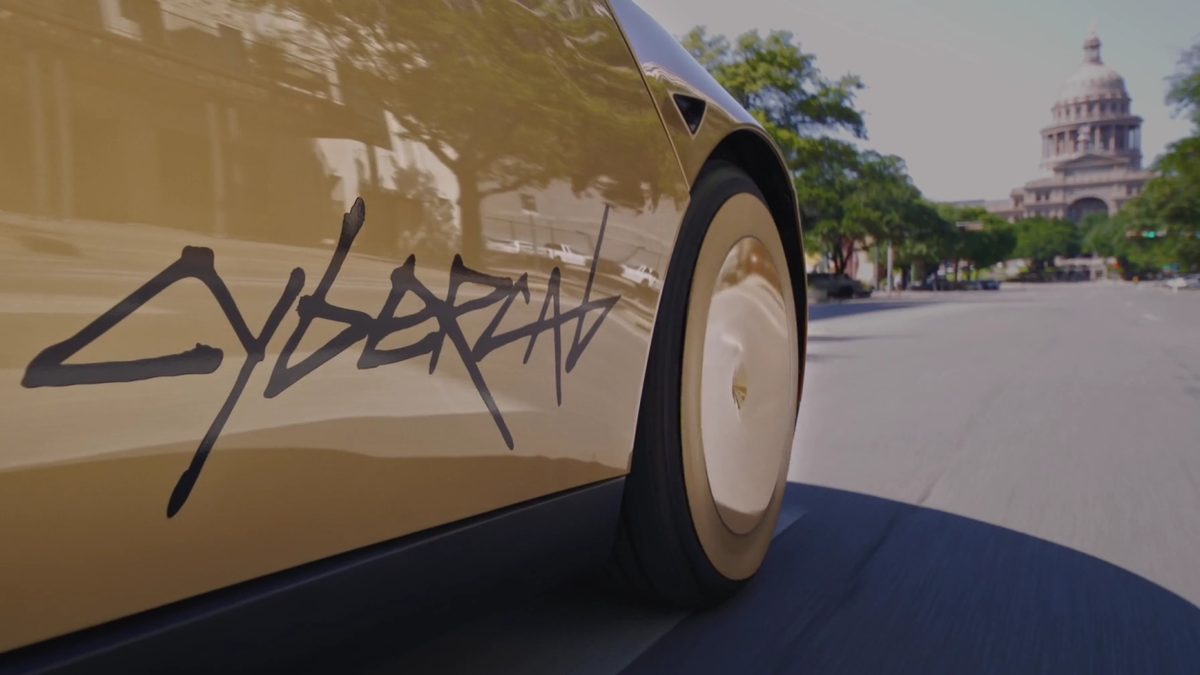
The Tesla Cybercab safety review has become a major development in the future of autonomous travel technology after the US Department of Transportation’s National Highway Traffic Safety Administration opened an Audit Query into Tesla’s vehicle certification. The review follows the commercial deployment of driverless vehicles in Austin, Texas, and examines whether the Cybercab meets Federal Motor Vehicle Safety Standards (FMVSS).
The action highlights how regulators are balancing innovation and safety as autonomous vehicle technology in the US continues to develop. The investigation will assess Tesla’s certification process while keeping existing federal safety requirements in place.
The US Department of Transportation’s National Highway Traffic Safety Administration (NHTSA) has launched a Tesla Cybercab safety review to examine the company’s certification process for its newly deployed driverless vehicle.
The federal agency announced that an Audit Query had been opened to evaluate Tesla’s claim that the Cybercab complies with all applicable Federal Motor Vehicle Safety Standards (FMVSS).
Advertisement
Advertisement
The review was initiated after Tesla introduced its driverless Cybercab vehicles for commercial operation in Austin, Texas. The move represents a significant regulatory step as autonomous vehicle technology in the US moves from development stages towards wider public deployment.
NHTSA stated that vehicle manufacturers operating in the US market must certify that their vehicles meet established federal safety requirements. Although manufacturers are responsible for self-certification, the agency maintains oversight authority to verify whether those certifications meet legal and technical standards.
The Tesla Cybercab safety review will therefore focus on the technical foundation behind Tesla’s compliance claims and whether the certification process properly considered existing federal vehicle regulations.
The introduction of driverless vehicles in Austin has increased attention on how existing safety rules apply to vehicles designed without traditional human driving controls.
Advertisement
Advertisement
NHTSA explained that Federal Motor Vehicle Safety Standards (FMVSS) establish performance requirements for vehicles sold in the United States. These rules are designed to ensure vehicles meet specific safety benchmarks before reaching consumers and operating on public roads.
As part of the Audit Query, NHTSA will examine the technical data and processes used by Tesla when certifying the Cybercab.
The agency will also assess whether Tesla’s compliance approach relied on decisions that certain FMVSS requirements may not apply to automated vehicles without conventional controls.
The review does not change the current status of federal safety regulations. NHTSA confirmed that existing standards remain active until any planned regulatory updates are completed.
The development reflects the growing challenge of adapting established vehicle regulations to rapidly advancing autonomous systems while maintaining public safety expectations.
The Tesla Cybercab safety review comes as the US government works on updating several vehicle safety regulations linked to emerging automotive technologies.
NHTSA said it has begun multiple rulemaking efforts covering areas such as brake pedals, windscreen wipers, lighting systems and rear-view mirrors.
The agency indicated that these regulatory updates are intended to modernise safety requirements and address developments in autonomous vehicle technology in the US.
Future of autonomous travel technology depends not only on technological progress but also on clear regulatory frameworks that define how automated vehicles can operate safely.
NHTSA has stated that it supports the responsible development and deployment of automated vehicles. However, the agency has also emphasised that innovation must continue alongside compliance with federal laws.
The balance between encouraging new mobility solutions and ensuring safety oversight remains central to the development of driverless transportation systems across the United States.
The Audit Query will allow NHTSA to review the basis behind Tesla’s self-certification that the Cybercab meets federal safety requirements.
The investigation will examine the information, testing methods and compliance procedures used by Tesla during the certification process.
A key area of assessment will involve the Cybercab’s lack of traditional human controls and how Tesla determined that existing safety standards applied to the vehicle.
As autonomous vehicle technology in the US continues to evolve, regulators are examining whether current certification methods are suitable for vehicles designed around automated operation rather than conventional driving.
The review highlights the importance of ensuring that future autonomous vehicles maintain strong safety standards while introducing new transportation models.
For travellers and future users, the outcome of such regulatory reviews could influence how driverless vehicles become integrated into everyday mobility networks.
The Tesla Cybercab safety review represents a wider examination of how transportation regulations are adapting to new technology.
While the Cybercab has entered commercial deployment in Austin, the federal review will determine whether Tesla’s certification process aligns with current safety requirements.
NHTSA’s action shows that autonomous vehicles will continue to operate under regulatory supervision as manufacturers introduce new mobility solutions.
The development is closely connected to the future of autonomous travel technology, where safety standards, innovation and government oversight must work together.
The Audit Query will provide NHTSA with an opportunity to assess Tesla’s approach and determine whether additional regulatory considerations are required.
The review marks another important stage in the ongoing evolution of automated transportation in the United States.
The Tesla Cybercab safety review has placed renewed attention on how autonomous vehicles are assessed under existing US safety regulations. NHTSA’s Audit Query will examine Tesla’s certification process, technical data and compliance methods for the driverless Cybercab.
As driverless vehicles in Austin demonstrate the growing presence of automated mobility, Federal Motor Vehicle Safety Standards (FMVSS) remain a key regulatory foundation. The review reflects the continuing effort to support innovation while protecting road safety.
Advertisement
Tags: Autonomous Vehicles, driverless vehicles in Austin, Federal Motor Vehicle Safety Standards, future of autonomous travel technology, Tesla Cybercab
Advertisement
Advertisement













Tuesday, September 8, 2026

Monday, September 7, 2026
Tuesday, September 8, 2026

Tuesday, September 8, 2026

Tuesday, September 8, 2026

Tuesday, September 8, 2026

Tuesday, September 8, 2026

Tuesday, September 8, 2026

