
Middle East Flights Impacted as 1,133 Delays and 182 Cancellations Disrupt Dubai, Abu Dhabi and More Airports

Published
Middle East flights face widespread disruption as 1,133 delays and 182 cancellations disrupt operations across Dubai, Abu Dhabi and more airports, impacting thousands of travellers. Rising regional security tensions, recent missile and drone attacks targeting Saudi Arabian aviation infrastructure, and continuing airline suspensions have intensified operational challenges. Consequently, major airports in Riyadh, Jeddah, Dammam and Sharjah are reporting significant interruptions. Meanwhile, Istanbul, Cairo, Bahrain and Tel Aviv have also recorded delays and cancellations, although authorities have not confirmed the precise causes of every disruption. Furthermore, restrictions on aviation operations and ongoing safety assessments have complicated airline schedules and regional connectivity.
Dubai, Abu Dhabi and Sharjah Experience Significant Flight Disruptions among Middle East Airports
The United Arab Emirates has recorded substantial aviation disruption across its three major airports, with a combined 452 delays and 50 cancellations.
Advertisement
Advertisement
Dubai International Airport reported 234 delays and 24 cancellations, making it the UAE’s most affected airport in the supplied figures. Zayed International Airport in Abu Dhabi registered 127 delays and 18 cancellations, while Sharjah International Airport experienced 91 delays and eight cancellations.
These disruptions could complicate travel arrangements for passengers connecting through the UAE’s international aviation hubs, particularly those relying on closely scheduled onward flights.
Advertisement
Advertisement
Saudi Arabia Faces 90 Cancellations Across Four Airports
Saudi Arabia recorded 189 delays and 90 cancellations across Riyadh, Jeddah, Dammam and Abha.
King Khalid International Airport in Riyadh reported 45 cancellations and seven delays, representing the highest cancellation count among all 12 airports.
Advertisement
Advertisement
King Abdulaziz International Airport in Jeddah experienced 149 delays and 18 cancellations, while King Fahd International Airport in Dammam registered 31 delays and 22 cancellations.
Abha Regional Airport reported two delays and five cancellations.
Advertisement
Advertisement
The figures indicate that Saudi Arabia experienced particularly significant cancellation activity, while Jeddah recorded the country’s highest number of delays.
Istanbul, Cairo, Tel Aviv, Amman and Bahrain Report Additional Interruptions in Middle East
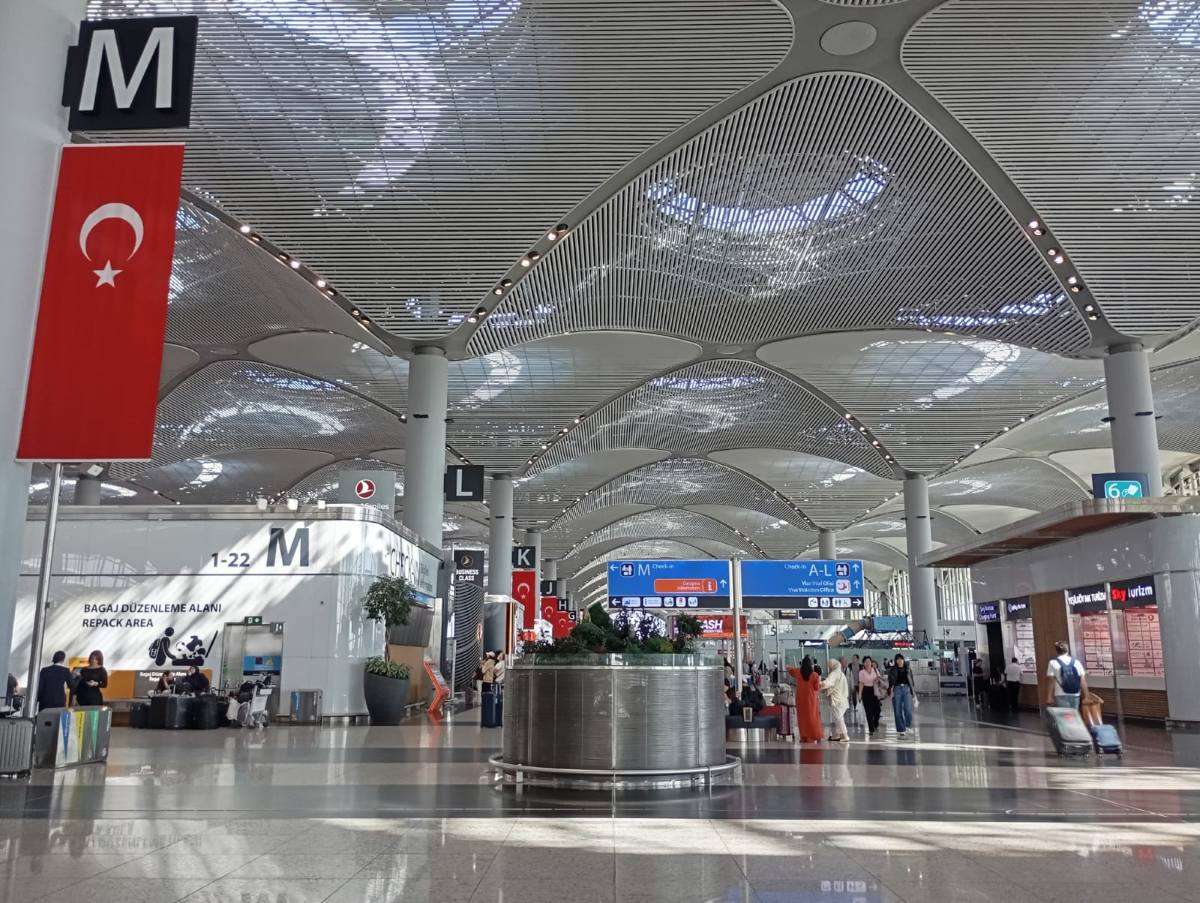
Istanbul Airport recorded 246 delays and 14 cancellations, the highest delay count among the airports surveyed.
Cairo International Airport in Egypt registered 97 delays and 15 cancellations. Ben Gurion Airport in Tel Aviv experienced 113 delays and three cancellations.
Queen Alia International Airport in Amman, Jordan, reported 15 delays and three cancellations, while Bahrain International Airport in Manama recorded 21 delays and seven cancellations.
Advertisement
Advertisement
These interruptions extend the operational impact beyond Gulf aviation hubs and could affect passengers travelling between the Middle East, Europe and other international destinations.
| Airport (code) | Origin cancelled % | Destination cancelled % |
|---|---|---|
| Abha Rgnl (AHB) | 7% | 4% |
| Bahrain Intl (BAH) | 2% | 3% |
| Ben Gurion (TLV) | 0% | — |
| Dubai Intl (DXB) | 2% | 2% |
| King Abdulaziz Intl (JED) | 2% | 2% |
| King Fahd Intl (DMM) | 8% | 8% |
| King Khaled Intl (RUH) | 5% | 7% |
| Queen Alia Intl (AMM) | — | 1% |
| Sharjah Intl (SHJ) | 3% | 2% |
| Zayed Intl (AUH) | 3% | 3% |
| Cairo Intl (CAI) | 2% | 1% |
| Istanbul (IST) | 0% | 0% |
FlyDubai, Etihad Airways, Saudia and Air Arabia Among Affected Airlines
FlyDubai recorded 20 cancellations, representing six per cent of its tracked flights, alongside 75 delays affecting 25 per cent.
Etihad Airways reported 18 cancellations (four per cent) and 92 delays (25 per cent). Saudia registered 17 cancellations (three per cent) and 66 delays (12 per cent).
EgyptAir experienced 10 cancellations (three per cent) and 42 delays (16 per cent), while Air Arabia reported seven cancellations (two per cent) and 79 delays (33 per cent).
Gulf Air recorded five cancellations (three per cent) and 11 delays (eight per cent).
Turkish Airlines experienced 211 delays (14 per cent) and four cancellations, with its cancellation rate rounded to zero per cent. Pegasus Airlines registered 118 delays (16 per cent) and one cancellation, also rounded to zero per cent.
Advertisement
Advertisement
Qatar Airways reported 80 delays (12 per cent) and one cancellation, with a rounded cancellation rate of zero per cent.
Royal Jordanian recorded three cancellations (two per cent) and seven delays (four per cent). Fly Baghdad registered two cancellations, representing 100 per cent of its tracked flights, and zero delays.
Syrian Arab Airlines experienced two cancellations (16 per cent) and one delay (eight per cent). Israir recorded one cancellation (one per cent) and 23 delays (31 per cent).
Which Middle East Countries and Cities Are Most Affected?
The United Arab Emirates and Saudi Arabia account for a substantial share of the reported airport disruptions.
Dubai recorded the UAE’s highest delay and cancellation figures, followed by Abu Dhabi and Sharjah.
In Saudi Arabia, Riyadh experienced the most cancellations, while Jeddah recorded the highest number of delays. Dammam also reported significant cancellation activity.
Advertisement
Advertisement
Elsewhere, Cairo, Amman, Manama and Tel Aviv experienced varying levels of disruption, while Istanbul recorded the highest individual airport delay count.
The figures show that disruption patterns differ considerably between airports. High cancellation totals do not necessarily correspond with high delay counts.
What Should Affected Passengers in Middle East Do Now?
- Passengers travelling through affected Middle Eastern airports should verify flight schedules directly through their airline’s official website or mobile application before departing for the airport.
- Travellers facing cancellations should contact their airlines immediately to request alternative flights, rebooking assistance or eligible refunds.
- Passengers experiencing prolonged delays should retain booking confirmations, receipts and airline notifications, particularly when seeking reimbursement or assistance under applicable passenger protection rules.
- Those travelling on connecting itineraries should confirm the status of onward flights and allow additional time for potential schedule changes.
Data Verification Notice
Our editorial team has carefully compiled and analysed real-time aviation data recorded on 20 October 2026 at 7:32 pm ET (USA), corresponding to 21 October 2026 at 3:32 am GST.
Primary Sources: FlightAware and Local Correspondent.
Verification Protocol: Our human editorial team has independently examined, verified and cross-checked all reported flight disruption statistics to maintain accuracy and reliability. Timestamped flight records, operational data logs and tracking snapshots are securely archived internally to ensure historical accuracy, accountability and editorial transparency.
Important Note: Flight delays and cancellations are based on real-time aviation tracking data and may change as airline schedules and airport operations evolve. Minor discrepancies may arise between these figures and the latest information displayed on airline websites, airport information boards or departure gates.
You can also read our previous report on flight disruptions across major Middle Eastern airports, published yesterday.
Advertisement
Verified by Paramita Sarkar
