
Amsterdam Noord Follow Katendrecht and More as Europe’s Hidden Waterfront Gems Take Centre Stage for Global Travellers!

Published
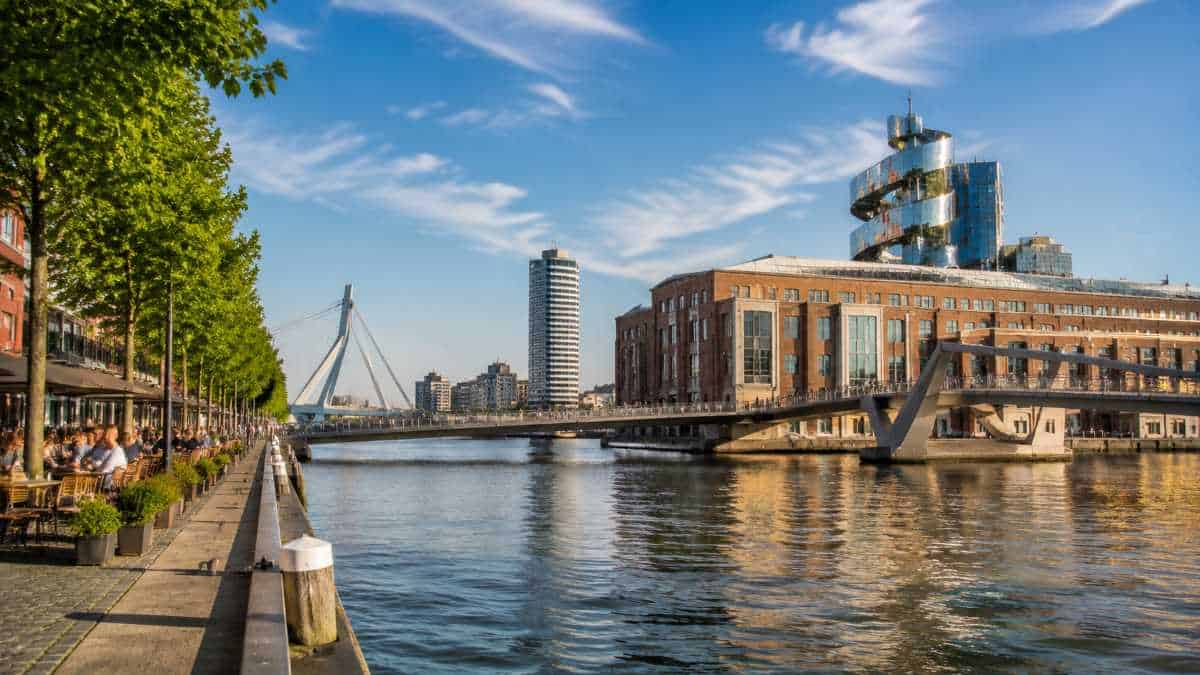
Image generated with Ai
Amsterdam Noord follows Katendrecht and more as Europe’s hidden waterfront gems take centre stage for global travellers seeking fresh city-break experiences. Meanwhile, Amsterdam Noord, Katendrecht, Hamburg’s HafenCity, Copenhagen’s waterfront and Berlin’s creative districts are giving travellers more reasons to explore beyond Europe’s famous tourist trails. These hidden waterfront gems combine culture, food, architecture, cycling and riverside experiences in exciting ways. Moreover, each destination offers a distinctive travel experience for visitors seeking something different. Travel And Tour World urges readers to explore the entire story to discover why Amsterdam Noord follows Katendrecht and more, as Europe’s waterfront destinations increasingly take centre stage for global travellers.
Amsterdam Noord City Break: The Complete Traveller Guide to Amsterdam’s Creative Northern Side
An Amsterdam Noord city break offers travellers a different way to experience the Dutch capital. The district combines former shipyards, contemporary art, waterfront dining, parks, cycling routes and traditional villages.
Advertisement
Advertisement
For visitors who have already seen Amsterdam’s central canals, Noord can provide a fresh itinerary. The area is also remarkably accessible. Free ferries connect the northern waterfront with Amsterdam Centraal, while metro services provide additional links across the district.
Official Amsterdam tourism statistics show why the wider city remains such an important European destination. Amsterdam recorded approximately 14 million unique day visitors and 10 million overnight visitors in 2024. Those overnight visitors generated nearly 23 million overnight stays.
Advertisement
Advertisement
The figures also reveal an important travel trend. Overnight visitors remained below the 2019 visitor count, yet total overnight stays exceeded the pre-pandemic level. Visitors are therefore staying longer.
Amsterdam Tourism Statistics: Five-Year Picture
Amsterdam’s tourism data changed dramatically during the pandemic and then recovered strongly. However, the figures need careful interpretation because the city distinguishes day visitors, overnight visitors and cruise passengers.
Advertisement
Advertisement
| Year | Unique tourist visitors / key measure | Day visitors | Overnight visitors | Overnight stays | Tourism situation |
|---|---|---|---|---|---|
| 2020 | 8+ million | Severely reduced | Pandemic-affected | Around 68% below 2019 hotel-night level | International travel restrictions heavily affected Amsterdam |
| 2021 | 7–9 million estimated | Severely restricted | Around 3m hotel guests | Around 68% below 2019 hotel-night level | Recovery remained uncertain |
| 2022 | About 20.4m excluding cruise passengers | 13m | 7.4m | 15.8m hotel nights | Strong reopening recovery |
| 2023 | About 24m | 15m | 9m | 22m | Tourism moved above pre-pandemic overnight levels |
| 2024 | About 24m excluding cruise passengers | 14m | 10m | Nearly 23m | Longer stays offset fewer day visitors |
The 2020 figure represents Amsterdam’s estimated total unique tourist visitors after the city reported a fall of about 61 percent from 2019. For 2021, the official forecast range was 7–9 million rather than one definitive annual figure.
In 2022, Amsterdam recorded approximately 13 million unique day visitors and 7.4 million overnight visitors. Both categories had more than doubled from 2021.
Advertisement
Advertisement
The recovery continued in 2023. The city estimated 15 million day visitors and 9 million overnight visitors, generating about 22 million overnight stays.
In 2024, day visitors slipped to about 14 million, while overnight visitors increased to approximately 10 million. Total overnight stays reached nearly 23 million.
What the Five-Year Comparison Means for Travellers
The most important statistic is not simply the number of arrivals.
In 2024, overnight visitors stayed for an average of about 2.36 nights. The city recorded almost 23 million overnight stays from approximately 10 million overnight visitors.
Advertisement
Advertisement
This suggests that travellers are spending more time in Amsterdam than during the earlier recovery period.
For an Amsterdam Noord city break, that matters because Noord works especially well as part of a multi-day itinerary.
A visitor can dedicate one day to Noord while still having enough time for museums, canals and historic districts elsewhere in Amsterdam.
Amsterdam Accommodation Capacity in Detail
Amsterdam had approximately 42,000 hotel rooms and 92,000 beds in 2024. The city says hotel capacity had increased by about 13 percent in bed capacity compared with 2019.
By the beginning of 2025, Amsterdam had around 544 hotels, approximately 41,000 rooms and 92,000 sleeping places according to the city’s tourism statistics.
| Accommodation indicator | 2022 | 2023 | 2024 / early 2025 |
|---|---|---|---|
| Hotel rooms | 40,961 | Around 41,000 | Around 41,000–42,000 |
| Hotel beds | 90,912 | Around 92,000 | Around 92,000 |
| Amsterdam hotel room occupancy | 70% in 2022 | Recovery period | Market remained heavily used |
| Hotel share of overnight visitors | — | — | About 95% |
| Online-platform listings | Around 9,500 in 2022 | Increased | More than 12,000 listings in 2024 |
The city regulates tourist accommodation through registration, licensing and hotel-development policies. This is relevant for travellers because Amsterdam’s accommodation supply is tightly managed compared with many European destinations.
Advertisement
Advertisement
What to Do During an Amsterdam Noord City Break
Start at Amsterdam Centraal and take a free ferry across the IJ.
The Buiksloterweg ferry is useful for reaching the Eye Filmmuseum and Tolhuistuin. Other ferry routes connect visitors with IJplein and NDSM.
Visit NDSM Wharf
NDSM is one of Noord’s defining experiences.
The former shipyard has become a cultural district containing art studios, restaurants, event spaces, markets and waterfront venues. I amsterdam describes Art City NDSM as a creative workspace involving roughly 80 studios and around 250 artists and craftspeople.
Travellers should allow several hours here rather than treating NDSM as a quick photo stop.
Explore STRAAT Museum
Street-art enthusiasts can explore STRAAT Museum at NDSM.
Advertisement
Advertisement
The museum focuses specifically on large-scale graffiti and street art. Its collection includes more than 150 site-specific works, giving visitors a very different cultural experience from Amsterdam’s traditional museums.
Experience A’DAM Lookout
For panoramic views, A’DAM Lookout provides a high vantage point above the IJ.
The attraction also includes Europe’s highest swing, while the surrounding A’DAM Tower contains restaurants, bars and entertainment.
Visit the Eye Filmmuseum
The futuristic Eye Filmmuseum sits directly across the IJ from Amsterdam Centraal.
It combines exhibitions, cinema and film-related collections, making it a strong choice for travellers interested in visual culture.
Spend Time in Noorderpark
Noorderpark adds a greener dimension to the itinerary.
Advertisement
Advertisement
The City of Amsterdam says the park provides space for walking, cycling, swimming, sports, culture and family activities. Noorderparkbad is also located within the park.
Explore the Dutch Countryside by Bicycle
One of Noord’s strongest advantages is its connection with the countryside.
Cyclists can travel towards Nieuwendam, Ransdorp and Zunderdorp. These areas feature traditional Dutch houses, waterways, agricultural landscapes and polder scenery.
The Waterland area provides another option for active travellers.
A longer cycling day can extend towards Het Twiske, a nature area suitable for walking, cycling, boating and birdwatching.
This makes Noord particularly attractive for visitors who want an urban and rural experience during one trip.
Advertisement
Advertisement
Where to Eat in Amsterdam Noord
Food is another reason to extend the stay.
NDSM offers waterfront restaurants, cafés, bars and sustainable food concepts. Pllek is built partly from shipping containers and has an IJ-side beach atmosphere, while Noorderlicht provides another waterside setting.
Hamerkwartier is another food-focused area.
The district has restaurants, cafés, bars, an urban winery and craft-beer venues. I amsterdam identifies venues ranging from seafood-focused restaurants to pizza and cocktail locations.
Travellers looking for local shopping should also consider Van der Pekmarkt. The market operates on Wednesdays, Fridays and Saturdays and sits close to the Buiksloterweg ferry area.
What to Eat
Visitors should use Noord to explore contemporary Dutch and international food rather than searching only for traditional tourist menus.
Advertisement
Advertisement
Try Dutch cheeses, fresh bakery products, seafood, Indonesian-inspired dishes and contemporary European cooking.
At Van der Pekmarkt, travellers can combine food shopping with neighbourhood exploration.
NDSM is better suited to a long lunch or waterfront dinner.
Hamerkwartier works well for evening dining because restaurants and bars remain concentrated around the creative district.
Where to Stay
Travellers have several strategies for accommodation.
Staying directly in Noord can reduce dependence on the busiest central districts and place visitors closer to NDSM, Noorderpark and the northern waterfront.
Advertisement
Advertisement
However, staying near Amsterdam Centraal remains practical for first-time visitors who want immediate access to museums and the historic centre.
A third option is to stay around Amsterdam Zuid or other well-connected districts and use the metro or ferry for Noord day trips.
The city’s overall accommodation market remains substantial, with approximately 41,000–42,000 hotel rooms and around 92,000 beds.
Recommended Three-Day Amsterdam Noord Travel Plan
| Day | Morning | Afternoon | Evening |
|---|---|---|---|
| Day 1 | Ferry from Centraal, Eye Filmmuseum | A’DAM Tower and waterfront | Dinner around Noord |
| Day 2 | NDSM Wharf and STRAAT Museum | NDSM waterfront and creative spaces | Sunset meal beside the IJ |
| Day 3 | Cycle towards Nieuwendam/Ransdorp | Waterland or Noorderpark | Return to central Amsterdam |
For a shorter weekend, travellers can compress the plan.
A two-day trip should focus on NDSM, Eye Filmmuseum, A’DAM Lookout and one cycling route.
A three-day trip allows enough time for villages, parks and food experiences.
Advertisement
Advertisement
Five European Destinations With a Similar Creative-Waterfront Character
Amsterdam Noord is not the only European neighbourhood where former industrial areas have developed into cultural destinations.
The following alternatives offer comparable combinations of regeneration, waterfront scenery, creative culture and food.
| Destination | Country | Main character | Key experiences | Official tourism data available |
|---|---|---|---|---|
| Katendrecht, Rotterdam | Netherlands | Former port district turned cultural neighbourhood | Fenix, Deliplein, waterfront dining, ss Rotterdam | Rotterdam publishes city tourism information |
| HafenCity, Hamburg | Germany | Former port and warehouse landscape transformed into modern district | Elbphilharmonie, Speicherstadt, harbour views | Hamburg recorded 7.48m guests and 15.96m nights in 2024 |
| Nordhavn, Copenhagen | Denmark | Former industrial harbour becoming a modern waterfront district | Architecture, harbour walks, design and restaurants | Denmark publishes official tourism statistics |
| Kreuzberg, Berlin | Germany | Diverse urban district with culture and nightlife | Street culture, food, galleries and canal areas | Berlin recorded 12.4m visitors and 29.4m nights in 2025 |
| Katendrecht, Rotterdam | Netherlands | Historic peninsula with food and cultural regeneration | Fenix, Fenix Food Factory, Deliplein, waterfront | City tourism data available through Rotterdam authorities |
Rotterdam’s Katendrecht has undergone a major transformation from a port-associated district into a neighbourhood combining food, culture, historic character and waterfront attractions. Rotterdam’s official tourism organisation highlights Fenix, Deliplein, Fenix Food Factory and the former steamship ss Rotterdam.
Hamburg’s HafenCity similarly combines industrial heritage with modern architecture. Official Hamburg tourism information describes it as one of Europe’s largest inner-city development projects and highlights the Elbphilharmonie, Speicherstadt and harbour environment.
Tourism Comparison: Amsterdam, Hamburg and Berlin
The wider city statistics show how significant these urban destinations are.
| City | 2021 visitors / indicator | 2022 | 2023 | 2024 | 2025 |
|---|---|---|---|---|---|
| Amsterdam | 7–9m estimated tourist visitors | 7.4m overnight visitors + 13m day visitors | 9m overnight + 15m day | 10m overnight + 14m day | Forecast, not final actual |
| Hamburg | 7.48m overnight guests | 14.57m overnight stays | 15.78m nights | 15.96m nights | Official annual publication available |
| Berlin | 5.13m visitors | Recovery year | Strong recovery | 12.7m visitors | 12.4m visitors |
| Copenhagen | Pandemic-affected | Recovery | Recovery | Denmark: 65m+ nights nationwide | Official monthly data available |
| Rotterdam | Pandemic-affected | Recovery | Recovery | City tourism market expanding | Current city data varies by measure |
Hamburg’s official statistical office recorded 7.48 million guests and 15.96 million overnight stays in 2024. Foreign visitors accounted for about 1.61 million guests and 3.75 million overnight stays.
Advertisement
Advertisement
Berlin recorded approximately 12.7 million visitors and 30.6 million overnight stays in 2024. In 2025, the city registered around 12.4 million visitors and 29.4 million overnight stays.
Berlin’s 2021 tourism market was considerably smaller. The city recorded around 5.13 million visitors and 13.96 million hotel overnight stays during the second pandemic year.
Denmark recorded more than 65 million tourist overnight stays nationwide in 2024. Foreign overnight stays increased by approximately 5 percent compared with 2023.
These figures should not be interpreted as direct rankings because each destination publishes statistics using different geographical boundaries and definitions.
Amsterdam Noord Versus Other Urban Waterfront Escapes
| Feature | Amsterdam Noord | Katendrecht | HafenCity | Berlin neighbourhoods | Copenhagen waterfront |
|---|---|---|---|---|---|
| Waterfront | River IJ | River Maas | River Elbe | Canal areas | Harbour |
| Industrial heritage | Very strong | Very strong | Very strong | Strong | Strong |
| Art scene | STRAAT, NDSM studios | Fenix and cultural venues | Architecture and museums | Galleries and street art | Design and architecture |
| Cycling | Excellent | Good | Good | Excellent | Excellent |
| Green escapes | Noorderpark, Waterland | Riverside spaces | Waterfront promenades | Parks and canals | Harbour parks |
| Food scene | NDSM, Hamerkwartier | Deliplein, Fenix Food Factory | Restaurants and cafés | Highly diverse | Strong Nordic food culture |
| Best for | Mixed urban-rural trips | Food and culture | Architecture | Culture and nightlife | Design and cycling |
Why Amsterdam Noord Works for Global Travellers
The greatest advantage of an Amsterdam Noord city break is variety.
Visitors can leave the central railway station by free ferry and reach an area that feels substantially different within minutes.
Advertisement
Advertisement
A traveller can spend the morning inside a film museum, explore street art after lunch, watch boats cross the IJ, cycle towards Dutch villages and finish the day beside the waterfront.
That range makes Noord particularly useful for repeat visitors.
The official city data also suggests that Amsterdam’s visitors are staying longer. Nearly 23 million overnight stays were recorded in 2024 despite approximately 10 million overnight visitors, with the average stay reaching around 2.36 nights.
For global tourists, this creates an opportunity.
Instead of treating Noord as a quick add-on, travellers can build an entire day around the district and still have time for Amsterdam’s famous centre.
The neighbourhood therefore provides a practical way to discover contemporary Amsterdam without abandoning the city’s historic attractions.
Advertisement
Advertisement
Final Traveller Takeaway
An Amsterdam Noord city break is best suited to travellers who want contrast.
It combines the city’s famous accessibility with industrial heritage, contemporary art, cycling, food, nature and waterfront scenery.
NDSM delivers creative energy. Eye offers film and architecture. A’DAM Lookout delivers skyline views. Noorderpark provides green space. Waterland adds countryside.
The wider tourism statistics support Amsterdam’s continuing appeal. After the pandemic disruption, overnight travel recovered strongly, and the number of overnight stays moved beyond the pre-pandemic level.
For travellers planning their next European city escape, Noord provides a useful reason to look beyond Amsterdam’s most photographed streets and discover the capital from a different side.
Conclusion
Amsterdam Noord, Katendrecht and more are giving global travellers exciting reasons to explore Europe beyond its familiar landmarks. These hidden waterfront gems combine culture, food, cycling, architecture, nature and distinctive local experiences. Moreover, Amsterdam Noord offers an appealing mix of creative spaces, waterfront views and countryside access, while Katendrecht, Hamburg, Copenhagen and Berlin provide their own urban character. Together, these destinations show how Europe’s lesser-known waterfront districts can transform an ordinary city break into a memorable journey. For travellers seeking fresh experiences, authentic neighbourhoods and engaging cultural discoveries, these destinations deserve a place on the next European travel itinerary.
Advertisement
