
American Airlines to Bring Starlink Wi-Fi to More Than 1,030 Aircraft

Published
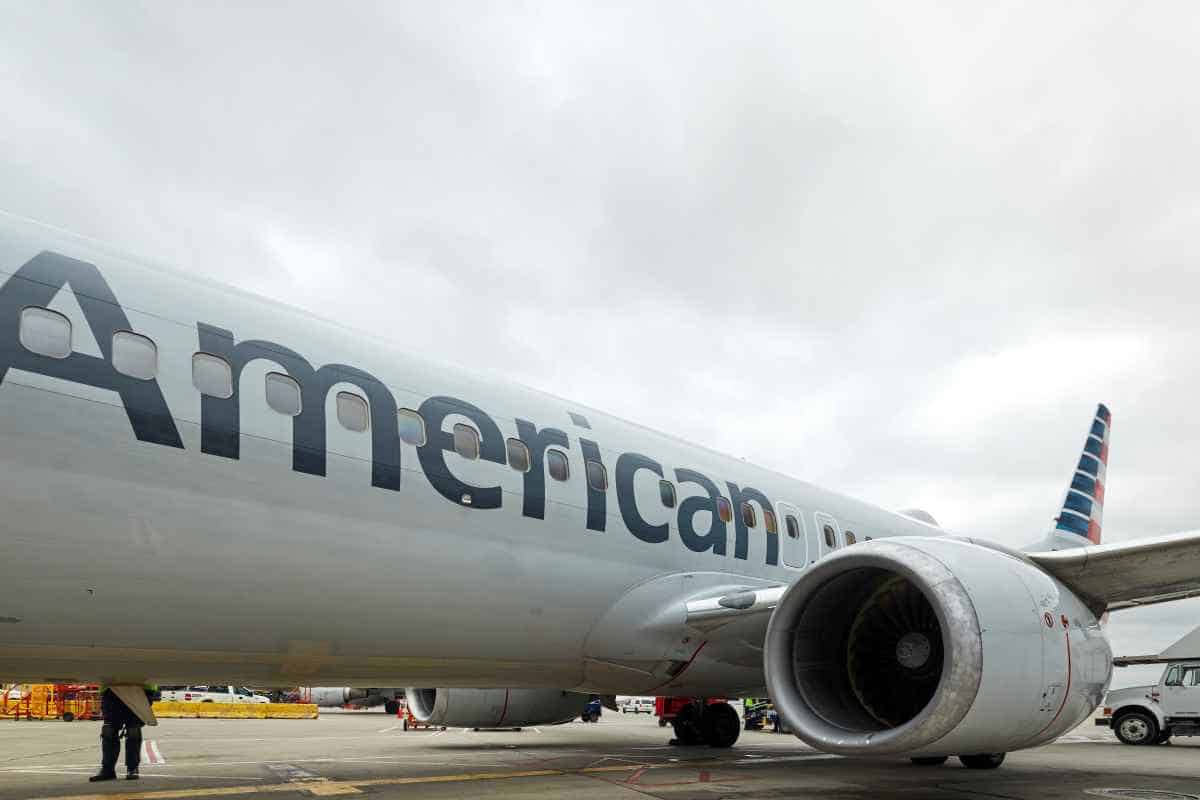
The expansion of the Starlink satellite internet program by American Airlines is set to take place on all of the airline’s mainline aircraft, totalling over 1,030 Airbus and Boeing planes, starting installations in early 2027. This expansion marks a step forward from the airline’s original announcement in May 2026 to install more than 500 narrowbody aircraft with the high-speed internet connectivity program. The expansion program includes Airbus narrowbodies, Boeing narrowbodies, and Boeing widebody aircraft. According to American Airlines, the airline will be one of the largest in the world to operate a fleet that connects to Starlink satellites. The schedule of installations after the first phase has yet to be revealed, and no financial agreements made have been released by the airline. This news is crucial to any passenger planning to travel through American Airlines’ domestic and international networks. By expanding its program, the airline plans to give its customers consistent access to satellite internet through its mainline fleet, rather than just a part of the Airbus fleet.
From 500 Aircraft to the Entire Mainline Fleet
American’s May announcement focused on more than 500 Airbus narrowbody aircraft, including new A321XLR and A321neo deliveries. The October expansion adds the airline’s Boeing narrowbody and widebody aircraft, taking the planned coverage to more than 1,030 mainline jets.
The distinction between mainline and regional aircraft is important. The latest announcement covers American’s mainline fleet; it does not establish that every aircraft operated by regional partners under the American Eagle brand will receive Starlink. American has not announced a corresponding expansion to its regional fleet.
The programme will use Starlink’s Performance Aero Terminal, an aircraft-mounted satellite system that American says can deliver speeds of up to 1 gigabit per second per terminal. This is the system’s stated technical capability, not a guarantee that every passenger will experience that speed. Actual performance can vary with network demand, equipment and other operating conditions.
Advertisement
Advertisement
High-Speed Connectivity Targets Work and Entertainment
Starlink uses satellites in low Earth orbit to provide internet connectivity. For airline passengers, the service is designed to support activities such as video streaming, online gaming, browsing and real-time collaboration.
American Chief Customer Officer Heather Garboden said dependable connectivity can influence how passengers spend their time in the air. The airline expects the technology to support both leisure activities and work, including online meetings and collaboration on business tasks.
Advertisement
Advertisement
Reliable onboard internet is particularly relevant for corporate travellers who want to remain connected during flights. It can help passengers work on cloud-based documents, communicate with colleagues and prepare for meetings, although performance will depend on the connection available during each journey.
The announcement does not, by itself, confirm that Starlink access will be free on every flight or specify the eligibility rules for passengers. Travellers should check American’s published Wi-Fi terms as the rollout develops rather than assume that the new service will have identical access conditions across all aircraft.
American Expands Its Inflight Connectivity Strategy
The new Starlink program is taking place against the backdrop of airlines putting more emphasis on connectivity among the amenities that they provide to customers. Internet connection may affect the selection of the airline because it is important for frequent flyers and business travellers in particular, who like to work or stay connected during trips. In May, American Airlines started implementing the Starlink program with regard to its smaller fleet. Expanding the program to include the Boeing aircraft in addition to the Airbus planes considerably expands the program and increases its scope. The airline has not specified when the program will be completed. It is scheduled to begin in early 2027 and not all planes will be connected until then. Depending on the speed of the installation process and its progress, passengers can get the service on some flights but not on others. From the standpoint of the onboard experience, the most noticeable thing for customers at the moment is that the airline has made a more extensive commitment.
Advertisement
