

Armenian Tourism Confronts Frontier Tensions as Tsarukyan Pleads for Widespread Homeland Solidarity

Published
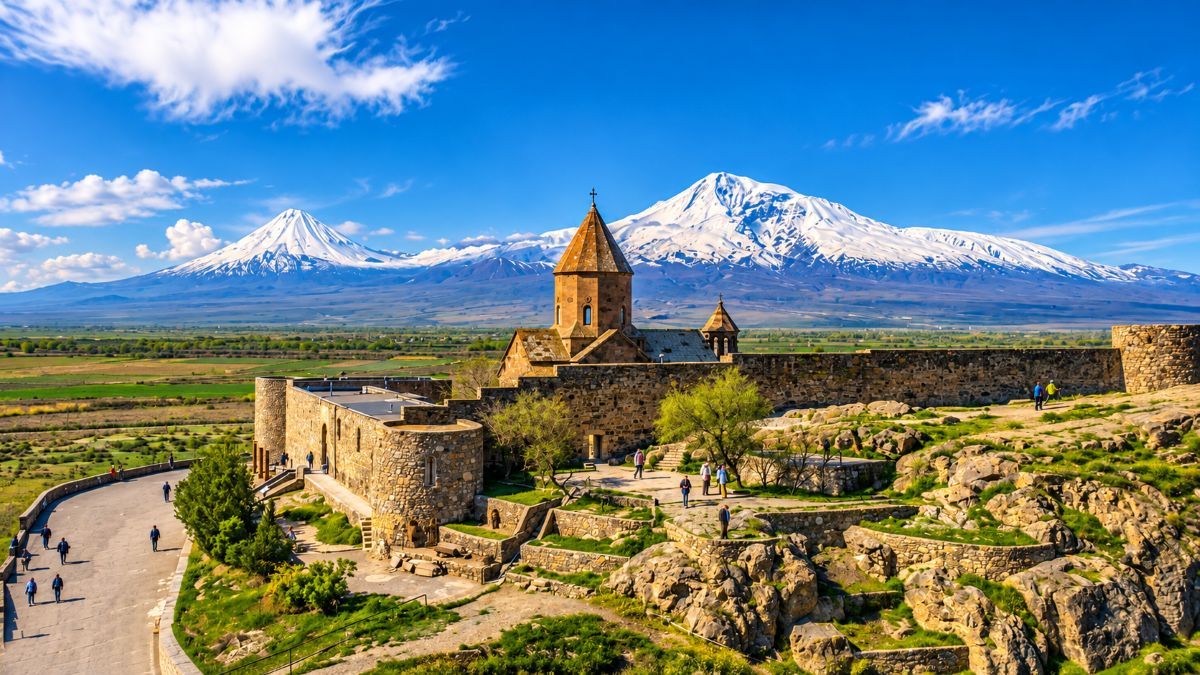
Armenia stands at a pivotal juncture where international cultural travel converges with complex border security realities. Prominent Armenian business leader and detained opposition figure Gagik Tsarukyan has issued a public appeal urging collective civic unity across every province. The statement responds directly to emerging anxieties following a recent incident in the southern settlement of Shaki, where an encounter involving an Azerbaijani serviceman heightened public concern. Tsarukyan observed that territorial integrity and personal safety transcend domestic political affiliations, urging citizens to safeguard national equilibrium.
For international travellers and regional observers, the message underscores how geopolitical events in frontier areas affect the wider perception of safety across the Republic. While cultural landmarks in the capital and central highlands remain fully accessible, frontier provinces such as Syunik and Tavush require consistent operational monitoring. Tsarukyan emphasised that localized friction impacts the overall national climate, noting that internal cohesion directly influences how effectively the country manages external pressures, protects its communities, and preserves its appeal to global visitors.
Regional Security Realities and Visitor Considerations
Travelling through the South Caucasus demands a clear understanding of geographic boundaries, particularly around southern transport corridors. The southern provinces host celebrated historical landmarks, ancient monasteries, and dramatic alpine trails that attract thousands of cultural visitors annually. However, proximity to delimited borders means that routine security protocols can change rapidly depending on frontier activity.
Tsarukyan highlighted that security challenges cannot be isolated to single border communities like Shaki or divided along provincial lines between Syunik, Tavush, and Yerevan. For the hospitality and tour operations sectors, this interconnectedness means that stability across regional transit routes is essential for sustaining inbound itineraries. Coordinated management between municipal authorities and security personnel ensures that transit paths remain dependable for residents and independent travellers alike.
Advertisement
Advertisement
| Destination Area | Primary Cultural Attractions | Operational Travel Status | Strategic Precaution |
|---|---|---|---|
| Yerevan Metropolitan Area | Matenadaran, Republic Square, Cascade Complex | Fully open with standard metropolitan transport | Maintain standard urban awareness |
| Central Highlands and Kotayk | Garni Temple, Geghard Monastery, Lake Sevan | Unrestricted access across major highways | Monitor seasonal alpine weather |
| Syunik Province | Tatev Monastery, Vorotan Gorge, Goris Old Town | Accessible via designated transport corridors | Follow official domestic transit advisories |
| Tavush Province | Dilijan National Park, Haghartsin, Goshavank | Open across core leisure and hiking zones | Avoid unmarked frontier tracks |
Balancing Internal Pluralism with Border Integrity
Political discourse within Armenia has historically featured lively debate, yet current leadership voices increasingly stress the necessity of civil peace during delicate diplomatic phases. Tsarukyan maintained that genuine national cohesion does not require uniform political consensus or the suppression of varied viewpoints. Instead, he framed solidarity as a shared commitment to collective preservation, where civic differences do not deteriorate into domestic division.
This balance between democratic exchange and national security is critical for economic stability, especially for service industries reliant on consumer and investor confidence. When a nation demonstrates internal composure during regional crises, foreign ministries and commercial travel operators maintain steady confidence in destination reliability. Ensuring that civil society remains composed enables regional tour companies, transport networks, and hospitality providers to operate without abrupt administrative disruptions.
Advertisement
Advertisement
Long-Term Outlook for South Caucasus Heritage Travel
The wider South Caucasus continues to navigate geopolitical adjustments that demand measured statecraft and community resilience. Decisions made in the capital will carry lasting consequences for territorial administration, regional transport corridors, and international trade relationships. Tsarukyan noted that the prevailing domestic climate will decisively shape the quality and endurance of these upcoming strategic outcomes.
A stable internal environment provides the foundation for Armenia to preserve its cultural assets and welcome visitors seeking its centuries-old heritage. By fostering widespread civic responsibility and maintaining transparent communications regarding regional conditions, the country protects both its local population and its reputation as a rewarding travel destination. Sustained vigilance, coupled with coherent domestic cooperation, remains vital for navigating the complex regional crossroads ahead.
Frequently Asked Questions
What prompted Gagik Tsarukyan to call for national solidarity?
The appeal followed a border security incident in the southern settlement of Shaki involving an Azerbaijani soldier, which raised safety concerns among residents across the country.
How does regional frontier tension impact international tourism in Armenia?
Core tourism centres like Yerevan, Lake Sevan, and Dilijan operate normally, while travel through southern frontier areas like Syunik requires adherence to official route guidance and security advisories.
Advertisement
Advertisement
Which parts of Armenia are currently most visited by cultural travellers?
The capital city of Yerevan, the Kotayk region featuring Garni and Geghard, the Lake Sevan basin, and the forested resort areas of Dilijan remain the primary destinations for international visitors.
Is it safe to visit the Tatev Monastery and southern historical sites?
Tatev and surrounding heritage locations in Syunik remain accessible along primary arterial highways, though travellers should always consult updated official transit advisories before undertaking long road journeys.
Did Tsarukyan suggest that political debate should cease entirely?
No, he clarified that solidarity does not mean uniformity of thought, emphasising that differing perspectives are natural provided they do not generate destructive internal hostility during fragile security periods.
Advertisement
Advertisement
What specific regions did Tsarukyan identify as sharing equal security responsibility?
He explicitly referenced Syunik, Tavush, and Yerevan, stating that security concerns in frontier settlements represent challenges for the entire country rather than isolated local issues.
What measures should independent travellers take when driving through southern Armenia?
Motorists should remain strictly on marked national motorways, avoid unpaved tracks near delimited border zones, travel during daylight hours, and verify current conditions with local regional operators.
Why is social cohesion considered important for the domestic economy and hospitality sector?
Domestic stability reinforces international travel confidence, prevents abrupt travel warning escalations, and ensures that local service providers can operate dependable excursion routes without interruption.
Advertisement
Advertisement
Are guided excursions operating regularly across the country?
Licensed tour companies continue to run regular cultural and historical itineraries across central, northern, and southern regions, adjusting transit paths if local administrative adjustments require rerouting.
Where can international visitors obtain authoritative updates on regional travel conditions?
Travel updates are regularly issued through national tourism authorities, municipal administrative announcements, and official foreign consular advisories stationed within Armenia.
Advertisement
