
Portugal’s Arrábida Natural Park Entices Travellers With Beaches Trails Views and Easy Access

Published
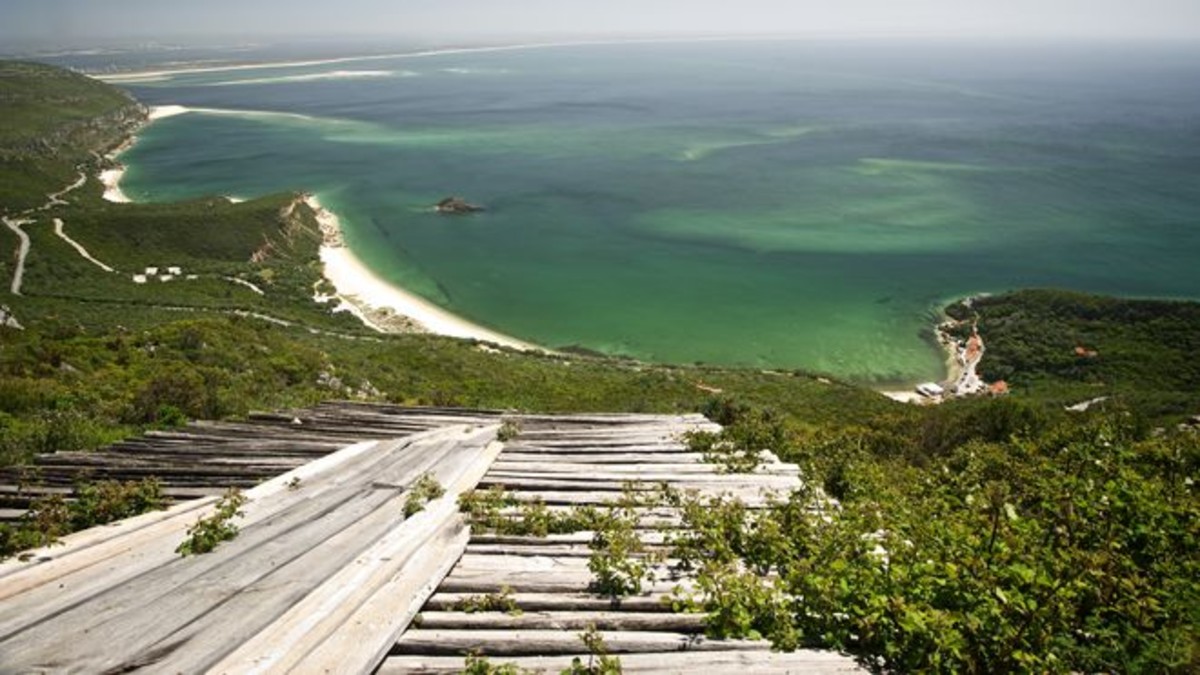
At the Arrábida Natural Park in Portugal, people have a chance to enjoy as many beaches of the Atlantic, as rocky cliffs, different plants of the Mediterranean region protected by law, and many more. It offers many possibilities for active leisure right close to Lisbon. The natural reserve is situated between the cities of Setúbal and Sesimbra and occupies the territory of 10,821 hectares where mountains, coast, and underwater world meet up together. Moreover, it is especially good for those who would like to get several impressions of nature during the Lisbon travel. One of the best times to visit this reserve is autumn 2026, which guarantees much less crowd in comparison with a summer season in Portugal. The special mobility plan called Arrábida Sem Carros 2026 exists in Setúbal since 4 June and operates until 15 September.
Why Arrábida Natural Park Is One of Portugal’s Most Striking Coastal Escapes
Arrábida stands apart because mountains descend almost directly towards the Atlantic. Dense green vegetation, pale limestone cliffs and unusually clear blue water create a landscape that can look more Mediterranean than Atlantic. Official Portuguese tourism information highlights Figueirinha, Galapos and Portinho da Arrábida among the park’s principal beaches, making coastal exploration one of the strongest reasons to visit.
Advertisement
Advertisement
The park also protects one of Portugal’s notable examples of Mediterranean maquis vegetation. Some environmentally sensitive areas have restricted access and may only be entered with a guide indicated by park authorities. Travellers therefore gain access to an impressive natural attraction while visiting a landscape where conservation remains central to how tourism operates.
Quick traveller benefits
Advertisement
Advertisement
- Beaches and mountains in one destination
- Marked walking opportunities
- Diving and nature activities
- Easy combination with Setúbal and Sesimbra
- Coastal scenery close to Lisbon
Figueirinha Galapos and Portinho Give Beach Lovers Three Very Different Experiences
Figueirinha is one of Arrábida’s best-known beaches. Official tourism information describes its waters as calm, while low tide can reveal an extended sandbank that creates a sheltered cove-like landscape. Facilities listed include surveillance, a bar and restaurant, while the beach is also identified as accessible. Summer seawater temperature averages around 17°C.
Galapos offers a more enclosed setting. Cliffs help shelter the beach from wind and contribute to comparatively calm water. Portinho da Arrábida combines white sand, clear water and diving opportunities beside the protected marine environment. Fishing beneath the water is restricted there because the seabed forms part of the protected natural area.
Advertisement
Advertisement
| Beach | Best for | Officially listed features |
|---|---|---|
| Figueirinha | Families and relaxed swimming | Surveillance, restaurant, accessible beach |
| Galapos | Sheltered coastal scenery | Calm water, restaurant, diving |
| Portinho | Diving and marine landscapes | Diving, restaurants, small craft hire |
Arrábida Entry Tickets and Visitor Costs Need to Be Understood Before Travelling
Travellers searching for an Arrábida Natural Park ticket should note that the official park and Portugal tourism pages reviewed do not publish a standard general admission price for entering the wider natural park. Costs can instead arise from individual activities, organised tours, transport, parking or attractions. Visitors should verify any activity price directly with its authorised operator before arrival.
During the 2026 bathing season, the Creiro parking area had around 140 spaces and charged €5 for a full-day arrival from 07:00 or €3 for arrivals from 13:00. Those were seasonal 2026 arrangements rather than a park entrance charge. Travellers visiting outside that period should check current municipal information instead of assuming summer parking rules remain unchanged.
Before paying for anything, check:
- Whether parking is currently regulated
- Whether a guided activity needs advance booking
- Whether access to a protected zone requires an authorised guide
- Current public transport timetables
- Opening hours for museums and heritage attractions
Autumn Visitors Should Check Arrábida Road Access Before Setting Off
The major summer traffic-management scheme for 2026 operated between 4 June and 15 September. It strengthened restrictions on private vehicles while encouraging public transport to beaches. Setúbal introduced the measures after storm damage affected roads serving Albarquel and Figueirinha and because the protected coastline experiences heavy seasonal pressure.
One issue should not be confused with the seasonal programme. Municipal information states that Rua Círio da Arrábida between the Figueirinha tunnel and Galapos was closed to motor traffic because of rock-mass instability. Travellers driving through Arrábida should therefore consult Setúbal municipality’s latest road-access notices before relying on a coastal driving route or navigation application.
Hiking Diving and Nature Experiences Add Much More Than a Beach Day
Arrábida rewards travellers who move beyond the sand. Official tourism information recommends hiking and cycling along marked routes, while authorised tourism companies offer activities including diving, climbing and speleology. Serra do Risco adds another dramatic dimension: its approximately 380-metre cliff provides one of the most spectacular coastal landscapes associated with mainland Portugal.
Advertisement
Advertisement
Safety remains important. Portugal’s official Natural.pt portal advises visitors not to approach cliff edges because of strong winds. The limestone landscape can also contain cavities concealed by vegetation, so walkers should use caution and avoid isolated hiking without appropriate preparation. Some zones receive the highest level of protection and are consequently subject to restricted public access.
Portinho’s Oceanographic Museum Reveals What Lies Beneath Arrábida’s Water
Travellers interested in marine life can add the Oceanographic Museum at the Fortress of Santa Maria da Arrábida to their itinerary. Its collections explore the coast, Arrábida and the Sado, while saltwater aquariums display marine flora and fauna. The historic fortress itself dates from the seventeenth century and later became part of the natural park.
Official tourism information currently lists opening hours of 10:00–16:00 from Tuesday to Friday and 15:00–18:00 on Saturday, with closure on Sundays, Mondays and public holidays. Because attraction schedules can change, visitors should reconfirm hours before making a dedicated journey. Nearby Pedra da Anixa supports rich marine biodiversity and enjoys partial zoological-reserve protection.
Azeitão and the Sado Estuary Can Turn Arrábida Into a Full-Day Portugal Itinerary
A trip does not have to finish at the beach. Official tourism guidance connects Arrábida with nearby Azeitão, known for local wine and cheese traditions. This makes it possible to combine outdoor exploration with regional food experiences. The wider destination therefore works well for travellers who want nature, gastronomy and Portuguese culture rather than a conventional beach-only excursion.
The Sado Estuary provides another extension. VisitPortugal highlights boat trips, dolphin encounters and birdwatching, with more than 250 bird species potentially observable in the reserve. Visitors travelling from Lisbon can reach the wider region by road, while official tourism guidance also points to regular rail connections towards Setúbal, making the destination practical for a longer Lisbon-region itinerary.
What Travellers Should Know Before Visiting Arrábida Natural Park in 2026
The best way to experience Arrábida for tourists is to have a plan that considers conservation, not merely treating it as a beach to enjoy without restrictions. A thorough investigation of current road conditions is important, as well as restricting parking to designated areas, following signs, and abiding by constraints placed by nature reserves. As far as someone is concerned with activities like hiking, climbing, diving, or caving, it is highly recommended to contact certified specialists instead of trying to reach sensitive places. Doing so is worth it, as a spot protected from human influence allows reaching interesting sites such as limestone formations, tranquil beaches, marine biodiversity, hiking trails, historical sites, and delicious local cuisine all in one trip.
Essential planning checklist
- Check municipal road notices before driving.
- Confirm attraction opening times.
- Carry suitable walking footwear.
- Respect protected and restricted areas.
- Use accredited activity providers.
- Allow extra time for coastal access.
- Check seasonal transport arrangements before departure.
Advertisement
