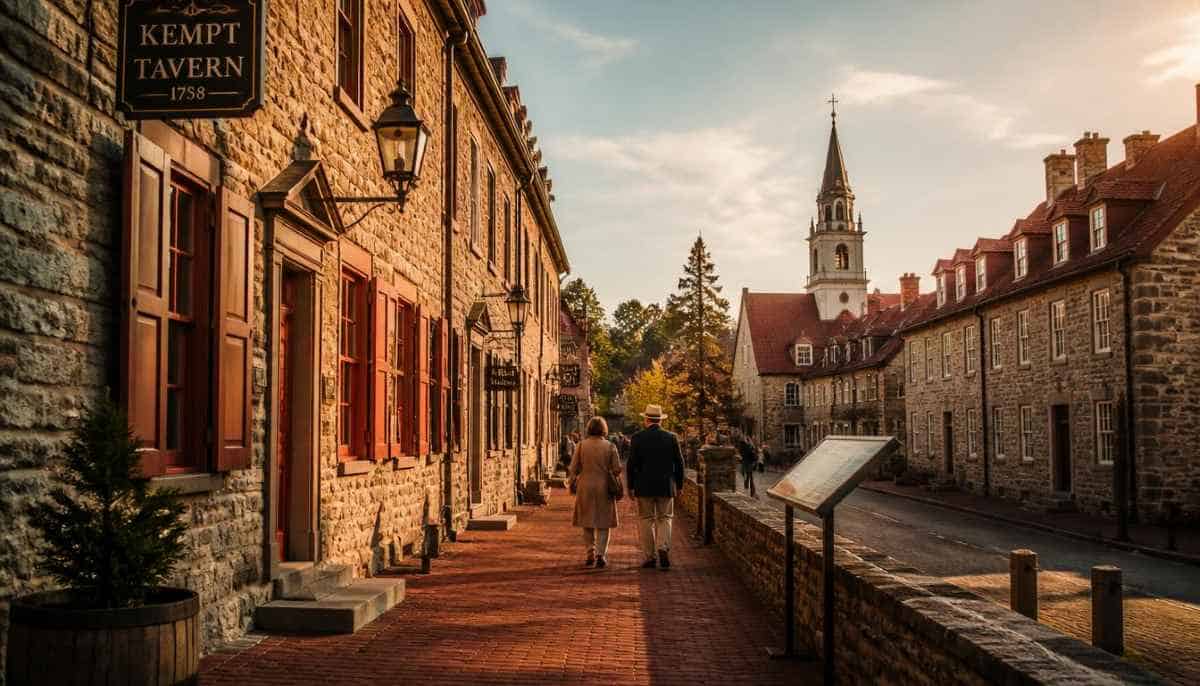
Image generated with Ai
With the designation of the city of Bethlehem as a prestigious UNESCO World Heritage Site, the anticipated increase in tourism—and the badly-needed tourism dollars—has prompted Historic Bethlehem Museums & Sites (HBMS) to officially announce that it is launching a major tourism planning project. It is important for travellers, cultural enthusiasts and stakeholders to understand this monumental shift. This definitive guide will prepare readers for the changing face of one of the world’s favourite historic destinations, so that every trip to come will be planned with both foresight and cultural appreciation and maximum engagement.
The weight of a UNESCO designation is not to be underestimated. It places a municipality on the world map as a property of global significance, turning sleepy regional outposts into international hot spots. This transition will require a visionary roadmap for Bethlehem, a city already rich in architectural legacy, industry and American history. Without intervention, historic districts can suffer from crowding, commercialisation, and over-burdened infrastructure. Thus, the launch of this strategic planning initiative is a timely beacon for all people who care about sustainable travel and cultural preservation.
Advertisement
The conferral of a UNESCO World Heritage Site status is widely recognized as a watershed moment for any municipality. For Bethlehem, this distinction serves as a global validation of its rich architectural heritage, deep-rooted cultural narratives, and centuries of history. Historically, destinations that achieve this elite status experience an immediate surge in international foot traffic. Consequently, proactive infrastructural development becomes an absolute necessity to prevent over-tourism while simultaneously elevating the quality of visitor engagement.
To address these complex challenges head-on, Historic Bethlehem Museums & Sites announced that it has selected a world-renowned research company to meticulously study the scope and impact of necessary improvements. This strategic initiative aims to create a comprehensive master plan designed to establish a truly world-class visitor experience in Bethlehem. By anticipating the logistical and cultural demands of tomorrow, local stakeholders are ensuring that the destination remains accessible, inspiring, and structurally sound for generations of global explorers to come.
Advertisement
Advertisement
Furthermore, a UNESCO inscription alters traveller psychology. Tourists no longer view the destination as a casual weekend detour; it becomes a primary bucket-list item. This shift necessitates upgraded visitor centres, multilingual wayfinding systems, ADA-compliant accessibility enhancements, and diversified hospitality offerings. The current planning phase is engineered precisely to forecast these evolving demands, ensuring that Bethlehem evolves gracefully without losing the intimate charm that defines its character.
Precision and global expertise are required to manage a heritage site of this magnitude. Therefore, PlaceEconomics—a globally recognized firm specializing in heritage tourism research—was chosen to lead this transformative study. The firm brings extensive, cross-continental experience in analyzing destinations that proudly house World Heritage Sites, including Willemstad in Curacao, Yogyakarta in Indonesia, and Melaka in Malaysia.
According to official updates released by HBMS, these specialized researchers will examine how targeted, tourism-related improvements could significantly increase local revenue while simultaneously safeguarding and preserving Bethlehem’s irreplaceable historic sites. Through rigorous data collection, economic modelling, and impact assessments, the project will map out a sustainable trajectory. It will be determined how physical infrastructure, visitor flow management, and digital integration can coalesce to protect the structural integrity of historical landmarks while optimizing the economic benefits for the broader community.
The selection of PlaceEconomics underscores a commitment to data-driven decision-making. Rather than relying on guesswork, the master plan will be built upon empirical insights gathered from international case studies. Willemstad, Yogyakarta, and Melaka all present unique lessons in managing tropical and temperate heritage zones, balancing dense historic structures with modern commercial pressures, and turning cultural preservation into a thriving economic engine. By leveraging this international expertise, Bethlehem is positioning itself at the forefront of modern heritage management.
To better serve travelers and researchers seeking quick insights, addressing common queries regarding this transformation is essential:
A central dilemma for modern historic destinations is striking a delicate balance between commercial expansion and cultural preservation. When tourism dollars increase exponentially, local economies thrive, providing the necessary funds for architectural restoration, museum curation, and community education programmes. However, without careful oversight, an unmanaged surge in visitors can accelerate wear and tear on fragile historical architecture.
The ongoing planning project spearheaded by HBMS and PlaceEconomics directly addresses this duality. By analyzing international precedents from locations like Melaka and Yogyakarta, the researchers are identifying best practices in sustainable tourism management. Recommendations expected from the study include optimized pedestrian pathways, enhanced digital interpretation tools, expanded visitor orientation centres, and structured ticketing systems that regulate capacity at sensitive locations.
Furthermore, economic viability studies will evaluate how extended-stay tourism can be encouraged over fleeting day trips. When travelers stay longer, they contribute more deeply to the local economy—supporting boutique hotels, artisan workshops, and guided heritage tours—while placing a more distributed, manageable strain on physical infrastructure. Protecting the physical fabric of the city while maximizing community benefit remains the ultimate touchstone of this initiative.
Such strategic developments offer a vastly improved, highly enriching experience for travellers planning an upcoming expedition to Bethlehem. Travelling through the historic district will soon be easier, more educational and more immersive, with state-of-the-art visitor amenities and thoughtfully curated pathways that tell the whole story of the area’s past.
As the master plan moves from research to implementation over the next few months, visitors are encouraged to stay current with the plan through official channels managed by Historic Bethlehem Museums & Sites. By stepping into this era of sustainable cultural tourism, we ensure that each journey makes a positive contribution to the ongoing legacy of a truly remarkable world treasure.
Advertisement
Tags: Bethlehem tourism, heritage tourism research, Historic Bethlehem Museums and Sites, PlaceEconomics, Unesco World Heritage Site
Advertisement
Advertisement













Friday, September 4, 2026

Friday, September 4, 2026

Friday, September 4, 2026

Thursday, September 3, 2026

Wednesday, September 2, 2026

Friday, September 4, 2026

Friday, September 4, 2026