
Antarctica Cruise Adventure Grows As Aurora Expeditions Opens 2026-27 Season

Published
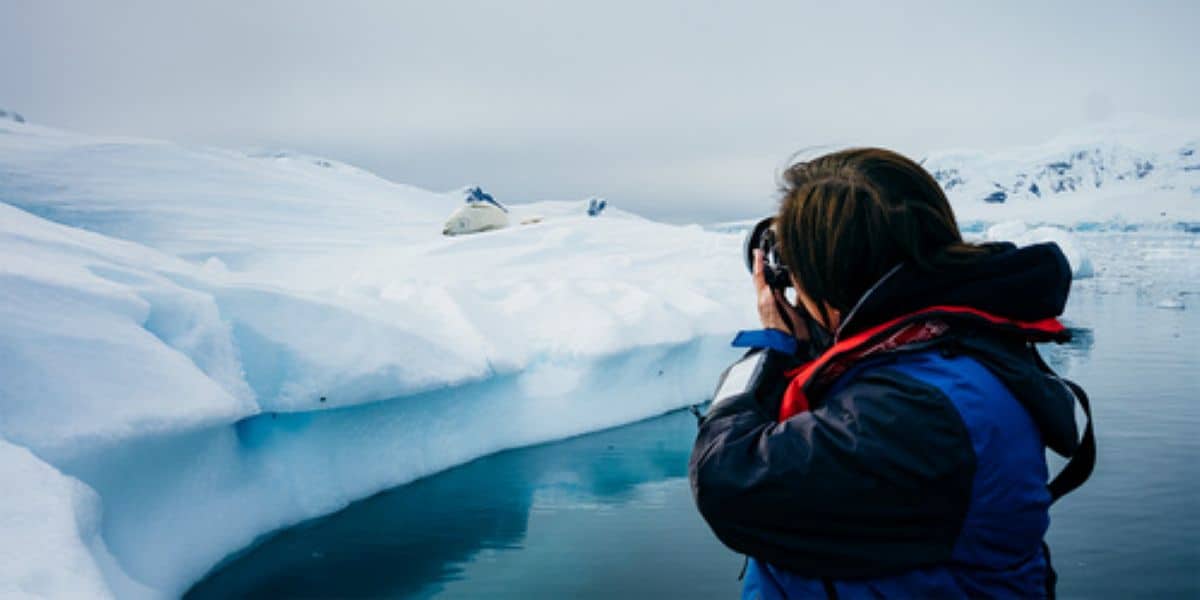
Aurora Expeditions gears up for Antarctica season Aurora Expeditions will undertake 27 immersive voyages in the Southern Ocean on a new season of Antarctic cruises for 2026-27. The season will take place aboard three expedition ships, merging active exploration with scientific research and making the most of Antarctica’s breath-taking environment.
Between nine and 34 days in duration, the programme will take in the Antarctic Peninsula, Antarctic Circle, Weddell Sea, South Georgia, Falkland Islands, Ross Sea and East Antarctica. As part of a strategic partnership, the expedition operator will harness their ships as floating science platforms, providing new insights into the Antarctic environment and enabling guests to be part of ongoing scientific research projects.
Three Expedition Ships To Explore Remote Antarctic Regions
The 2026-27 Antarctic programme will operate aboard Greg Mortimer, Sylvia Earle and Douglas Mawson. Each ship will carry travellers through challenging polar environments while providing access to remote wildlife habitats and natural landscapes.
The voyages are designed for travellers seeking immersive experiences beyond traditional sightseeing. Guests will visit areas shaped by glaciers, ice formations, marine ecosystems and unique Antarctic wildlife.
Advertisement
Advertisement
The itineraries will provide access to some of the continent’s most important regions:
- Antarctic Peninsula: Known for dramatic scenery, penguin colonies and accessible polar landscapes.
- Antarctic Circle: A journey beyond one of Antarctica’s major geographical boundaries.
- Weddell Sea: Famous for sea ice, remote coastlines and rare wildlife encounters.
- South Georgia: A major habitat for seals, seabirds and penguin populations.
- Ross Sea and East Antarctica: Among the least visited regions of the continent.
Science Becomes A Major Part Of Antarctic Tourism Experience
The upcoming season will place scientific research at the centre of expedition travel. Travellers will have the chance to learn directly from scientists conducting field studies in one of the planet’s most fragile ecosystems.
Advertisement
Advertisement
The research programme will focus on five key areas:
- Whale ecology and health
- Penguin population monitoring
- Wildlife disease research
- Marine biodiversity studies
- Deep-sea exploration
The projects will involve marine ecologists, wildlife specialists, conservation researchers, drone operators and deep-sea technology experts.
Advertisement
Advertisement
This approach connects tourism with conservation by allowing visitors to understand how scientists monitor climate impacts, biodiversity changes and wildlife behaviour in Antarctica.
Whale Research Tracks Antarctic Marine Health
One of the major projects will focus on Antarctic whales through research conducted by the Friedlaender Lab at the University of California, Santa Cruz.
Scientists will study whale behaviour, ecology and health through field observations, drone imagery and carefully managed sampling methods.
The research will help improve understanding of whale populations and how environmental changes influence marine species in the Southern Ocean.
Advertisement
Advertisement
For travellers, these activities provide a closer look at how modern technology supports wildlife protection in extreme environments.
Penguin Monitoring Supports Long-Term Antarctic Studies
Penguin populations will also receive attention during selected voyages through the Antarctic Site Inventory programme.
Six scientists from Oceanites will conduct surveys using ground observations and drone technology. The research will monitor penguin numbers, breeding patterns and population changes across selected Antarctic Peninsula locations.
Penguins remain one of the most visible symbols of Antarctica. However, long-term monitoring is essential to understand how changing environmental conditions affect their habitats.
Wildlife Health And Marine Biodiversity Research Continue
Researchers from the Institute for Marine and Antarctic Studies (IMAS), University of Tasmania, will examine the health of Antarctic wildlife, including whales, seals and seabirds.
The project will investigate pathogen presence and study how climate variations influence Antarctic predators and wider ecosystems.
Advertisement
Advertisement
Another project will focus on marine biodiversity through underwater surveys led by Reef Life Survey researchers from the University of Tasmania.
These studies will document underwater species and help scientists understand changes within Antarctic marine environments.
Deep Sea Exploration To Search For Colossal Squid
Along with the Epic Antarctica: Crossing the 7th Continent voyage, the season will feature a unique deep-sea research project titled Project ESCA. Researchers from Te Papa Tongarewa The Museum of New Zealand and Auckland University of Technology will explore the deep-sea environment and pursue research relating to the legendary and mysterious colossal squid. The project demonstrates how Antarctic expeditions can lead to breakthroughs in areas outside of the icefields we know so well.
Traveller Guide For Aurora Antarctic Expeditions 2026-27
Travellers planning an Antarctic voyage should prepare carefully for the extreme polar environment.
Important travel considerations include:
- Choose the right itinerary: Longer voyages provide access to more remote destinations such as the Ross Sea and East Antarctica.
- Pack suitable clothing: Waterproof outer layers, thermal clothing and protective gear are essential.
- Prepare for changing weather: Antarctic conditions can change quickly, affecting landings and daily activities.
- Follow environmental guidelines: Visitors must respect wildlife distances and conservation rules.
- Expect expedition-style travel: Antarctic voyages depend on nature, weather and sea conditions.
The future Already showing positive signs of tourism recovery, the 2026-27 season demonstrates the increasing demand for expedition tourism, which sees travellers combining adventure, education and environmental responsibility. Aurora Expeditions’ programme will give travellers a chance to explore Antarctica and contribute to research that will help conserve the planet’s most vital wilderness.
image source: https://www.aurora-expeditions.com/
Advertisement
