
La Dolce Vita Orient Express Unveils Istanbul-Rome Rail Journey Through Bulgaria, Romania and Austria

Published
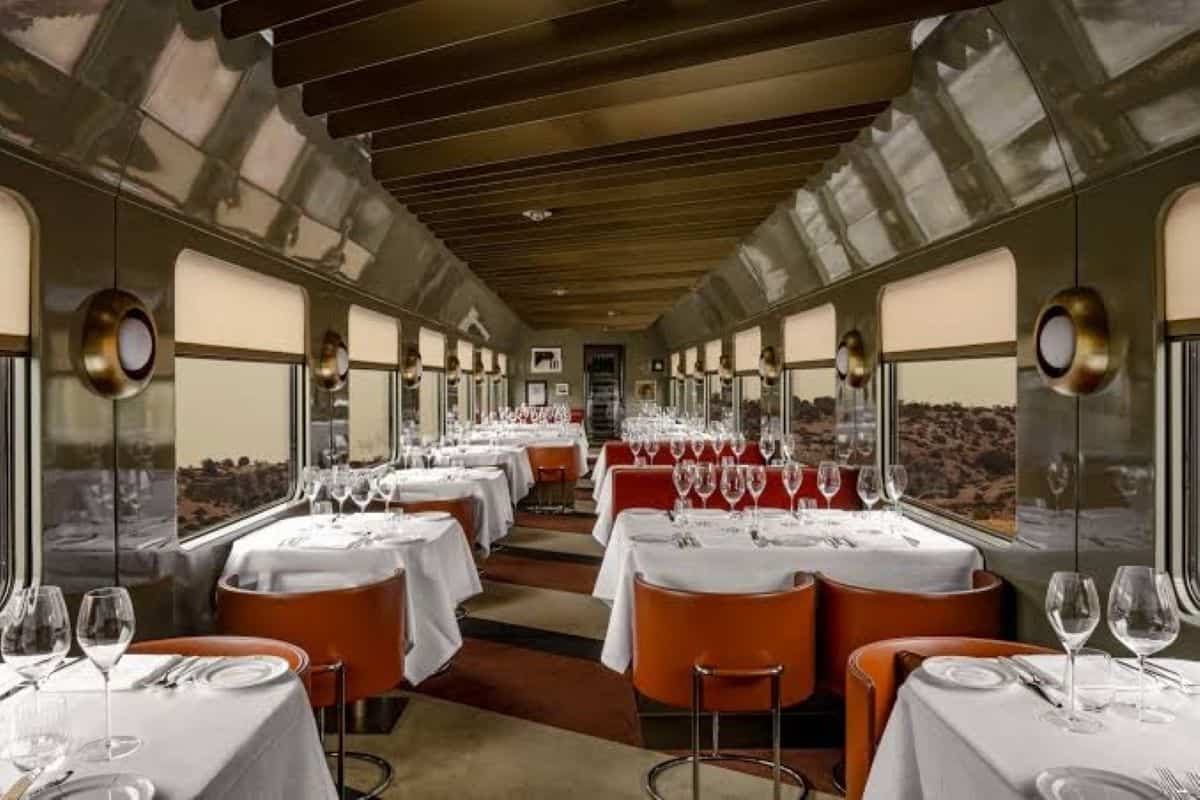
La Dolce Vita Orient Express has unveiled a five-day, four-night Istanbul-Rome rail journey crossing Turkey, Bulgaria, Romania, Austria and Italy. The route links Istanbul with Plovdiv, Sofia, Timișoara, Vienna, Venice and Rome in one continuous luxury itinerary. It transforms a long-distance European crossing into a destination-led travel experience, with guided excursions, fine dining and cultural encounters along the way. The journey also arrives as Bulgaria and Romania operate fully within the Schengen Area, following the removal of internal land-border checks in January 2025. For luxury travellers, the itinerary creates a rare bridge between southeastern and western Europe. It also expands La Dolce Vita Orient Express beyond its established Italian routes.
Six Cities Create One Continuous Journey
The new itinerary begins in Istanbul and ends in Rome after four nights aboard La Dolce Vita Orient Express. Between the two capitals, passengers visit Plovdiv, Sofia, Timișoara, Vienna and Venice.
Advertisement
Advertisement
The official itinerary confirms that the train departs Istanbul in the evening. Guests then travel through Bulgaria before reaching Romania and Austria. Venice follows before the final arrival at Rome Ostiense.
| Journey Element | Confirmed Detail |
|---|---|
| Journey | Istanbul to Rome |
| Duration | 5 days, 4 nights |
| Countries | Turkey, Bulgaria, Romania, Austria, Italy |
| Cities | Istanbul, Plovdiv, Sofia, Timișoara, Vienna, Venice, Rome |
| Journey type | One way |
| Final station | Rome Ostiense |
| Main experience | Luxury rail travel with curated destination experiences |
| Onboard dining | Three-Michelin-starred chef Heinz Beck |
| Accommodation | 31 cabins |
| Train capacity | Up to two guests per standard cabin |
The structure matters because the train is not marketed as a faster alternative to air travel. Instead, the journey itself becomes the destination.
Advertisement
Advertisement
Passengers leave the train for curated city experiences before returning to their private accommodation. The format therefore combines slow travel with a highly structured luxury itinerary.
Istanbul Opens Europe’s Eastern Gateway
Istanbul provides a natural opening for a journey designed around cultural transition.
Advertisement
Advertisement
The city sits between Europe and Asia, giving the itinerary an immediate geographic dimension. Its Bosphorus setting also establishes the visual and historical tone before the train heads west.
The official programme includes a private transfer from the passenger’s hotel or airport to the departure station. The first evening then moves into aperitifs, gourmet dining and live entertainment aboard the train.
Advertisement
Advertisement
The choice of Istanbul also strengthens the itinerary’s connection with the broader mythology of Orient Express travel. However, the new product is a contemporary luxury experience rather than a recreation of an historic train service.
For travellers, this distinction is important. The journey uses the romance of European rail travel while building its own itinerary, service model and design language.
Bulgaria Adds Two Distinct Cultural Stops
The Bulgarian section creates one of the journey’s strongest contrasts.
Plovdiv arrives first, followed later by Sofia. The two stops allow passengers to encounter Bulgaria through both historic urban heritage and modern capital-city culture.
Advertisement
Advertisement
The official programme includes a private tour of Plovdiv’s historic centre. It highlights the city’s UNESCO-listed Old Town and ancient Roman theatre before passengers return to the train.
Sofia then provides a markedly different urban setting. The programme includes guided exploration and a private concert, adding a performance element to the destination experience.
| Destination | Traveller Focus | Experience Highlight |
|---|---|---|
| Plovdiv | Ancient and historic Bulgaria | Old Town and Roman heritage |
| Sofia | Capital-city culture | Guided exploration and private concert |
| Timișoara | Multicultural Romania | Historic streets and cultural scene |
| Vienna | Imperial and artistic heritage | Architecture, music and curated experiences |
| Venice | Art, canals and culinary heritage | Water-taxi access and city exploration |
This two-stop approach also gives the itinerary greater geographical depth. Rather than rushing from Istanbul towards western Europe, passengers spend meaningful time within southeastern Europe.
Timișoara Brings Romania Into Focus
Timișoara forms the journey’s Romanian chapter before the train turns towards Vienna.
The city offers an architectural mix shaped by Romanian, Hungarian, Serbian, Austrian and German influences. Its historic centre provides a visual transition between the Balkan landscape and Central European urban culture.
The official itinerary describes Timișoara through its Baroque architecture, tree-lined boulevards and public squares. A local guide accompanies the curated experience before passengers return to the train.
Advertisement
Advertisement
Its inclusion is commercially significant for luxury tourism. Traditional European rail itineraries often concentrate on established cultural capitals. Timișoara instead introduces a destination with a different scale and identity.
That helps create a broader narrative around multicountry slow travel. The traveller does not simply collect famous cities. They move through a sequence of cultural transitions.
Vienna Supplies the Imperial Chapter
Vienna changes the character of the journey again.
The Austrian capital brings imperial architecture, classical music, historic cafés and major cultural institutions into the itinerary. The official programme allows passengers to explore independently or select curated experiences.
Potential experiences include Schönbrunn Palace visits and Viennese pâtisserie tastings. The train then departs for Venice after another evening of dining and entertainment.
Vienna also strengthens the historical association between European railways and grand overland travel. The city sits naturally within a journey that connects the eastern Mediterranean with Central and Southern Europe.
Advertisement
Advertisement
For travellers, however, the practical attraction is the balance between scheduled touring and personal time. Guests can choose structured experiences without surrendering the freedom to explore.
Venice Turns the Final Day Into Theatre
Venice becomes the final destination experience before Rome.
Passengers arrive in the morning and use a private water taxi to reach San Marco Square. They can then explore independently or select curated experiences before returning to the train.
The timing gives the journey a cinematic final act. After several days of overland travel, passengers encounter Venice from the lagoon before continuing towards Rome.
The route then resumes with lunch, an aperitif and a final dinner. The train reaches Rome Ostiense late in the evening.
This design illustrates the central commercial proposition. Transport becomes hospitality, entertainment and sightseeing at the same time.
Advertisement
Advertisement
Italian Design Defines The Train
Although the itinerary crosses five countries, the onboard identity remains distinctly Italian.
La Dolce Vita Orient Express debuted in 2025 as a luxury train built around Italian design, craftsmanship and gastronomy. Its interiors were created by Milan-based Dimorestudio and draw inspiration from the creative energy of 1960s Italy.
The train contains 31 cabins, comprising 12 Deluxe Cabins, 18 Suites and one La Dolce Vita Suite. Standard cabins accommodate up to two guests and feature private bathrooms.
| Accommodation | Number | Size | Key Feature |
|---|---|---|---|
| Deluxe Cabins | 12 | 7 sq m | Private bathroom, convertible sofa bed |
| Suites | 18 | 11 sq m | Larger living arrangement and private bathroom |
| La Dolce Vita Suite | 1 | 30 sq m* | Premium multi-zone accommodation |
*The current official product page lists the La Dolce Vita Suite at 30 sq m, while the FAQ lists the earlier specification differently. Travellers should verify the exact configuration at booking.
The train also includes seven sleeping carriages, two staff carriages, one 40-seat Restaurant Car and one Bar Car.
Heinz Beck Makes Dining Part of Travel
Gastronomy is central to the proposition rather than an additional amenity.
Advertisement
Advertisement
Three-Michelin-starred chef Heinz Beck leads the culinary programme aboard La Dolce Vita Orient Express. The official programme describes dining as an expression of Italian culinary heritage, supported by menus that reflect regional traditions.
The train therefore turns meals into scheduled experiences. Breakfast, aperitivo, dinner and late-night offerings form part of the broader rhythm of the journey.
That approach also reflects a wider shift within luxury travel. Travellers increasingly seek experiences that connect accommodation, food and destination culture instead of treating them as separate purchases.
Schengen Changes Make The Route More Relevant
The itinerary also benefits from a significant European travel development.
Bulgaria and Romania became full Schengen members on 1 January 2025, following the removal of internal land-border checks between them and other Schengen states. The European Commission said the change would strengthen travel, trade and tourism.
For this itinerary, the development is particularly relevant after the train enters the Schengen area. Bulgaria and Romania are now integrated into the same border-free framework as Austria and Italy, although external-border requirements remain relevant.
Advertisement
Advertisement
Travellers should not interpret Schengen membership as eliminating passport requirements. Non-EU travellers can still face entry conditions, visa requirements and border checks when entering the Schengen Area.
| Travel Issue | What Travellers Should Know |
|---|---|
| Turkey | Outside the Schengen Area |
| Bulgaria | Full Schengen member since 1 January 2025 |
| Romania | Full Schengen member since 1 January 2025 |
| Austria | Schengen member |
| Italy | Schengen member |
| Non-EU travellers | Visa requirements depend on nationality |
| Internal Schengen movement | Normally without routine internal border checks |
| External entry | Passport and applicable visa checks still apply |
Visa rules can change according to nationality and travel status. Travellers should therefore verify requirements with the relevant authorities before booking a non-refundable luxury journey.
Why Luxury Rail Is Gaining New Ground
The Istanbul-Rome route arrives as luxury rail continues to evolve beyond conventional sightseeing.
La Dolce Vita Orient Express already offers several Italian journeys, including routes linking Rome with Venice, Matera, Taormina and Palermo. The Istanbul-Rome itinerary adds an international dimension to that portfolio.
The expansion also broadens the meaning of luxury rail. Instead of focusing exclusively on famous destinations, operators can use rail networks to build multi-country experiential itineraries.
That creates value for travellers who prefer slower journeys and fewer airport transfers. It also gives tourism boards an opportunity to expose high-spending visitors to secondary destinations.
Advertisement
Advertisement
Plovdiv and Timișoara are especially important in this context. Their presence demonstrates how luxury itineraries can distribute visitor spending beyond Europe’s most familiar tourism hubs.
What Travellers Should Plan Before Departure
The experience requires more preparation than a conventional city break.
The train operator says reservations include station transfers, accommodation, table d’hôte dining, selected beverages, onboard entertainment and applicable taxes. Optional off-board experiences can carry additional charges. Insurance and gratuities are excluded.
Travellers should therefore distinguish between the core journey and optional destination experiences. They should also check the latest departure schedule, passport validity and applicable visa rules before making arrangements.
The official booking system currently requires a 15% deposit when bookings are made more than 60 days before departure. The remaining balance is due 60 days before departure.
Children under 12 are not permitted aboard according to the booking information. The train also limits standard cabins to a maximum of two guests.
Advertisement
Advertisement
Rome Extends The Orient Express Story
The journey does not necessarily have to end when the train reaches Rome.
Orient Express La Minerva opened in April 2025 inside a historic 17th-century palace near the Pantheon. The hotel now forms part of the broader Orient Express hospitality portfolio in the Italian capital.
The connection creates an obvious extension for travellers seeking a longer luxury stay. Passengers can combine the rail experience with accommodation in the same brand ecosystem.
The hotel also has 93 rooms and suites, according to the current Orient Express portfolio.
This strengthens the brand’s broader strategy. Rail travel becomes one component of a larger hospitality proposition spanning trains, hotels and destination experiences.
A New Chapter For European Slow Travel
The Istanbul-Rome itinerary gives luxury rail travel a distinctly broader canvas.
Advertisement
Advertisement
It connects five countries, seven named cities and four nights of onboard travel without reducing the experience to a simple point-to-point transfer. Each stop contributes a different layer, from Istanbul’s transcontinental identity to Bulgaria’s historic cities, Timișoara’s multicultural heritage and Vienna’s imperial grandeur.
The final progression through Venice and Rome then returns the narrative to Italy, where the train’s design and culinary identity originate.
For travellers, the appeal lies in continuity. There is no need to repeatedly pack, navigate airports or reset the rhythm of a journey. Instead, the landscape changes outside the window while accommodation, dining and service remain constant.
That is the proposition La Dolce Vita Orient Express is now taking across borders: a luxury European journey where the railway is no longer merely the way between destinations, but the destination itself.
Advertisement
