
Over 220 Cancellations and 2,979 Delays Affect Asia Travel at Manado, Manama and More Airports

Published
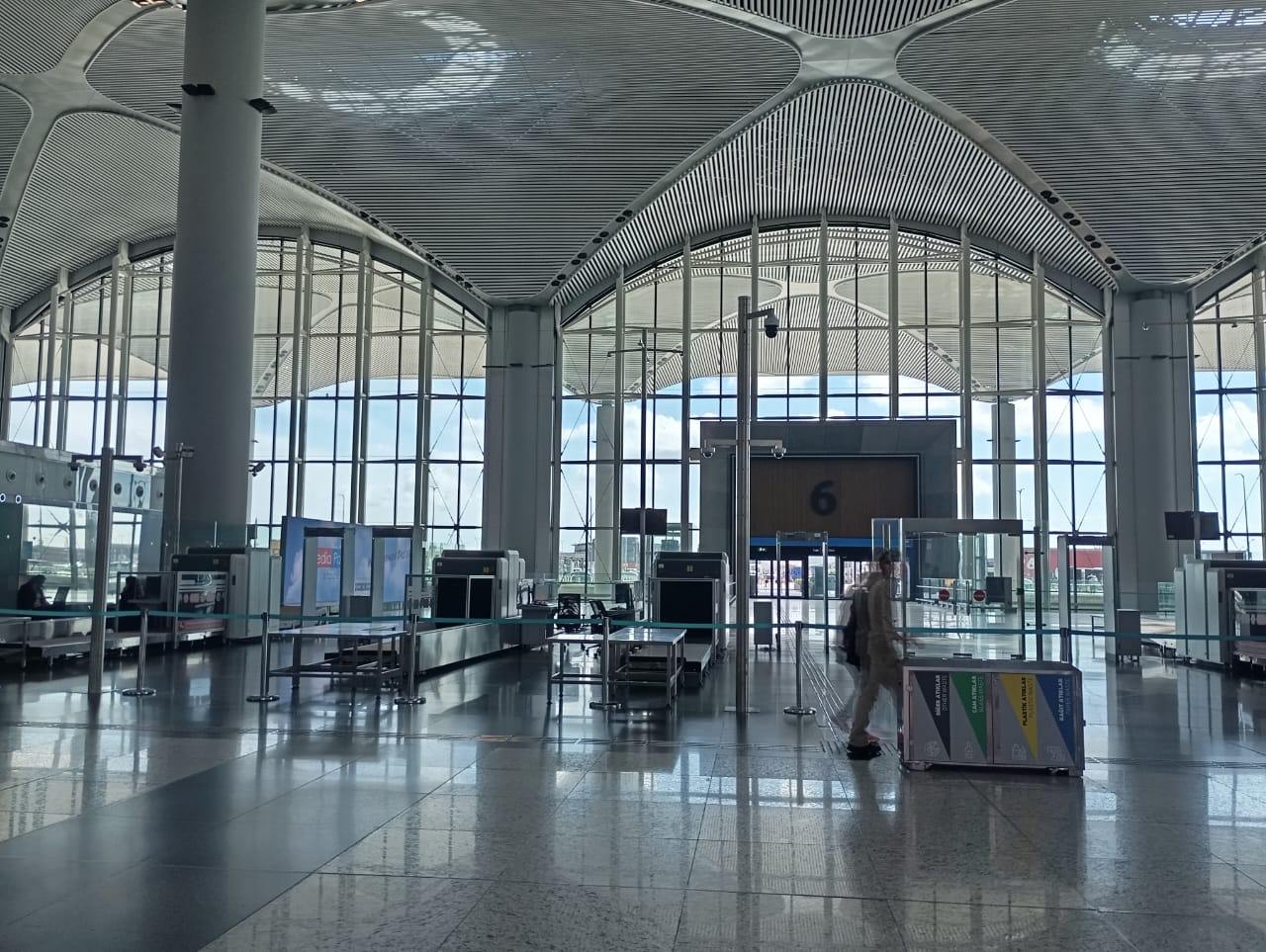
Passengers traveling via key aviation hubs are severely disrupted by over 220 cancellations and 2,979 delays at airports in Manado, Manama, and other cities across Asia. Longer wait times, lost connections, and abrupt schedule changes are becoming commonplace for thousands of travelers. In the meanwhile, activities are being disrupted in certain regions of China by unfavorable weather, high winds, and thunderstorms. Other sources of strain include airspace limitations, heavy airport traffic, and operational congestion. Moreover, late-arriving aircraft have the potential to cause cascading delays throughout linked flight networks. Airports servicing Indonesia and other destinations in Asia are also reporting impacted flights, while Bahrain is documenting difficulties as regional aviation demands persist.
Which Airports in Asia Are Seeing the Largest Flight Disruptions?
At Beijing Capital International Airport, 97 flights were delayed and nine were cancelled. Beijing Daxing International Airport recorded another 125 delays and 12 cancellations.
Advertisement
Advertisement
Further south, Changsha Huanghua International Airport had 44 delays and four cancellations. Chengdu Tianfu International Airport registered 91 delays and five cancellations. Hohhot Baita International Airport recorded 31 delays and two cancellations, while Jinan Yaoqiang had 48 delays and six cancellations.
Kunming Changshui International Airport stands out because it registered 106 delays and 26 cancellations, giving it the highest cancellation count among the airports supplied.
Advertisement
Advertisement
Lanzhou Zhongchuan International recorded 39 delays and three cancellations. Nanchang Changbei International had 27 delays and six cancellations, while Nanjing Lukou International registered 52 delays and nine cancellations.
Pan Zhi Hua Bao An Ying recorded one delay and two cancellations. Ulanhot had seven delays and four cancellations. Wuhan Tianhe registered 56 delays and 11 cancellations, while Xi’an Xianyang International recorded 87 delays and five cancellations. Zunyi reported seven delays and nine cancellations adding to disruptions over Asia.
Advertisement
Advertisement
Shanghai and Shenzhen Face Heavy Schedule Pressure
Shanghai Hongqiao International Airport recorded 121 delays and 12 cancellations. Meanwhile, Shanghai Pudong International Airport registered 253 delays and four cancellations.
Advertisement
Advertisement
However, Shenzhen Bao’an International Airport recorded the largest delay figure in the entire supplied airport dataset, at 396 delayed flights, alongside two cancellations.
How Are India’s Major Airports Being Affected?
Indira Gandhi International Airport in Delhi recorded 103 delays and six cancellations. Bengaluru International Airport reported 59 delays and four cancellations.
Rajiv Gandhi International Airport in Hyderabad recorded 65 delays and four cancellations. Meanwhile, Navi Mumbai International Airport registered 22 delays and 11 cancellations.
The accompanying airline figures show IndiGo with 172 delayed flights, representing 7%, and seven cancellations, listed at 0%. Air India recorded 34 delays, or 5%, and one cancellation, listed at 0%.
Advertisement
Advertisement
Akasa Air recorded 17 delays, representing 7%, and 12 cancellations, or 5%. SpiceJet registered 24 delays, equivalent to 34%, and four cancellations, or 5%.
How Serious Is Indonesia’s Travel Disruption?
Indonesia’s largest figure comes from Jakarta-Soekarno-Hatta International Airport, where the supplied data shows 276 delays and 15 cancellations.
Kuala Namu International recorded 49 delays and two cancellations. Sultan Hasanuddin International had 48 delays and five cancellations, while Sultan Mahmud Badaruddin II registered 27 delays and four cancellations.
Halim Perdanakusuma International recorded nine delays and three cancellations.
At Sam Ratulangi International Airport in Manado, passengers faced 10 delays and two cancellations.
Batik Air recorded 93 delays, representing 29% of its flights in the supplied data, alongside 18 cancellations, or 5%. Citilink registered 47 delayed flights, representing 18%, and two cancellations, listed at 0%.
Advertisement
Advertisement
Which Chinese Airlines Are Most Affected?
China Eastern recorded 317 delayed flights, or 12%, and 69 cancellations, or 2%. China Southern registered 299 delays, or 12%, alongside four cancellations, listed at 0%.
Air China recorded 126 delays, representing 7%, and six cancellations, listed at 0%.
Spring Airlines reported 86 delays, or 13%, and two cancellations, listed at 0%. Shanghai Airlines had 54 delays, representing 15%, and one cancellation, listed at 0%.
China Express Airlines recorded 49 delays, or 10%, and two cancellations, listed at 0%. Tianjin Airlines had 36 delays, representing 8%, and four cancellations, listed at 0%.
9 Air registered 23 delays, or 13%, and one cancellation, listed at 0%. Zhejiang Loong recorded 16 delays, representing 4%, and one cancellation, listed at 0%. Chinese airlines contributed a lot to the Asia disruptions numbers.
How Are Major Connecting Hubs Beyond East and South Asia Performing?
Bahrain International Airport recorded 12 delays and 10 cancellations. Gulf Air separately registered nine delayed flights, or 6%, and 10 cancellations, also 6%.
Advertisement
Advertisement
King Khalid International Airport recorded 101 delays and four cancellations. Saudia reported 53 delays, representing 10%, and two cancellations, listed at 0%.
At Dubai International Airport, 131 flights were delayed and eight were cancelled. Emirates recorded 59 delays, representing 11%, and one cancellation, listed at 0%. flydubai registered 56 delays, or 19%, and two cancellations, listed at 0%.
Israel’s Ben Gurion International Airport recorded 177 delays and three cancellations, while Ramon Airport had nine delays and three cancellations. Israir recorded 36 delayed flights, representing 41%, and three cancellations, or 3%. Its 41% delay rate is the highest percentage shown in the supplied airline data.
Istanbul Airport recorded another 219 delays and four cancellations, making it one of the largest individual airport delay figures in the dataset.
| Airport (IATA) | Origin Cancelled % | Destination Cancelled % |
|---|---|---|
| Bahrain Int’l (BAH) | 4% | 4% |
| Beijing Capital Int’l (PEK) | 0% | 0% |
| Beijing Daxing International Airport (PKX) | 1% | 1% |
| Changsha Huanghua Int’l (CSX) | 0% | 0% |
| Chengdu Tianfu Int’l (TFU) | 0% | 0% |
| Hohhot Baita Int’l (HET) | — | 1% |
| Jinan Yaoqiang (TNA) | 1% | 1% |
| Kunming Changshui Int’l (KMG) | 2% | 2% |
| Lanzhou Zhongchuan International (LHW) | — | 0% |
| Nanchang Changbei Int’l (KHN) | 2% | 1% |
| Nanjing Lukou Int’l (NKG) | 1% | 1% |
| Pan Zhi Hua Bao An Ying (PZI) | 40% | — |
| Shanghai Hongqiao Int’l (SHA) | 1% | 1% |
| Shanghai Pudong Int’l (PVG) | 0% | 0% |
| Shenzhen Bao’an Int’l (SZX) | 0% | — |
| Ulanhot (HLH) | 9% | 10% |
| Wuhan Tianhe (WUH) | 1% | 1% |
| Xi’an Xianyang Int’l (XIY) | 0% | 0% |
| Zunyi (ZYI) | 37% | 17% |
| Bengaluru Int’l (BLR) | 0% | 0% |
| Indira Gandhi Int’l (DEL) | 0% | 0% |
| Navi Mumbai International (NMI) | 8% | 10% |
| Rajiv Gandhi Int’l (HYD) | 0% | 0% |
| Halim Perdanakusuma Int’l (HLP) | — | 6% |
| Jakarta-Soekarno-Hatta Int’l (CGK) | 1% | 0% |
| Kuala Namu International (KNO) | — | 2% |
| Sam Ratulangi Int’l (MDC) | — | 7% |
| Sultan Hasanuddin Int’l (UPG) | 1% | 1% |
| Sultan Mahmud Badaruddin II (PLM) | 6% | 6% |
| Ben Gurion Int’l (TLV) | — | 0% |
| Ramon Airport (ETM) | 16% | — |
| Narita Int’l (NRT) | 0% | 0% |
| King Khalid Int’l (RUH) | 0% | 0% |
| Dubai Int’l (DXB) | 0% | 0% |
What Should Affected Passengers Do Now?
- Passengers travelling through the affected Asian airports should check their flight status directly with their airline before leaving for the airport. Travellers should continue monitoring the status because departure times and operating plans can change.
- Passengers with connecting journeys should check every sector separately. A first flight may operate normally while a later connection changes. Travellers connecting through heavily affected hubs such as Shenzhen, Shanghai, Beijing, Jakarta, Delhi or other airports in the dataset should allow additional time where possible.
- Those whose flights have been cancelled should review the airline’s available rebooking, rerouting or refund options and contact the carrier through its official channels. Passenger rights and compensation rules vary according to the airline, departure point, destination and circumstances behind the disruption.
- Travellers should also retain booking confirmations, boarding passes and airline notifications. Where a delay creates additional expenses, keeping receipts may be useful when making an eligible claim under the applicable airline policy or passenger-protection regime.
Data Verification Notice
The data presented in this report has been carefully curated by our editorial team using real-time aviation figures recorded on 4 October 2026 at 2:06 p.m. ET (USA), corresponding to 10:06 p.m. GST.
Primary Source: FlightAware, Local Correspondent
Advertisement
Advertisement
Verification Protocol: Our human editorial desk independently reviewed and cross-checked all reported statistics for accuracy. Timestamped records, data logs and relevant feed snapshots have been securely archived internally to maintain historical accuracy, accountability and editorial transparency.
Note: Real-time flight-tracking figures represent continuously changing airspace and operational conditions. As airlines and airports update their systems, minor differences may occur between these figures and information displayed at individual airport terminals, airline departure gates or other live operational platforms.
Yesterday, air travel across Asia faced widespread disruption, with 4,577 flight delays and 408 cancellations affecting passengers and airline operations across the region. Click here to read the full report.
Advertisement
