
UAE Suspends Iranian Airlines as Dubai Tourism Recovery Faces Winter Travel Test

Published
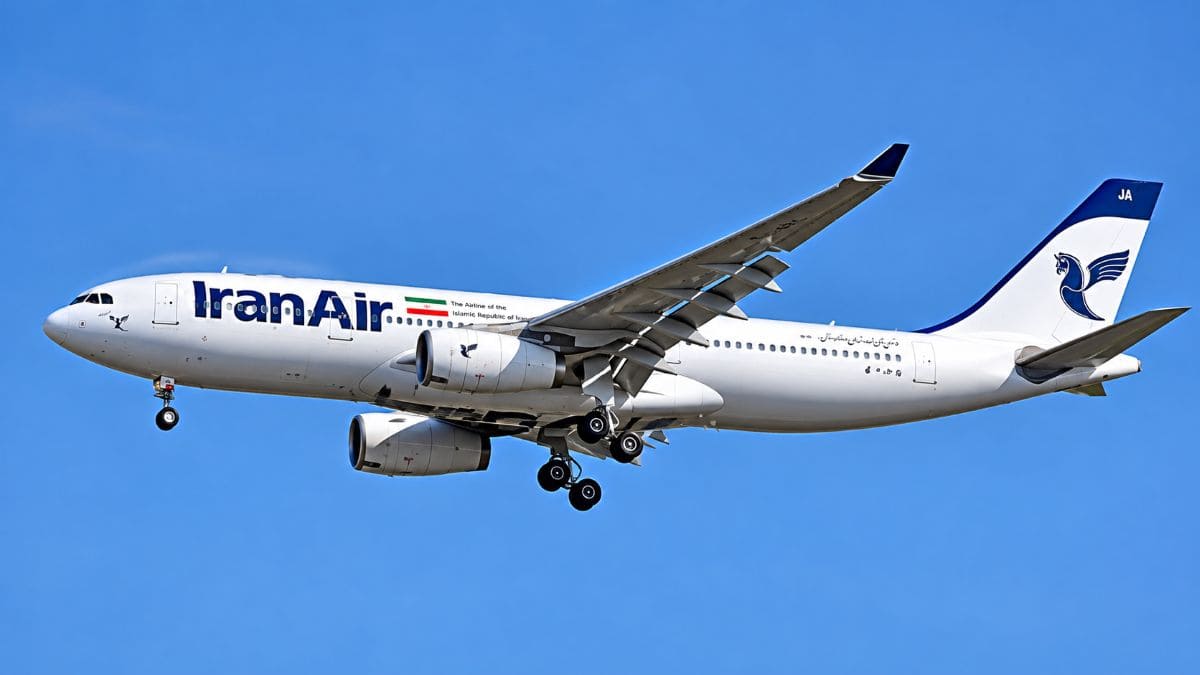
The UAE has suspended flights operated by Iranian airlines to and from the country, adding a new aviation constraint just as Dubai and Abu Dhabi prepare for the crucial 2026–27 winter tourism season. The General Civil Aviation Authority announced on September 24 that the suspension took immediate effect and would remain in place until further notice. The authority linked the decision to US restrictions affecting Iranian airlines’ use of airports internationally.
The measure does not represent a blanket suspension of all air traffic between Iran and the UAE. Instead, it specifically affects services operated by Iranian carriers, an important distinction for travellers, travel agents and tour operators managing Iran-UAE bookings. The timing is significant because the UAE tourism market has been rebuilding demand after a difficult period for regional travel. Dubai recorded approximately 869,000 international overnight visitors in August, while hotel occupancy recovered to 66%, according to Dubai’s tourism authority.
For the travel industry, the immediate issue is connectivity and booking certainty. Reduced airline choice can create rebooking requirements and alternative routings for affected passengers, while hotels, destination management companies, retailers and MICE operators will be watching forward demand closely as the winter peak approaches. The broader tourism effect will depend on how long the suspension remains in place and whether uncertainty spreads beyond the directly affected Iran-UAE market.
UAE Aviation Suspension Creates New Tourism Pressure
The UAE aviation regulator’s decision introduces another layer of complexity for regional air connectivity. Iranian airlines previously provided direct capacity between Iran and the UAE, supporting leisure, family, visiting-friends-and-relatives and business travel.
Advertisement
Advertisement
The suspension means travellers using affected carriers may need to consider alternative airlines or routings. For travel agencies, this can translate into itinerary changes, additional coordination and potentially different fare structures if available capacity becomes tighter.
The distinction between Iranian airline services and overall Iran-UAE air traffic is particularly important. The GCAA announcement concerns flights operated by Iranian airlines rather than a general closure of the air corridor between the two countries. The authority has also said that it will provide further updates as developments occur.
Advertisement
Advertisement
This creates an operational issue rather than an immediate indication of a complete breakdown in regional tourism connectivity. Nevertheless, uncertainty can influence booking behaviour, particularly when travellers are planning trips several months in advance.
Dubai Tourism Recovery Faces A Critical Winter Season
Dubai enters the latest aviation disruption with tourism indicators showing a significant recovery from weaker conditions earlier in 2026.
Advertisement
Advertisement
The city welcomed about 869,000 international overnight visitors in August, its strongest monthly result since February, taking international visitation to 6.97 million during the first eight months of the year. Hotel occupancy reached 66% in August, compared with 36% in March.
The recovery matters because the October-to-March period is a particularly important operating window for Dubai’s leisure, hospitality, attractions, retail and events sectors. Cooler weather typically supports outdoor tourism, while conferences, exhibitions and entertainment programmes provide additional demand.
Dubai’s diversified source-market structure also provides some resilience. Western Europe accounted for 20% of visitation from January through August, followed by South Asia at 17%, the GCC at 16%, and CIS and Eastern Europe at 14%.
This diversification means the UAE tourism sector is not dependent on a single international market. However, the loss of direct Iranian airline capacity could still affect businesses that serve Iranian visitors, families and corporate travellers.
Advertisement
Advertisement
Iran Market Impact Extends Beyond Leisure Travel
Iran is relevant to the UAE tourism economy not only as a leisure market but also through family travel, business activity and cross-border commercial relationships.
Dubai has traditionally attracted Iranian visitors seeking shopping, hospitality, medical services, business connections and leisure experiences. Hotels, restaurants, retail outlets, transport providers and destination management companies can therefore be exposed to changes in Iranian visitor flows.
The suspension could encourage some affected passengers to use alternative carriers or indirect routings. The practical effect will depend on available capacity, pricing and the duration of the suspension.
For travel companies, the key requirement is therefore flexibility. Existing bookings may need to be reassessed, while new itineraries could require greater attention to airline operating status, connection times and fare availability.
The measure also comes alongside a wider environment in which aviation operators have had to adjust schedules and capacity because of regional uncertainty. That makes forward planning especially important for tourism businesses preparing inventory and group commitments for the winter season.
Abu Dhabi And The Wider UAE Tourism Market
Although Dubai attracts a substantial share of international tourism attention, the implications extend across the wider UAE.
Advertisement
Advertisement
Abu Dhabi combines leisure tourism with business travel, cultural attractions, major events, luxury hospitality and MICE activity. A reduction in direct Iranian airline capacity could therefore have implications for businesses serving both leisure and corporate passengers.
The UAE’s wider aviation network provides an important buffer. Major carriers and regional airlines connect the country with Europe, Asia, Africa and the wider Middle East, giving travellers alternatives to affected Iranian-operated services.
That network strength could help the UAE maintain international accessibility while specific market segments adjust. However, alternative capacity is not necessarily interchangeable with direct services. Flight schedules, connection times, fares and airport choices can all influence traveller decisions.
The following table summarises the main tourism implications supported by the current information.
| Market or Sector | Current Position | Potential Tourism Impact |
|---|---|---|
| Dubai | Visitor and hotel performance recovering | Winter demand could continue strengthening if wider traveller confidence holds |
| Abu Dhabi | Diverse leisure, business and MICE market | Alternative international connectivity could help absorb some displaced demand |
| Iran-UAE travel | Iranian airline services suspended | Travellers may need alternative carriers or routings |
| Hospitality | Dubai occupancy reached 66% in August | Hotels will monitor forward bookings closely |
| MICE | Dependent on advance international planning | Connectivity uncertainty could affect group and event decisions |
| Travel trade | Rebooking and itinerary management required | Agents may need greater flexibility when selling Iran-UAE journeys |
Aviation Connectivity Becomes Central To Winter Demand
Air connectivity will be one of the most important factors influencing the UAE’s winter tourism performance.
Dubai International Airport has a broad international network, while Emirates and other UAE-based airlines provide extensive connections across major global markets. This diversification can reduce the dependence of the overall destination on individual bilateral markets.
Advertisement
Advertisement
However, connectivity is not only about total passenger capacity. Travellers also consider nonstop availability, frequency, fares, convenient connections and schedule reliability.
For travel agents and tour operators, these factors can influence whether customers confirm a trip, postpone their decision or select another destination. Shorter booking windows can also make inventory management more difficult for hotels and destination businesses.
The UAE therefore faces a distinction between maintaining overall international connectivity and restoring full connectivity across every individual source market.
Hotels And MICE Operators Watch Forward Bookings
The hospitality industry will be particularly attentive to bookings for the final quarter of 2026 and the first months of 2027.
Hotels depend on a combination of leisure travellers, corporate guests, groups, events and international visitors. The MICE segment is especially sensitive to connectivity because conferences and incentive programmes are often planned months in advance.
A disruption affecting one airline market does not necessarily translate into a broad decline in hotel demand. Dubai’s latest figures show that its international visitor base remains geographically diversified.
Advertisement
Advertisement
Nevertheless, uncertainty can influence contracting decisions, group attendance and itinerary planning. Event organisers may require more flexible arrangements if participants face limited direct connectivity.
For hotels, destination management companies and event organisers, the priority will be converting improving international demand into confirmed bookings while maintaining flexibility around markets affected by changing aviation conditions.
Tourism Opportunities In The 2026 Winter Season
The suspension also highlights the importance of the UAE’s diversified tourism proposition.
Dubai can draw on leisure, shopping, luxury tourism, entertainment, business travel and MICE demand, while Abu Dhabi offers cultural tourism, major events, hospitality and business-related travel. This breadth provides multiple channels through which destinations can attract visitors even when individual markets experience disruption.
The recovery already visible in Dubai creates an opportunity for tourism businesses to focus on markets where air connectivity remains strong. International source-market diversification can potentially help hotels and attractions reduce exposure to disruptions concentrated in a single country or airline group.
For travel companies, alternative routing options may also create opportunities to package the UAE with other regional or international destinations, provided schedules and operational conditions support such itineraries.
Advertisement
Advertisement
Challenges And Uncertainties Remain
The biggest uncertainty is the duration of the Iranian airline suspension. The GCAA has not specified an end date and has said the measure remains in effect until further notice.
The tourism impact will therefore depend on whether the restriction remains limited to Iranian-operated flights or contributes to wider changes in regional aviation.
Another challenge is traveller confidence. Even where flights remain available, passengers may shorten booking windows or prefer itineraries perceived as more straightforward and predictable.
Tourism businesses must also avoid assuming that improving visitor numbers automatically guarantee a smooth winter season. August’s recovery provides encouraging evidence of renewed demand, but future performance remains dependent on connectivity, regional conditions and international traveller sentiment.
Future Outlook For UAE Tourism
The UAE enters the 2026–27 winter season with tourism demand showing measurable signs of recovery but with aviation uncertainty still affecting parts of the market. The suspension of Iranian airline services adds pressure to a regional travel environment in which airlines, airports and tourism businesses are already managing changing operational conditions.
For Dubai, the immediate priority will be maintaining the momentum reflected in August visitor and hotel figures while continuing to attract demand from a broad range of international markets. For Abu Dhabi and the wider UAE, strong international connectivity and a diversified tourism economy could provide important support.
Advertisement
Advertisement
The coming months will reveal whether the Iranian airline suspension remains a contained connectivity issue or becomes a broader influence on regional travel patterns. For travellers and tourism businesses, reliable flight information, flexible itineraries and careful forward planning will remain particularly important as the UAE approaches its peak winter tourism period.
FAQs
1. Why has the UAE suspended Iranian airline flights?
The UAE General Civil Aviation Authority announced the suspension in response to US restrictions affecting Iranian airlines’ use of airports internationally.
2. When did the UAE suspension of Iranian airlines begin?
The suspension took effect on September 24, 2026, and remains in place until further notice.
3. Does the suspension stop all flights between Iran and the UAE?
No. The measure specifically concerns flights operated by Iranian airlines. It is not described by the GCAA as a blanket suspension of all air traffic between the two countries.
4. How could the suspension affect travellers?
Passengers booked on affected airlines may need rebooking, alternative carriers or different routings, depending on their itinerary and available capacity.
5. How is Dubai tourism performing in 2026?
Dubai welcomed approximately 869,000 international overnight visitors in August 2026, taking first-eight-month international visitation to 6.97 million.
Advertisement
Advertisement
6. What happened to Dubai hotel occupancy in August 2026?
Hotel occupancy reached 66% in August, recovering significantly from 36% in March.
7. Why is the winter season important for Dubai tourism?
The October-to-March period is an important period for leisure travel, hospitality, attractions, events and business tourism, making forward bookings particularly significant.
8. Could other UAE destinations be affected?
Potentially. Abu Dhabi and other destinations may also encounter changes in demand among travellers who previously relied on Iranian-operated services, although the overall impact will depend on alternative connectivity.
9. What does the suspension mean for UAE hotels and MICE businesses?
Hotels and MICE operators may need to monitor forward bookings, group travel and international connectivity more closely, particularly for customers affected by changes in airline availability.
10. What should travellers do when planning UAE trips during this period?
Travellers should verify their airline’s operating status, check any booking changes directly with the relevant carrier or travel provider and allow flexibility when planning connections.
Advertisement
