
Mexico Creates Innovative Models to Connect Community With Medical Facilities in Mérida and Other Cities

Published
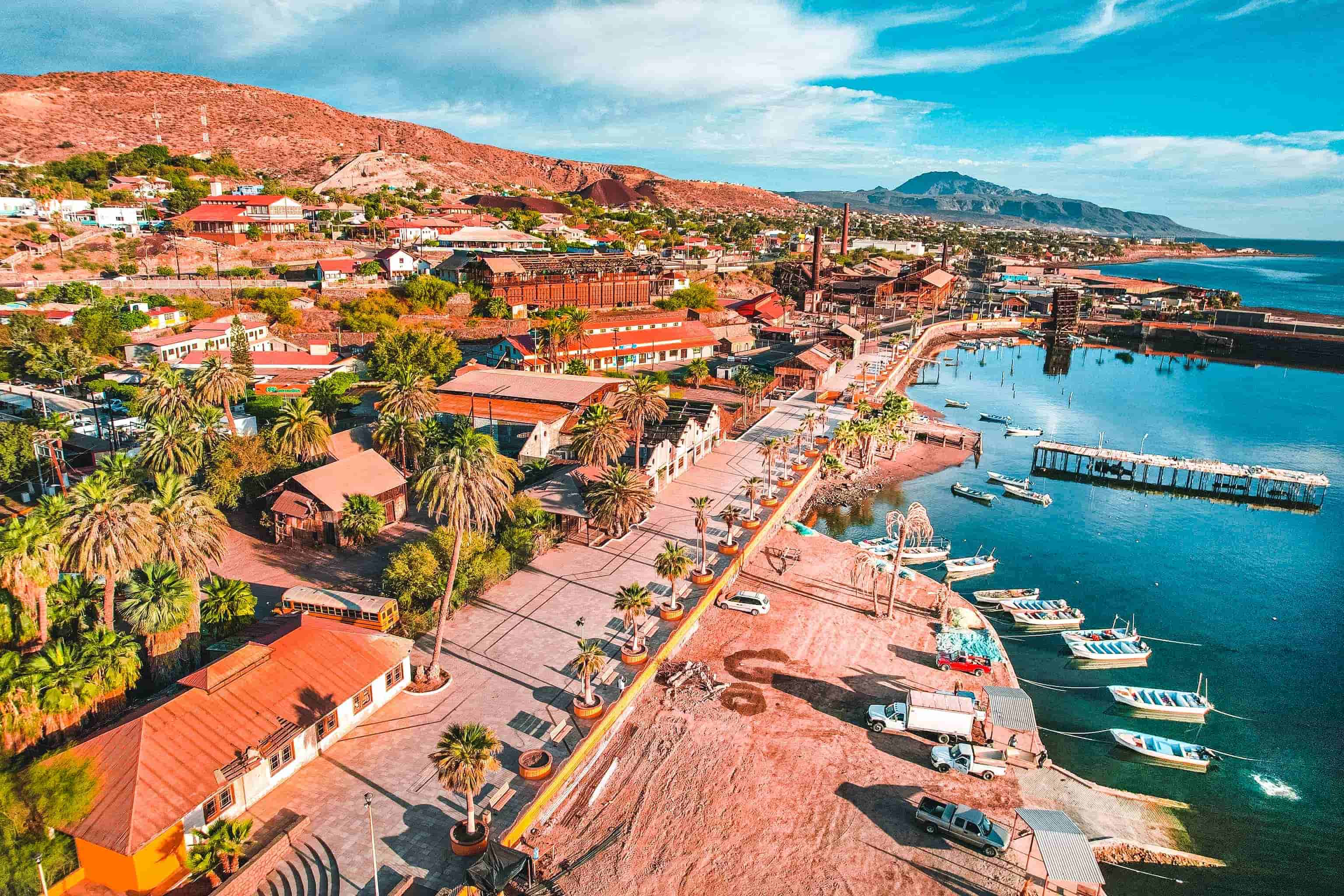
Mexico is entering a new phase of tourism growth in 2026 as cities and regions develop innovative models that connect community-led experiences with expanding medical and wellness travel. Destinations such as Mérida, Oaxaca, Tijuana, Guadalajara, Monterrey, Cancún, and Maya Ka’an are showing how local culture, healthcare services, sustainability, and visitor experiences can work together to create new tourism opportunities.
New tourism approaches are emerging as destinations combine cultural identity, resident-led experiences, advanced clinics, and wellness services to attract global visitors. These developments show how travel is moving beyond traditional holidays toward meaningful journeys where communities gain economic opportunities and travellers discover reliable care alongside authentic experiences. The shift highlights a changing industry focused on inclusion, sustainability, and smarter destination planning while creating new possibilities across Mexico.
Trending Mexican Cities Building Innovative Community Tourism and Medical Tourism Models in 2026
| City / Region | State | Tourism Model | Innovation Approach | Key Community Tourism Features | Medical Tourism Potential | Main Visitor Markets | 2026 Tourism Trend |
|---|---|---|---|---|---|---|---|
| Mérida | Yucatán | Community + wellness tourism | Combines Maya heritage, rural experiences and healthcare services | Maya cultural routes, cenotes, traditional cuisine, artisan communities, nearby Mayan villages | One of Mexico’s emerging medical hubs with private hospitals, dental care, wellness clinics and affordable procedures | USA, Canada, Europe, retirees | Growth of cultural immersion and health-focused travel |
| Cancún–Riviera Maya Corridor | Quintana Roo | Medical tourism + community tourism expansion | Moving beyond resort tourism through healthcare clusters and local experiences | Maya communities, eco-tourism projects, indigenous experiences, nature conservation | Major international medical tourism destination with hospitals, dental clinics, cosmetic surgery and rehabilitation services | USA, Canada, Latin America | Integration of luxury holidays with healthcare services |
| Playa del Carmen | Quintana Roo | Wellness and medical tourism | Develops lifestyle healthcare experiences for international visitors | Local gastronomy, eco-parks, cultural tourism, community excursions | Private clinics, dental tourism, preventive healthcare, wellness retreats | North America and European long-stay travellers | Rise of “holiday plus healthcare” packages |
| Oaxaca de Juárez | Oaxaca | Community-based cultural tourism | Indigenous communities lead authentic tourism experiences | Pueblos Mancomunados, indigenous crafts, food traditions, ecotourism, mountain experiences | Growing wellness sector but smaller medical tourism infrastructure compared with border cities | Cultural travellers from Europe, USA and Canada | Model for sustainable community ownership |
| San Cristóbal de las Casas | Chiapas | Indigenous and rural community tourism | Connects visitors with indigenous traditions and environmental tourism | Tzotzil and Tzeltal communities, textile cooperatives, nature tourism | Limited but growing wellness and alternative health tourism | European cultural travellers, adventure tourists | Authentic indigenous tourism growth |
| Puerto Vallarta | Jalisco | Wellness + medical tourism | Combines luxury tourism with health services | Local villages, gastronomy, marine conservation activities | Strong private healthcare network, dental services, cosmetic procedures | USA, Canada, long-stay visitors | Expansion of wellness travel economy |
| Guadalajara | Jalisco | Advanced medical tourism hub | Uses urban healthcare infrastructure and technology | Cultural neighbourhoods, gastronomy, artisan communities | One of Mexico’s strongest medical centres with specialised hospitals, technology-driven healthcare and research facilities | USA, Latin America | High-value medical and urban tourism growth |
| Tijuana | Baja California | Border medical tourism model | Cross-border healthcare ecosystem | Culinary tourism, cultural districts, Baja experiences | Mexico’s largest medical tourism centres with dental, bariatric, cosmetic and specialised treatments | USA, especially California | Cross-border healthcare innovation |
| Monterrey | Nuevo León | High-tech medical tourism | Combines advanced hospitals with business tourism | Industrial heritage, mountain tourism, regional culture | Advanced medical institutions, specialised surgeries and healthcare technology | USA, Latin America | Premium healthcare destination development |
| Los Cabos | Baja California Sur | Luxury wellness tourism | Links luxury resorts with preventative health and recovery services | Marine conservation, local communities, desert experiences | Wellness clinics, rehabilitation, longevity programmes | USA, Canada, luxury travellers | Growth of luxury health retreats |
| Pátzcuaro | Michoacán | Heritage community tourism | Community-controlled cultural tourism model | Indigenous traditions, crafts, festivals, local gastronomy | Limited medical tourism; potential wellness tourism | Cultural travellers | Example of community-led heritage preservation |
| Camino del Mayab Communities | Yucatán | Official community tourism destination | Rural route connecting villages and local enterprises | Maya culture, nature activities, local food, handicrafts | Wellness potential through nature and traditional practices | International experiential travellers | New sustainable tourism route |
| Maya Ka’an | Quintana Roo | Indigenous ecotourism model | Community ownership of tourism services | Maya villages, wildlife, jungle experiences, traditional knowledge | Wellness and nature-based healing experiences | Eco-conscious travellers | National example of regenerative tourism |
| Pueblos Mancomunados | Oaxaca | Cooperative mountain tourism | Community-managed ecotourism network | Hiking, forests, cabins, local guides and indigenous governance | Wellness and nature retreat opportunities | Adventure travellers | Global sustainable tourism example |
Why are Mexican destinations shifting towards community-based tourism models in 2026?
Mexico’s tourism development is increasingly moving beyond traditional resort-focused travel. Communities across several states are becoming active participants in creating tourism products that highlight local culture, nature, traditions, and regional identity. This approach allows residents to benefit directly from visitor spending while protecting cultural heritage and natural resources.
One of the strongest examples is Maya Ka’an in Quintana Roo, where Maya communities provide visitors with experiences connected to local traditions, wildlife, gastronomy, and ancient knowledge. The destination demonstrates how tourism can support rural economies while maintaining environmental responsibility.
Advertisement
Advertisement
Oaxaca’s Pueblos Mancomunados communities represent another important model. These mountain villages have developed cooperative tourism activities based on forests, hiking routes, cabins, traditional food, and indigenous culture. Instead of relying only on large tourism companies, local communities manage many services directly.
Yucatán’s Camino del Mayab is also gaining attention as a rural tourism route connecting visitors with villages, archaeological areas, nature sites, and Maya traditions. The model encourages travellers to explore smaller communities rather than concentrating only on major cities.
Advertisement
Advertisement
This shift reflects changing traveller expectations in 2026. Many international visitors are searching for meaningful experiences rather than only sightseeing. They want authentic interactions, local food, cultural learning, and environmentally responsible activities.
Community tourism provides Mexico with an opportunity to distribute tourism income more widely. It also creates new reasons for travellers to explore destinations beyond famous coastal areas.
Advertisement
Advertisement
How is Mérida becoming a leading destination for cultural, wellness, and medical tourism?
Mérida in Yucatán is emerging as one of Mexico’s most diverse tourism cities by combining heritage, wellness, and healthcare opportunities. The city’s appeal comes from its colonial architecture, Maya influences, gastronomy, safety reputation, and access to natural attractions such as cenotes and archaeological sites.
The city has developed a strong connection between cultural tourism and wellness travel. Visitors increasingly combine cultural exploration with relaxation, traditional cuisine, nature activities, and health-focused experiences.
Mérida is also strengthening its position within Mexico’s medical tourism sector. The city has modern private hospitals, specialised clinics, dental services, and healthcare providers attracting international visitors seeking affordable medical options.
Foreign retirees and long-stay travellers have contributed to growing demand for healthcare services in the region. Many visitors are interested in destinations where they can access quality medical facilities while enjoying a comfortable lifestyle.
Advertisement
Advertisement
The surrounding Maya communities also provide opportunities for responsible tourism development. Local guides, artisans, food producers, and cultural organisations are becoming part of the visitor economy.
Mérida represents a broader trend in Mexico where cities are no longer separating tourism categories. Cultural travel, wellness experiences, and healthcare services are increasingly being combined into complete visitor journeys.
Why are Tijuana, Guadalajara, and Monterrey becoming important medical tourism centres?
Mexico’s medical tourism sector is expanding through cities that offer advanced healthcare facilities, specialised treatments, and international accessibility. Tijuana, Guadalajara, and Monterrey remain among the most recognised locations for foreign patients.
Tijuana has developed a strong cross-border medical tourism ecosystem due to its location near the United States border. Thousands of international visitors travel there annually for healthcare services including dental treatments, cosmetic procedures, bariatric surgery, and specialised medical care.
The city’s advantage comes from accessibility. Visitors from California and other US regions can reach healthcare providers quickly while benefiting from competitive treatment costs.
Guadalajara is strengthening its position through a combination of medical expertise, research institutions, and urban tourism attractions. The city has major hospitals and specialists offering services across multiple healthcare fields.
Advertisement
Advertisement
The destination also benefits from its cultural appeal. Visitors can combine medical appointments with experiences involving gastronomy, architecture, museums, and local traditions.
Monterrey is developing a premium healthcare model based on advanced hospitals and specialised medical services. The city’s strong business infrastructure supports international healthcare partnerships and technology-driven treatments.
These destinations show how medical tourism is becoming more sophisticated. Travellers are increasingly looking for reliable healthcare, professional services, comfortable accommodation, and attractive destinations where they can recover after treatment.
How are Cancún and Riviera Maya expanding beyond traditional beach tourism?
Cancún and Riviera Maya have long been recognised as Mexico’s leading international holiday destinations. In 2026, the region is working to diversify its tourism identity by adding medical, wellness, and community-based experiences.
The area’s established international airport, hotel infrastructure, and global reputation provide a strong foundation for medical tourism growth. Visitors who already travel to the region for holidays can access healthcare services, dental treatments, cosmetic procedures, and wellness programmes.
The combination of tourism and healthcare creates a growing “holiday plus wellness” model. Travellers can receive treatments while enjoying beaches, nature activities, and cultural attractions.
Advertisement
Advertisement
Beyond luxury resorts, the region is also developing stronger connections with Maya communities. Projects such as Maya Ka’an demonstrate how visitors can explore local traditions, ecosystems, and indigenous knowledge.
This approach allows Quintana Roo to balance mass tourism with more sustainable experiences. Instead of focusing only on large resorts, the region is creating opportunities for smaller communities and local businesses.
The future of Riviera Maya tourism is becoming more diverse. Beach holidays remain central, but wellness, healthcare, culture, and environmental experiences are becoming increasingly important parts of the visitor economy.
What role does Oaxaca play in Mexico’s community tourism transformation?
Oaxaca has become one of Mexico’s strongest examples of community-driven tourism development. The state combines indigenous traditions, gastronomy, crafts, natural landscapes, and cultural festivals to create unique visitor experiences.
The city of Oaxaca de Juárez attracts international travellers interested in history, cuisine, and traditional culture. However, the wider state is also gaining recognition because of rural communities that manage tourism activities themselves.
Pueblos Mancomunados demonstrates how local cooperation can create successful tourism models. Communities operate hiking routes, eco-lodges, nature experiences, and cultural activities while protecting surrounding forests.
Advertisement
Advertisement
Oaxaca’s approach focuses on keeping tourism benefits within communities. Local residents act as guides, hosts, producers, and cultural ambassadors.
The destination also reflects a growing global interest in authentic travel. Visitors increasingly want to understand local lifestyles rather than simply observe them.
Although Oaxaca is not currently among Mexico’s largest medical tourism centres, it has potential in wellness tourism because of its natural environment, traditional knowledge, and cultural experiences.
The state shows that tourism innovation does not always require large infrastructure projects. Community organisation, cultural protection, and responsible visitor management can create valuable tourism economies.
How are wellness and healthcare experiences changing Mexico’s tourism future?
Wellness tourism is becoming a major connection between community tourism and medical travel. Travellers are increasingly interested in preventative health, relaxation, nature-based experiences, and personalised wellbeing programmes.
Destinations such as Los Cabos, Puerto Vallarta, Mérida, and Riviera Maya are developing wellness offerings linked with luxury accommodation, natural landscapes, and healthcare services.
Advertisement
Advertisement
Los Cabos is building a reputation for high-end wellness experiences through resorts, rehabilitation programmes, and lifestyle-focused travel. Puerto Vallarta combines coastal tourism with healthcare services and wellness retreats.
The growth of wellness tourism reflects changing consumer behaviour. Many travellers now consider health and wellbeing an important part of their journey rather than a separate activity.
Mexico’s natural resources provide strong advantages. Beaches, forests, mountains, traditional cuisine, and cultural experiences allow destinations to create complete wellness packages.
Community tourism also contributes to this trend by introducing visitors to traditional practices, local foods, and nature experiences.
As international travel becomes more experience-focused, Mexican destinations that successfully combine health, culture, and sustainability are expected to attract greater attention.
What does the future look like for Mexico’s innovative tourism destinations in 2026?
Mexico’s tourism future is increasingly shaped by diversity. While famous coastal destinations continue attracting millions of visitors, new models are expanding opportunities across cities, rural communities, and healthcare centres.
Advertisement
Advertisement
Community tourism provides a way to protect heritage while creating economic opportunities for residents. Medical tourism offers another growth pathway by attracting international visitors seeking specialised services.
Cities such as Mérida, Guadalajara, Monterrey, and Tijuana are strengthening healthcare tourism, while Oaxaca, Maya Ka’an, and Camino del Mayab demonstrate the potential of community-led travel.
The most successful destinations in 2026 are those combining different strengths. Culture, healthcare, nature, sustainability, and technology are becoming interconnected parts of modern tourism.
Mexico’s emerging tourism models show a broader global trend: travellers increasingly seek destinations that provide meaningful experiences, trusted services, and positive connections with local communities. As these innovative approaches continue developing, Mexico is positioning itself as a destination where tourism growth can support both visitors and residents.
In 2026, Mexico is developing a more diversified tourism economy where communities, healthcare providers and cultural organisations play larger roles. Traditional destinations such as Cancún and Puerto Vallarta continue attracting global visitors, but emerging models in Oaxaca, Yucatán, Chiapas and Michoacán show how tourism can become more locally managed.
The combination of community ownership, cultural preservation, wellness experiences and international healthcare services is creating a new generation of Mexican tourism destinations. These cities and regions are increasingly positioned as examples of how tourism can support economic development while protecting local identity.
Advertisement
Advertisement
Mexico’s evolving tourism strategy demonstrates how combining local participation with healthcare services can create stronger destinations for the future. The cause behind this transformation is growing demand for authentic experiences and accessible treatment options. The answer lies in integrated tourism models that support residents, businesses, and visitors together. The reason these approaches are gaining attention is their ability to deliver economic value while protecting culture and improving visitor experiences. As these destinations continue developing, Mexico’s tourism sector is creating a broader pathway where community involvement and healthcare innovation become important drivers of long-term growth across diverse regions throughout the country.
[Image: Visit Mexico]
Advertisement
