
Greece Tourism Boom Reaches a Turning Point as Rising Costs Reshape Travel Growth: All You Need to Know

Published
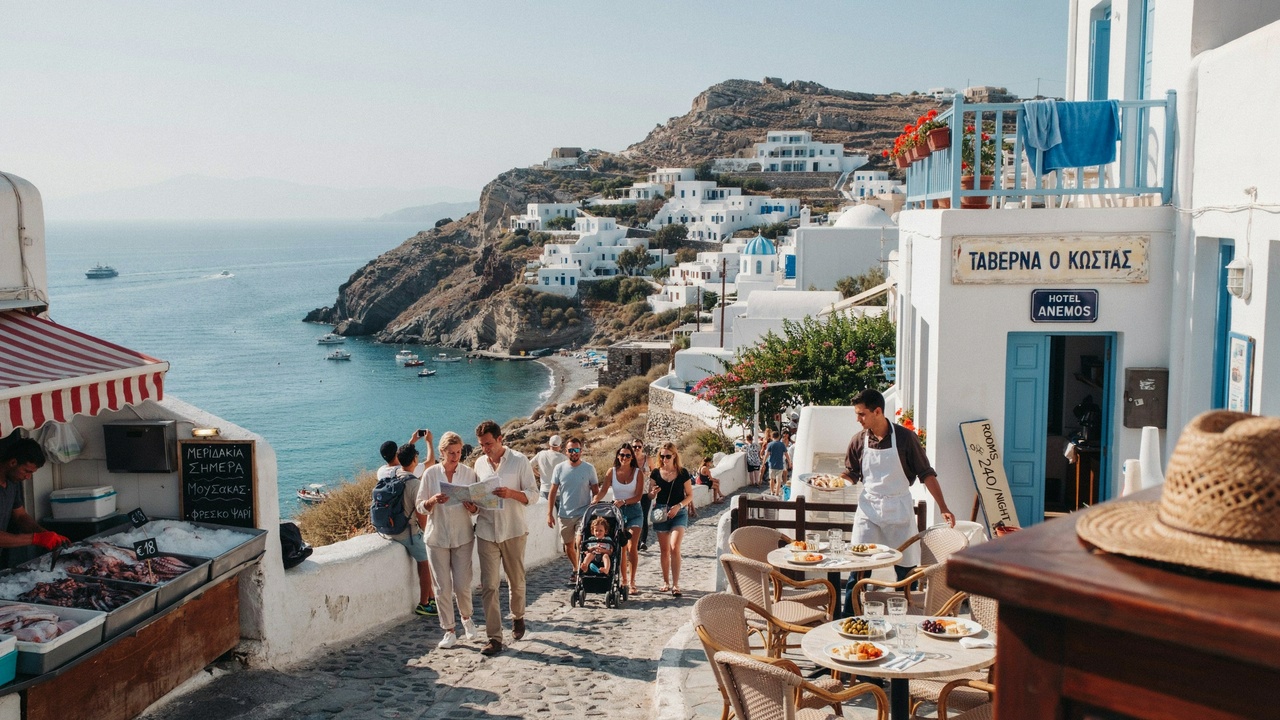
Greece continues attracting millions of international visitors with its islands, ancient heritage, coastal landscapes and Mediterranean lifestyle. However, the country’s tourism industry is facing a new challenge: stronger visitor demand does not always translate into higher profitability as operating expenses continue increasing.
The tourism sector remains one of Greece’s most important economic pillars. Recent data from the Bank of Greece has shown continued strength in travel receipts, with tourism income supported by international demand.
At the same time, tourism businesses are dealing with higher costs linked to energy, labour, supplies, transportation and daily operations. This changing environment is forcing hotels, restaurants and travel operators to carefully balance competitive pricing with financial sustainability.
| Tourism Growth Factor | Business Challenge |
|---|---|
| More international visitors | Higher operational requirements |
| Strong holiday demand | Increased staffing needs |
| Rising accommodation demand | Greater infrastructure pressure |
| Premium travel experiences | Higher service costs |
| Longer tourism seasons | Additional operating expenses |
Visitor Demand Remains Strong Across Greece’s Popular Destinations
Greece continues to attract travellers from Europe, North America and other international markets. Its appeal comes from a combination of historic attractions, island tourism, cultural experiences and natural beauty.
Advertisement
Advertisement
Major destinations continue driving tourism activity:
| Destination | Main Tourism Appeal |
|---|---|
| Athens | Ancient history, museums and city experiences |
| Santorini | Scenic landscapes and luxury tourism |
| Mykonos | Lifestyle, beaches and entertainment |
| Crete | Heritage, beaches and gastronomy |
| Rhodes | Historic sites and coastal holidays |
| Corfu | Nature, culture and island experiences |
The country’s diverse tourism offer allows Greece to attract different visitor segments, from luxury travellers to families and adventure tourists.
Advertisement
Advertisement
Rising Operating Costs Put Pressure on Tourism Businesses
Although tourism revenues remain significant, businesses across Greece are experiencing increased expenses.
The main cost pressures include:
Advertisement
Advertisement
| Cost Area | Impact on Tourism Businesses |
|---|---|
| Energy prices | Higher hotel and restaurant operating costs |
| Labour expenses | Increased staffing costs |
| Food supplies | Higher restaurant and catering expenses |
| Transport costs | More expensive logistics and transfers |
| Maintenance | Higher property management expenses |
Hotels and tourism companies are increasingly looking for ways to improve efficiency while maintaining service quality.
Hotels Reconsider Pricing Strategies Amid Changing Market Conditions
Accommodation providers face a complex situation. Visitors continue arriving, but travellers are becoming more careful about spending.
Hotels are balancing:
- Competitive room rates
- Rising operational expenses
- Guest expectations
- Service quality
- Seasonal demand changes
Many businesses are focusing on improving value rather than simply increasing prices.
Advertisement
Advertisement
Tourism operators are also investing in:
- Better guest experiences
- Digital booking systems
- Energy-saving solutions
- Staff training
- Sustainable operations
These measures aim to protect profitability while keeping Greece attractive for international visitors.
Greek Islands Face Unique Tourism Cost Challenges
The Greek islands remain among the country’s strongest tourism assets, but their geographic characteristics create additional challenges.
Island destinations often experience higher costs because of:
- Limited supply chains
- Transportation dependence
- Seasonal workforce needs
- Infrastructure pressure
- Water and energy demands
| Island Region | Key Tourism Challenge |
|---|---|
| Cyclades | High seasonal demand and supply pressure |
| Crete | Large visitor volumes and infrastructure needs |
| Dodecanese | Transport and logistics challenges |
| Ionian Islands | Environmental management needs |
Popular islands must maintain visitor satisfaction while protecting local resources.
Greece Works Towards More Sustainable Tourism Development
The rising cost environment is encouraging Greece to focus on long-term tourism planning.
Advertisement
Advertisement
Sustainable tourism measures include:
| Strategy | Tourism Benefit |
|---|---|
| Energy efficiency | Reduces business costs |
| Water management | Supports island destinations |
| Environmental protection | Preserves natural attractions |
| Off-season tourism | Extends economic activity |
| Regional development | Spreads visitor demand |
Climate resilience is also becoming increasingly important as tourism destinations manage environmental risks. Greece has been investing in measures linked to infrastructure resilience and protection of tourism areas.
Athens Strengthens Its Position Beyond Traditional Summer Tourism
While Greek islands dominate international attention, Athens is becoming an increasingly important year-round tourism destination.
The capital offers:
- Ancient monuments
- Museums
- Food tourism
- Shopping
- Urban experiences
- Business travel opportunities
Athens helps reduce Greece’s dependence on short summer seasons by attracting visitors throughout the year.
The city also acts as a gateway for travellers continuing to islands and mainland destinations.
Advertisement
Advertisement
International Markets Continue Supporting Greek Tourism
Greece benefits from demand across multiple source markets.
Important tourism markets include:
| Market | Reason for Visiting Greece |
|---|---|
| United Kingdom | Island holidays and coastal tourism |
| Germany | Mediterranean leisure travel |
| United States | Heritage, luxury and cultural tourism |
| France | Lifestyle and island experiences |
| Italy | Short-haul European travel |
A diverse visitor base helps Greece maintain tourism strength even when individual markets experience changes.
Tourism Businesses Search for Higher-Value Visitors
The Greek tourism sector is increasingly focusing on attracting visitors who contribute greater economic value.
This includes promoting:
- Luxury tourism
- Wellness travel
- Gastronomy tourism
- Cultural experiences
- Longer stays
- Off-season holidays
The goal is not only increasing visitor numbers but also improving tourism revenue quality.
Advertisement
Advertisement
The Future of Greek Tourism Depends on Balancing Growth and Costs
Greece’s tourism industry faces a delicate balance. Strong demand creates opportunities, but rising expenses require careful management.
Future success will depend on:
- Efficient business operations
- Sustainable development
- Better infrastructure
- Skilled tourism workers
- Improved visitor experiences
The country’s ability to manage costs while maintaining its global appeal will shape the next stage of Greek tourism.
Frequently Asked Questions
1. Why is Greece tourism facing cost challenges?
Tourism businesses are experiencing higher expenses related to energy, labour, supplies, transportation and operations.
2. Is Greece still attracting international tourists?
Yes. Greece continues to attract strong international demand due to its islands, culture, history and Mediterranean lifestyle.
3. Which Greek destinations are most popular with visitors?
Athens, Santorini, Mykonos, Crete, Rhodes and Corfu remain among Greece’s most recognised tourism destinations.
Advertisement
Advertisement
4. Are higher costs making Greece less attractive for travellers?
Rising costs may influence traveller decisions, but Greece continues competing through its experiences, attractions and hospitality.
5. How is Greece improving tourism sustainability?
Greece is focusing on energy efficiency, resource management, infrastructure improvements and responsible tourism planning.
6. Why is off-season tourism important for Greece?
Off-season travel helps extend economic activity beyond peak summer months and reduces pressure on popular destinations.
Conclusion
Greece’s tourism sector remains a powerful force in the country’s economy, supported by strong international demand and global interest in its destinations. However, rising operational costs are creating new challenges for businesses seeking sustainable growth. The future of Greek tourism will depend on balancing visitor demand with efficient operations, responsible development and improved value for travellers. By adapting to changing conditions, Greece can continue strengthening its position as one of the Mediterranean’s most attractive travel destinations.
Advertisement
