
Israel Stands with UAE, Saudi Arabia, Qatar, Kuwait and Others as Travelers Face Major Flight Disruptions with Major Airlines Extending Middle East Flight Suspensions Across Dubai, Abu Dhabi, Riyadh, Doha, Tel Aviv and More Amid Escalating Conflict and Security Threats

Published
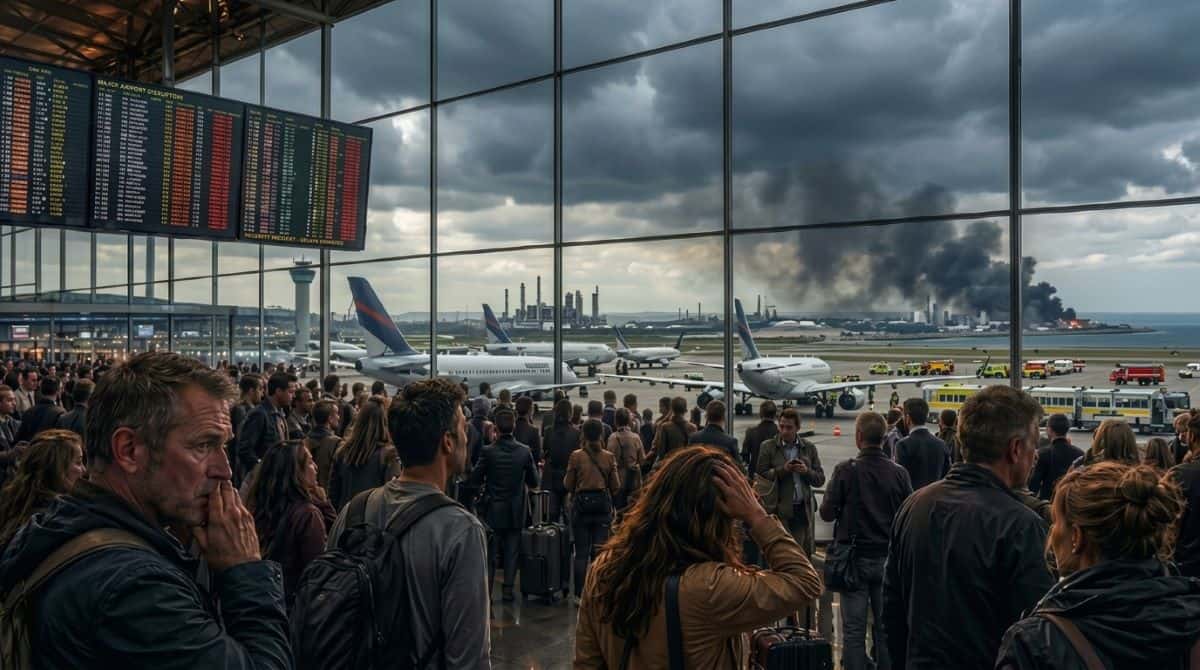
Israel stands with UAE, Saudi Arabia, Qatar, Kuwait, and others as travelers face major flight disruptions with major airlines extending Middle East flight suspensions across Dubai, Abu Dhabi, Riyadh, Doha, Tel Aviv, and more amid escalating conflict and security threats to keep passengers safe. International airlines including British Airways, Air Canada, Lufthansa, and Cathay Pacific have extended Middle East flight suspensions through late October 2026 across major hubs like Dubai, Abu Dhabi, Riyadh, Doha, and Tel Aviv. Triggered by heightened security risks and official Conflict Zone Information Bulletins from the European Union Aviation Safety Agency (EASA) and the Federal Aviation Administration (FAA), these route pauses impact over 40% of standard Europe-Asia transit connections, adding 90 to 180 minutes of flight time due to tactical rerouting.
This article provides a comprehensive, country-by-country analysis of active flight cancellations, airspace management protocols, and statutory passenger refund rights under international civil aviation laws.
Global Flight Disruptions at a Glance: Airline Statuses and Resumption Dates
Major international air carriers operating between North America, Europe, Asia-Pacific, and the Middle East have revised their flight schedules into autumn.
The master summary below details carrier-specific operational statuses, impacted transit hubs, and statutory passenger remedies:
Advertisement
Advertisement
| Air Carrier | Affected Middle East Hubs & Destinations | Updated Suspension Timeline & Operational Status | Passenger Rights & Rebooking Options |
| British Airways | Dubai, Tel Aviv, Amman, Bahrain, Doha, Riyadh, Jeddah | • Dubai, Tel Aviv, Amman, Bahrain: Suspended through October 31 • Doha & Riyadh: Reduced to 1x daily flight • Jeddah: Service permanently discontinued | Full ticket refunds or rebooking via partner airline networks. |
| Air Canada | Toronto ↔ Dubai & Tel Aviv | • Service paused through October 24 | Fee-free rebooking options or full monetary reimbursement. |
| Cathay Pacific | Dubai & Riyadh | • Dubai: Suspended until October 24 • Riyadh: Suspended until October 25 | Flexible ticket refunds, rebooking, or rerouting options. |
| Finnair | Helsinki ↔ Dubai & Doha | • Dubai: Paused until October 24 • Doha: Suspended through winter schedule | Rerouting primarily accommodated via partner Qatar Airways. |
| Lufthansa Group | Dubai, Abu Dhabi, Riyadh, Dammam, Beirut, Amman, Erbil, Muscat, Tehran, Tel Aviv | • Lufthansa/Swiss (Dubai): Suspended until September 13 • Abu Dhabi, Riyadh, Dammam, Beirut, Amman, Muscat, Tehran: Suspended until October 24 • Tel Aviv: Selectively restored by group carriers | Fee-free rebooking across Lufthansa Group network or full refund processing. |
| Singapore Airlines & Scoot | Dubai, Riyadh, Jeddah | • Singapore Airlines (Dubai): Suspended through October 24 • Riyadh: Launch delayed to December 1 • Scoot (Jeddah): Paused through August 8 | Alternative flight reassignments or complete refunds for unutilized sectors. |
| Air France & KLM | Dubai, Riyadh, Beirut, Dammam | • Air France (Dubai): Resuming July 27 • Air France (Riyadh): Suspended through July 24 • Air France (Beirut): Suspended through August 2 • KLM (Dubai, Riyadh, Dammam): Grounded through August 23 | Rebooking allowances or full cash refunds depending on ticket conditions. |
| ITA Airways | Dubai | • All operations suspended through October 24 | Full refund claims or fee-free date changes. |
| Air Astana | Almaty/Astana ↔ Dubai | • Grounded through August 31 (citing Strait of Hormuz safety) | Full refunds at original point of purchase or free rebooking. |
Sky Protocols Demystified: How Government Aviation Authorities Safeguard Commercial Flight Paths
Protecting civilian passenger aircraft during periods of geopolitical escalation requires continuous, real-time coordination between sovereign Air Traffic Management (ATM) agencies, national defense ministries, and global safety regulators like the International Civil Aviation Organization (ICAO).
Civil aviation authorities categorize airspace into three distinct operational profiles:
Advertisement
Advertisement
- Unrestricted Flight Corridors: Sovereign FIRs operating under standard Instrument Flight Rules (IFR) without special restrictions. Primary transit channels over Saudi Arabia and Qatar continue handling transcontinental traffic connecting Western Europe with South and Southeast Asia.
- Tactically Managed Airspace Zones: Flight FIRs across the UAE, Oman, and Bahrain remain operational for arrivals and departures but enforce mandatory Area Navigation (RNAV) waypoints. Air Traffic Control (ATC) facilities utilize active radar vectors and manual navigation protocols to counter potential Global Navigation Satellite System (GNSS) interference and signal spoofing.
- Restricted or Closed Airspace Sectors: Airspace sectors directly adjacent to active conflict zones face temporary closures or strict minimum altitude constraints. Intercontinental flights are rerouted around these zones, using northern bypass tracks via Türkiye or southern corridors across Egypt and the Red Sea.
The issuance of a US Worldwide Caution alongside heightened Middle East travel advisories is triggering a global chilling effect on international travel, accelerating mass flight cancellations, elevating insurance premiums, and forcing travelers worldwide to navigate unpredictable airspace closures and heightened security risks beyond the regional conflict zone.
Navigating Extended Travel Distances: Global Logistics and Flight Rerouting Realities
The Middle East serves as the world’s primary mid-continent hub, handling approximately 40% of passenger traffic moving between Europe, Asia, and Australasia under baseline conditions. When carriers pause operations through these mid-continent hubs, the disruption impacts global supply chains, corporate itineraries, and international tourism.
Advertisement
Advertisement
Key Operational Impacts of Airspace Rerouting
- Increased Fuel Consumption & Long Flight Times: Bypassing restricted FIRs adds 90 to 180 minutes to long-haul routes linking Europe with South Asia. This extended duration increases jet fuel burn, requiring carriers to adjust payload and cargo capacities.
- Turnaround Delays & Fleet Adjustments: Long-haul aircraft spending additional time in transit experience extended turnaround schedules at gateway airports, leading airlines to trim secondary route frequencies.
- Airspace Bottlenecks: Concentrating intercontinental air traffic into narrower bypass corridors increases traffic density for surrounding regional ATC centers, occasionally leading to flow-management holding patterns and ground delays.
UAE Aviation Operations Hub: Dubai and Abu Dhabi Carrier Updates
As primary transit gateways connecting international passengers, Dubai International Airport (DXB) and Zayed International Airport (AUH) in Abu Dhabi have seen extensive operational adjustments from international airlines.
- Air Canada: Paused all services connecting Toronto with Dubai through October 24.
- British Airways: Extended its suspension of direct flights to Dubai through October 31.
- Cathay Pacific: Grounded all passenger flights to Dubai through October 24.
- Finnair: Suspended all Helsinki–Dubai operations until October 24.
- Lufthansa Group: Suspended Lufthansa and Swiss services to Dubai until September 13. Operations to Abu Dhabi across Lufthansa, Swiss, Austrian Airlines, and Brussels Airlines remain paused through October 24.
- Singapore Airlines: Extended the suspension of its Singapore–Dubai service through October 24.
- Air France & KLM: Air France has resumed select Dubai services following safety evaluations, whereas KLM suspended its Dubai operations through August 23.
- Air Astana: Suspended operations from Almaty and Astana to Dubai through August 31, citing regional safety precautions.
- Aegean Airlines & ITA Airways: Aegean canceled Dubai flights through August 31, while ITA Airways extended its suspension until October 24.
- Wizz Air: Paused services into Dubai and Abu Dhabi, anticipating a phased resumption in September.
- Regional UAE Flag Carriers: UAE-based carriers—including Emirates, Etihad Airways, flydubai, and Air Arabia—continue operating scheduled flights while adjusting specific flight tracks based on real-time airspace clearances.
Saudi Arabia Gateway Briefing: Riyadh, Dammam, and Jeddah Flight Updates
Saudi Arabia’s primary air gateways—King Khalid International Airport in Riyadh (RUH), King Fahd International Airport in Dammam (DMM), and King Abdulaziz International Airport in Jeddah (JED)—are managing schedule modifications and postponed route launches by foreign carriers.
- British Airways: Reduced its London–Riyadh schedule from two daily flights to one, effective August 8. The carrier has permanently discontinued its service to Jeddah.
- Cathay Pacific: Extended its suspension of passenger flights to Riyadh through October 25.
- KLM: Paused all passenger operations to Riyadh and Dammam until August 23.
- Lufthansa Group: Grounded operations across all member airlines to Riyadh and Dammam through October 24.
- Singapore Airlines & Scoot: Singapore Airlines postponed its planned route launch to Riyadh until December 1. Low-cost subsidiary Scoot suspended Singapore–Jeddah operations into early August.
- Air France: Suspended services to Riyadh, with step-by-step route resumptions subject to ongoing security assessments.
Qatar Transit Status: Hamad International Airport Schedule Realignments
Hamad International Airport (DOH) in Doha remains operational for global transit traffic, though partner airlines have updated their long-term schedules and service frequencies.
- British Airways: Reduced its schedule between London and Doha to a single daily flight, effective August 1.
- Finnair: Suspended its Helsinki–Doha route for the entire winter operational season due to fleet reallocations and commercial considerations.
- Philippine Airlines: Resumed scheduled passenger flights connecting Manila and Doha.
- Passenger Transfer Operations: Finnair and partner carriers are rerouting affected booked passengers onto alternative flights, primarily utilizing code-share capacity on Qatar Airways.
Israel Air Travel Report: Tel Aviv Ben Gurion Airport Flight Updates
Ben Gurion Airport (TLV) in Tel Aviv continues to adjust operational schedules based on safety bulletins and official regulatory notices.
Advertisement
Advertisement
- Air Canada: Suspended all flights connecting Canada and Tel Aviv through October 24.
- British Airways: Paused all Tel Aviv flight routes through October 31.
- Lufthansa Group: Austrian Airlines, Lufthansa, and Swiss have selectively resumed flights to Tel Aviv using monitored airspace corridors. Brussels Airlines maintains its suspension to the city.
- National Security Mandates: Civil aviation authorities continue to monitor regional airspace, maintaining specific route restrictions and safety advisories for domestic and foreign operators.
Kuwait Air Hub Focus: Kuwait International Airport Operational Status
Kuwait International Airport (KWI) experienced temporary schedule adjustments and brief operational holds in response to regional airspace advisories.
- Kuwait Airways: Realigned commercial flight schedules following brief regional airspace holds, returning to modified operations as safety corridors opened.
- Jazeera Airways: Implemented adjusted check-in windows and flight timings due to temporary air traffic management restrictions across regional transit sectors.
- UAE Carriers (Emirates, Etihad, Air Arabia): Executed targeted flight cancellations connecting UAE hubs with Kuwait during mid-July, progressively restoring services as airspace conditions normalized.
Travelers Rights Roadmap: Statutory Refunds, Hotel Protections, and Rebooking Steps
When international flights are delayed or canceled due to airspace modifications and safety advisories, passengers have clear statutory rights under international civil aviation frameworks.
Key Consumer Protection Rules
- European Union Regulation (EC) No 261/2004: Passengers flying from EU airports or on EU carriers are legally entitled to a full cash refund or free rebooking if their flight is canceled. Because security-related airspace closures are classified as “extraordinary circumstances,” statutory compensation payments do not apply, but the airline’s duty of care (meals, hotel lodging, and transit) remains legally required.
- UK Passenger Rights (UK261): Guarantees equivalent protections as EU261 for all flights departing UK airports or operated by UK carriers.
- US Department of Transportation (DOT) Mandates: Require airlines operating flights touching the US to provide full monetary refunds when a flight is canceled or significantly changed and the passenger declines alternative travel arrangements.
- GCC Civil Aviation Consumer Protections: Aviation authorities across the Gulf mandate that operating carriers offer fee-free itinerary adjustments, alternative rebooking, or prompt cash refunds for unutilized sectors during unscheduled cancellations.
Essential Traveler Checklist: Managing Disrupted Itineraries Step-by-Step
Travelers facing flight suspensions or schedule adjustments can take proactive steps to protect their travel plans:
- Verify Flight Status Daily: Check the live status of your flight through your airline’s mobile app or official web portal prior to departing for the airport.
- Utilize Digital Self-Service Tools: Avoid long call-center wait times by using digital app portals to select rebooking options or initiate automatic refund requests.
- Retain All Itemized Receipts: Keep itemized records of expenses incurred for meals, local transport, and hotel stays during unexpected transit layovers for duty-of-care reimbursement claims.
- Review Travel Insurance Terms: Confirm whether your travel insurance policy covers trip interruptions or delays resulting from unannounced airspace closures or security advisories.
In conclusion, Israel stands with UAE, Saudi Arabia, Qatar, Kuwait and others as travelers face major flight disruptions with major airlines extending Middle East flight suspensions across Dubai, Abu Dhabi, Riyadh, Doha, Tel Aviv and more amid escalating conflict and security threats to preserve civil safety. Through coordinated air defense, shared radar intelligence, and joint airspace security, regional allies are protecting international aviation corridors. By maintaining strict Conflict Zone Information Bulletins, regulators ensure that while international carriers proactively suspend routes to manage risks, commercial air infrastructure remains resilient, prioritizing human life above all else.
Master FAQ: Answers to Key Questions on Middle East Flight Suspensions
1.What causes an airline to extend flight suspensions to a specific airport?
Airlines base operational decisions on real-time risk evaluations, advisories from regulatory bodies like the FAA and EASA, insurance terms, and local security conditions to guarantee passenger and crew safety.
Advertisement
Advertisement
2. Am I entitled to a full cash refund if my flight is canceled due to airspace disruptions?
Yes. Under EU261, UK261, and US DOT regulations, passengers whose flights are canceled by an airline are legally entitled to a full refund for unused ticket segments if they choose not to accept an alternative flight.
3. Do airlines cover hotel accommodations during overnight transit delays caused by flight cancellations?
Yes. Under statutory duty-of-care frameworks, airlines must provide complimentary lodging, airport transfers, and meal vouchers to passengers stranded overnight during transit disruptions.
4. Are primary Gulf transit hubs like Dubai (DXB), Abu Dhabi (AUH), and Doha (DOH) open?
Yes. Major Gulf transit hubs remain open and operational for local flights and carriers using cleared corridors, though overall international route capacity is temporarily reduced due to foreign carrier suspensions.
Advertisement
Advertisement
5. How far in advance should I monitor my flight status?
Passengers traveling through or connecting in the Middle East should track their flight status daily starting two weeks prior to departure, as airspace directives and airline schedules update dynamically.
Advertisement
