
Mexico’s Chichén Itzá Draws Thousands to Witness the Spectacular Kukulcán Serpent Descend the Pyramid

Published
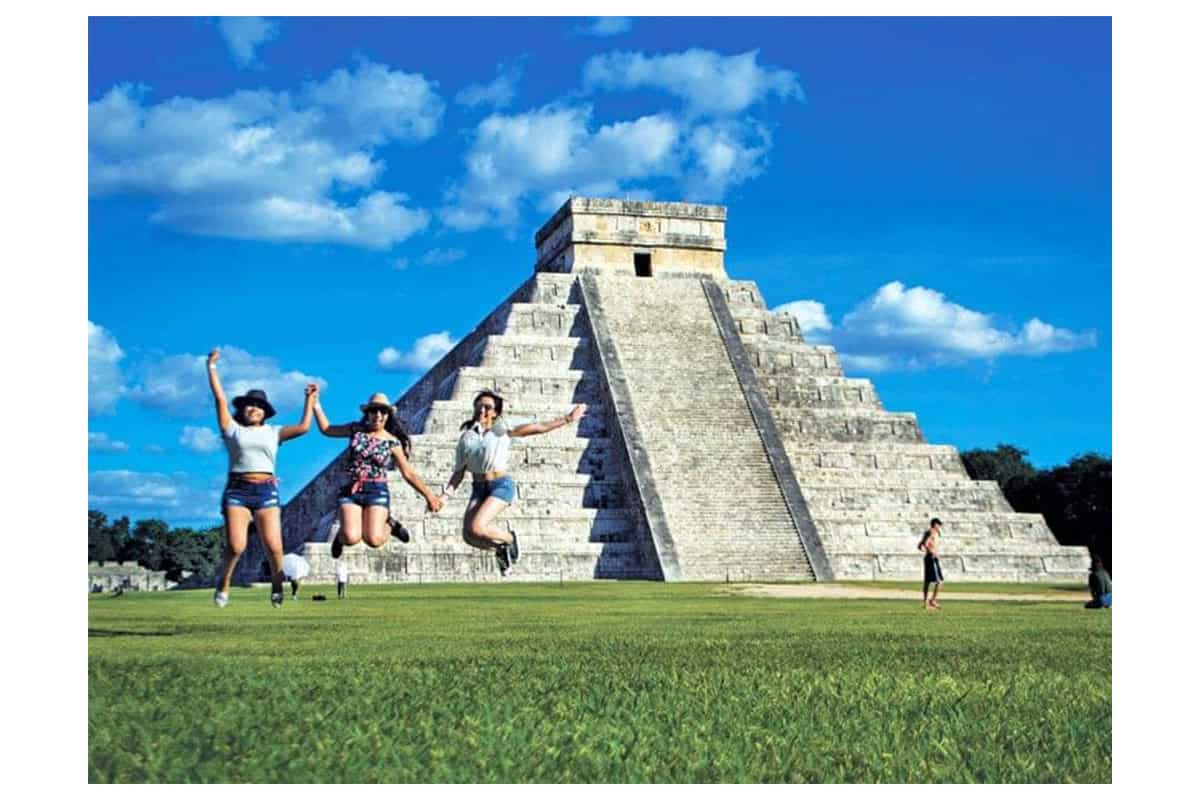
More than 7,000 visitors gathered at Mexico’s Chichén Itzá archaeological site as the famous Kukulcán serpent appeared through an extraordinary interplay of sunlight and shadow across the ancient Maya pyramid.
What makes the Kukulcán serpent phenomenon at Chichén Itzá so remarkable?
The famous Kukulcán serpent phenomenon occurs when afternoon sunlight strikes the northern side of El Castillo, also known as the Temple of Kukulcán, at a precise angle during the spring and autumn equinoxes.
As sunlight moves across the pyramid, seven isosceles triangles of light and shadow gradually appear along the northern balustrade. Together, the geometric shapes create the visual impression of a luminous serpent descending towards the carved serpent head positioned near the base of the monumental structure.
The phenomenon has become one of the most recognisable cultural experiences associated with Chichén Itzá and demonstrates the sophisticated astronomical and architectural knowledge attributed to the ancient Maya.
Advertisement
Advertisement
How long does the serpent of light remain visible?
The extraordinary light-and-shadow display, known as the hierophanies of the equinoxes, generally lasts between 10 and 30 minutes.
Its short duration makes the experience particularly dependent on weather conditions, the position of the sun and the precise timing of the observation. Visitors gathered across the esplanade in front of El Castillo to watch the changing shadows as the serpent-like pattern gradually formed on the pyramid.
Advertisement
Advertisement
The event can be especially challenging during the autumn equinox because the rainy season may not yet have ended in the Yucatán region. Clouds can therefore obscure the sunlight needed to produce the distinctive pattern.
This year, however, breaks in the cloud cover allowed visitors to see the phenomenon despite intermittent weather conditions.
Why does El Castillo have 365 steps?
El Castillo was constructed as a geometric pyramid featuring nine truncated levels, each progressively smaller towards the summit, with a temple positioned at the top.
Four central staircases lead towards the upper temple. Each staircase contains 91 steps, producing a total of 364 steps across the four sides.
When the platform supporting the pyramid is included, the number becomes 365, corresponding precisely to the number of days in the Maya civil year.
The design reflects the relationship between architecture, astronomy and the seasonal cycles that were fundamental to ancient Maya society.
Advertisement
Advertisement
According to Mexico’s National Institute of Anthropology and History, the calculations demonstrate the precision with which the ancient Maya observed the movement of the sun and changing seasons.
When did the equinox occur at Chichén Itzá this year?
The National Institute of Anthropology and History, known as INAH, said the precise instant of this year’s equinox occurred at 3:51 p.m. on Monday.
The timing was particularly significant for visitors hoping to witness the sunlight interacting with the geometry of El Castillo.
Rather than being a single static image, the phenomenon develops as the sun changes position. The triangular patches of light gradually produce the appearance of movement along the pyramid, creating what observers see as a serpent descending towards the carved head.
This interaction between celestial movement and architectural design has helped establish the equinox event as one of Chichén Itzá’s most significant annual attractions.
How did Mexico prepare for the influx of visitors?
INAH implemented a special operation beginning on Sunday to manage tourists arriving at Chichén Itzá for the phenomenon.
Advertisement
Advertisement
The light-and-shadow effect was visible from Sunday through Tuesday, providing visitors with several opportunities to observe the event around the equinox.
More than 7,000 visitors were recorded at Chichén Itzá between Sunday and Tuesday, highlighting the continuing international and domestic interest in the archaeological site’s astronomical heritage.
The visitor operation also reflected the practical challenges of managing large crowds around one of Mexico’s most important archaeological and cultural tourism attractions.
Why is Chichén Itzá important to Maya heritage?
Chichén Itzá provides a remarkable example of how ancient Maya architecture incorporated astronomical observations, calendars and seasonal cycles.
El Castillo’s dimensions and arrangement are closely connected with numerical patterns associated with the Maya calendar. The relationship between its four staircases, 364 steps and the additional platform is particularly striking because it corresponds to the 365-day Maya civil year.
The equinox phenomenon adds another layer to the site’s cultural significance. The changing position of sunlight produces an effect that links the movement of the sun with the architectural form of the pyramid.
Advertisement
Advertisement
INAH has described this precision as evidence of the ancient Maya’s detailed observation of solar movements and seasonal cycles, which were fundamental to agricultural activities.
Why can autumn weather affect the serpent phenomenon?
Weather remains one of the biggest variables for anyone hoping to witness the Kukulcán serpent.
The autumn equinox occurs before the rainy season has completely ended in the Yucatán region. As a result, cloud cover can appear during the period when sunlight is needed to illuminate the northern balustrade of El Castillo.
Even small changes in cloud cover can affect how clearly the seven triangular patches of light are visible.
This year followed that pattern, with clouds temporarily obscuring the phenomenon. However, sufficient gaps in the cloud cover allowed visitors gathered at the archaeological site to witness the distinctive serpent-like pattern.
How popular has Chichén Itzá become with cultural tourists?
Chichén Itzá continues to rank among Mexico’s most important cultural tourism attractions.
Advertisement
Advertisement
According to Mexico’s Tourism Ministry, the archaeological site surpassed Teotihuacán and Tulum last year to become the country’s most visited cultural tourism site.
The popularity of the equinox phenomenon adds another major draw to the destination’s existing archaeological appeal.
For visitors, the combination of monumental Maya architecture, astronomical symbolism and a naturally occurring interaction between sunlight and stone creates an experience that cannot simply be replicated through conventional cultural sightseeing.
The annual serpent phenomenon therefore continues to connect modern tourism with one of the most distinctive achievements of ancient Maya architecture.
What does the Kukulcán serpent reveal about ancient Maya knowledge?
The phenomenon illustrates how architecture at Chichén Itzá could be designed to interact with predictable celestial movements.
The carefully calculated geometry of El Castillo produces the seven triangular shadows that resemble the body of a serpent. The effect is particularly striking because the pattern appears to move down the pyramid towards the carved serpent head.
Advertisement
Advertisement
Beyond its visual appeal, the phenomenon demonstrates the close relationship between astronomy, architecture, agriculture and timekeeping in ancient Maya culture.
The thousands of visitors who gathered at Chichén Itzá this year were therefore witnessing more than a seasonal attraction. They were observing an architectural phenomenon rooted in centuries-old Maya knowledge of the sun, the calendar and the changing seasons.
Advertisement
