

Dubai Alongside Riyadh and Dammam Faces Fresh Travel Uncertainty as KLM Prolongs Flight Cancellations Until October 31

Published
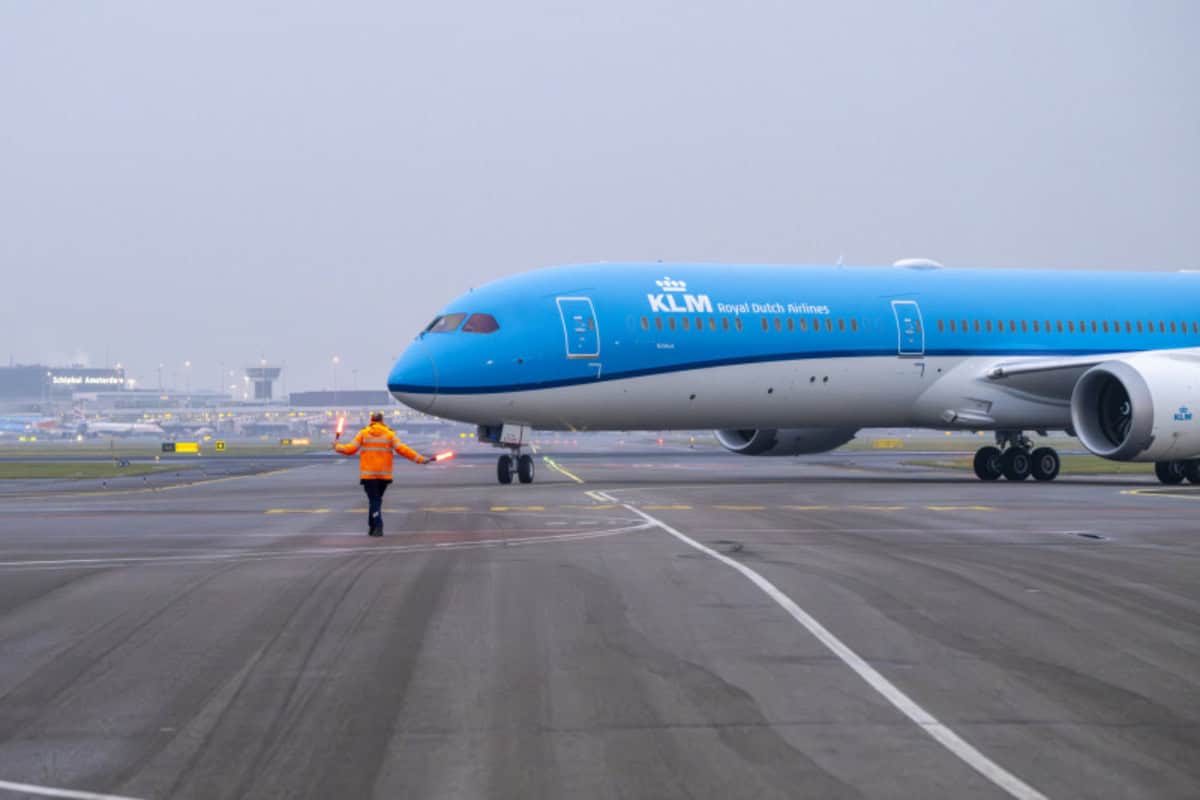
Dubai in the United Arab Emirates and Riyadh and Dammam in Saudi Arabia will remain affected by KLM Royal Dutch Airlines’ extended flight cancellations until 31 October 2026, following a decision announced on 10 October as regional security concerns continue to disrupt air travel between Europe and the Middle East. The Dutch carrier has extended its previous suspension deadline of 24 October by another seven days, affecting passengers travelling through Amsterdam Schiphol Airport and those planning journeys to the Gulf for business, tourism and connecting travel. KLM is monitoring regional developments and has not confirmed when regular services to these destinations will resume. The airline has also introduced rebooking, travel voucher and refund arrangements for eligible passengers whose journeys have been disrupted.
KLM Extends Dubai, Riyadh and Dammam Flight Suspensions as Gulf Travel Faces Further Uncertainty
KLM Royal Dutch Airlines has confirmed another extension to its Middle East flight suspension, keeping Dubai, Riyadh and Dammam outside its operating network until the end of October. The announcement marks another setback for passengers expecting services to resume before the month concludes. According to the airline’s official statement published on 10 October 2026, the suspension covers flights to the three destinations through Saturday, 31 October. Earlier plans had kept the routes suspended until 24 October, but the latest revision adds another week of cancellations.
Advertisement
Advertisement
The move reflects continuing uncertainty surrounding regional security and the conditions required for airlines to operate safely. KLM has maintained that passenger and crew safety remains central to its operational decisions. For international travellers, the latest extension means the disruption will continue through the remainder of October, including a period when holidaymakers, corporate travellers and travel companies may already have confirmed their journeys. The airline has not announced a firm reopening date. Therefore, 1 November should not be treated as a guaranteed resumption date, and travellers with later bookings must continue monitoring their flight status.
Dubai and Saudi Arabia Flight Suspension Details: What Has Changed in October 2026?
KLM’s latest announcement affects three important destinations across the United Arab Emirates and Saudi Arabia. All three remain subject to the same suspension deadline, although their travel markets serve different purposes.
Advertisement
Advertisement
The updated position is as follows:
| Destination | Country | Airport code | Previous suspension deadline | Latest confirmed deadline |
|---|---|---|---|---|
| Dubai | United Arab Emirates | DXB | 24 October 2026 | 31 October 2026 |
| Riyadh | Saudi Arabia | RUH | 24 October 2026 | 31 October 2026 |
| Dammam | Saudi Arabia | DMM | 24 October 2026 | 31 October 2026 |
Source: KLM Royal Dutch Airlines, official Middle East operational statement, updated 10 October 2026.
Advertisement
Advertisement
The revised schedule demonstrates that the restrictions apply across more than one major Gulf travel market. Dubai is an important international tourism and transit destination, Riyadh is a key centre for corporate and government travel, and Dammam connects travellers with Saudi Arabia’s Eastern Province. Importantly, the suspension applies to KLM’s own services. It does not establish that Dubai, Riyadh or Dammam airports are closed to all international flights.
Dubai International Airport Faces Continued Disruption to KLM’s Amsterdam Connection
Dubai International Airport remains one of the most important destinations affected by the Dutch carrier’s decision. As a major global aviation gateway, Dubai serves international holidaymakers, business visitors and passengers transferring between different regions. KLM’s absence removes its services from the Amsterdam–Dubai market during the confirmed suspension period, affecting travellers who would normally use Amsterdam Schiphol as their departure airport or connecting point.
Advertisement
Advertisement
The disruption is particularly relevant for European travellers planning holidays in Dubai, business trips to the United Arab Emirates or onward journeys that depend on a KLM-operated connection. Passengers may need to consider alternative departure dates, revised itineraries or other airlines where suitable services remain available. However, available routes, ticket prices and connections will differ according to the traveller’s origin and destination.
Dubai’s wider tourism and aviation operations should not be confused with KLM’s specific decision. The suspension does not represent a closure of Dubai International Airport, nor does it mean that all services operated by Emirates, flydubai or other airlines have been suspended.
Riyadh and Dammam Flight Cancellations Add Further Pressure on Saudi Arabia Travel
Saudi Arabia is also affected by the extended suspension, with KLM maintaining its restrictions on flights serving Riyadh and Dammam. Both cities are significant destinations for international business travel, while Riyadh’s growing tourism and events sector has increased its importance within the kingdom’s wider visitor economy. Riyadh serves government organisations, major companies, international conferences and leisure travellers visiting the Saudi capital. Dammam, meanwhile, provides access to the Eastern Province, a region associated with energy, industry, business activity and domestic tourism.
The suspension could affect passengers with meetings, conferences or pre-arranged travel programmes involving either destination. Business travel agencies may need to identify alternative connections and confirm whether replacement journeys meet their clients’ schedules. KLM has not announced separate reopening arrangements for Riyadh and Dammam. Both remain included in its broader Middle East suspension through 31 October.
Advertisement
Advertisement
Why Middle East Security Concerns Are Keeping KLM Flights Grounded
The continued suspension is linked to the wider geopolitical and security situation affecting aviation across the Middle East. KLM’s official travel advisory identifies regional security concerns as the reason for adjustments to its network. It also states that the airline is avoiding Iranian and Iraqi airspace, together with airspace over several Gulf countries. Airspace restrictions can influence the routes available to airlines, particularly when services require passage through regions affected by military activity or security warnings.
The implications extend beyond the availability of a particular airport. Airlines must assess whether an entire journey can be completed safely, including the planned route, possible diversions and operational requirements. KLM’s decision reflects these continuing considerations. The airline’s position has changed repeatedly since the regional disruption began in February 2026, with several extensions announced as operating conditions evolved. Its latest update demonstrates that the company has not yet identified conditions suitable for restoring its regular Dubai, Riyadh and Dammam services.
Lufthansa, British Airways, SWISS and Other Airlines Highlight Wider Travel Uncertainty
KLM’s cancellations come amid broader disruption and schedule adjustments affecting international aviation in the Middle East. Other international airlines, including Lufthansa, British Airways, Eurowings and SWISS, have been associated with changes to regional services during the period of heightened security concerns. Airlines based in Asia, including South Korea and Singapore, have also faced decisions about operating in or around affected airspace.
However, individual airlines have different schedules, operational requirements and safety assessments. Their suspension periods should not automatically be treated as identical to KLM’s confirmed 31 October deadline. Insurance availability has also been raised as an industry concern, particularly for foreign airlines operating in higher-risk areas. Such considerations may influence carrier decisions alongside route access and security assessments. A specific insurance-related reason for KLM’s latest extension has not been established in its official announcement.
Meanwhile, UAE-based carriers continue publishing travel updates and flight schedules. Emirates’ official timetable includes Dubai services during October, while flydubai’s operational information confirms that its network continues to operate, subject to individual service arrangements. This distinction is important for travellers. The regional situation does not affect every airline in the same way, and alternative flights should be checked individually rather than assumed to be operating normally.
KLM Refunds, Free Rebooking and Travel Vouchers Offer Options for Affected Passengers
Passengers affected by the cancellations have several options under KLM’s published Middle East travel policy. The airline’s travel advisory, last updated on 9 October, provides special arrangements for eligible tickets involving Dubai, Riyadh and Dammam. The published waiver covers travel dates between 28 February and 15 November 2026 for tickets originally issued on or before 9 October 2026.
Advertisement
Advertisement
The available arrangements include:
- Free date changes: Eligible passengers can change travel dates without a change fee when the same booking class remains available, with the revised departure scheduled no later than 15 December 2026.
- Full refunds: Passengers whose KLM flights are cancelled can request reimbursement for their tickets and purchased extras.
- Travel vouchers: Eligible passengers can request vouchers valid for one year from issuance, subject to the airline’s published conditions.
- Online booking management: Passengers can use KLM’s My Trip portal or mobile application to review their bookings and available alternatives.
- Travel agency assistance: Customers who purchased tickets through third-party agencies should contact their booking providers for assistance.
Passengers should distinguish between an airline-issued cancellation and a voluntary decision not to travel, as different conditions may apply. KLM has also indicated that passengers affected by cancellations will receive direct communication, making accurate contact information particularly important.
European Passenger Rights Protect Travellers Even When Security Disrupts Flights
European Union air passenger protection rules remain relevant to passengers affected by the cancellations. Under Regulation EC 261/2004, passengers whose flights fall within the legislation’s scope are generally entitled to choose between reimbursement and rerouting when a service is cancelled.
An important distinction exists between the right to a refund and the right to additional financial compensation. Airlines may be exempt from paying compensation when a cancellation results from extraordinary circumstances that could not have been avoided despite reasonable measures. Political instability and serious security risks can fall within this category, although the circumstances of each cancellation must be assessed.
Such exemptions do not automatically remove the airline’s responsibilities concerning reimbursement, rerouting and applicable passenger assistance. The European Commission’s passenger-rights guidance explains these protections, including the obligation to offer appropriate alternatives when flights are cancelled. For KLM passengers, reviewing official airline communications and retaining ticket records, cancellation notices and expense receipts can help support any subsequent claim.
What Travellers and Tour Operators Should Expect Before November 2026
The extended suspension creates another period of uncertainty for travellers planning journeys between Europe, Dubai and Saudi Arabia. For passengers with departures scheduled before 1 November, KLM’s official announcement establishes that the affected services will not operate during the current suspension period. For November bookings, the situation remains less certain. The 31 October deadline identifies the end of the confirmed suspension, but it does not guarantee that services will resume immediately afterwards.
Advertisement
Advertisement
Travellers should check the operating airline before booking alternatives, particularly when itineraries involve connections or multiple carriers. The latest announcement reinforces the importance of flexible booking arrangements and verified airline information during a period of continuing regional aviation disruption. As of 12 October 2026, KLM’s official position remains clear: its Dubai, Riyadh and Dammam services will not operate through 31 October, while the date of their eventual return remains unconfirmed.
Advertisement
