
China Teams Up with Malaysia and More in Fueling Australia Tourism Growth Amid Strong Decline in Demand from Asia and Regional Markets in 2026

Published
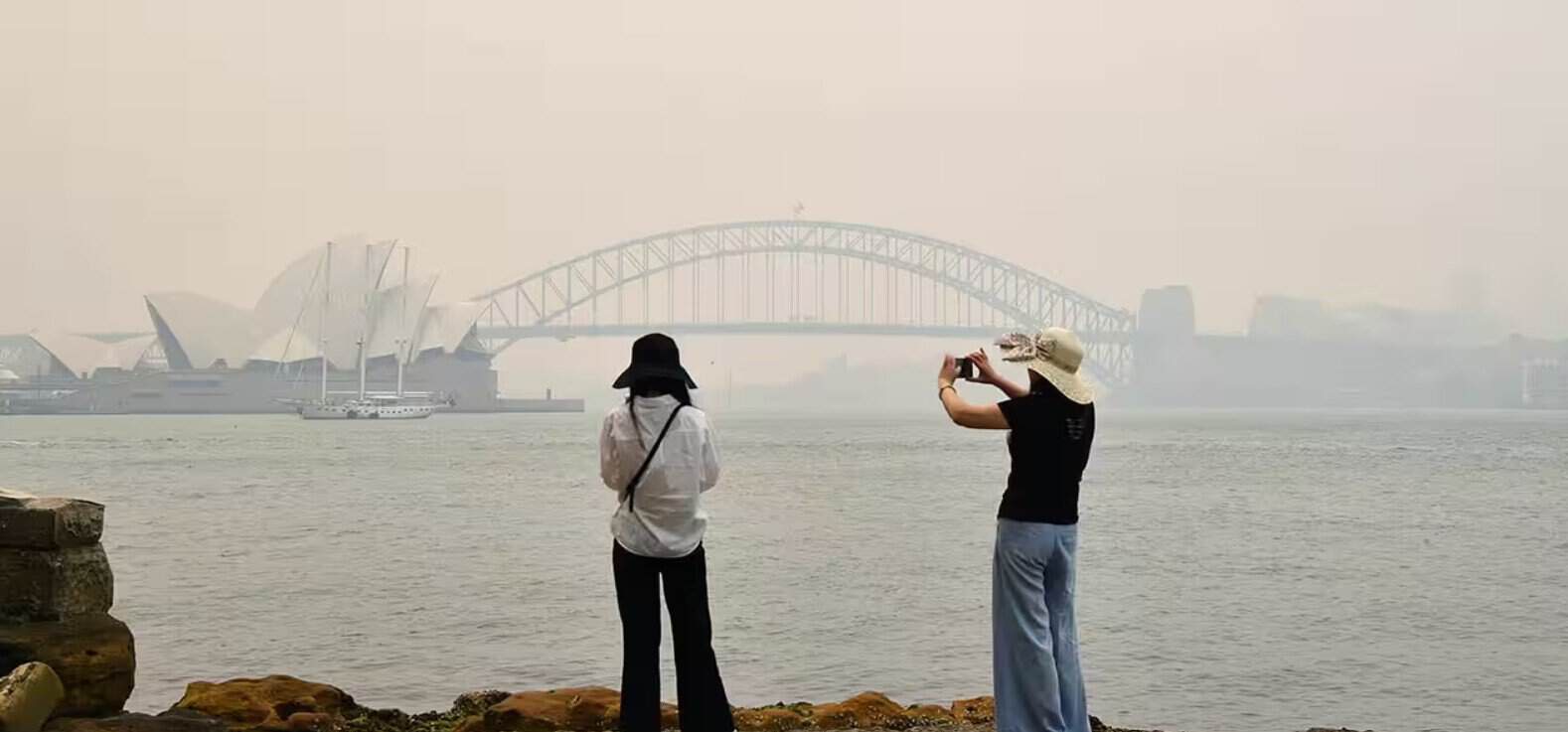
Image generated with Ai
Australia’s international visitor economy has a complex, multi-speed recovery in 2026, with impressive growth in total inbound arrivals throughout much of the year. However, recent statistics show that the Australian Government is likely to experience a contraction in visitor demand in downstream Asian and regional markets. While the ongoing tourism resilience is due, in part, to international arrivals from China, Japan, and Malaysia, strong visitor demand in Asia has been especially good for Australia. This study combines the latest official data and provides an in depth analysis of international demand in order to understand the implications for Australia’s visitor economy. The study also evaluates existing government policy levers that are designed to support the visitor economy on its path to potentially reaching $40.9 billion by 2030.
Background: The Complex Landscape of Australia Tourism Growth in 2026
The global travel environment has shifted dramatically throughout 2026, presenting both unprecedented opportunities and unique structural challenges for the Australian visitor economy. As international borders fully normalised and airline capacity stabilised, the baseline expectation from government agencies was a rapid, uniform recovery across all traditional visitor markets. However, the reality of Australia tourism growth has proven to be highly nuanced, functioning on a multi-speed trajectory that varies wildly depending on the geographic origin of the tourists.
According to the latest insights published by Tourism Research Australia (TRA) and the Australian Bureau of Statistics (ABS), the overall inbound market is currently experiencing significant turbulence. While the nation boasts strong overall economic yields driven by a robust recovery in specific high-spending markets, there is a pronounced and unexpected contraction occurring across broader regional Asian sectors. Understanding this complex landscape is vital for policymakers, domestic operators, and international investors who rely on the continued expansion of the country’s $81.1 billion tourism GDP.
A Year of Contrasts for Inbound Arrivals
The narrative defining 2026 is undoubtedly a year of sharp statistical contrasts. Early indicators in the first quarter painted an exceptionally positive picture. In February 2026, short-term visitor arrivals surged to 943,220, representing a remarkable 19.7% increase compared to the previous year. This initial boom suggested that the international visitor economy was hurtling towards record-breaking volumes. During this period, the nation witnessed a strong return of international students, corporate travellers, and leisure tourists capitalising on expanded aviation routes.
Advertisement
Advertisement
However, as the year progressed into the second quarter, this momentum began to stall abruptly. The ABS data for May and June 2026 highlighted a stark reversal in fortunes, signalling a broader regional slowdown. This juxtaposition—record highs in the first quarter followed by a noticeable contraction in the second—has forced federal agencies to rapidly reassess their forward projections and marketing strategies. The contrast highlights the extreme volatility that characterises the modern travel era, where geopolitical shifts, inflationary pressures, and currency valuations can instantly redirect global tourism flows.
Advertisement
Advertisement
The Importance of International Expenditure
While visitor numbers provide a valuable metric for tracking physical arrivals, the true barometer of Australia tourism growth is international expenditure. The federal government’s primary strategic focus has decisively shifted away from merely counting passenger heads, pivoting instead towards maximising the financial yield of every international arrival. This philosophy is deeply embedded in the strategic frameworks released by Austrade and Tourism Australia throughout 2026.
For the year ending March 2026, international visitors injected a staggering $40.9 billion into the domestic economy. This represents a phenomenal 20% year-on-year increase in spending, vastly outpacing the 10% growth in sheer physical trips. This data underscores a critical economic reality: although the volume of tourists from certain regional markets is declining, the visitors who are arriving are spending substantially more on premium accommodations, extended regional tours, and bespoke culinary experiences. The ongoing viability of the tourism sector now depends entirely on sustaining this high-yield demographic.
Latest Official Developments: Analysing the 2026 Trajectory
To fully comprehend the shifting sands of the Australian visitor economy, one must delve deeply into the granular data sets released by the ABS. The month-to-month tracking of overseas arrivals and departures offers the most accurate, unfiltered perspective on how international demand is evolving in real time. The latest official developments paint a picture of a sector that is actively transitioning, requiring immediate strategic interventions from both the public and private sectors.
The statistical releases from the ABS serve as the foundation upon which federal policies, such as the newly announced Tourism 2035 strategy, are constructed. By analysing the precise volume, duration, and origin of these arrivals, government agencies can pinpoint exactly where marketing funds need to be deployed to mitigate the ongoing regional decline.
Tourism Research Australia’s March 2026 Baseline
The conclusion of the first quarter established a powerful baseline for the year. According to the ABS, March 2026 recorded 818,990 short-term visitor arrivals, reflecting a solid 7.6% increase on the same period a year earlier. Total arrivals for the month, encompassing all visa categories, reached 1,826,980, representing an 8.2% annual growth. This period was characterised by robust demand across the board, bolstered by international events, favourable late-summer weather conditions, and a surge in educational arrivals.
Advertisement
Advertisement
Simultaneously, Tourism Research Australia confirmed that for the year ending March 2026, international trips to Australia reached 9.2 million. This data point was celebrated by industry bodies as a clear indicator that the structural foundations of the visitor economy were exceptionally strong. The March baseline set high expectations for the remainder of 2026, establishing a benchmark against which the subsequent quarters would be rigorously evaluated.
The June 2026 Statistical Contraction
Unfortunately, the optimism generated in the first quarter did not sustain itself into the winter months. The ABS Overseas Arrivals and Departures report for May 2026 revealed the first major cracks in the recovery, with short-term visitor arrivals slipping to 609,040—a minor but symbolically significant decrease of 0.4% from the previous year. However, it was the June 2026 release that confirmed a severe contraction.
In June 2026, short-term visitor arrivals plummeted to 566,910, representing a sharp 9.2% decrease compared to June 2025. This substantial decline effectively erased the volume gains made earlier in the year and triggered widespread concern across the accommodation and hospitality sectors. This contraction was not uniform; rather, it was heavily concentrated within specific Asian and regional markets, highlighting a growing vulnerability in Australia’s traditional inbound demographics. The sudden drop forced a rapid reassessment of international marketing campaigns and accelerated the rollout of targeted government interventions.
The Trio Powering Inbound Expenditure: China, Japan, and Malaysia
Amidst the broader regional downturn recorded in mid-2026, three specific markets have emerged as the crucial pillars supporting the national visitor economy. China, Japan, and Malaysia have consistently defied the broader downward trend, injecting vital capital and passenger volumes into the Australian market. The sustained performance of these three nations is currently the primary engine driving Australia tourism growth, compensating for the significant shortfalls experienced in other neighbouring jurisdictions.
The reliance on this trio highlights a fascinating shift in international travel behaviour. While other markets have retreated due to economic caution, tourists from China, Japan, and Malaysia continue to view Australia as a premier, safe, and highly desirable destination. Understanding the unique characteristics and motivations of these specific demographics is essential for forecasting the sector’s trajectory through the remainder of the decade.
Advertisement
Advertisement
China’s Role in Sustaining Australia Tourism Growth
The resurgence of the Chinese outbound market has been the most critical factor in stabilising the Australian tourism sector in 2026. Following years of suppressed travel, Chinese arrivals have rebounded with exceptional vigour. However, the nature of this market has evolved significantly. While the era of massive, low-yield bus tours has diminished, there has been a profound surge in Free Independent Travellers (FITs) from mainland China. These tourists are typically younger, highly educated, and overwhelmingly focused on premium, experiential travel.
Chinese visitors in 2026 are heavily prioritising eco-tourism, high-end culinary experiences, and luxury regional accommodations. Their per capita expenditure has surged, directly contributing to the $40.9 billion total international spend recorded by TRA. Furthermore, expanded direct aviation capacity between major Chinese hubs and secondary Australian cities like Adelaide and Perth has facilitated a more even distribution of this wealth across the continent. The federal government continues to view China as the indispensable cornerstone of its long-term visitor economy strategy.
Japan’s Consistent Contribution to the Visitor Economy
Japan has long been a foundational market for Australian tourism, and its performance in 2026 has provided a vital layer of stability amidst regional volatility. The Japanese market is characterised by high repeat visitation rates, a deep appreciation for Australia’s natural environment, and a strong preference for secure, highly organised travel experiences. Despite broader economic pressures within Japan, the desire to travel to Australia has remained remarkably resilient.
A key driver of this consistency is the deep, historical alignment between the two nations regarding cultural exchange and educational tourism. Japanese tourists are leading the demand for bespoke nature-based experiences, actively seeking out destinations that offer pristine environments and unique wildlife encounters. Additionally, the Japanese market has been highly responsive to Tourism Australia’s targeted marketing campaigns, which heavily promote the safety, cleanliness, and premium quality of the Australian tourism product. This reliable influx of Japanese capital is crucial for operators in Queensland and New South Wales.
Malaysia’s Expanding Significance in the Market
Perhaps the most impressive success story of 2026 is the rapid expansion of the Malaysian inbound market. Malaysia has transitioned from a secondary source market to a primary driver of Australia tourism growth. This surge is heavily supported by the robust Visiting Friends and Relatives (VFR) demographic, bolstered by the large Malaysian diaspora residing in Australia. Furthermore, Malaysia remains one of the largest sources of international students, creating a constant, reliable pipeline of ancillary tourism from visiting family members.
Advertisement
Advertisement
Aviation connectivity has played a monumental role in this success. Aggressive route expansions by low-cost carriers and full-service airlines connecting Kuala Lumpur directly to major Australian capitals have drastically reduced the cost and friction of travel. Malaysian tourists are increasingly exploring beyond the traditional eastern seaboard, driving significant growth in Western Australia and South Australia. Their willingness to travel during off-peak seasons has provided invaluable year-round revenue for domestic hospitality businesses.
The Strong Decline in Demand From Broader Asian and Regional Markets
While the success of China, Japan, and Malaysia provides a crucial buffer, it is impossible to ignore the severe contraction occurring across the broader Asian and regional landscape. The ABS statistics from Q2 2026 expose a deep, structural decline in demand from traditionally reliable markets such as Singapore, South Korea, Indonesia, and broader Oceania. This downturn is not a mere statistical blip; it represents a fundamental shift in regional consumer behaviour that threatens to undermine the federal government’s ambitious growth targets.
The decline in these regional markets is deeply concerning for domestic operators who rely on high-frequency, short-haul arrivals. The sudden absence of these visitors has left a noticeable void in the budget accommodation sector, domestic aviation networks, and major metropolitan retail precincts. Analysing the root causes of this regional exodus is the primary focus of contemporary federal policy.
What the ABS Figures Tell Us About Q2 2026
The severity of the situation is explicitly detailed in the ABS Overseas Arrivals and Departures data. The transition from a 0.6% growth rate in April to a 0.4% contraction in May, culminating in the severe 9.2% collapse in June 2026, illustrates a rapidly deteriorating environment. The data reveals that the drop off is primarily concentrated in the short-term leisure category, indicating that regional tourists are actively choosing to holiday elsewhere, or are abandoning international travel altogether.
Furthermore, the data shows a concurrent decline in short-term resident returns, which fell by 4.9% in May 2026. This suggests that the economic pressures suppressing inbound tourism from regional Asia are simultaneously restricting the ability of Australians to travel outbound. The reciprocal nature of this decline highlights a broader macroeconomic stagnation affecting the wider Asia-Pacific region, severely impacting bilateral tourism flows.
Advertisement
Advertisement
Economic and Geopolitical Factors Behind the Regional Slowdown
The causes of this strong decline in regional demand are multifaceted, rooted in a combination of harsh economic realities and shifting geopolitical dynamics. Foremost among these is the escalating cost of living crisis affecting much of Southeast Asia. Persistent inflation, coupled with stagnating wage growth in several regional economies, has drastically reduced discretionary income. For many middle-class families in these regions, long-haul travel to an inherently expensive destination like Australia is no longer financially viable.
Additionally, currency fluctuations have played a highly detrimental role. The relative strength of the Australian dollar against several regional Asian currencies has drastically reduced the purchasing power of inbound tourists, making competing destinations in Europe or North America appear more financially attractive. Furthermore, intense competition from aggressively subsidised tourism markets in the Middle East has successfully diverted a substantial portion of the traditional Asian outbound market away from the Oceania region.
Government Announcements and Strategic Policy Shifts
In direct response to the volatile statistical environment of 2026, the Australian federal government has enacted a series of aggressive policy shifts and funding announcements. The objective is clear: to insulate the domestic economy from regional downturns by heavily investing in structural resilience, premium marketing, and sustainable infrastructure. These official announcements represent a concerted effort by the state to guarantee the long-term viability of Australia tourism growth.
The government’s approach is highly coordinated, involving the Department of Foreign Affairs and Trade (DFAT), Tourism Australia, and Austrade. By aligning immigration policies, infrastructure spending, and international marketing under a singular strategic vision, the federal apparatus is attempting to engineer a highly controlled, high-yield visitor economy that is impervious to short-term regional shocks.
THRIVE 2030: Reaching the $230 Billion Visitor Target
The cornerstone of the government’s response is the THRIVE 2030 strategy. On 12 February 2026, the Minister for Trade and Tourism, Senator Don Farrell, launched the next action plan for this ambitious national strategy, explicitly aimed at achieving $230 billion in visitor expenditure by the end of the decade. This updated framework acknowledges the current regional headwinds but maintains an aggressively optimistic long-term posture.
Advertisement
Advertisement
To stimulate immediate demand, the government announced a massive $130 million investment to fund the second stage of Tourism Australia’s highly successful “Come and Say G’day” international marketing campaign. Furthermore, $18.5 million has been specifically allocated to enhance globally iconic natural attractions, primarily focusing on the Red Centre and the Great Barrier Reef. This funding is designed to elevate the quality of the domestic offering, ensuring that Australia remains a premium, must-visit destination capable of attracting high-spending tourists despite global economic pressures.
The Tourism 2035 Strategy: Chasing High-Yield Travellers
Complementing the immediate actions of THRIVE 2030, Tourism Australia released its visionary “Tourism 2035” plan on 5 August 2026. This 10-year strategic masterplan represents a fundamental pivot in how the nation markets itself globally. The explicit goal of Tourism 2035 is to grow total overnight high-yield traveller spend to between $61 billion and $69 billion over the next decade. This strategy definitively abandons the pursuit of sheer volume, focusing entirely on attracting visitors who generate maximum economic impact with minimal environmental footprint.
The Tourism 2035 strategy identifies ten global factors influencing future travel demand, including the continuation of the “Asian Century” and the rise of geopolitical volatility. A major priority outlined in the plan is “marketing to humans and machines”—ensuring that Australia’s tourism offerings are seamlessly integrated into the algorithms and Artificial Intelligence systems that increasingly dictate global travel bookings. By leveraging advanced technology and redefining Australia’s luxury positioning, the government aims to capture the most lucrative segments of the global market.
Legislative Changes and the Migration Amendment Act 2026
Beyond marketing and infrastructure, the federal government has also moved to secure the administrative and border frameworks supporting the visitor economy. A highly significant development occurred on 14 March 2026, when the Migration Amendment (2026 Measures No. 1) Act officially came into effect. This new legislation grants the Minister for Immigration sweeping new powers to temporarily restrict travel to Australia for certain offshore temporary visa holders during periods of international risk or severe disruption.
While this legislation is primarily framed as a border security measure, its implications for the tourism sector are profound. By possessing the legislative mechanism to rapidly halt specific visa classes during global crises—such as regional conflicts or major health emergencies—the government can protect the integrity of the domestic border while ensuring that legitimate, high-yield tourism channels remain unimpeded. This regulatory agility is viewed as essential for maintaining international confidence in Australia as a safe, stable destination.
Advertisement
Advertisement
Extensive Statistics and Economic Implications
The fluctuations in international arrivals carry monumental economic implications that ripple through every sector of the Australian economy. Tourism is not a siloed industry; it is a massive, interconnected ecosystem that heavily dictates national employment rates, retail spending, and regional development. The official statistics published in 2026 highlight just how heavily the nation relies on the sustained momentum of Australia tourism growth.
Analysing the financial yield and employment data provides a sobering perspective on the stakes involved. Every percentage drop in regional Asian arrivals equates to hundreds of millions of dollars in lost revenue, underscoring the vital importance of the compensatory growth provided by the Chinese, Japanese, and Malaysian markets.
Tracing the Spend: How 9.2 Million Visitors Alter the Economy
The financial impact of the 9.2 million international trips recorded in the year ending March 2026 is staggering. The $40.9 billion injected by these visitors directly fuels thousands of downstream supply chains. According to TRA, the broader tourism GDP for the 2024-25 financial year reached $81.1 billion, representing 2.9% of Australia’s total national Gross Domestic Product. This capital flows directly into regional aviation networks, domestic agricultural suppliers, and independent retail sectors.
Crucially, the data shows that while overall traveller volume across all sectors (domestic and international) grew by 6% to 405.4 million trips, total spending surged by 10% to $197.9 billion. This confirms the success of the government’s high-yield strategy. International tourists, particularly those from the strong-performing Asian trio, are staying longer and spending more aggressively on premium services, effectively subsidising the losses incurred by the contraction in broader regional demand.
Employment Implications: Supporting 726,000 Australian Jobs
The visitor economy is one of the most critical employment engines in the country. The ABS Quarterly Tourism Labour Statistics released in June for the March quarter of 2026 revealed that there were 726,800 tourism jobs nationwide. This represents an increase of 29,500 jobs (4.2%) compared to the March quarter of 2025, meaning that one in every 22 filled jobs across the entire Australian economy is directly reliant on tourism.
Advertisement
Advertisement
However, the sector remains highly fragile. The same Austrade report highlighted that the five-year survival rate for tourism-related businesses is only 56%, significantly lower than the 63% average for all Australian businesses. Operators are currently battling severe structural pressures, including acute national shortages of tour guides, chefs, and travel consultants, compounded by escalating energy and insurance costs. If the decline in regional Asian arrivals accelerates, these vulnerable businesses will face intense pressure to reduce their workforce.
Industry Impact: How Domestic Operators are Adapting
Faced with a rapidly changing demographic landscape and shifting government policies, the domestic tourism industry is undergoing a period of intense, forced evolution. Operators can no longer rely on the passive, high-volume arrival models of the past decade. Instead, businesses across the spectrum are actively pivoting their operations to align with the new realities of the 2026 market, focusing heavily on extracting maximum value from the resilient markets of China, Japan, and Malaysia.
This adaptation requires significant capital investment and a fundamental rethinking of the traditional customer experience. From major hotel conglomerates to independent regional tour guides, the entire supply chain is restructuring to meet the demands of a more discerning, high-yield international consumer.
The Accommodation Sector and the Push Towards Premium Offerings
The most visible transformation is occurring within the domestic accommodation sector. Recognising the decline in budget-conscious regional Asian travellers, major hoteliers and independent operators are aggressively upgrading their properties to cater to the luxury and premium markets. There is a concerted nationwide push to develop high-end eco-lodges, boutique luxury hotels, and bespoke wellness retreats designed specifically to capture the high-spending demographics highlighted in the Tourism 2035 strategy.
This pivot involves significant capital expenditure on sustainable architecture, advanced digital integration, and premium culinary partnerships. By elevating the standard of the physical product, the accommodation sector aims to justify higher nightly yields, ensuring profitability even if overall occupancy rates decline due to the regional downturn in sheer volume.
Advertisement
Advertisement
Business Survival Rates and Cost Pressures in 2026
Despite the strategic pivots, the operating environment for tourism businesses remains extraordinarily difficult in 2026. As noted by Austrade, the lower-than-average business survival rate is heavily driven by unprecedented operational costs. Smaller tourism businesses are bearing the brunt of soaring logistical expenses, exorbitant public liability insurance premiums, and persistent supply chain disruptions linked to global geopolitical tensions.
Furthermore, the industry is severely constrained by an ongoing labour crisis. The Jobs and Skills Australia Occupation Shortage List continues to identify critical deficits in essential tourism roles, severely limiting the capacity of operators to expand their services. To survive, many businesses are turning towards automation and AI integration, streamlining their operations to maintain service standards with a reduced human workforce.
Tourism, Business, and Public Impact Across the States
The impact of fluctuating international arrivals is not distributed evenly across the Australian continent. The multi-speed nature of Australia tourism growth has created distinct winners and losers at the state and territory levels. Some regions are experiencing unprecedented economic booms, while others are grappling with sudden contractions in business viability.
This geographic disparity requires highly targeted, state-specific interventions to ensure that the economic benefits of the visitor economy are distributed equitably. The federal government, in partnership with state tourism bodies, is aggressively deploying regional grants to stimulate demand in areas most affected by the Asian market downturn.
Regional Hotspots Benefiting from the International Influx
According to Austrade’s 2026 reports, tourism-related businesses recorded the strongest growth in Western Australia, the Australian Capital Territory, the Northern Territory, and Queensland. These regions have successfully capitalised on the influx of nature-based tourists from Japan and the expanding VFR and leisure markets from Malaysia. Conversely, Tasmania and Victoria experienced noticeable declines in tourism-related businesses, particularly across the accommodation and passenger transport sectors, reflecting their heavier historical reliance on the contracting regional Asian demographics.
Advertisement
Advertisement
To bolster the regions, the Albanese Government announced a highly targeted $5 million Red Centre Marketing Boost on 5 September 2026. This initiative, part of a broader $8.5 million investment under the THRIVE 2030 strategy, aims to drive immediate visitation to Central Australia, supporting local operators and showcasing vital First Nations cultural experiences. Such targeted regional funding is essential for decentralising the tourism economy away from the congested eastern capitals.
The Push for Nature-Based and Eco-Conscious Experiences
A dominant theme shaping the public impact of tourism in 2026 is the overwhelming shift towards sustainable, eco-conscious travel. The modern international tourist, particularly the high-yield demographics arriving from China and Japan, is demanding authentic, regenerative nature experiences that minimise environmental harm. This aligns perfectly with Tourism Australia’s “Green is Our Gold” initiative, which aggressively promotes responsible travel.
This shift is having a profoundly positive impact on the Australian public and environment. Operators are being financially incentivised to protect local ecosystems, reduce carbon emissions, and implement circular waste management systems. The pursuit of Australia tourism growth is no longer viewed as inherently destructive to the environment; rather, it is increasingly being leveraged as a primary funding mechanism for large-scale conservation efforts across the continent.
Expert and Official Statements on Sector Resilience
The unprecedented volatility of the 2026 visitor economy has prompted numerous statements from federal leaders and industry experts. These official perspectives provide a clear window into the prevailing governmental mindset, revealing a steadfast commitment to long-term structural reform over short-term reactionary measures. The unified messaging from Canberra is that the sector is fundamentally resilient and perfectly positioned to navigate the current regional headwinds.
Interpreting the Policy Focus from Austrade and Tourism Australia
Minister for Trade and Tourism, Don Farrell, has been unequivocal in his support for the sector’s strategic direction. Upon launching the THRIVE 2030 action plan, he stated, “The THRIVE 2030 vision is bold, as it should be. My ambition is for a tourism industry that provides world-leading services and experiences, while generating well-paid jobs and opportunities across Australia”. This sentiment underscores the government’s unwavering focus on premium service delivery over mass volume.
Advertisement
Advertisement
Assistant Minister for Tourism, Nita Green, reinforced this position, noting that travel and tourism are “crucial to communities around Australia, and it’s through well-planned strategies like this that we can continue to create opportunities and success for all of Australia”. Furthermore, industry leaders like Evan Hall, Chair of the Australian Tourism Industry Council, have strongly endorsed the government’s approach, highlighting the critical need to support small businesses in embracing AI and developing high-quality, sustainable experiences.
The Crucial Role of First Nations Cultural Experiences
A vital, explicitly stated component of the government’s official strategy is the elevation of First Nations cultural tourism. The THRIVE 2030 framework places a massive emphasis on incorporating Indigenous experiences into the broader national offering, recognising this as a unique, globally unrivalled asset. Official statements continually highlight that authentic engagement with First Nations history and culture is a primary driver for the high-yield international markets currently sustaining the sector. By empowering Indigenous operators, the government is simultaneously fostering equitable economic development and providing international visitors with the deeply meaningful, experiential travel they now demand.
Future Outlook: Preserving Australia Tourism Growth Towards 2030
As 2026 enters its final quarter, the forward outlook for the Australian visitor economy remains one of cautious, highly managed optimism. The structural decline in broader Asian demand is a definitive economic hurdle, yet the compensatory power of the Chinese, Japanese, and Malaysian markets provides a robust financial safety net. The ultimate success of the sector over the coming decade will depend entirely on the flawless execution of the THRIVE 2030 and Tourism 2035 strategies.
Strategies to Mitigate the Regional Asian Decline
To prevent the regional Asian contraction from metastasising, government agencies are executing highly targeted digital marketing campaigns designed to stimulate latent demand. By leveraging the advanced AI and algorithmic targeting outlined in the Tourism 2035 plan, Tourism Australia aims to bypass broader economic lethargy and connect directly with affluent micro-segments within those declining markets. The strategy is to surgically extract high-yield individuals from regions that are otherwise experiencing mass-market stagnation.
The Road Ahead for International Aviation Capacity
Underpinning all future growth is the absolute necessity of expanding international aviation capacity. According to TRA, incoming international airline seats reached 28.1 million for the year ending January 2026, representing a healthy 7% increase. Sustaining this momentum, particularly by subsidising new direct routes from emerging hubs in India and secondary Chinese cities, is the ultimate key to insulating the market. As long as the planes continue to fly, and the strategic focus remains locked on high-yield sustainability, the trajectory of Australia tourism growth remains fiercely protected against the unpredictable winds of global economic change.
Advertisement
