

Miami Carnival Meets Art Basel and More Massive Events Trigger a Surprise 2026 Tourism Rush Across US

Published
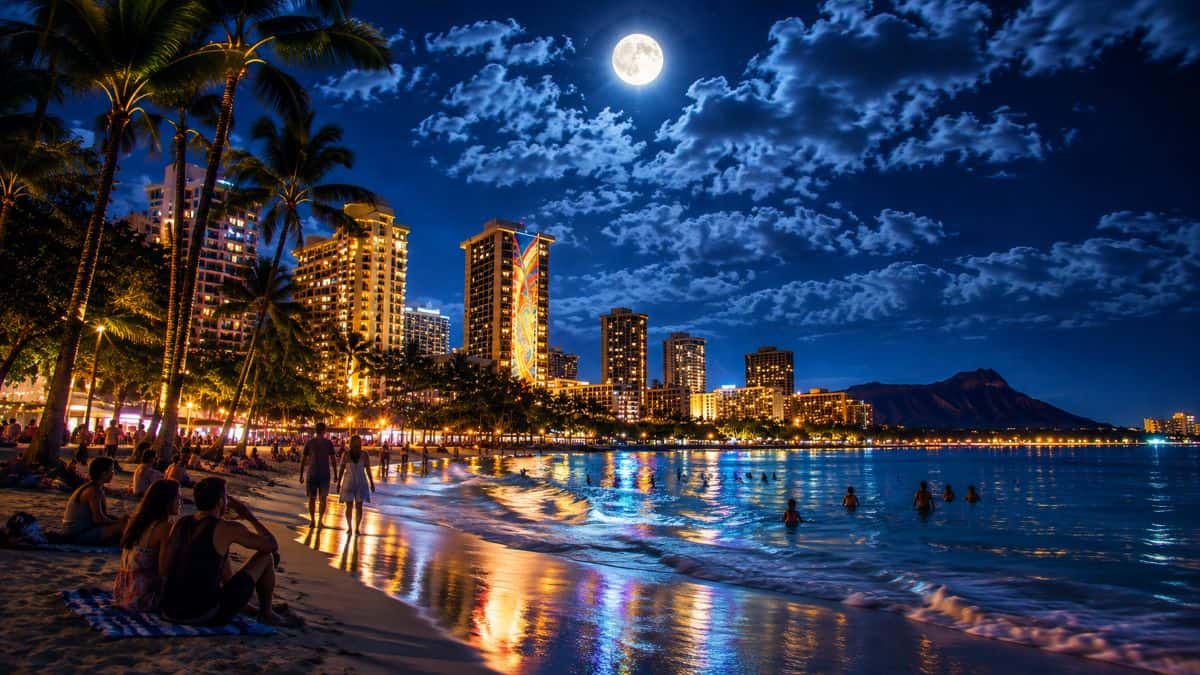
Miami is entering one of its busiest stretches of the 2026 travel calendar, with a succession of major cultural, music, business, literary, marine and art events scheduled from October through early December. The concentration of events is likely to create a particularly strong period for hotels, restaurants, airlines, attractions and other tourism businesses across Greater Miami and Miami Beach, with the biggest international visitor wave expected around Miami Art Week and Art Basel Miami Beach.
Miami’s autumn calendar is becoming a major travel story
The final months of 2026 are shaping up to be much more than a traditional shoulder season for Miami, as a sequence of large events will bring different groups of visitors into the destination almost continuously. From Caribbean culture and electronic music to international travel trade, literature, luxury boating and contemporary art, the calendar offers several distinct reasons for travellers to visit between October and December.
Advertisement
Advertisement
The diversity of the programme is particularly important because the events appeal to very different audiences, allowing the destination to draw leisure visitors, business travellers, industry professionals, artists, collectors and affluent international guests. Rather than depending on one festival or convention, Miami can benefit from several overlapping sources of demand throughout the season.
Miami Carnival launches the autumn rush
Miami Carnival will provide one of the first major tourism moments of October, with its 2026 programme running from October 3 through October 11 and the Parade and Concert scheduled for Sunday, October 11. The official event calendar lists Junior Carnival, Pan Jamboree, J’Ouvert and the main Parade and Concert among the week’s signature celebrations.
Advertisement
Advertisement
The event brings Caribbean music, costumes, food and cultural traditions together in South Florida, attracting participants and visitors from different parts of the United States and overseas. For travellers, it offers an experience that is deeply connected to Miami’s multicultural identity rather than a conventional beach holiday, giving hotels and local businesses another reason to prepare for increased weekend demand.
III Points brings music lovers to Wynwood
Just days later, Miami’s cultural calendar shifts towards electronic music, alternative sounds and experimental performance when III Points returns to Mana Wynwood on October 16 and 17. The festival combines international performers with Miami’s own creative community and has developed a reputation for bringing music, art and nightlife together.
Advertisement
Advertisement
The 2026 programme spans electronic music, hip-hop, indie, experimental sounds, R&B and other genres, with artists including Underworld, Four Tet, Flying Lotus, Blood Orange and Charlotte de Witte among the announced performers. For visitors, the event also places them in Wynwood, an area already known for galleries, murals, restaurants, bars and nightlife, potentially encouraging spending beyond the festival grounds.
WTE Miami brings the global travel industry together
The travel industry itself will become a major part of Miami’s visitor economy when World Travel Expo Miami takes place at the Miami Beach Convention Center on October 27 and 28. The organisers currently list more than 7,000 buyers, over 500 exhibitors, more than 500 hosted and VIP buyers and participation from more than 70 countries.
Advertisement
Advertisement
The event is significant because its visitors are not travelling merely for leisure; they represent destinations, airlines, hotels, tour operators, travel advisers and tourism organisations. That makes WTE particularly relevant to the wider industry, with meetings and commercial relationships potentially generating future travel demand well beyond the two-day exhibition.
Miami’s international connectivity becomes an advantage
WTE’s organisers specifically position Miami as a major gateway for international travel, highlighting its air connectivity and role as a crossroads between the Americas and other global markets. That positioning matters because a large international trade event needs more than convention space; it also needs convenient air access and a substantial hospitality ecosystem capable of accommodating visitors.
The convention therefore illustrates how Miami’s tourism infrastructure supports business travel as well as traditional holidays. Thousands of industry participants arriving for a trade event can generate demand for accommodation, dining, transport, meetings and entertainment, creating an economic impact that extends beyond the convention centre.
The boat show keeps South Florida busy
The Fort Lauderdale International Boat Show follows immediately, running from October 28 through November 1 across multiple waterfront locations. Although the event is outside Miami proper, its proximity makes it an important regional travel driver, particularly because visitors can move between Miami and Fort Lauderdale during the same trip.
Advertisement
Advertisement
The 67th edition is expected to attract more than 100,000 attendees, with around 1,000 exhibitors from more than 90 countries and more than 1,300 boats on display. The show spans seven waterfront locations, making it one of the largest marine events on the international calendar.
Luxury travel receives another boost
FLIBS has a particularly strong connection with luxury travel because its programme includes superyachts, marine technology, high-end vessels and experiences aimed at affluent buyers and boating enthusiasts. Its visitor base also extends well beyond Florida, with the organisers reporting that 49 per cent of visitors are from outside the state.
That regional influx can benefit hotels and restaurants across South Florida rather than only businesses immediately surrounding the show. Visitors may stay in Miami, Fort Lauderdale or other nearby communities, while transport links make it possible to combine the boat show with shopping, nightlife, beaches and other attractions.
Miami Book Fair changes the pace
November brings a very different visitor profile when Miami Book Fair returns from November 15 to 22 at Miami Dade College’s Wolfson Campus in Downtown Miami. The official organisers describe the event as an eight-day literary festival featuring hundreds of authors and programming across English, Spanish and Haitian Creole.
The 2026 edition is expected to feature more than 500 authors and presenters, while the public Street Fair runs from November 20 through November 22. That makes the event relevant not only to publishing professionals and serious readers but also to families and visitors looking for a cultural experience during their Miami stay.
Why the Book Fair matters to tourism
Literary events may not generate the same headlines as major music festivals, but they can attract visitors who stay for several nights and combine the event with sightseeing. The Miami Book Fair also contributes to Downtown Miami’s cultural identity, helping diversify the visitor economy beyond beaches, nightlife and luxury shopping.
Advertisement
Advertisement
Its timing is also useful for the destination because it falls between the October events and the intense Art Week period. That creates another significant cultural occasion during a month when Miami can continue attracting visitors before the international art crowd arrives.
Miami Art Week will change the scale completely
The biggest visitor surge of the season is likely to arrive around Miami Art Week, scheduled from November 30 through December 6, 2026. The week brings together art fairs, galleries, museum programming, exhibitions, private events and commercial gatherings across Greater Miami and Miami Beach.
The event has become one of the most internationally recognised periods on Miami’s calendar, attracting collectors, artists, dealers, designers, celebrities, media and affluent travellers. Hotels, restaurants, private transport companies and luxury retailers can all experience increased demand as visitors move between events across the city.
Art Basel Miami Beach remains the centrepiece
Art Basel Miami Beach will take place from December 4 through December 6 at the Miami Beach Convention Center, with private preview days preceding the public opening. Art Basel confirms the December 4–6 dates for the 2026 edition.
The main fair is only one part of the wider phenomenon, however, because dozens of other exhibitions and satellite fairs operate during the same week. The official Greater Miami tourism guide lists events including Art Miami, Design Miami, NADA Miami, Untitled Art, SCOPE Miami Beach and several other fairs taking place around the city.
The visitor profile changes again
Art Week brings a very different type of tourism demand from Miami Carnival or III Points. Collectors, gallery representatives, designers, investors, celebrities and luxury travellers often have higher spending potential, particularly across premium accommodation, restaurants, transportation, retail and private experiences.
Advertisement
Advertisement
That makes early December particularly important for Miami’s luxury hospitality sector. The city is not simply selling hotel rooms during this period; it is selling access to a concentrated programme of international events that can influence where visitors stay, dine, shop and spend their leisure time.
The events create a powerful tourism sequence
Taken individually, each event has its own audience, but the calendar becomes more significant when viewed as a continuous sequence. Miami Carnival starts October with Caribbean culture, III Points follows with music, WTE introduces the global travel trade, FLIBS brings marine and luxury visitors, the Book Fair adds literary tourism and Art Week finishes the period with one of the world’s most prominent art gatherings.
This variety reduces Miami’s dependence on a single visitor segment. It also creates opportunities for travellers to combine events with the city’s established attractions, including beaches, food, nightlife, museums, shopping and neighbourhood experiences.
Hotels could benefit from sustained demand
A concentrated events calendar can create a more predictable pattern of accommodation demand, particularly when major events take place across consecutive weeks. Hotels can potentially attract different customer groups throughout the period rather than relying exclusively on traditional leisure travel.
The effect will not necessarily be uniform across every neighbourhood. Demand is likely to vary according to event location, transport access, hotel category and visitor preferences, with Miami Beach, Downtown Miami, Wynwood and areas around major transport corridors positioned differently depending on the event.
Airlines also stand to benefit
Events of this scale can influence airline demand because visitors arriving from other states and countries need convenient access to the region. International conventions and cultural events can be particularly valuable because they draw passengers who would not otherwise have travelled to Miami during the same period.
Advertisement
Advertisement
The combination of business and leisure demand can also support longer stays. A traveller arriving for WTE, for example, could extend the trip for sightseeing, while someone visiting Art Week may add additional nights to explore Miami’s beaches, restaurants and cultural districts.
Regional travel will play an important role
Not every visitor will arrive by air. Miami’s location within South Florida means events in neighbouring destinations can influence the entire metropolitan visitor economy, with travellers moving between Miami, Miami Beach, Fort Lauderdale and other communities.
The Fort Lauderdale boat show is an obvious example. Organisers provide transportation options linking different show locations, while Brightline also offers service to Fort Lauderdale from Miami and other Florida cities, creating another option for visitors moving around the region.
Why October may be particularly interesting
October offers an unusually broad mix of cultural and professional events without the extreme concentration associated with Art Week. Travellers can choose between Carnival, music, travel industry networking and boating, depending on their interests.
For tourism businesses, that diversity can be valuable because it spreads demand across different customer groups. A destination that attracts Caribbean cultural visitors one weekend and international business travellers the next has more opportunities to maintain activity across the month.
November builds towards the peak
November starts with the final days of FLIBS and then moves into the Miami Book Fair before the city prepares for Art Week. The progression means that the final part of the year does not depend entirely on December’s art events.
Advertisement
Advertisement
For travellers, this creates several different opportunities to experience Miami before the most crowded period arrives. Visitors who are more interested in literature or boating may prefer November, while those focused on contemporary art may deliberately target the final days of the month and first week of December.
Art Week will be the defining moment
The scale and international reach of Miami Art Week make it the clear finale of the autumn event calendar. The official Miami Art Week platform lists November 30 through December 6 as the 2026 dates, while Art Basel Miami Beach occupies December 4–6.
The result is effectively a week-long citywide programme rather than a single convention. Galleries, museums, fairs, hotels, restaurants and neighbourhoods participate in different ways, turning Greater Miami into a major destination for the global art community.
What travellers should expect
Visitors planning trips around these events should expect significant differences in demand depending on the dates and locations they choose. Miami Carnival, III Points, WTE, FLIBS, the Book Fair and Art Week each create their own patterns of hotel demand, transport requirements and local activity.
Travellers should therefore book accommodation and transportation according to the specific event rather than assuming conditions will be the same throughout autumn. The closer the trip gets to Art Week, in particular, the more important advance planning becomes because multiple events overlap across Miami and Miami Beach.
Miami’s tourism story is becoming more diverse
The significance of the 2026 calendar is that it demonstrates how Miami’s visitor economy extends well beyond the traditional combination of beaches, nightlife and winter sun. Culture, business, music, literature, marine events and contemporary art are increasingly part of the city’s wider tourism proposition.
Advertisement
Advertisement
That diversity is strategically useful because different visitors arrive for different reasons, and many ultimately spend money across several sectors. A successful events calendar can therefore support airlines, hotels, restaurants, attractions, retailers, transport providers and local creative businesses at the same time.
What this means for Miami travel
From early October through the first week of December, Miami will offer a succession of reasons for domestic and international travellers to visit. The calendar ranges from the colourful celebrations of Miami Carnival to the international business audience of WTE and the high-spending art crowd arriving for Art Basel.
For travellers, the most important lesson is that Miami’s autumn is no longer a quiet period between traditional summer and winter seasons. The city is positioning its event calendar as a major component of its tourism economy, and 2026 offers an especially clear example of how culture, business and entertainment can reshape seasonal travel demand.
Frequently Asked Questions
What are the biggest Miami events in autumn 2026?
Major events include Miami Carnival, III Points, WTE Miami, the Fort Lauderdale International Boat Show, Miami Book Fair and Miami Art Week with Art Basel Miami Beach.
When is Miami Carnival 2026?
Miami Carnival’s 2026 programme runs from October 3 through October 11, with the Parade and Concert scheduled for October 11.
When is III Points Festival?
III Points will take place on October 16 and 17, 2026, at Mana Wynwood.
Advertisement
Advertisement
When is WTE Miami 2026?
World Travel Expo Miami is scheduled for October 27–28, 2026, at the Miami Beach Convention Center.
When is the Fort Lauderdale International Boat Show?
FLIBS will take place from October 28 through November 1, 2026. The show spans multiple waterfront locations in Fort Lauderdale.
When is Miami Book Fair 2026?
Miami Book Fair will run from November 15 through November 22, 2026, at the Wolfson Campus of Miami Dade College in Downtown Miami.
When is Miami Art Week 2026?
Miami Art Week is scheduled for November 30 through December 6, 2026.
When is Art Basel Miami Beach 2026?
Art Basel Miami Beach will take place December 4–6, 2026, at the Miami Beach Convention Center.
Which event is likely to attract the largest international luxury audience?
Miami Art Week and Art Basel Miami Beach are likely to have the strongest international luxury profile because of their concentration of collectors, galleries, artists, designers and high-end visitors. The wider week includes numerous fairs and events throughout Greater Miami.
Advertisement
Advertisement
Should travellers book Miami accommodation early?
For major event periods, particularly late November and early December, booking early is advisable because several large programmes overlap. Travellers should also consider staying outside the immediate event area if they are willing to use public transport, rail, taxis or other regional connections.
Advertisement
